NFPA 70b Training - Electrical Maintenance
Our customized live online or in‑person group training can be delivered to your staff at your location.

- Live Online
- 12 hours Instructor-led
- Group Training Available
Regular Price:
$699
Coupon Price:
$599
IRAQ
—
Iraq Electricity Grid Resilience is tested as extreme heat, sand and dust storms, and peak demand strain transmission and distribution networks, reducing capacity and reliability while accelerating the need for climate adaptation, microgrids, and interconnections.
The Main Points
-
Extreme heat adds 40 C days across large parts of the grid
-
Network losses of 50-60% worsen reliability under peak load
-
Gas plant output and efficiency fall as ambient temps rise
-
Assessment urges microgrids, islanding and regional links
A new national climate resilience assessment warns that Iraq's electricity system faces intensifying physical stress from rising temperatures, more frequent heatwaves, and recurring sand and dust storms. The report highlights that the combined effects will pressure transmission and distribution assets during peak summer conditions, with implications for capacity, equipment lifetimes, and service reliability.
Projected increases in days above 40 C will broaden the share of the network exposed to extreme heat, making stable grid operations during heatwaves more difficult and prolonging seasonal stress on crews and equipment. For broader context on heat impacts across regions, see world heat electricity for comparable system-wide challenges observed elsewhere.
The assessment notes that Iraq already contends with exceptionally high technical and non-technical losses, estimated at 50-60%, and that heatwaves can further increase transmission losses and complicate balancing amid surging cooling load. Utilities evaluating mitigation options can draw lessons from approaches summarized in us grid heat resilience aar dlr vpps, including ambient-adjusted and dynamic line ratings, virtual power plants, and targeted demand response, adapted to local conditions.
Generation performance is also at risk. Higher ambient temperatures reduce the mass flow of air through gas turbines, lowering output and efficiency, with combined-cycle plants particularly susceptible under hot conditions. The assessment indicates that these derates, coincident with peak demand for cooling, tighten operating margins and can amplify supply scarcity and cost pressures, trends mirrored in coverage such as extreme heat boosts us electricity bills, which underscores consumer impacts during prolonged heat events.
Sand and dust storms have increased in number and intensity in recent years, adding operational hazards for transmission lines, substations, and thermal plants. Reduced visibility, airborne particulates, and abrasive deposition complicate inspection, switching, and maintenance. For planning references on climate exposure across power networks, see grid climate change and how utilities are aligning asset management with evolving weather risk.
The assessment outlines adaptation priorities: accelerate distributed generation and microgrids capable of islanding during widespread disruptions; diversify the generation mix; strengthen data, forecasting, and disaster risk management; and build regional interconnections to share reserves and reduce localized shortfalls. Recent cross-border projects linking Iraq to neighboring systems are cited as steps that can bolster stability in the hottest months. The consequences of insufficient preparation are familiar to many jurisdictions, as illustrated by reports like california faces blackouts, reinforcing the urgency of proactive upgrades before peak season intensifies.
Policy follow-through is central to delivery. The assessment recommends integrating climate risk and impact analyses into project approvals, defaulting to more resilient technologies for critical processes, and hardening assets against both physical and cyber threats. Embedding resilience criteria in grid codes, procurement, and financing frameworks can signal priorities to investors and operators, while data-sharing and emergency planning help sustain reliable service as heat, aridity, and dust events escalate.
Related News
Related News
When did BC Hydro really know about Site C dam stability issues? Utilities watchdog wants to know
BC Utilities Commission Site C Dam Questions press BC Hydro on geotechnical risks, stability issues,…
View more
New York State to investigate sites for offshore wind projects
NYSERDA Offshore Wind Data initiative funds geophysical and geotechnical surveys, seabed and soil studies on…
View more
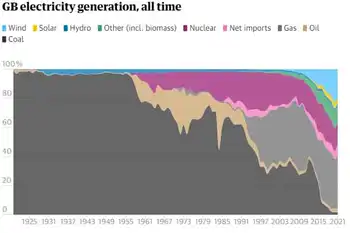
Energy dashboard: how is electricity generated in Great Britain?
Great Britain electricity generation spans renewables and baseload: wind, solar, nuclear, gas, and biomass, supported…
View more
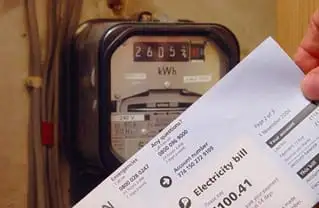
During this Pandemic, Save Money - How To Better Understand Your Electricity Bill
Commercial Electric Tariffs explain utility rate structures, peak demand charges, kWh vs kW pricing, time-of-use…
View more
BC Hydro activates "winter payment plan"
BC Hydro Winter Payment Plan lets customers spread electricity bills over six months during cold…
View more
Heatwave Sparks Unprecedented Electricity Demand Across Eastern U.S
Eastern U.S. Heatwave Electricity Demand surges to record peak load, straining the power grid, lifting…
View more
Sign Up for Electricity Forum’s Newsletter
Stay informed with our FREE Newsletter — get the latest news, breakthrough technologies, and expert insights, delivered straight to your inbox.
Electricity Today T&D Magazine Subscribe for FREE

Stay informed with the latest T&D policies and technologies.
- Timely insights from industry experts
- Practical solutions T&D engineers
- Free access to every issue

