Congress expands nuclear-loan guarantee program

By Boston Herald


Substation Relay Protection Training

Our customized live online or in‑person group training can be delivered to your staff at your location.

  • Live Online
  • 12 hours Instructor-led
  • Group Training Available
Regular Price:
$699
Coupon Price:
$599
Reserve Your Seat Today
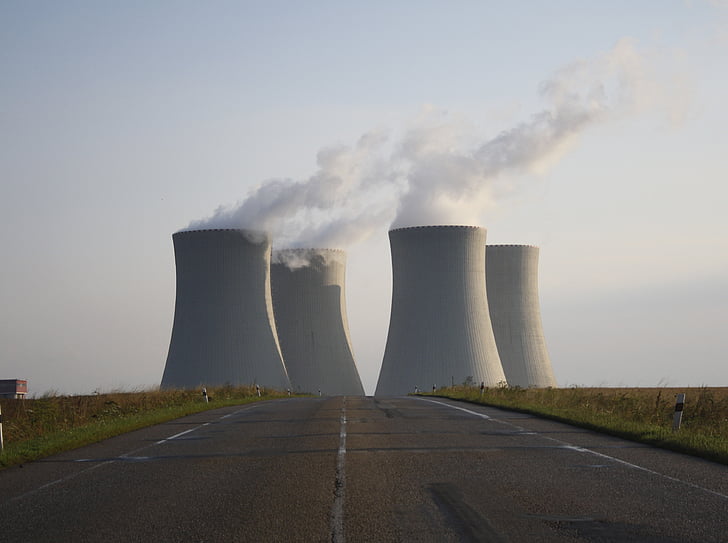
Lawmakers agreed to increase funding for a loan program to guarantee up to 80 percent of nuclear- reactor construction costs — a move designed to rally the nation’s nuclear-energy revival.

The legislation contains a two-year approval of the loan-guarantee program and directs the Secretary of Energy to provide $20.5 billion specifically for nuclear energy — $18.5 billion for nuclear reactors and $2 billion for uranium enrichment — as well as $10 billion for renewable energy and energy efficiency and $8 billion for clean-coal technology.

Nevada Republican Pete Domenici, ranking member of the Senate Energy and Natural Resources Committee, said the deal is part of the fiscal 2008 Omnibus Appropriations bill Congress has approved.

"Attracting investors for clean-energy projects is challenging, so we should do what we can to help get their projects off the ground," Domenici said in a release.

Three companies already have submitted complete construction and operating license applications for reactors to the Nuclear Regulatory Commission, but none has committed to building plants. New plant construction is estimated to cost more than $5 billion, without a reliable loan-guarantee program.

Speaking Monday about the nationÂ’s economic health in Fredericksburg, Va., President Bush said nuclear energy was environmentally sound and new plants are needed to help satisfy increasing levels of demand. The 104 domestic operating plants currently generate about 20 percent of U.S. electricity.

"The administration is one step closer to issuing guarantees for loans for clean energy projects that will help reduce our dependence on foreign energy sources, boost economic competitiveness, and combat climate change," DOE spokeswoman Megan Barnett wrote in an e-mail.

Dominion Resources Inc. last month became the third company to file a complete application for a new nuclear reactor, at its North Anna Power Station in Louisa County, Va., following the Tennessee Valley Authority, which in October applied for new reactors at the Bellefonte nuclear power station near Scottsboro, Ala.

In September, NRG Energy Inc. did what no energy had done in 30 years when it submitted an application to build and operate reactors at its Bay City, Texas, power plant site. Constellation Energy Group Inc. filed a partial application earlier this year for a proposed new reactor in Lusby, Md.

Loan-guarantee applicants must pay a credit subsidy, or "risk premium," representing the value of the risk of loss to the government of each particular project. But the industryÂ’s trade group did not see that as a barrier to entry.

Nuclear Energy Institute spokesman Steve Kerekes called the fee a "new wrinkle," but said the increased funding is a "very positive development" that will help sustain the first handful of new plants. "From the beginning, we wanted a limited stimulus for a limited number of new plants for a limited time period," he said.

As the fees are collected, the loan-guarantee program will become self financing, Domenici said.

The industry has expressed concern about the untested regulatory approval process, environmental issues, waste management and the ability to produce electricity at a competitive price. Nuclear regulators say the review process for new plants will take up to 42 months.

Related News
DP Energy Sells 325MW Solar Park to Medicine Hat

Saamis Solar Park advances Medicine Hat's renewable energy strategy, as DP Energy secures AUC approval for North America's largest urban solar, repurposing contaminated land; capacity phased from 325 MW toward an initial 75 MW.


Key Points

A 325 MW solar project in Medicine Hat, Alberta, repurposing contaminated land; phased to 75 MW under city ownership.

✅ City acquisition scales capacity to 75 MW in phased build

✅ AUC approval enables construction and grid integration

✅ Reuses phosphogypsum-impacted land near fertilizer plant


DP Energy, an Irish renewable energy developer, has finalized the sale of the Saamis Solar Park—a 325 megawatt (MW) solar project—to the City of Medicine Hat in Alberta, Canada. This transaction marks the development of North America's largest urban solar initiative, while mirroring other Canadian clean-energy deals such as Canadian Solar project sales that signal market depth.

Project Development and Approval

DP Energy secured development rights for the Saamis Solar Park in 2017 and obtained a development permit in 2021. In 2024, the Alberta Utilities Commission (AUC) granted approval for construction and operation, reflecting Alberta's solar growth trends in recent years, paving the way for the project's advancement.

Strategic Acquisition by Medicine Hat

The City of Medicine Hat's acquisition of the Saamis Solar Park aligns with its commitment to enhancing renewable energy infrastructure. Initially, the project was slated for a 325 MW capacity, which would significantly bolster the city's energy supply. However, the city has proposed scaling the project to a 75 MW capacity, focusing on a phased development approach, and doing so amid challenges with solar expansion in Alberta that influence siting and timing. This adjustment aims to align the project's scale with the city's current energy needs and strategic objectives.

Utilization of Contaminated Land

An innovative aspect of the Saamis Solar Park is its location on a 1,600-acre site previously affected by industrial activity. The land, near Medicine Hat's fertilizer plant, was previously compromised by phosphogypsum—a byproduct of fertilizer production. DP Energy's decision to develop the solar park on this site exemplifies a productive reuse of contaminated land, transforming it into a source of clean energy.

Benefits to Medicine Hat

The development of the Saamis Solar Park is poised to deliver multiple benefits to Medicine Hat:

  • Energy Supply Enhancement: The project will augment the city's energy grid, much like municipal solar projects that provide local power, providing a substantial portion of its electricity needs.

  • Economic Advantages: The city anticipates financial savings by reducing carbon tax liabilities, as lower-cost solar contracts have shown competitiveness, through the generation of renewable energy.

  • Environmental Impact: By investing in renewable energy, Medicine Hat aims to reduce its carbon footprint and contribute to global sustainability efforts.

DP Energy's Ongoing Commitment

Despite the sale, DP Energy maintains a strong presence in Canada, where Indigenous-led generation is expanding, with a diverse portfolio of renewable energy projects, including solar, onshore wind, storage, and offshore wind initiatives. The company continues to focus on sustainable development practices, striving to minimize environmental impact while maximizing energy production efficiency.

The transfer of the Saamis Solar Park to the City of Medicine Hat represents a significant milestone in renewable energy development. It showcases effective land reutilization, strategic urban planning, and a shared commitment to sustainable energy solutions, aligning with federal green electricity procurement that reinforces market demand. This project not only enhances the city's energy infrastructure but also sets a precedent for integrating large-scale renewable energy projects within urban environments.


Related News

View more

India to Ration Coal Supplies as Electricity Demand Surges

India Coal Supply Rationing redirects shipments from high-inventory power plants to stations facing shortages as electricity demand surges, inventories fall, and outages persist; Coal India, NTPC imports, and smaller mines bolster domestic supply.


Key Points

A temporary policy redirecting coal from high-stock plants to shortage-hit plants amid rising demand

✅ Shipments halted 1 week to plants with >14 days coal stock

✅ Smaller mines asked to raise output; NTPC to import 270,000 tons

✅ Outages at Adani and Tata Mundra units pressure domestic supply


India will ration coal supplies to power plants with high inventories to direct more shipments to stations battling shortages, even as shortages ease in some regions, as surging demand outstrips production.

Supplies to plants with more than two weeks’ coal inventory will be halted for a week, a team headed by federal Coal Secretary Alok Kumar decided on Saturday, the Power Ministry said in a statement. The government has also requested smaller mines to raise output to supplement shipments from state miner Coal India Ltd., and is taking steps to get nuclear back on track to diversify the energy mix.

A jump in electricity consumption spurred by a reviving economy and an extended summer, after an earlier steep demand decline in India, is driving demand for coal, which helps produce about 70% of the nation’s electricity. The surge in demand complicates India’s clean-energy transition efforts amid solar supply headwinds that cloud near-term alternatives, and may bolster arguments favoring the country’s dependence on coal to fuel economic growth.

“There’s no doubt India will continue to need coal for stable power for years,” said Rupesh Sankhe, vice president at Elara Capital India Pvt. in Mumbai. “Plants that meet environmental standards and are able to produce power efficiently will see utilization rising, but I doubt we’re going to have many new coal plants.”  

Coal stockpiles at the country’s power plants had fallen to 14.7 million tons as of Aug. 24, tumbling 62% from a year earlier, according to the latest data from the Central Electricity Authority. More than 88 gigawatts of generation plants, about half the capacity monitored by the power ministry, had inventories of six days or less as of that date, the data show. Power demand jumped 10.5% in July from a year earlier, even as global electricity use dipped 15% during the pandemic, according to the government.
Outages at some large plants that run on imported coal have increased the burden on those that burn domestic supplies, aiding shortfalls.

Adani Power Ltd. had almost 2 gigawatts of capacity in outage at its Mundra plant in Gujarat at the start of the week, while Tata Power Co. Ltd. had shut 80% of its 4-gigawatt plant in the same town for maintenance, power ministry data show.

NTPC Ltd., the largest power generator, will import the 270,000 tons of coal it left out from contracts placed earlier to mitigate the fuel shortage, reflecting higher imported coal volumes this fiscal, the power ministry said in a separate statement.


Related News

View more

Tariff Threats Boost Support for Canadian Energy Projects

Canadian Energy Infrastructure Tariffs are reshaping pipelines, deregulation, and energy independence, as U.S. trade tensions accelerate approvals for Alberta oil sands, Trans Mountain expansion, and CAPP proposals amid regulatory reform and market diversification.


Key Points

U.S. tariff threats drive approvals, infrastructure, and diversification to strengthen Canada energy security.

✅ Tariff risk boosts support for pipelines and export routes

✅ Faster project approvals and deregulation gain political backing

✅ Diversifying markets reduces reliance on U.S. buyers


In recent months, the Canadian energy sector has experienced a shift in public and political attitudes toward infrastructure projects, particularly those related to oil and gas production. This shift has been largely influenced by the threat of tariffs from the United States, as well as growing concerns about energy independence and U.S.-Canada trade tensions more broadly.

Scott Burrows, the CEO of Pembina Pipeline Corp., noted in a conference call that the potential for U.S. tariffs on Canadian energy imports has spurred a renewed sense of urgency and receptiveness toward energy infrastructure projects in Canada. With U.S. President Donald Trump’s proposed tariffs Trump tariff threat on Canadian imports, particularly a 10% tariff on energy products, there is increasing recognition within Canada that these projects are essential for the country’s long-term economic and energy security.

While the direct impact of the tariffs is not immediate, industry leaders are optimistic about the long-term benefits of deregulation and faster project approvals, even as some see Biden as better for Canada’s energy sector overall. Burrows highlighted that while it will take time for the full effects to materialize, there are significant "tailwinds" in favor of faster energy infrastructure development. This includes the possibility of more streamlined regulatory processes and a shift toward more efficient project timelines, which could significantly benefit the Canadian energy sector.

This changing landscape is particularly important for Alberta’s oil production, which is one of the largest contributors to Canada’s energy output. The Canadian Association of Petroleum Producers (CAPP) has responded to the growing tariff threat by releasing an “energy platform,” outlining recommendations for Ottawa to help mitigate the risks posed by the evolving trade situation. The platform includes calls for improved infrastructure, such as pipelines and transportation systems, and priorities like clean grids and batteries, to ensure that Canadian energy can reach global markets more effectively.

The tariff threat has also sparked a wider conversation about the need for Canada to strengthen its energy infrastructure and reduce its dependency on the U.S. for energy exports. With the potential for escalating trade tensions, there is a growing push for Canadian energy resources to be processed and utilized more domestically, though cutting Quebec’s energy exports during a tariff war. This has led to increased political support for projects like the Trans Mountain pipeline expansion, which aims to connect Alberta’s oil sands to new markets in Asia via the west coast.

However, the energy sector’s push for deregulation and quicker approvals has raised concerns among environmental groups and Indigenous communities. Critics argue that fast-tracking energy projects could lead to inadequate environmental assessments and greater risks to local ecosystems. These concerns underscore the tension between economic development and environmental protection in the energy sector.

Despite these concerns, there is a clear consensus that Canada’s energy industry needs to evolve to meet the challenges posed by shifting trade dynamics, even as polls show support for energy and mineral tariffs in the current dispute. The proposed U.S. tariffs have made it increasingly clear that the country’s energy infrastructure needs significant investment and modernization to ensure that Canada can maintain its status as a reliable and competitive energy supplier on the global stage.

As the deadline for the tariff decision approaches, and as Ford threatens to cut U.S. electricity exports, Canada’s energy sector is bracing for the potential fallout, while also preparing to capitalize on any opportunities that may arise from the changing trade environment. The next few months will be critical in determining how Canadian policymakers, businesses, and environmental groups navigate the complex intersection of energy, trade, and regulatory reform.

While the threat of U.S. tariffs may be unsettling, it is also serving as a catalyst for much-needed changes in Canada’s energy policy. The push for faster approvals and deregulation may help address some of the immediate concerns facing the sector, but it will be crucial for the government to balance economic interests with environmental and social considerations as the country moves forward in its energy transition.


Related News

View more

European gas prices fall to pre-Ukraine war level

European Gas Prices hit pre-invasion lows as LNG inflows, EU storage gains, and softer oil markets ease the energy crisis, while recession risks, windfall taxes, and ExxonMobil's challenge shape demand and policy.


Key Points

European gas prices reflect supply, LNG inflows, storage, and policy, shaping energy costs for households and industry.

✅ Month-ahead hit €76.78/MWh, rebounding to €85.50/MWh.

✅ EU storage 83.2% filled; autumn peak exceeded 95%.

✅ Demand tempered by recession risks; LNG inflows offset Russian cuts.


European gas prices have dipped to a level last seen before Russia launched its invasion of Ukraine in February, after warmer weather across the continent eased concerns over shortages and as coal demand dropped across Europe during winter.

The month-ahead European gas future contract dropped as low as €76.78 per megawatt hour on Wednesday, the lowest level in 10 months, amid EU talks on gas price cap strategies that could shape markets, before closing higher at €83.70, according to Refinitiv, a data company.

The invasion roiled global energy markets, serving as a wake-up call to ditch fossil fuels for policymakers, and forced European countries, including industrial powerhouse Germany, to look for alternative suppliers to those funding the Kremlin. Europe had continued to rely on Russian gas even after its 2014 annexation of Crimea and support for separatists in eastern Ukraine.

On Tuesday 83.2% of EU gas storage was filled, data from industry body Gas Infrastructure Europe showed. The EU in May set a target of filling 80% of its gas storage capacity by the start of November to prepare for winter, and weighed emergency electricity measures to curb prices as needed. It hit that target in August, and by mid-November it had peaked at more than 95%.

Gas prices bounced further off the 10-month low on Thursday to reach €85.50 per megawatt hour.

Europe has several months of domestic heating demand ahead, and some industry bosses believe energy shortages could also be a problem next winter, with a worst energy nightmare still possible if supplies tighten. However, traders have also had to weigh the effects of recessions expected in several big European economies, which could dent energy demand.

UK gas prices have also dropped back from their highs earlier this year, and forecasts suggest UK energy bills to drop in April. The day-ahead gas price closed at 155p per therm on Wednesday, compared with 200p/therm at the start of 2022, and more than 500p/therm in August.

Europe’s response to the prospect of gas shortages also included campaigns to reduce energy use – a strategy belatedly adopted by the UK – and windfall taxes on energy companies to help raise revenues for governments, many of which have started expensive subsidies to cushion the impact of high energy prices for households and consumers. Energy companies have enjoyed huge profits at the expense of businesses and households this year, as EU inflation accelerated, but costs remained much the same.

However, the US oil company ExxonMobil on Wednesday launched a legal challenge against EU plans for a windfall tax on oil companies, according to filings by its German and Dutch subsidiaries at the European general court in Luxembourg. ExxonMobil argued that the windfall tax would be “counter-productive” because it said it would result in lower investment in fossil fuel extraction, and that the EU did not have the legal jurisdiction to impose it.

ExxonMobil’s move has prompted anger among European politicians. A message posted on the Twitter account of Paolo Gentiloni, the EU’s commissioner for the economy, on Thursday stated: “Fairness and solidarity, even for corporate giants. #Exxon.”

Oil prices are significantly lower than they were before the start of Russia’s invasion, and only marginally above where they were at the start of 2022. Brent crude oil futures traded at $100 a barrel on 28 February, but were at $81.84 on Thursday.

Oil prices dropped by 1.7% on Thursday. Prices had risen from 12-month lows in early December as traders hoped for increased demand from China after it relaxed its coronavirus restrictions. However, Covid-19 infection numbers are thought to have surged in the country, prompting the US to require travellers from China to show a negative test for the disease and tempering expectations for a rapid increase in oil demand.


Related News

View more

Ukraine Resumes Electricity Exports

Ukraine Electricity Exports resume as the EU grid links stabilize; ENTSO-E caps, megawatt capacity, renewables, and infrastructure repairs enable power flows to Moldova, Poland, Slovakia, and Romania despite ongoing Russian strikes.


Key Points

Resumed cross-border power sales showing grid stability under ENTSO-E limits and surplus generation.

✅ Exports restart to Moldova; Poland, Slovakia, Romania next.

✅ ENTSO-E cap limits to 400 MW; more capacity under negotiation.

✅ Revenues fund grid repairs after Russian strikes.


Ukraine began resuming electricity exports to European countries on Tuesday, its energy minister said, a dramatic turnaround from six months ago when fierce Russian bombardment of power stations plunged much of the country into darkness in a bid to demoralize the population.

The announcement by Energy Minister Herman Halushchenko that Ukraine was not only meeting domestic consumption demands but also ready to restart exports to its neighbors was a clear message that Moscow’s attempt to weaken Ukraine by targeting its infrastructure did not work.

Ukraine’s domestic energy demand is “100%” supplied, he told The Associated Press in an interview, and it has reserves to export due to the “titanic work” of its engineers and international partners.

Russia ramped up infrastructure attacks in September, when waves of missiles and exploding drones destroyed about half of Ukraine's energy system, even as it built lines to reactivate the Zaporizhzhia plant in occupied territory. Power cuts were common across the country as temperatures dropped below freezing and tens of millions struggled to keep warm.

Moscow said the strikes were aimed at weakening Ukraine’s ability to defend itself, and both sides have floated a possible agreement on power plant attacks amid mounting civilian harm, while Western officials said the blackouts that caused civilians to suffer amounted to war crimes. Ukrainians said the timing was designed to destroy their morale as the war marked its first anniversary.


Ukraine had to stop exporting electricity in October to meet domestic needs.

Engineers worked around the clock, often risking their lives to come into work at power plants and keep the electricity flowing. Kyiv’s allies also provided help. In December, U.S. Secretary of State Antony Blinken announced $53 million in bilateral aid to help the country acquire electricity grid equipment, on top of $55 million for energy sector support.

Much more work remains to be done, Halushchenko said. Ukraine needs funding to repair damaged generation and transmission lines, and revenue from electricity exports would be one way to do that.

The first country to receive Ukraine’s energy exports will be Moldova, he said.

Besides the heroic work by engineers and Western aid, warmer temperatures are enabling the resumption of exports by making domestic demand lower, and across Europe initiatives like virtual power plants for homes are helping balance grids. Nationwide consumption was already down at least 30% due to the war, Halushchenko said, with many industries having to operate with less power.

Renewables like solar and wind power also come into play as temperatures rise, taking some pressure off nuclear and coal-fired power plants.

But it’s unclear if Ukraine can keep up exports amid the constant threat of Russian bombardment.

“Unfortunately now a lot of things depend on the war,” Halushchenko said. “I would say we feel quite confident now until the next winter.”

Exports to Poland, Slovakia and Romania are also on schedule to resume, he said.

“Today we are starting with Moldova, and we are talking about Poland, we are talking about Slovakia and Romania,” Halushchenko added, noting that how much will depend on their needs.

“For Poland, we have only one line that allows us to export 200 megawatts, but I think this month we will finish another line which will increase this to an additional 400 MW, so these figures could change,” he said.

Export revenue will depend on fluctuating electricity prices in Europe, where stunted hydro and nuclear output may hobble recovery efforts. In 2022, while Ukraine was still able to export energy, Ukrainian companies averaged 40 million to 70 million euros a month depending on prices, Halushchenko said.

“Even if it’s 20 (million euros) it’s still good money. We need financial resources now to restore generation and transmission lines,” he said.

Ukraine has the ability to export more than the 400 megawatt capacity limit imposed by the European Network of Transmission System Operators for Electricity, or ENTSO-E, and rising EU wind and solar output is reshaping cross-border flows. “We are in negotiations to increase this cap because today we can export even more, we have the necessary reserves in the system,” the minister said.

The current capacity limit is in line with what Ukraine was exporting in September 2022 before Ukraine diverted resources to meet domestic needs amid the Russian onslaught.


Related News

View more

New York Finalizes Contracts for 23 Renewable Projects Totaling 2.3 GW

New York Renewable Energy Contracts secure 23 projects totaling 2.3 GW, spanning offshore wind, solar, and battery storage under CLCPA goals, advancing 70% by 2030, a carbon-free 2040 grid, grid reliability, and green jobs.


Key Points

State agreements securing 23 wind, solar, and storage projects (2.3 GW) to meet CLCPA clean power targets.

✅ 2.3 GW across 23 wind, solar, and storage projects statewide

✅ Supports 70% renewables by 2030; carbon-free grid by 2040

✅ Drives emissions cuts, grid reliability, and green jobs


In a significant milestone for the state’s clean energy ambitions, New York has finalized contracts with 23 renewable energy projects, as part of large-scale energy projects underway in New York, totaling a combined capacity of 2.3 gigawatts (GW). This move is part of the state’s ongoing efforts to accelerate its transition to renewable energy, reduce carbon emissions, and meet the ambitious targets set under the Climate Leadership and Community Protection Act (CLCPA), which aims to achieve a carbon-free electricity grid by 2040.

A Strong Commitment to Renewable Energy

The 23 projects secured under these contracts represent a diverse range of renewable energy sources, including wind, solar, and battery storage. Together, these projects are expected to contribute significantly to New York’s energy grid, generating enough clean electricity to power millions of homes. The deal is a key component of New York’s broader strategy to achieve a 70% renewable energy share in the state’s electricity mix by 2030 and to reduce greenhouse gas emissions by 85% by 2050.

Governor Kathy Hochul celebrated the agreements as a major step forward in the state’s commitment to combating climate change while creating green jobs and economic opportunities. “New York is leading the nation in its clean energy goals, and these projects will help us meet our bold climate targets while delivering reliable and affordable energy to New Yorkers,” Hochul said in a statement.

The Details of the Contracts

The 23 projects span across various regions of the state, with an emphasis on areas that are well-suited for renewable energy development, such as upstate New York, which boasts vast open spaces ideal for large-scale solar and wind installations and the state is investigating sites for offshore wind projects along the coast. The contracts finalized by the state will ensure a steady supply of clean power from these renewable sources, helping to stabilize the grid and reduce reliance on fossil fuels.

A significant portion of the new renewable capacity will come from offshore wind projects, which have become a cornerstone of New York’s renewable energy strategy. Offshore wind has the potential to provide large amounts of electricity, and the state recently greenlighted the country's biggest offshore wind farm to date, taking advantage of the state's proximity to the Atlantic Ocean. Several of the contracts finalized include offshore wind farm projects, which are expected to be operational within the next few years.

In addition to wind energy, solar power continues to be a critical component of the state’s renewable energy strategy. The state has already made substantial investments in solar energy, having achieved solar energy goals ahead of schedule recently, and these new contracts will further expand the state’s solar capacity. The inclusion of battery storage projects is another important element, as energy storage solutions are vital to ensuring that renewable energy can be effectively utilized, even when the sun isn’t shining or the wind isn’t blowing.

Economic and Job Creation Benefits

The finalization of these 23 contracts will not only bring significant environmental benefits but also create thousands of jobs in the renewable energy sector. Construction, maintenance, and operational jobs will be generated throughout the life of the projects, benefiting communities across the state, including areas near Long Island's South Shore wind proposals that stand to gain from new investment. The investment in renewable energy is expected to support New York’s recovery from the economic impacts of the COVID-19 pandemic, contributing to the state’s clean energy economy and providing long-term economic stability.

The state's focus on clean energy also provides opportunities for local businesses, highlighted by the first Clean Energy Community designation in the state, as many of these projects will require services and materials from within New York State. Additionally, Governor Hochul’s administration has made efforts to ensure that disadvantaged communities and workers from underrepresented backgrounds will have access to job training and employment opportunities within the renewable energy sector.

The Path Forward: A Clean Energy Future

New York’s aggressive move toward renewable energy is indicative of the state’s commitment to addressing climate change and leading the nation in clean energy innovation. By locking in contracts for these renewable energy projects, the state is not only securing a cleaner future but also ensuring that the transition is fair and just for all communities, particularly those that have been historically impacted by pollution and environmental degradation.

While the finalized contracts mark a major achievement, the state’s work is far from over. The completion of these 23 projects is just one piece of the puzzle in New York’s broader strategy to decarbonize its energy system. To meet its ambitious targets under the CLCPA, New York will need to continue investing in renewable energy, energy storage, grid modernization, and energy efficiency programs.

As New York moves forward with its clean energy transition, and as BOEM receives wind power lease requests in the Northeast, the state will likely continue to explore new technologies and innovative solutions to meet the growing demand for renewable energy. The success of the 23 finalized contracts serves as a reminder of the state’s leadership in the clean energy space and its ongoing efforts to create a sustainable, low-carbon future for all New Yorkers.

New York’s decision to finalize contracts with 23 renewable energy projects totaling 2.3 gigawatts represents a bold step toward meeting the state’s clean energy and climate goals. These projects, which include a mix of wind, solar, and energy storage, will contribute significantly to reducing the state’s reliance on fossil fuels and lowering greenhouse gas emissions. With the additional benefits of job creation and economic growth, this move positions New York as a leader in the nation’s transition to renewable energy and a sustainable future.


Related News

View more

Sign Up for Electricity Forum’s Newsletter

Stay informed with our FREE Newsletter — get the latest news, breakthrough technologies, and expert insights, delivered straight to your inbox.

Electricity Today T&D Magazine Subscribe for FREE

Stay informed with the latest T&D policies and technologies.
  • Timely insights from industry experts
  • Practical solutions T&D engineers
  • Free access to every issue

Download the 2025 Electrical Training Catalog

Explore 50+ live, expert-led electrical training courses –

  • Interactive
  • Flexible
  • CEU-cerified