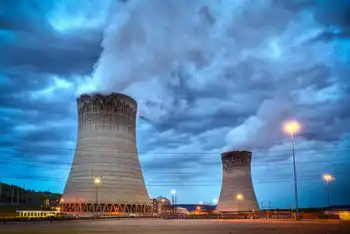
American Transmission Co. proposes $2.8 billion power line plan

By Milwaukee Journal Sentinel


NFPA 70b Training - Electrical Maintenance

Our customized live online or in‑person group training can be delivered to your staff at your location.
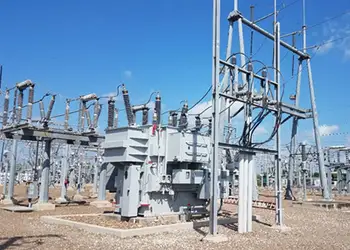
  • Live Online
  • 12 hours Instructor-led
  • Group Training Available
Regular Price:
$699
Coupon Price:
$599
Reserve Your Seat Today
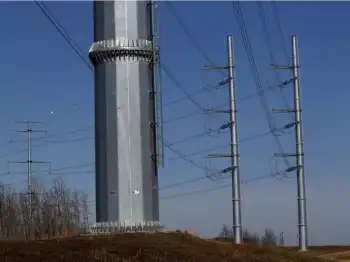
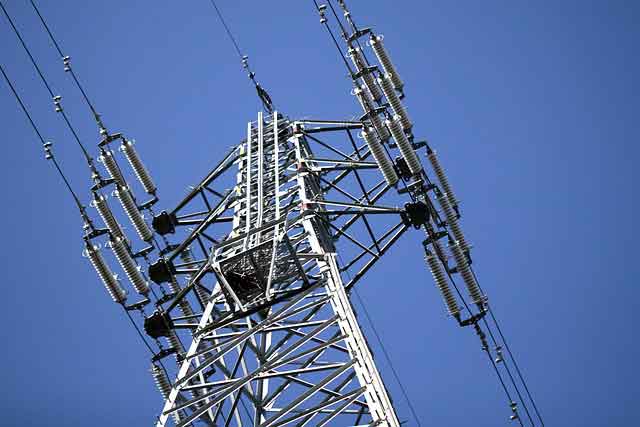
September 10 -- Seeking to shore up the state's vulnerable power grid, American Transmission Co. on Tuesday proposed a $2.8 billion, 10-year plan to add high-voltage lines to Wisconsin's existing electricity transmission system.

The plan could mean higher bills for consumers, who will ultimately pay the cost for the power line construction. It is also likely to stir up controversy among environmentalists, landowners and others.

Meanwhile Tuesday, Gov. Jim Doyle made an announcement in Madison that could help the Pewaukee-based utility move more quickly. Two state agencies pledged to streamline the approval process for power companies that are sometimes "bounced" from one state agency to another without a decision for a year or more, Doyle said.

The state Department of Natural Resources, which monitors environmental impacts of energy projects, and the Public Service Commission agreed to "reform our regulatory process" to speed up construction decisions, Doyle said. The DNR's new seven-person "energy permitting unit" will work with the PSC, which regulates the state's utilities.

Among the new proposals by American Transmission: a line connecting the Milwaukee and Madison areas through the fast-growing suburban areas of each city; a second high-voltage line from Wausau, linking it to Marquette, Mich.; and a line under Lake Michigan linking Manitowoc County and Ludington, Mich.

Proposing to build power lines is always controversial -- as the protracted debate over the $420 million Wausau-to-Duluth power line has shown. But it is important to start talking about projects early in order to address landowner, environmental and other concerns long before an actual route for a power line is selected, said Teresa Mogensen, director of transmission planning and service at American Transmission.

"We want to engage people in discussion so that we can work together on issues that come up, ideally before we apply for any projects," she said.

The challenges facing Wisconsin's electricity network "essentially all boil down to the one concept: the system is at its limits," Mogensen said.

Power system constrained

Wisconsin's electricity transmission system is constrained because it has only four high-voltage lines connecting it with other states. And the state is also home to the second-most constrained power line in the nation, a line that stretches from central Wisconsin west through Eau Claire and into Minnesota.

Calling for the removal of "hurdles to investment in our transmission system," Doyle pledged to send the Legislature proposed changes in state law that are needed to speed the process of approving utility plants and transmission lines.

Under the current process, a "contested" review of new energy projects triggers what amounts to a second round of hearings before an administrative judge, who then must issue a second decision on whether a project should be built, said Natural Resources Secretary Scott Hassett.

Revising the current "contested" review process with a new "public comment" process could speed approval of new power plants and power lines, Hassett said.

Each state agency will still conduct required separate reviews, but will work together on those assessments, the governor added. "We aren't going to be lowering any environmental standards," Doyle vowed.

Hearings planned

State Rep. Scott Jensen (R-Town of Brookfield) said the Assembly Energy and Utilities Committee he leads will hold a public hearing on those changes in the Capitol.

Although the governor estimated that it has usually taken up to a year for the two state agencies to act on applications for new power- generating projects, Jensen said it has taken much longer.

Jensen said it has taken an average of three to five years to get a new generating plant that uses natural gas approved and constructed, five to seven years for a coal-fired electrical generating plant to be approved and built, and seven to nine years for a major new transmission line to be approved and built.

Also on Tuesday, Doyle repeated his support for the controversial Arrowhead-Weston transmission line that would be built in northwest Wisconsin, bringing in electricity from Minnesota. The line already has been tentatively approved, and the PSC is looking for ways to cut its construction costs.

American Transmission's 10-year plan is the transmission-only utility's way of informing citizens, utilities, businesses and others across the state of the host of possible projects that could be built.

Mogensen noted that it is a planning document, similar perhaps to freeway expansion proposals developed by a regional planning commission. And that means not everything in the plan will get built.

But it does identify possible solutions to the state's electricity reliability needs in a state where demand for electricity keeps growing. Electricity demand statewide continued to grow despite the recession, climbing just 0.1% in 2001 but resuming growth at a 2% clip last year.

Critics of the American Transmission, including opponents of the Wausau-to-Duluth line, questioned whether the utility was putting too many projects in a 10-year plan. American Transmission has a profit motive, they say, and is seeking to build more power lines than are actually needed.

"They do a danger when they put out $3 billion worth of proposed facilities in the next 10 years of overloading the public and not sifting through a reality check," said Steve Hiniker, executive director of the Citizens' Utility Board, a Madison-based group that advocates on behalf of utility customers. "They're including the superfluous with some things that probably do need some attention."

Mogensen said the planning document does include "discussion projects" that may not be needed if conditions change in the next few years, but they are projections of what the system will need -- both for reliability and to improve the flow of power to and from other states.

"The whole purpose of doing all of this stuff," Mogensen said, "is to try and remove some of the adversarial nature of transmission siting so that we can get the projects in place in time to meet the needs, so that we don't run into a situation where we're operating at significant risk, or somebody's power plant can't connect when it needs to connect."

Based on the utility's analysis, however, Mogensen said American Transmission has concluded that the Wisconsin-Upper Michigan grid has little or no margin for growth in demand. Among the challenges:

-- Limitations on transferring power into and through Wisconsin and Upper Michigan.

-- Emerging voltage problems west of Milwaukee, in the Madison area, Door County and the western Upper Peninsula, and immediate voltage problems in the Rhinelander area.

-- An inability of the system to serve growth or accommodate new power plants without transmission system reinforcement.

If built, the projects included in the 10-year plan would mean an approximate 7% increase in customer bills over that time period, American Transmission says. But utility bills will also be going up for other reasons, particularly as new power plants are built by local utilities such as Milwaukee-based We Energies.

As a result, Mogensen said, American Transmission forecasts that for a typical electricity customer, every $1 of their electricity bill will include just about 4 cents for transmission projects -- even if all $2.8 billion in upgrades are built.

Though critical of some proposals in the plan -- such as a line under Lake Michigan -- Hiniker said the American Transmission planning document could be useful in helping the state PSC as it drafts its own Strategic Energy Assessment, a seven-year plan for Wisconsin's energy needs.

The state still is collecting data from utilities and hopes to have a draft report prepared by the end of the year, PSC spokeswoman Linda Barth said Tuesday. Public hearings on the plan would take place next year. That plan is expected to evaluate a host of energy needs, including power plants, transmission lines and other upgrades.

SOME KEY POINTS

The proposal includes power lines connecting:

-- The Milwaukee and Madison areas.

-- Wausau and Marquette, Mich.

-- Manitowoc and Ludington, Mich. This would run under Lake Michigan.

Related News

SaskPower to buy more electricity from Manitoba Hydro

SaskPower-Manitoba Hydro Power Sale outlines up to 215 MW of clean hydroelectric baseload for Saskatchewan, supporting renewable energy targets, lower greenhouse gas emissions, and interprovincial transmission line capacity starting 2022 under a 30-year agreement.


Key Points

A long-term deal supplying up to 215 MW of hydroelectric baseload from Manitoba to Saskatchewan to cut emissions.

✅ Up to 215 MW delivered starting 2022 via new intertie

✅ Supports 40% GHG reduction target by 2030

✅ 30-year term; complements wind and solar integration


Saskatchewan's Crown-owned electric utility has made an agreement to buy more hydroelectricty from Manitoba.

A term sheet providing for a new long--term power sale has been signed between Manitoba Hydro and SaskPower which will see up to 215 megawatts flow from Manitoba to Saskatchewan, as new turbine investments advance in Manitoba, beginning in 2022.

SaskPower has two existing power purchase agreements with Manitoba Hydro that were made in 2015 and 2016, but the newest one announced Monday is the largest, as financial pressures at Manitoba Hydro continue.

SaskPower President and CEO Mike Marsh says in a news release that the clean, hydroelectric power represents a significant step forward when it comes to reaching the utility's goal of reducing greenhouse gas emissions by 40 per cent by 2030, aligning with progress on renewable electricity by 2030 initiatives.

Marsh says it's also reliable baseload electricity, which SaskPower will need as it adds more intermittent generation options like wind and solar.

SaskPower says a final legal contract for the sale is expected to be concluded by mid-2019 and be in effect by 2022, and the purchase agreement would last up to 30 years.

"Manitoba Hydro has been a valued neighbour and business partner over the years and this is a demonstration of that relationship," Marsh said in the news release.

The financial terms of the agreement are not being released, though SaskPower's latest annual report offers context on its finances.

Both parties say the sale will partially rely on the capacity provided by a new transmission line planned for construction between Tantallon, Sask. and Birtle, Man. that was previously announced in 2015 and is expected to be in service by 2021.

"Revenues from this sale will assist in keeping electricity rates affordable for our Manitoba customers, while helping SaskPower expand and diversify its renewable energy supply," Manitoba Hydro president and CEO Kelvin Shepherd said in the utility's own news release.

In 2015, SaskPower signed a 25 megawatt agreement with Manitoba Hydro that lasts until 2022. A 20-year agreement for 100 megawatts was signed in 2016 and comes into effect in 2020, and SaskPower is also exploring a purchase from Flying Dust First Nation to further diversify supply.

The deals are part of a memorandum of understanding signed in 2013 involving up to 500 megawatts.


Related News

View more

Can California Manage its Solar Boom?

California Duck Curve highlights midday solar oversupply and steep evening peak demand, stressing grid stability. Solutions include battery storage, demand response, diverse renewables like wind, geothermal, nuclear, and regional integration to reduce curtailment.


Key Points

A mismatch between midday solar surplus and evening demand spikes, straining the grid without storage and flexibility.

✅ Midday solar oversupply forces curtailment and wasted clean energy.

✅ Evening ramps require fast, fossil peaker plants to stabilize load.

✅ Batteries, demand response, regional trading flatten the curve.


California's remarkable success in adopting solar power, including a near-100% renewable milestone, has created a unique challenge: managing the infamous "duck curve." This distinctive curve illustrates a growing mismatch between solar electricity generation and the state's energy demands, creating potential problems for grid stability and ultimately threatening to slow California's progress in the fight against climate change.


The Shape of the Problem

The duck curve arises from a combination of high solar energy production during midday hours and surging energy demand in the late afternoon and evening when solar power declines. During peak solar hours, the grid often has an overabundance of electricity, and curtailments are increasing as a result, while as the sun sets, demand surges when people return home and businesses ramp up operations. California's energy grid operators must scramble to make up this difference, often relying on fast-acting but less environmentally friendly power sources.


The Consequences of the Duck Curve

The increasing severity of the duck curve has several potential consequences for California:

  • Grid Strain: The rapid ramp-up of power sources to meet evening demand puts significant strain on the electrical grid. This can lead to higher operational costs and potentially increase the risk of blackouts during peak demand times.
  • Curtailed Energy: To avoid overloading the grid, operators may sometimes have to curtail excess solar energy during midday, as rising curtailment reports indicate, essentially wasting clean electricity that could have been used to displace fossil fuel generation.
  • Obstacle to More Solar: The duck curve can make it harder to add new solar capacity, as seen in Alberta's solar expansion challenges, for fear of further destabilizing the grid and increasing the need for fossil fuel-based peaking plants.


Addressing the Challenge

California is actively seeking solutions to mitigate the duck curve, aligning with national decarbonization pathways that emphasize practicality. Potential strategies include:

  • Energy Storage: Deploying large-scale battery storage can help soak up excess solar electricity during the day and release it later when demand peaks, smoothing out the duck curve.
  • Demand Flexibility: Encouraging consumers to shift their energy use to off-peak hours through incentives and smart grid technologies can help reduce late-afternoon surges in demand.
  • Diverse Power Sources: While solar is crucial, a balanced mix of energy sources, including geothermal, wind, and nuclear, can improve grid stability and reduce reliance on rapid-response fossil fuel plants.
  • Regional Cooperation: Integrating California's grid with neighboring states can aid in balancing energy supply and demand across a wider geographical area.


The Ongoing Solar Debate

The duck curve has become a central point of debate about the future of California's energy landscape. While acknowledging the challenge, solar advocates argue for continued expansion, backed by measures like a bill to require solar on new buildings, emphasizing the urgent need to transition away from fossil fuels. Grid operators and some utility companies call for a more cautious approach, emphasizing grid reliability and potential costs if the problem isn't effectively managed.


Balancing California's Needs and its Green Ambitions

Finding the right path forward is essential; it will determine whether California can continue to lead the way in solar energy adoption while ensuring a reliable and affordable electricity supply. Successfully navigating the duck curve will require innovation, collaboration, and a strong commitment to building a sustainable energy system, as wildfire smoke impacts on solar continue to challenge generation predictability.


Related News

View more

US Approves Rule to Boost Renewable Transmission

FERC Transmission Rule accelerates grid modernization and interregional high-voltage lines, enabling renewable energy integration, load balancing, and reliability to advance net-zero goals while strengthening resilience, capacity expansion, and decarbonization across U.S. regional transmission organizations.


Key Points

A federal policy mandating interregional grid planning and cost sharing to expand high-voltage lines for renewables.

✅ Expands interregional high-voltage transmission capacity

✅ Improves reliability, resilience, and load balancing

✅ Aligns cost allocation and long-term planning for renewables


On May 13th, 2024, the US took a monumental step towards its clean energy goals. The Federal Energy Regulatory Commission (FERC) approved a long-awaited rule designed to significantly expand the transmission of renewable energy across the nation's power grid, a US grid overhaul that many advocates say was overdue. This decision aligns with President Biden's ambitious plan to achieve net-zero carbon emissions by 2050, with renewable energy playing a central role.

The new rule tackles a critical bottleneck hindering the widespread adoption of renewables – transmission infrastructure. Unlike traditional power plants like coal or natural gas that run constantly, solar and wind power generation fluctuates with weather conditions. This variability poses a challenge for the existing grid, which is not designed to efficiently handle large-scale integration of these intermittent sources, helping explain why the grid isn't 100% renewable today.

The FERC rule aims to address this by promoting the construction of new, high-voltage transmission lines, particularly those connecting different regions, where grid limitations in the Pacific Northwest have highlighted the need for better interregional transfers. This improved connectivity would allow for a more strategic distribution of renewable energy. Imagine solar energy harnessed in the sun-drenched Southwest being transmitted eastward to meet peak demand during hot summer days on the Atlantic Coast.

The benefits of this expanded transmission network are multifaceted. First, it unlocks the full potential of renewable resources by allowing for their efficient utilization across the country, a trend consistent with wind and solar surpassing coal in U.S. generation. Abundant wind power in the Midwest could be utilized on the West Coast, while surplus solar energy from the South could supplement demand in the Northeast.

Second, a more robust grid with a higher capacity for renewables reduces reliance on fossil fuel-based power plants and complements other ways to meet decarbonization goals across sectors. This translates to cleaner air and a significant reduction in greenhouse gas emissions, contributing to the fight against climate change.

Third, a modernized grid with improved long-distance transmission bolsters the nation's energy security. Extreme weather events, a growing concern due to climate change, can disrupt energy production in specific regions. This interconnected grid would provide a buffer, ensuring a more reliable and resilient power supply and helping put regions on the road to 100% renewables even during adverse weather conditions.

The FERC's decision is a win for environmental groups and the renewable energy industry. They see it as a critical step towards a cleaner energy future and a significant driver of job creation in the construction and maintenance of new transmission lines. However, concerns have been raised by some stakeholders, particularly investor-owned utilities. They worry about the potential cost burden associated with building these expansive new lines, and recent reports of stalled grid spending underscore those concerns and the need for efficient cost allocation mechanisms. Striking a balance between efficiency, affordability, and environmental responsibility will be crucial for the successful implementation of this policy.


Related News

View more

Canadian gold mine cleans up its act with electricity

Electric mining equipment enables zero-emission, diesel-free operations at Goldcorp's Borden mine, using Sandvik battery-electric drills and LHD trucks to cut ventilation costs, noise, and maintenance while improving underground air quality.


Key Points

Battery-powered mining equipment replaces diesel, cutting emissions and ventilation costs in underground operations.

✅ Cuts diesel use, heat load, and noise in underground headings.

✅ Reduces ventilation infrastructure and operating expense.

✅ Improves air quality, worker health, and equipment uptime.


Mining operations get a lot of flack for creating environmental problems around the world. Yet they provide much of the basic material that keeps the global economy humming. Some mining companies are drilling down in their efforts to clean up their acts, exploring solutions such as recovering mine heat for power to reduce environmental impact.

As the world’s fourth-largest gold mining company Goldcorp has received its share of criticism about the impact it has on the environment.

In 2016, the Canadian company decided to do something about it. It partnered with mining-equipment company Sandvik and began to convert one of its mines into an all-electric operation, a process that is expected to take until 2021.

The efforts to build an all-electric mine began with the Sandvik DD422iE in Goldcorp’s Borden mine in Ontario, Canada.

Goldcorp's Borden mine in Borden, Ontario, CanadaGoldcorp's Borden mine in Borden, Ontario, Canada

The machine weighs 60,000 pounds and runs non-stop on a giant cord. It has a 75-kwh sodium nickel chloride battery to buffer power demands, a crucial consideration as power-hungry Bitcoin facilities can trigger curtailments during heat waves, and to move the drill from one part of the mine to another.

This electric rock-chewing machine removes the need for the immense ventilation systems needed to clean the emissions that diesel engines normally spew beneath the surface in a conventional mining operation, though the overall footprint depends on electricity sources, as regions with Clean B.C. power imports illustrate in practice.

These electric devices improve air quality, dramatically reduce noise pollution, and remove costly maintenance of internal combustion engines, Goldcorp says.

More importantly, when these electric boring machines are used across the board, it will eliminate the negative health effects those diesel drills have on miners.

“It would be a challenge to go back,” says big drill operator Adam Ladouceur.

Mining with electric equipment also removes second- or third-highest expenditure in mining, the diesel fuel used to power the drills, said Goldcorp spokesman Pierre Noel, even as industries pursue dedicated energy deals like Bitcoin mining in Medicine Hat to manage power costs. (The biggest expense is the cost of labor.)

Electric load, haul, dump machine at Goldcorp Borden mine in OntarioElectric load, haul, dump machine at Goldcorp Borden mine in Ontario

Aside from initial cost, the electric Borden mine will save approximately $7 million ($9 million Canadian) annually just on diesel, propane and electricity.

Along with various sizes of electric drills and excavating tools, Goldcorp has started using electric powered LHD (load, haul, dump) trucks to crush and remove the ore it extracts, and Sandvik is working to increase the charging speed for battery packs in the 40-ton electric trucks which transport the ore out of the mines, while utilities add capacity with new BC generating stations coming online.


Related News

View more

Why Is Central Asia Suffering From Severe Electricity Shortages?

Central Asia power shortages strain grids across Kazakhstan, Uzbekistan, Kyrgyzstan, Tajikistan, and Turkmenistan, driven by drought-hit hydropower, aging coal and gas plants, rising demand, cryptomining loads, and winter peak consumption risks.


Key Points

Regionwide blackouts from drought, aging plants and grids, rising demand, and winter peaks stressing Central Asia.

✅ Drought slashes hydropower in Kyrgyzstan, Tajikistan, Uzbekistan

✅ Aging coal and gas TPPs and weak grids cause frequent outages

✅ Cryptomining loads and winter heating spike demand and stress supply


Central Asians from western Kazakhstan to southern Tajikistan are suffering from power and energy shortages that have caused hardship and emergency situations affecting the lives of millions of people.

On October 14, several units at three power plants in northeastern Kazakhstan were shut down in an emergency that resulted in a loss of more than 1,000 megawatts (MW) of electricity.

It serves as an example of the kind of power failures that plague the region 30 years after the Central Asian countries gained independence and despite hundreds of millions of dollars being invested in energy infrastructure and power grids, and echo risks seen in other advanced markets such as Japan's near-blackouts during recent cold snaps.

Some of the reasons for these problems are clear, but with all the money these countries have allocated to their energy sectors and financial help they have received from international financial institutions, it is curious the situation is already so desperate with winter officially still weeks away.


The Current Problems
Three power plants were affected in the October 14 shutdowns of units: Ekibastuz-1, Ekibastuz-2, and the Aksu power plant.

Ekibastuz-1 is the largest power plant in Kazakhstan, capable of generating some 4,000 MW, roughly 13 percent of Kazakhstan’s total power output.

The Kazakhstan Electricity Grid Operating Company (KEGOC) explained the problems resulted partially from malfunctions and repair work, but also from overuse of the system that the government would later say was due to cryptominers, a large number of whom have moved to Kazakhstan recently from China after Beijing banned the mining needed by Bitcoin and other cryptocurrencies, amid its own China's power cuts across several provinces in 2021.

But between November 8 and 9, rolling blackouts were reported in the East Kazakhstan, North Kazakhstan, and Kyzylorda provinces, as well as the area around Almaty, Kazakhstan’s biggest city, and Shymkent, its third largest city.

People in Uzbekistan say they, too, are facing blackouts that the Energy Ministry described as “short-term outages,” even as authorities have looked to export electricity to Afghanistan to support regional demand, though it has been clear for several weeks that the country will have problems with natural gas supplies this winter.


Power lines in Uzbekistan
Kyrgyz President Sadyr Japarov continues to say there won't be any power rationing in Kyrgyzstan this winter, but at the end of September the National Energy Holding Company ordered “restrictions on the lighting of secondary streets, advertisements, and facades of shops, cafes, and other nonresidential customers.”

Many parts of Tajikistan are already experiencing intermittent supplies of electricity.

Even in Turkmenistan, a country with the fourth-largest reserves of natural gas in the world, there were reports of problems with electricity and heating in the capital, Ashgabat.


What Is Going On?
The causes of some of these problems are easy to see.

The population of the region has grown significantly, with the population of Central Asia when the Soviet Union collapsed in late 1991 being some 50 million and today about 75 million.

Kyrgyzstan and Tajikistan are mountainous countries that have long been touted for their hydropower potential and some 90 percent of Kyrgyzstan’s domestically produced electricity and 98 percent of Tajikistan’s come from hydropower.

But a severe drought that struck Central Asia this year has resulted in less hydropower and, in general, less energy for the region, similar to constraints seen in Europe's reduced hydro and nuclear output this year.

Tajik authorities have not reported how low the water in the country’s key reservoirs is, but Kyrgyzstan has reported the water level in the reservoir at its Toktogul hydropower plant (HPP) is 11.8 billion cubic meters (bcm), the lowest level in years and far less than the 14.7 bcm of water it had in November 2020.

The Toktogul HPP, with an installed capacity of 1,200 MW, provides some 40 percent of the country's domestically produced electricity, but operating the HPP this winter to generate desperately needed energy brings the risk of leaving water levels at the reservoir critically low next spring and summer when the water is also needed for agricultural purposes.

This year’s drought is something Kyrgyzstan and Tajikistan will have to take into consideration as they plan how to provide power for their growing populations in the future. Hydropower is a desirable option but may be less reliable with the onset of climate change, prompting interest in alternatives such as Ukraine's wind power to diversify generation.

Uzbekistan is also feeling the effects of this year’s drought, and, like the South Caucasus where Georgia's electricity imports have increased, supply shortfalls are testing grids.

According to the International Energy Agency, HPPs account for some 12 percent of Uzbekistan’s generating capacity.

Uzbekistan’s Energy Ministry attributed low water levels at HPPs that have caused a 23 percent decrease in hydropower generation this year.


A reservoir in Kyrgyzstan
Kazakhstan and Uzbekistan are the most populous Central Asian countries, and both depend on thermal power plants (TPP) for generating most of their electricity.

Most of the TPPs in Kazakhstan are coal-fired, while most of the TPPs in Uzbekistan are gas-fired.

Kazakhstan has 68 power plants, 80 percent of which are coal-fired TPPs, and most are in the northern part of the country where the largest deposits of coal are located. Kazakhstan has the world's 10th largest reserves of coal.

About 88 percent of Uzbekistan’s electricity comes from TTPs, most of which use natural gas.

Uzbekistan’s proven reserves are some 800 billion cubic meters, but gas production in Uzbekistan has been decreasing.

In December 2020, Uzbek President Shavkat Mirziyoev ordered a halt to the country’s gas exports and instructed that gas to be redirected for domestic use. Mirziyoev has already given similar instructions for this coming winter.


How Did It Come To This?
The biggest problem with the energy infrastructure in Central Asia is that it is generally very old. Nearly all of its power plants date back to the Soviet era -- and some well back into the Soviet period.

The use of power plants and transmission lines that some describe as “obsolete” and a few call “decrepit” has unfortunately been a necessity in Central Asia, even as regional players pursue new interconnections like Iran's plan to transmit electricity to Europe as a power hub.

Reporting on Kazakhstan in September 2016, the Asian Development Bank (ADB) said, “70 percent of the power generation infrastructure is in need of rehabilitation.”

The Ekibastuz-1 TPP is relatively new by the power-plant standards of Central Asia. The first unit of the eight units of the TPP was commissioned in 1980.

The first unit at the AKSU TPP was commissioned in 1968, and the first unit of the gas- and fuel-fired TPP in southern Kazakhstan’s Zhambyl Province was commissioned in 1967.


Related News

View more

Duke Energy reaffirms capital investments in renewables and grid projects to deliver cleaner energy, economic growth

Duke Energy Clean Energy Strategy advances renewables, battery storage, grid modernization, and energy efficiency to cut carbon, retire coal, and target net-zero by 2050 across the Carolinas with robust IRPs and capital investments.


Key Points

Plan to expand renewables, storage, and grid upgrades to cut carbon and reach net-zero electricity by 2050.

✅ 56B investment in renewables, storage, and grid modernization

✅ Targets 50% carbon reduction by 2030 and net-zero by 2050

✅ Retires coal units; expands energy efficiency and IRPs


Duke Energy says that the company will continue advancing its ambitious clean energy goals without the Atlantic Coast Pipeline (ACP) by investing in renewables, battery storage, energy efficiency programs and grid projects that support U.S. electrification efforts.

Duke Energy, the nation's largest electric utility, unveils its new logo. (PRNewsFoto/Duke Energy) (PRNewsfoto/Duke Energy)

Duke Energy's $56 billion capital investment plan will deliver significant customer benefits and create jobs at a time when policymakers at all levels are looking for ways to rebuild the economy in 2020 and beyond. These investments will deliver cleaner energy for customers and communities while enhancing the energy grid to provide greater reliability and resiliency.

"Sustainability and the reduction of carbon emissions are closely tied to our region's success," said Lynn Good, Duke Energy Chair, President and CEO. "In our recent Climate Report, we shared a vision of a cleaner electricity future with an increasing focus on renewables and battery storage in addition to a diverse mix of zero-carbon nuclear, natural gas, hydro and energy efficiency programs.

"Achieving this clean energy vision will require all of us working together to develop a plan that is smart, equitable and ensures the reliability and affordability that will spur economic growth in the region. While we're disappointed that we're not able to move forward with ACP, we will continue exploring ways to help our customers and communities, particularly in eastern North Carolina where the need is great," said Good.

Already a clean-energy leader, Duke Energy has reduced its carbon emissions by 39% from 2005 and remains on track to cut its carbon emissions by at least 50% by 2030, as peers like Alliant's carbon-neutral plan demonstrate broader industry momentum toward decarbonization. The company also has an ambitious clean energy goal of reaching net-zero emissions from electricity generation by 2050. 

In September 2020, Duke Energy plans to file its Integrated Resource Plans (IRP) for the Carolinas after an extensive process of working with the state's leaders, policymakers, customers and other stakeholders. The IRPs will include multiple scenarios to support a path to a cleaner energy future in the Carolinas, reflecting key utility trends shaping resource planning.

Since 2010, Duke Energy has retired 51 coal units totaling more than 6,500 megawatts (MW) and plans to retire at least an additional 900 MW by the end of 2024. In 2019, the company proposed to shorten the book lives of another approximately 7,700 MW of coal capacity in North Carolina and Indiana.

Duke Energy will host an analyst call in early August 2020 to discuss second quarter 2020 financial results and other business and financial updates. The company will also host its inaugural Environmental, Social and Governance (ESG) investor day in October 2020.


Duke Energy

Duke Energy is transforming its customers' experience, modernizing the energy grid, generating cleaner energy and expanding natural gas infrastructure to create a smarter energy future for the people and communities it serves. The Electric Utilities and Infrastructure unit's regulated utilities serve 7.8 million retail electric customers in six states: North Carolina, South Carolina, Florida, Indiana, Ohio and Kentucky. The Gas Utilities and Infrastructure unit distributes natural gas to 1.6 million customers in five states: North Carolina, South Carolina, Tennessee, Ohio and Kentucky. The Duke Energy Renewables unit operates wind and solar generation facilities across the U.S., as well as energy storage and microgrid projects.

Duke Energy was named to Fortune's 2020 "World's Most Admired Companies" list and Forbes' "America's Best Employers" list. More information about the company is available at duke-energy.com. The Duke Energy News Center contains news releases, fact sheets, photos, videos and other materials. Duke Energy's illumination features stories about people, innovations, community topics and environmental issues. Follow Duke Energy on Twitter, LinkedIn, Instagram and Facebook.


Forward-Looking Information

This document includes forward-looking statements within the meaning of Section 27A of the Securities Act of 1933 and Section 21E of the Securities Exchange Act of 1934. Forward-looking statements are based on management's beliefs and assumptions and can often be identified by terms and phrases that include "anticipate," "believe," "intend," "estimate," "expect," "continue," "should," "could," "may," "plan," "project," "predict," "will," "potential," "forecast," "target," "guidance," "outlook" or other similar terminology. Various factors may cause actual results to be materially different than the suggested outcomes within forward-looking statements; accordingly, there is no assurance that such results will be realized. These factors include, but are not limited to:

  • The impact of the COVID-19 electricity demand shift on operations and revenues;
  • State, federal and foreign legislative and regulatory initiatives, including costs of compliance with existing and future environmental requirements, including those related to climate change, as well as rulings that affect cost and investment recovery or have an impact on rate structures or market prices;
  • The extent and timing of costs and liabilities to comply with federal and state laws, regulations and legal requirements related to coal ash remediation, including amounts for required closure of certain ash impoundments, are uncertain and difficult to estimate;
  • The ability to recover eligible costs, including amounts associated with coal ash impoundment retirement obligations and costs related to significant weather events, and to earn an adequate return on investment through rate case proceedings and the regulatory process;
  • The costs of decommissioning nuclear facilities could prove to be more extensive than amounts estimated and all costs may not be fully recoverable through the regulatory process;
  • Costs and effects of legal and administrative proceedings, settlements, investigations and claims;
  • Industrial, commercial and residential growth or decline in service territories or customer bases resulting from sustained downturns of the economy and the economic health of our service territories or variations in customer usage patterns, including energy efficiency and demand response efforts and use of alternative energy sources, such as self-generation and distributed generation technologies;
  • Federal and state regulations, laws and other efforts designed to promote and expand the use of energy efficiency measures and distributed generation technologies, such as private solar and battery storage, in Duke Energy service territories could result in customers leaving the electric distribution system, excess generation resources as well as stranded costs;
  • Advancements in technology;
  • Additional competition in electric and natural gas markets and continued industry consolidation;
  • The influence of weather and other natural phenomena on operations, including the economic, operational and other effects of severe storms, hurricanes, droughts, earthquakes and tornadoes, including extreme weather associated with climate change;
  • The ability to successfully operate electric generating facilities and deliver electricity to customers including direct or indirect effects to the company resulting from an incident that affects the U.S. electric grid or generating resources;
  • The ability to obtain the necessary permits and approvals and to complete necessary or desirable pipeline expansion or infrastructure projects in our natural gas business;
  • Operational interruptions to our natural gas distribution and transmission activities;
  • The availability of adequate interstate pipeline transportation capacity and natural gas supply;
  • The impact on facilities and business from a terrorist attack, cybersecurity threats, data security breaches, operational accidents, information technology failures or other catastrophic events, such as fires, explosions, pandemic health events or other similar occurrences;
  • The inherent risks associated with the operation of nuclear facilities, including environmental, health, safety, regulatory and financial risks, including the financial stability of third-party service providers;
  • The timing and extent of changes in commodity prices and interest rates and the ability to recover such costs through the regulatory process, where appropriate, and their impact on liquidity positions and the value of underlying assets;
  • The results of financing efforts, including the ability to obtain financing on favorable terms, which can be affected by various factors, including credit ratings, interest rate fluctuations, compliance with debt covenants and conditions and general market and economic conditions;
  • Credit ratings of the Duke Energy Registrants may be different from what is expected;
  • Declines in the market prices of equity and fixed-income securities and resultant cash funding requirements for defined benefit pension plans, other post-retirement benefit plans and nuclear decommissioning trust funds;
  • Construction and development risks associated with the completion of the Duke Energy Registrants' capital investment projects, including risks related to financing, obtaining and complying with terms of permits, meeting construction budgets and schedules and satisfying operating and environmental performance standards, as well as the ability to recover costs from customers in a timely manner, or at all;
  • Changes in rules for regional transmission organizations, including FERC debates on coal and nuclear subsidies and new and evolving capacity markets, and risks related to obligations created by the default of other participants;
  • The ability to control operation and maintenance costs;
  • The level of creditworthiness of counterparties to transactions;
  • The ability to obtain adequate insurance at acceptable costs;
  • Employee workforce factors, including the potential inability to attract and retain key personnel;
  • The ability of subsidiaries to pay dividends or distributions to Duke Energy Corporation holding company (the Parent);
  • The performance of projects undertaken by our nonregulated businesses and the success of efforts to invest in and develop new opportunities;
  • The effect of accounting pronouncements issued periodically by accounting standard-setting bodies;
  • The impact of U.S. tax legislation to our financial condition, results of operations or cash flows and our credit ratings;
  • The impacts from potential impairments of goodwill or equity method investment carrying values; and
  • The ability to implement our business strategy, including enhancing existing technology systems.
  • Additional risks and uncertainties are identified and discussed in the Duke Energy Registrants' reports filed with the SEC and available at the SEC's website at sec.gov. In light of these risks, uncertainties and assumptions, the events described in the forward-looking statements might not occur or might occur to a different extent or at a different time than described. Forward-looking statements speak only as of the date they are made and the Duke Energy Registrants expressly disclaim an obligation to publicly update or revise any forward-looking statements, whether as a result of new information, future events or otherwise.


Related News

View more

Sign Up for Electricity Forum’s Newsletter

Stay informed with our FREE Newsletter — get the latest news, breakthrough technologies, and expert insights, delivered straight to your inbox.

Electricity Today T&D Magazine Subscribe for FREE

Stay informed with the latest T&D policies and technologies.
  • Timely insights from industry experts
  • Practical solutions T&D engineers
  • Free access to every issue

Download the 2025 Electrical Training Catalog

Explore 50+ live, expert-led electrical training courses –

  • Interactive
  • Flexible
  • CEU-cerified