Russian ministry denies secret nuclear deals with Iran

By Radio Russia/ BBC Monitoring Middle East


Substation Relay Protection Training

Our customized live online or in‑person group training can be delivered to your staff at your location.

  • Live Online
  • 12 hours Instructor-led
  • Group Training Available
Regular Price:
$699
Coupon Price:
$599
Reserve Your Seat Today
The International Atomic Energy Agency [IAEA] believes that Russia, China and Pakistan were probably supplying Iran with equipment for enriching uranium, according to an urgent report issued by the AP news agency.

The AP news agency refers to an anonymous diplomatic source. Nikolay Shingarev, the head of the Russian Atomic Energy Ministry's information policy department said at present, cooperation is confined exclusively to the construction of the No1 generating set at the Bushehr nuclear power station.

"In principle, contracts on the delivery of electronic equipment, including laser equipment, were concluded between Iranian and Russian enterprises at the end of the 1990s for research purposes," he added.

"Naturally, it was not intended for any industrial usage. There was such a contract, but this work was suspended and not all equipment was eventually delivered to Iran. Russia and Iran did not implement any other cooperation projects, either for research or technological purposes, that would have anything to do with uranium enrichment," Shingarev said.

Related News

Trudeau vows to regulate oil and gas emissions, electric car sales

Canada Oil and Gas Emissions Cap sets five-year targets to cut sector emissions toward net-zero by 2050, alongside an EV mandate, carbon pricing signals, and support for carbon capture, clean energy jobs, climate policy.


Key Points

A federal policy to regulate and reduce oil and gas emissions via 5-year targets, reaching net-zero by 2050.

✅ Regulated 5-year milestones to cut oil and gas emissions to net-zero by 2050

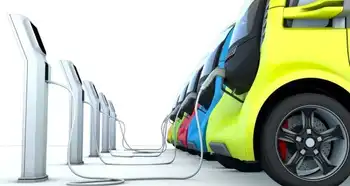
✅ Interim EV mandate: 50% by 2030; 100% zero-emission sales by 2035

✅ $2B fund for clean energy jobs in oil- and gas-reliant communities


Liberal Leader Justin Trudeau vowed to regulate total emissions from Canada’s oil and gas producers as he laid out his first major climate change promises of the campaign Sunday, a plan that was welcomed by several environmental and climate organizations.

Trudeau said that if re-elected, the Liberals will set out regulated five-year targets for emissions from oil and gas production to get them to net-zero emissions by 2050, a goal that, according to an IEA report will require more electricity, but also create a $2 billion fund to create jobs in oil and gas-reliant communities in Alberta, Saskatchewan and Newfoundland and Labrador.

“Let’s be realistic, over a quarter of Canada’s emissions come from our oil and gas sector. We need the leadership of these industries to decarbonize our country,” Trudeau said.

“That’s why we’ll make sure oil and gas emissions don’t increase and instead go down with achievable milestones,” while ensuring local economies can prosper.“

The Liberals are also introducing an interim electric vehicle mandate, which will require half the cars sold in Canada to be zero-emission by 2030, and because cleaning up electricity is critical to meeting climate pledges, the policy pairs with power-sector decarbonization, ahead of the final mandated target of 100 per cent by 2035.

Trudeau spoke in Cambridge, Ont., where protesters once again made an appearance amid a visible police presence. Officers carried one woman off the property when she refused to leave when asked.

Trudeau alluded to the protesters and their actions, which included sounding sirens and chanting expletives, as he defended his government’s record on climate change including progress in the electricity sector nationally, and touted its new plan.

“Sirens in the background may remind us that this is a climate emergency. That’s why we will move faster and be bolder,” he said.

Canada’s largest oilsands producers have already committed to reaching net zero greenhouse gas emissions by 2050, but the policy proposed Sunday “calls the oil companies’ bluff” by making those goals a legislated requirement, said Keith Stewart, senior energy strategist with Greenpeace Canada.

The new timeline for electric vehicles also “sends a clear signal to auto companies to get cracking (and build them here),” he said on Twitter, even as proposals like a fully renewable grid by 2030 are debated today. “We’d like to see this happen faster but the shift away from voluntary targets to requirements is big.”


Merran Smith, executive director of Clean Energy Canada, a climate program at Simon Fraser University, said clean electricity, clean transportation and “phasing out oil and gas with accountable milestones” must be key priorities over the next decade, aligning with Canada’s race to net-zero and the role of renewable energy.

“Today’s announcement, which checks all of these boxes, is not just good ambition_it’s good policy. Policy that will drive down carbon pollution and drive up clean job growth and economic competitiveness. It is policy that will drive Canada forward with cleaner cars, power Canada with clean electricity, and invest in businesses that will last such as battery manufacturing, electric vehicle manufacturing and low carbon steel,” Smith said in an email.

Michael Bernstein, executive director of the climate policy organization Clean Prosperity, said the promises laid out Sunday offer a “strong boost” to the federal government’s previous climate commitments.

He said the organization prefers market incentives such as carbon pricing, that spur innovation over further regulation. But since the largest oilsands companies have already committed to reaching net-zero emissions, he said the newly unveiled policy could provide some support.

“ First, I would encourage the Liberal Party to release independent modelling showing the types of emissions reductions they expect to achieve with their new package of policies. Second, many policies are referred to in general terms so I hope the Liberal Party will provide further details in the coming days,” he said.

“Finally, the document does not specifically mention carbon capture or carbon dioxide removal technologies but both technologies will be critical to achieve some of the pledges in today’s announcement, especially reaching net-zero emissions in the oil a gas sector.”

NDP Leader Jagmeet Singh painted the announcement as the latest in a string of “empty promises” from the Liberals on climate change, saying Canada has the highest increase in greenhouse gas emissions among all G7 countries, and that provinces like B.C. risk missing 2050 targets as well, he argued.

“Climate targets mean nothing when you don’t act on them. We can’t afford more of Justin Trudeau’s empty words on climate change,” he said in a statement.

The Trudeau Liberals submitted new targets to the United Nations in July, promising that Canada will curb emissions by 40 to 45 per cent from 2005 levels by 2030, building on the net-zero by 2050 plan announced earlier, officials say.


Related News

View more

UK Renewable Energy Auction: Boost for Wind and Tidal Power

UK Wind and Tidal Power Auction signals strong CfD support for offshore wind, tidal stream projects, investor certainty, and clean electricity, accelerating the net-zero transition, boosting jobs, and strengthening UK energy security and grid integration.


Key Points

A CfD auction awarding contracts for wind and tidal projects to scale clean power and advance UK net-zero.

✅ Offshore wind dominates CfD awards

✅ Tidal stream gains predictable, reliable capacity

✅ Jobs, investment, and grid integration accelerate


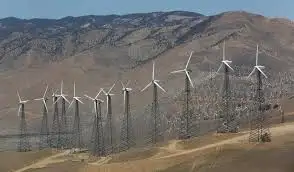
In a significant development for the UK’s renewable energy sector, the latest auction for renewable energy contracts has underscored a transformative shift towards wind and tidal power. As reported by The Guardian, the auction results reveal a strong commitment to expanding these technologies, with new contracts adding 10 GW to the UK grid, marking a pivotal moment in the UK’s transition to cleaner energy sources.

The Auction’s Impact

The renewable energy auction, which took place recently, has allocated contracts for a substantial increase in wind and tidal power projects. This auction, part of the UK’s Contracts for Difference (CfD) scheme, is designed to support the development of low-carbon energy technologies by providing financial certainty to investors. By offering fixed prices for the electricity generated by these projects, the CfD scheme aims to stimulate investment and accelerate the deployment of renewable energy sources.

The latest results are particularly notable for the significant share of contracts awarded to offshore wind farms and tidal power projects, highlighting how offshore wind is powering up the UK as policy and investment priorities continue to shift. This marks a shift from previous auctions, where solar power and onshore wind were the dominant technologies. The move towards supporting offshore wind and tidal power reflects the UK’s strategic focus on harnessing its abundant natural resources to drive the transition to a low-carbon energy system.

Offshore Wind Power: A Major Contributor

Offshore wind power has emerged as a major player in the UK’s renewable energy landscape, within a global market projected to become a $1 trillion business over the coming decades. The recent auction results highlight the continued growth and investment in this sector.

The UK has been a global leader in offshore wind development, with several large-scale projects already operational and more in the pipeline. The auction has further cemented this position, underscoring what the U.S. can learn from the U.K. in scaling offshore wind capacity, with new projects set to contribute significantly to the country’s renewable energy capacity. These projects are expected to deliver substantial amounts of clean electricity, supporting the UK’s goal of achieving net-zero emissions by 2050.

Tidal Power: An Emerging Frontier

Tidal power, although less developed compared to wind and solar, is gaining momentum as a promising renewable energy source, with companies harnessing oceans and rivers to demonstrate practical potential. The auction results have allocated contracts to several tidal power projects, signaling growing recognition of the potential of this technology.

Tidal power harnesses the energy from tidal movements and currents, which are highly predictable and consistent, and a market outlook for wave and tidal energy points to emerging growth drivers and investment. This makes it a reliable complement to intermittent sources like wind and solar power. The inclusion of tidal power projects in the auction reflects the UK’s commitment to diversifying its renewable energy portfolio and exploring all available options for achieving energy security and sustainability.

Economic and Environmental Benefits

The expansion of wind and tidal power projects through the recent auction offers numerous economic and environmental benefits. From an economic perspective, these projects are expected to create thousands of jobs in construction, maintenance, and manufacturing. They also stimulate investment in local economies and support the growth of the green technology sector.

Environmentally, the increased deployment of wind and tidal power contributes to significant reductions in greenhouse gas emissions. Offshore wind farms and tidal power projects produce clean electricity with minimal environmental impact, helping to mitigate the effects of climate change and improve air quality.

Challenges and Future Outlook

Despite the positive outcomes of the auction, there are challenges to address. Offshore wind farms and tidal power projects require substantial upfront investment and face technical and logistical challenges. Issues such as grid integration, environmental impact assessments, and supply chain constraints need to be carefully managed to ensure the successful deployment of these projects.

Looking ahead, the UK’s renewable energy strategy will continue to evolve as new technologies and innovations emerge, and growth despite Covid-19 underscores sector resilience. The success of the latest auction demonstrates the growing confidence in wind and tidal power and sets the stage for further advancements in renewable energy.

The UK government’s commitment to supporting these technologies through initiatives like the CfD scheme is crucial for achieving long-term energy and climate goals. As the country progresses towards its net-zero target, the continued expansion of wind and tidal power will play a key role in shaping a sustainable and resilient energy future.

Conclusion

The latest renewable energy auction represents a significant milestone in the UK’s transition to a low-carbon energy system. By awarding contracts to wind and tidal power projects, the auction underscores the country’s commitment to harnessing diverse and reliable sources of renewable energy. The expansion of offshore wind and the emerging role of tidal power highlight the UK’s strategic approach to achieving energy security, reducing emissions, and driving economic growth. As the renewable energy sector continues to evolve, the UK remains at the forefront of global efforts to build a sustainable and clean energy future.


Related News

View more

Berlin urged to remove barriers to PV

Germany Solar Cap Removal would accelerate photovoltaics, storage, and renewables, replacing coal and nuclear during phaseout with 10GW per year toward 162GW by 2030, boosting grid resilience, O&M jobs, and domestic clean energy growth.


Key Points

A policy change to scrap the 52GW limit, enabling 10GW/year PV and storage to replace coal and nuclear capacity.

✅ Scrap 52GW cap to prevent post-2020 market slump

✅ Add 10GW PV annually; scale residential, commercial, grid storage

✅ Create jobs in planning, installation, and O&M through 2030


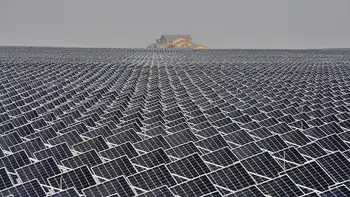
The German Solar Association (BSW) has called on the government to remove barriers to the development of new solar power capacity in Germany and storage capacity needed to replace coal and nuclear generation that is being phased out.

A 52GW cap should be scrapped, otherwise there is a risk that a market slump will occur in the solar industry after 2020, BSW said, especially as U.S. solar expansion plans signal accelerating global demand.

BSW managing director Carsten Körnig said: “Time is running out, and further delays are irresponsible. The 52GW mark will already be reached within a few months.”
A new report from BSW, in cooperation with Bonn-based marketing and social research company EuPD Research and The smarter E Europe initiative, said 10GW a year is needed as well as an increase in battery storage capacity.

This would lead to cumulative photovoltaic capacity of 162GW and 15GW residential, commercial and grid storage systems by 2030, in line with global renewable records being set, leading to new job opportunities.

The number of jobs in the domestic photovoltaic and storage industries could increase to 78,000 by the end of the next decade from today’s level of 26,400, aligning with forecasts of wind and solar reaching 50% by mid-century, said 'The Energy Transition in the Context of the Nuclear and Coal Phaseout – Perspectives in the Electricity Market to 2040' study.

Job growth would take place for the most part in the fields of planning, installation and operations and maintenance of PV systems, as solar uptake in Poland increases, the report said.

In maintenance alone, employment would increase from 9,200 to 26,000, with additional opened up by tapping into the market potential of medium- to long-term storage systems, alongside changing electricity prices in Northern Europe that favor flexibility, it said.

The report added that industry revenue could grow from €5bn to €12.5bn in the coming decade.

The report was supported by BayWa Re E3/DC, Fronius, Goldbeck Solar, IBC Solar, Panasonic, Sharp, Siemens, Sonnen, Suntech, Tesvolt and Varta.


Related News

View more

Town of Gander forgives $250K debt from local curling club

Gander Curling Club Debt Forgiveness Agreement explained: town council tax relief, loan write-off conditions, community benefits, and economic impact, covering long-standing taxes and loans while protecting the facility with asset clauses and compliance terms.


Key Points

Town plan erasing 25 years of tax and loan debt, with conditions to keep the curling facility open for residents.

✅ Conditions: no borrowing against property without consent.

✅ Water and sewer taxes must be paid annually.

✅ If sold or use changes, debt due; transfer for $1.


Gander town council has agreed to forgive the local curling club's debt of over $250,000.

Gina Brown, chair of the town council's finance committee, says the agreement has been put in place to help the curling club survive, amid broader discussions on electricity affordability in Newfoundland and Labrador.

"When we took a look at this and realized there was a significant outstanding debt for Gander curling club … we have to mitigate," Brown told CBC Newfoundland Morning. "[Getting] what the taxpayers are owed, with also understanding and appreciating the role that that recreational facility plays in our community."

According to Brown, the debt comes from a combination of taxes and loans, going back about 25 years. She says the curling club understood there was debt, but didn't know the number was so high. The club has been in the black since 2007, but used their profits for other items like renovations.

"Like so many cases when you're dealing with an organization with a changing board, and the same for council … [people are] coming in and coming out," Brown said. "And as a result, my understanding from the curling club's perspective is they weren't aware of how much was outstanding."

Chris McLeod, president of the Gander Curling Club, told CBC the club had been trying to address the debt since he became president in 2014.

Terms of agreement
The town's agreement with the club comes with the following stipulations:

The club will not use the property as security for any form of borrowing without the town's consent.
 
The club will continue to pay water and sewer tax annually.
 
If the club sells the property, the town reserves the right to void the agreement and the debt will immediately become due in full.
 
If the club stops using the facility as a curling club, the property will be transferred to the town for $1.
McLeod says the club will not attempt to pay back the debt, as it is not part of the agreement. The only way the debt would be paid is if the building is sold, which McLeod says it won't be, and there are also no plans to use the building for anything other than a curling club.

"[The debt] is basically gone now," McLeod said.

McLeod says the move was made to help get the debt off the books, and make sure the curling club can be financially responsible in the future, similar to relief programs some utilities offered during the pandemic.

The curling club is something that encourages people. So we felt that this has to be maintained.
- Gina Brown

Brown says keeping the curling club in Gander is important for the town, and brings different benefits to the area, as regional power cooperation debates illustrate broader trends.

"They are servicing people from as young as Grade 1 to seniors," Brown said. "You need little to no equipment, you need no background. So for the town itself, for its social and health implications, as provinces advance emissions plans that can affect communities, is one. But the other thing is the economic benefit that comes from having this facility here."


The Gander Curling Club's debt forgiveness comes with several conditions. (Google Maps)
The curling club can help attract people into the community, as recreational facilities are often a key draw for families, she added, while other provinces are creating transition funds to support communities.

"When you're as a town, trying to attract people coming in … whether you're a doctor, nurse, anybody looking at the recreational facilities, the curling club is something that encourages people," Brown said. "So we felt that this has to be maintained."

Brown says the town understands they might be setting a precedent with other businesses in forgiving the debts of the curling club, as major infrastructure like B.C.'s Site C dam has faced budget overruns.

"That's another thing we had to consider, what kind of precedents are [we] establishing?" Brown said. "From our standpoint, I think one of the things about this agreement that we felt was beneficial to the town is that they have an asset, helping to avoid costly delays seen with large projects. And the asset is a great building. To us, the taxpayers are in a win-win situation."


Related News

View more

Marine Renewables Canada shifts focus towards offshore wind

Marine Renewables Canada Offshore Wind integrates marine renewables, tidal and wave energy, advancing clean electricity, low-carbon power, supply chain development, and regulatory alignment to scale offshore wind energy projects across Canada's coasts and global markets.


Key Points

An initiative to grow offshore wind using Canada's marine strengths, shared supply chains, and regulatory synergies.

✅ Leverages tidal and wave energy expertise for offshore wind

✅ Aligns supply chain, safety, and regulatory frameworks

✅ Supports low-carbon power and clean electricity goals


With a growing global effort to develop climate change solutions and increase renewable electricity production, including the UK offshore wind growth in recent years, along with Canada’s strengths in offshore and ocean sectors, Marine Renewables Canada has made a strategic decision to grow its focus by officially including offshore wind energy in its mandate.

Marine Renewables Canada plans to focus on similarities and synergies of the resources in order to advance the sector as a whole and ensure that clean electricity from waves, tides, rivers, and offshore wind plays a significant role in Canada’s low-carbon future.

“Many of our members working on tidal energy and wave energy projects also have expertise that can service offshore wind projects both domestically and internationally,” says Tim Brownlow, Chair of Marine Renewables Canada. “For us, offshore wind is a natural fit and our involvement will help ensure that Canadian companies and researchers are gaining knowledge and opportunities in the offshore wind sector as it grows.”

Canada has the longest coastlines in the world, giving it huge potential for offshore wind energy development. In addition to the resource, Canada has significant capabilities from offshore and marine industries that can contribute to offshore wind energy projects. The global offshore wind market is estimated to grow by over 650% by 2030 and presents new opportunities for Canadian business.

“The federal government’s recent inclusion of offshore renewables in legislation, including a plan for regulating offshore wind developed by the government, and support for emerging renewable energy technologies are important steps toward building this industry,” says Elisa Obermann, executive director of Marine Renewables Canada. “There are still challenges to address before we’ll see offshore wind energy development in Canada, but we see a great opportunity to get more involved now, increase our experience, and help inform future development.”

Like wave and tidal energy, offshore wind projects operate in harsh marine environments and development presents many of the same challenges and benefits as it does for other marine renewable energy resources. Marine Renewables Canada has recognized that there is significant overlap between offshore wind and wave and tidal energy when it comes to the supply chain, regulatory issues, and the operating environment. The association plans to focus on similarities and synergies of the resources in order to advance the sector as a whole, leveraging Canada’s opportunity in the global electricity market to ensure that clean electricity from waves, tides, rivers, and offshore wind plays a significant role in Canada’s low-carbon future.


Related News

View more

Ontario Energy Board Sets New Electricity Rate Plan Prices and Support Program Thresholds

OESP Eligibility 2024 updates Ontario electricity affordability: TOU, Tiered, Ultra-Low-Overnight price plans, online bill calculator, higher income thresholds, monthly credits for low-income households, and a winter disconnection ban for residential customers.


Key Points

Raises income thresholds and credits to help low-income Ontarians cut electricity costs and choose suitable price plans.

✅ TOU, Tiered, and ULO price plans with online bill calculator

✅ Income eligibility thresholds raised up to 35% on March 1, 2024

✅ Winter disconnection ban for residences: Nov 15, 2023 to Apr 30, 2024


Residential, small business and farm customers can choose their price plan, either Time-Of-Use (TOU), Tiered or the ultra-low overnight rates price plan available to many customers. The OEB has an online bill calculator to help customers who are considering a switch in price plans and monitoring changes for electricity consumers this year. 

The Government of Ontario announced on Friday, October 19, 2023, that it is raising the income eligibility thresholds that enable Ontarians to qualify for the Ontario Electricity Support Program (OESP) by up to 35 percent. OESP is part of Ontario’s energy affordability framework and other support for electric bills meant to reduce the cost of electricity for low-income households by applying a monthly credit directly on to electricity bills.. The higher income eligibility thresholds will begin on March 1, 2024.

The amount of OESP bill credit is determined by the number of people living in a home and the household’s combined income, and can help offset typical bill increases many customers experience. The current income thresholds cap income eligibility at $28,000 for one-person households and $52,000 for five-person households, and temporary measures like the off-peak price freeze have also influenced bills in recent periods.

The new income eligibility thresholds, which will be in effect beginning March 1, 2024, will allow many more families to access the program as rates are about to change across Ontario.

In addition, under the OEB’s winter disconnection ban, which follows the Nov. 1 rate increase, electricity distributors cannot disconnect residential customers for non-payment from November 15, 2023, to April 30, 2024.


Related News

View more

Sign Up for Electricity Forum’s Newsletter

Stay informed with our FREE Newsletter — get the latest news, breakthrough technologies, and expert insights, delivered straight to your inbox.

Electricity Today T&D Magazine Subscribe for FREE

Stay informed with the latest T&D policies and technologies.
  • Timely insights from industry experts
  • Practical solutions T&D engineers
  • Free access to every issue

Download the 2025 Electrical Training Catalog

Explore 50+ live, expert-led electrical training courses –

  • Interactive
  • Flexible
  • CEU-cerified