Russia To Train Specialists For Iranian Nuclear Plant

By BBC


NFPA 70b Training - Electrical Maintenance

Our customized live online or in‑person group training can be delivered to your staff at your location.

  • Live Online
  • 12 hours Instructor-led
  • Group Training Available
Regular Price:
$699
Coupon Price:
$599
Reserve Your Seat Today
The Russo-Iranian coordination committee meeting in Novovoronezh discussed the training of personnel for the nuclear power plant under construction in Bushehr, Aleksandr Ivanchenko, the director of the training centre, told ITAR-TASS.

Over 700 Iranians will have trained in more than 30 specialities by the time the first reactor of the Bushehr power plant is to go into operation in 2004.

They will include officials who will work in the plant's directorate, Ivanchenko said. More than 400 of them have already completed the studies at the Novovoronezh centre at contemporary facilities and left for home. One hundred people are undergoing training now.

"They are good professionals with university degrees, also from European universities, who have been carefully selected for training," Ivanchenko said.

Related News
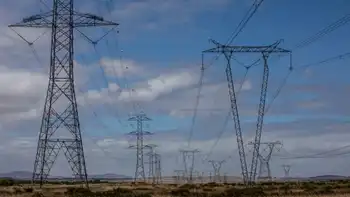
Gaza’s sole electricity plant shuts down after running out of fuel

Gaza Power Plant Shutdown underscores the Gaza Strip's fuel ban, Israeli blockade, and electricity crisis, cutting megawatts, disrupting hospitals and quarantine centers, and exposing fragile energy supply, GEDCO warnings, and public health risks.


Key Points

An abrupt halt of Gaza's sole power plant due to a fuel ban, deepening the electricity crisis and straining hospitals.

✅ Israeli fuel ban halts Gaza's only power plant

✅ Available supply drops far below 500 MW demand

✅ Hospitals and COVID-19 quarantine centers at risk


The only electricity plant in the Gaza Strip shut down yesterday after running out of fuel banned from entering the besieged enclave by the Israeli occupation, Gaza Electricity Distribution Company announced.

“The power plant has shut down completely,” the company said in a brief statement, as disruptions like China power cuts reveal broader grid vulnerabilities.

Israel banned fuel imports into Gaza as part of punitive measures over the launching incendiary balloons from the Strip.

On Sunday, GEDCO warned that the industrial fuel for the electricity plant would run out, mirroring Lebanon's fuel shortage challenges, on Tuesday morning.

Since 2007, the Gaza Strip suffered under a crippling Israeli blockade that has deprived its roughly two million inhabitants of many vital commodities, including food, fuel and medicine, and regional strains such as Iraq's summer electricity needs highlight broader power insecurity.

As a result, the coastal enclave has been reeling from an electricity crisis, similar to when the National Grid warned of short supply in other contexts.

The Gaza Strip needs some 500 megawatts of electricity – of which only 180 megawatts are currently available – to meet the needs of its population, while Iran supplies about 40% of Iraq's electricity in the region.

Spokesman of the Ministry of Health in Gaza, Ashraf Al Qidra, said the lack of electricity undermines offering health services across Gaza’s hospitals.

He also warned that the lack of electricity would affect the quarantine centres used for coronavirus patients, reinforcing the need to keep electricity options open during the pandemic.

Gaza currently has three sources of electricity: Israel, which provides 120 megawatts and is advancing coal use reduction measures; Egypt, which supplies 32 megawatts; and the Strip’s sole power plant, which generates between 40 and 60 megawatts.


Related News

View more

More people are climbing dangerous hydro dams and towers in search of 'social media glory,' utility says

BC Hydro Trespassing Surge highlights risky social media stunts at dams and power stations, with restricted areas breached for selfies, electrocution hazards ignored, and safety signage violated across Buntzen Lake, Jones Lake, and Jordan River.


Key Points

A spike in illegal entries at BC Hydro sites for social media, increasing electrocution and drowning risks.

✅ 200% rise in trespassing over five years

✅ Risks: electrocution, drowning, deadly falls

✅ Obey signage; avoid restricted dam and substation areas


More and more daredevils are climbing onto dangerous dams and power stations to gain likes and social media followers, according to a new report from BC Hydro.

The power provider says it's seen a 200 per cent uptick in trespassing into restricted areas over the past five years, with many of the incidents posted onto sites like YouTube, Facebook and Instagram.

"It's concerning for us because our infrastructure has risk with it," said David Conway, a community relations manager for BC Hydro.

"There's a risk of electrocution in regards to our transmission towers and our substations ... and people can be severely injured, as seen in serious injuries cases, or killed," he said.

The company released a report Tuesday, noting specific incidents of users trespassing onto sites at Buntzen Lake in Anmore, Jones Lake in the Fraser Valley and Jordan River near Victoria; it has also been issuing Site C updates during the pandemic. The incidents ranged from climbing transmission towers to swimming in restricted areas at dam sites.

In a separate matter, an external investigation at Manitoba Hydro has examined alleged assaults by workers.

Conway says annual incidents climbed from a handful to about one dozen, but BC Hydro expects the figures to be even higher. He says many more events likely go unreported.

The report ties the increase in incidents to the pursuit of "social media glory." Between 2011 and 2017, at least 259 people were killed worldwide in selfie-related incidents, according to the Journal of Family Medicine and Primary Care, and a knowledge gap in electrical safety remains a factor. Many of the incidents involved water, electrical equipment or dangerous heights.

In 2018, three social media personalities died after falling off a cliff at Shannon Falls near Squamish, B.C.

North Shore Rescue attributes about 30 per cent of its calls to outdoor users attempting to capture content for social media.

Survey results highlighted in the BC Hydro report show that 15 per cent of British Columbians admit to putting themselves in a dangerous position "to achieve the 'perfect' shot."

Awareness also influences careers, as many young Canadians say they would work in electricity if they knew more.

The survey was conducted online by 800 B.C. residents. For comparison purposes, a probability sample of the same size would yield a margin of error of plus or minus 3.5 per cent, 19 times out of 20.

During the pandemic, the U.S. grid overseer issued a coronavirus warning to highlight operational risks.

Risky activities include standing at the edge of a cliff, knowingly disobeying safety signage or trespassing, or taking a selfie from a dangerous height.

Two per cent of British Columbians admit to injuring themselves in the name of a selfie.

"We want people to stay safe. We want to remind the public to stay a safe distance away from our infrastructure, and follow safety guidance near downed lines, as electricity and generating facilities can be dangerous," said Conway.

BC Hydro is urging all visitors to obey signage, steer clear of power-generating equipment and to stay on designated trails.


Related News

View more

TC Energy confirms Ontario pumped storage project is advancing

Ontario Pumped Storage advances as Ontario's largest energy storage project, delivering clean electricity, long-duration capacity, and grid reliability for peak demand, led by TC Energy and Saugeen Ojibway Nation, with IESO review underway.


Key Points

A long-duration storage project in Meaford storing clean power for peak demand, supporting Ontario's emission-free grid.

✅ Stores clean electricity to power 1M homes for 11 hours

✅ Partnership: TC Energy and Saugeen Ojibway Nation

✅ Pending IESO review and OEB regulation decisions


In a bid to accelerate the province's ambitions for clean economic growth, TC Energy Corporation has announced significant progress in the development of the Ontario Pumped Storage Project. The Government of Ontario in Canada has unveiled a plan to address growing energy needs as a sustainable road map aimed at achieving an emission-free electricity sector, and as part of this plan, the Ministry of Energy is set to undertake a final evaluation of the proposed Ontario Pumped Storage Project. A decision is expected to be reached by the end of the year.

Ontario Pumped Storage is a collaborative effort between TC Energy and the Saugeen Ojibway Nation. The project is designed to be Ontario's largest energy storage initiative, capable of storing clean electricity to power one million homes for 11 hours. As the province strives to transition to a cleaner electricity grid by embracing clean power across sectors, long duration storage solutions like Ontario Pumped Storage will play a pivotal role in providing reliable, emission-free power during peak demand periods.

The success of the Project hinges on the approval of TC Energy's board of directors and a fruitful partnership agreement with the Saugeen Ojibway Nation. TC Energy is aiming for a final investment decision in 2024, as Ontario confronts an electricity shortfall in the coming years, with the anticipated in-service date being in the early 2030s, pending regulatory and corporate approvals.

“Ontario Pumped Storage will be a critical component of Ontario’s growing clean economy and will deliver significant benefits and savings to consumers,” said Corey Hessen, Executive Vice-President and President, TC Energy, Power and Energy Solutions. “Ontario continues to attract major investments that will have large power needs — many of which are seeking zero-emission energy before they invest. We are pleased the government is advancing efforts to recognize the significant role that long duration storage plays — firming resources, including new gas plants under provincial consideration, will become increasingly valuable in supporting a future emission-free electricity system.” 

The Municipality of Meaford also expressed its support for the project, recognizing the positive impact it could have on the local economy and the overall electricity system of Ontario. Additionally, various stakeholders, including LiUNA OPDC, LiUNA Local 183, and the Ontario Chamber of Commerce, lauded the potential for job creation, training opportunities, and resilient energy infrastructure as Ontario seeks new wind and solar power to ease a coming electricity supply crunch.

The timeline for Ontario Pumped Storage's progress includes a final analysis by the Independent Electricity System Operator (IESO) to confirm its role in Ontario's electricity system and in balancing demand and emissions during the transition, to be completed by 30 September 2023. Concurrently, the Ministry of Energy will engage in consultations on the potential regulation of the Project via the Ontario Energy Board, while debates over clean, affordable electricity intensify ahead of the Ontario election, with a final determination scheduled for 30 November 2023.


Related News

View more

EV Sales Still Behind Gas Cars

U.S. EV and Hybrid Sales 2024 show slower adoption versus gas-powered cars, as charging infrastructure gaps, range anxiety, higher upfront costs, and affordability concerns persist despite incentives, battery tech advances, and expanding fast-charging networks.


Key Points

They represent 10-15% of U.S. car sales, lagging gas models due to costs, charging gaps, range anxiety, and access.

✅ 10-15% of U.S. auto sales; gas cars dominate

✅ Barriers: upfront cost, limited charging, range anxiety

✅ Incentives, battery tech, and networks may boost adoption


Sales of hybrid and electric vehicles (EVs) in the U.S. are continuing to trail behind traditional gas-powered vehicles in 2024, despite significant advancements in automotive technology and growing public awareness of environmental concerns. While the electric vehicle market has seen steady growth and recent sales momentum over the past few years, the gap between EVs and gasoline-powered cars remains wide.

In 2024, hybrid and electric vehicles are projected to account for roughly 10-15% of total car sales in the U.S., a figure that, though significant, still lags far behind the sales of gas-powered vehicles and follows a Q1 2024 EV market share dip in the U.S., according to recent data. Analysts point to several factors contributing to this slower adoption rate, including higher upfront costs, limited charging infrastructure, and consumer concerns over range anxiety. Additionally, while EVs and hybrids offer lower lifetime operating costs, the initial price difference remains a hurdle for many prospective buyers.

One of the key challenges for EV sales continues to be the perception of cost, even as analyses show they can be better for the planet and often your budget over time. While federal and state incentives have made EVs more affordable, especially for lower-income buyers, the price tag for many electric models remains steep, particularly for higher-end vehicles. Even with government rebates, EVs can still be priced higher than their gasoline counterparts, making them less accessible for middle-class consumers. Many potential buyers are also hesitant to make the switch, unsure if the long-term savings will outweigh the initial investment.

Another critical factor is the limited charging infrastructure in many parts of the country. Though major cities have seen significant improvements in charging stations, rural areas and smaller towns still lack the necessary infrastructure to support widespread EV use. This uneven distribution of charging stations leads to concerns about being stranded in areas without access to fast-charging options. While automakers are working on expanding charging networks, the pace of this development is slow, and EVs won't go mainstream until key problems are fixed according to industry leaders.

Range anxiety is also a continuing issue, despite improvements in battery technology. Though newer electric vehicles can go further on a single charge than ever before, the range of many EVs still doesn't meet the expectations of some drivers, particularly those who regularly take long road trips or live in rural areas. The longer charging times and the necessity of planning routes around charging stations add to the hesitation, especially when gasoline-powered vehicles provide greater convenience and flexibility.

The shift toward EVs is further hindered by the continued dominance of gas-powered cars in the market. Gasoline vehicles benefit from decades of development, an extensive fueling infrastructure, and familiarity with the technology. For many consumers, the convenience, affordability, and ease of use of gas-powered vehicles still outweigh the benefits of switching to an electric alternative. Additionally, with fluctuating fuel prices, many drivers continue to find gas-powered cars relatively cost-effective in terms of daily commuting, especially when compared to the current costs of EV ownership.

Despite these challenges, there is hope for a future shift. The federal government’s push for stricter emissions regulations and tax incentives continues to fuel growth in the electric vehicle market. As automakers ramp up production and more affordable options become available, EV sales are expected to increase in the coming years. Companies like Tesla, Ford, whose hybrids are getting a boost, and General Motors are leading the charge, while new manufacturers like Rivian and Lucid Motors are offering alternatives to traditional gasoline vehicles.

Furthermore, the development of new technologies, such as solid-state batteries and faster charging systems, could help alleviate some of the current drawbacks of electric vehicles. If these advancements reach mass-market production in the next few years, they could help make EVs a more attractive and practical option for consumers, aligning with within-a-decade adoption forecasts from some industry observers.

In conclusion, while hybrid and electric vehicles are growing in popularity, gas-powered vehicles continue to dominate the U.S. car market in 2024. Challenges such as high upfront costs, limited charging infrastructure, and concerns about range persist, making it difficult for many consumers to make the switch to electric even as they ask if it's time to buy an EV in 2024. However, with continued investment in technology and infrastructure, the gap between EVs and gas-powered vehicles could narrow in the years to come.


Related News

View more

Told "no" 37 times, this Indigenous-owned company brought electricity to James Bay anyway

Five Nations Energy Transmission Line connects remote First Nations to the Ontario power grid, delivering clean, reliable electricity to Western James Bay through Indigenous-owned transmission infrastructure, replacing diesel generators and enabling sustainable community growth.


Key Points

An Indigenous-owned grid link providing reliable power to Western James Bay First Nations, replacing polluting diesel.

✅ Built by five First Nations; fully Indigenous-owned utility

✅ 270 km line connecting remote James Bay communities

✅ Ended diesel dependence; enabled sustainable development


For the Indigenous communities along northern Ontario’s James Bay — the ones that have lived on and taken care of the lands as long as anyone can remember — the new millenium marked the start of a diesel-less future, even as Ontario’s electricity outlook raised concerns about getting dirtier in policy debates. 

While the southern part of the province took Ontario’s power grid for granted, despite lessons from Europe’s power crisis about reliability, the vast majority of these communities had never been plugged in. Their only source of power was a handful of very loud diesel-powered generators. Because of that, daily life in the Attawapiskat, Kashechewan and Fort Albany First Nations involved deliberating a series of tradeoffs. Could you listen to the radio while toasting a piece of bread? How many Christmas lights could you connect before nothing else was usable? Was there enough power to open a new school? 

The communities wanted a safe, reliable, clean alternative, with Manitoba’s clean energy illustrating regional potential, too. So did their chiefs, which is why they passed a resolution in 1996 to connect the area to Ontario’s grid, not just for basic necessities but to facilitate growth and development, and improve their communities’ quality of life. 

The idea was unthinkable at the time — scorned and dismissed by those who held the keys to Ontario’s (electrical) power, much like independent power projects can be in other jurisdictions. Even some in the community didn’t fully understand it. When the idea was first proposed at a gathering of Nishnawbe Aski Nation, which represents 49 First Nations, one attendee said the only way he could picture the connection was as “a little extension cord running through the bush from Moosonee.” 

But the leadership of Attawapiskat, Kashechewan and Fort Albany First Nations had been dreaming and planning. In 1997, along with members of Taykwa Tagamou and Moose Cree First Nations, they created the first, and thus far only, fully Indigenous-owned energy company in Canada: Five Nations Energy Inc., as partnerships like an OPG First Nation hydro project would later show in action, too. 

Over the next five years, the organization built Omushkego Ishkotayo, the Cree name for the Western James Bay transmission line: “Omushkego” refers to the Swampy Cree people, and “Ishkotayo” to hydroelectric power, while other regions were commissioning new BC generating stations in parallel. The 270-kilometre-long transmission line is in one of the most isolated regions of Ontario, one that can only be accessed by plane, except for a few months in winter when ice roads are strong enough to drive on. The project went online in 2001, bringing reliable power to over 7,000 people who were previously underserved by the province’s energy providers. It also, somewhat controversially, enabled Ontario’s first diamond mine in Attawapiskat territory.

The future the First Nations created 25 years ago is blissfully quiet, now that the diesel generators are shut off. “When the power went on, you could hear the birds,” Patrick Chilton, the CEO of Five Nations Energy, said with a smile. “Our communities were glowing.”

Power, politics and money: Five Nations Energy needed government, banks and builders on board
Chilton took over in 2013 after the former CEO, his brother Ed, passed away. “This was all his idea,” Chilton told The Narwhal in a conversation over Zoom from his office in Timmins, Ont. The company’s story has never been told before in full, he said, because he felt “vulnerable” to the forces that fought against Omushkego Ishkotayo or didn’t understand it, a dynamic underscored by Canada’s looming power problem reporting in recent years. 

The success of Five Nations Energy is a tale of unwavering determination and imagination, Chilton said, and it started with his older brother. “Ed was the first person who believed a transmission line was possible,” he said.

In a Timmins Daily Press death notice published July 2, 2013, Ed Chilton is described as having “a quiet but profound impact on the establishment of agreements and enterprises benefitting First Nations peoples and their lands.” Chilton doesn’t describe him that way, exactly. 

“If you knew my brother, he was very stubborn,” he said. A certified engineering technologist, Ed was a visionary whose whole life was defined by the transmission line. He was the first to approach the chiefs with the idea, the first to reach out to energy companies and government officials and the one who persuaded thousands of people in remote, underserved communities that it was possible to bring power to their region.

After that 1996 meeting of Nishnawbe Aski Nation, there came a four-year-long effort to convince the rest of Ontario, and the country, the project was possible and financially viable. The chiefs of the five First Nations took their idea to the halls of power: Queen’s Park, Parliament Hill and the provincial power distributor Hydro One (then Ontario Hydro). 

“All of them said no,” Chilton said. “They saw it as near to impossible — the idea that you could build a transmission line in the ‘swamp,’ as they called it.” The Five Nations Energy team kept a document at the time tracking how many times they heard no; it topped out at 37. 

One of the worst times was in 1998, at a meeting on the 19th floor of the Ontario Hydro building in the heart of downtown Toronto. There, despite all their preparation and planning, a senior member of the Ontario Hydro team told Chilton, Martin and other chiefs “you’ll build that line over my dead body,” Chilton recalled. 

At the time, Chilton said, Ontario Hydro was refusing to cooperate: unwilling to let go of its monopoly over transmission lines, but also saying it was unable to connect new houses in the First Nations to diesel generators it said were at maximum capacity. (Ontario Hydro no longer exists; Hydro One declined to comment.)

“There’s always naysayers no matter what you’re doing,” Martin said. “What we were doing had never been done before. So of course people were telling us how we had never managed something of this size or a budget of this size.” 

“[Our people] basically told them to blow it up your ass. We can do it,” Chilton said.

So the chiefs of the five nations did something they’d never done before: they went to all of the big banks and many, many charitable foundations trying to get the money, a big ask for a project of this scale, in this location. Without outside support, their pitch was that they’d build it themselves.

This was the hardest part of the process, said Lawrence Martin, the former Grand Chief of Mushkegowuk Tribal Council and a member of the Five Nations Energy board. “We didn’t know how to finance something like this, to get loans,” he told The Narwhal. “That was the toughest task for all of us to achieve.”

Eventually, they got nearly $50 million in funding from a series of financial organizations including the Bank of Montreal, Pacific and Western Capital, the Northern Ontario Heritage Fund Corporation (an Ontario government agency) and the engineering and construction company SNC Lavalin, which did an assessment of the area and deemed the project viable. 

And in 1999, Ed Chilton, other members of the Chilton family and the chiefs were able to secure an agreement with Ontario Hydro that would allow them to buy electricity from the province and sell it to their communities. 


Related News

View more

Berlin Electric Utility Wins National Safety Award

Berlin Electric Utility APPA Safety Award recognizes Gold Designation performance in public power, highlighting OSHA-aligned incident rates, robust safety culture, worker safety training, and operational reliability that keeps the community's electric service resilient.


Key Points

A national honor for Berlin's Gold Designation recognizing safety performance, worker protection, and reliable service.

✅ Gold Designation in 15,000-29,999 worker hours APPA category

✅ OSHA-based incident rate and robust safety culture

✅ Training, PPE, and reliability focus in public power operations


The Town of Berlin Electric Utility Department has been recognized for its outstanding safety practices with the prestigious Safety Award of Excellence from the American Public Power Association (APPA), a distinction also reflected in Medicine Hat Electric Utility for health and safety excellence, highlighting industry-wide commitment to worker protection.

Recognition for Excellence

In an era when workplace safety is a critical concern, with organizations highlighting leadership in worker safety across the sector, the Town of Berlin Electric Utility Department’s achievement stands out. The department earned the Gold Designation award in the category for utilities with 15,000 to 29,999 worker hours of annual worker exposure. This category is part of the APPA’s annual Safety Awards, which are designed to recognize the safety performance of public power utilities across the United States.

Out of more than 200 utilities that participated in the 2024 Safety Awards, Berlin's Electric Utility Department distinguished itself with an exemplary safety record. The utility’s ranking was based on its low incidence of work-related injuries and illnesses, alongside its robust safety programs and strong safety culture.

What the Award Represents

The Safety Award of Excellence is given to utilities that demonstrate effective safety protocols and practices over the course of the year. The APPA evaluates utilities based on their incident rate, which is calculated using the number of work-related reportable injuries or illnesses relative to worker hours. This measurement adheres to guidelines established by the Occupational Safety and Health Administration (OSHA), ensuring a standardized approach to assessing safety.

For the Town of Berlin Electric Utility Department, achieving the Gold Designation award signifies a year of outstanding safety performance. The award reflects the department’s dedication to preventing accidents and creating a work environment where safety is prioritized at every level.

Why Safety Matters

For utilities like the one in Berlin, safety is not just about preventing injuries—it's about fostering a culture of care and responsibility. Electric utility workers face unique and significant risks, ranging from the dangers of working with high-voltage systems, including hazards near downed power lines that require extreme caution, to the physical demands of the job. A utility’s ability to minimize these risks and keep its workforce safe is a direct reflection of its safety practices, training, and overall management.

The commitment to safety extends beyond just the immediate work environment. Utilities that place a high value on safety typically invest in ongoing training, safety gear, and processes, and even contingency measures like staff living on site during outbreaks, that ensure all employees are well-prepared to handle the challenges of their roles. The Town of Berlin Electric Utility Department has taken these steps seriously, providing its workers with the resources they need to stay safe while maintaining the power supply for the local community.

The Importance of Worker Safety in Public Power

The American Public Power Association’s Safety Award program highlights the best practices in public utilities, which, as the U.S. grid overseer's pandemic warning reminded the sector, play a crucial role in providing essential services to communities across the country. Public power utilities, like Berlin’s, are governed by local or municipal entities rather than for-profit corporations, which often allows them to have a closer relationship with their communities. As a result, these utilities often go above and beyond when it comes to worker safety, understanding that the well-being of employees directly impacts the quality of service provided to residents.

For the Town of Berlin, this award not only highlights the utility's commitment to its employees but also reinforces the importance of the work that public utilities do in keeping communities safe and powered. Berlin's recognition underscores the significance of maintaining a safe work environment, especially when the safety of first responders and utility workers, as seen when nuclear plant workers raised concerns over virus precautions, directly impacts the public’s access to reliable services.

What’s Next for Berlin’s Electric Utility Department

Receiving the Safety Award of Excellence is a remarkable achievement, but for the Town of Berlin Electric Utility Department, it’s not the end of their safety journey—it’s just one more step in their ongoing commitment to improvement. The department’s leadership, including the safety team, has emphasized the importance of continually evaluating and enhancing safety protocols to stay ahead of potential risks. This includes adopting new safety technologies, refining training programs, and ensuring that all employees are involved in the process of safety.

As the Town of Berlin looks forward to the future, its focus on worker safety will remain a top priority. Maintaining this level of safety is not only crucial for the health and well-being of employees but also for ensuring the continued success of the community’s utility services.

Community Impact

This recognition also serves as an example for other utilities in the region and across the country. By prioritizing safety, the Town of Berlin Electric Utility Department sets a standard that other utilities can aspire to. In a time when worker safety is more important than ever, Berlin’s commitment to best practices provides a model for others to follow.

Ultimately, the safety of utility workers is a reflection of a community’s dedication to its workforce and its commitment to providing reliable, uninterrupted services. For the residents of Berlin, the recognition of their local electric utility department’s safety practices means that they can continue to rely on a safe, secure, and resilient power infrastructure, while staying mindful of home risks such as overheated power strips that can spark fires.


Related News

View more

Sign Up for Electricity Forum’s Newsletter

Stay informed with our FREE Newsletter — get the latest news, breakthrough technologies, and expert insights, delivered straight to your inbox.

Electricity Today T&D Magazine Subscribe for FREE

Stay informed with the latest T&D policies and technologies.
  • Timely insights from industry experts
  • Practical solutions T&D engineers
  • Free access to every issue

Live Online & In-person Group Training

Advantages To Instructor-Led Training – Instructor-Led Course, Customized Training, Multiple Locations, Economical, CEU Credits, Course Discounts.

Request For Quotation

Whether you would prefer Live Online or In-Person instruction, our electrical training courses can be tailored to meet your company's specific requirements and delivered to your employees in one location or at various locations.