By Reuters


High Voltage Maintenance Training Online

Our customized live online or in‑person group training can be delivered to your staff at your location.

  • Live Online
  • 12 hours Instructor-led
  • Group Training Available
Regular Price:
$599
Coupon Price:
$499
Reserve Your Seat Today
Spain's REE could eye taking REN stake in future

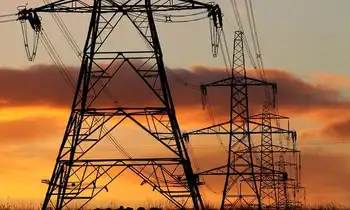
MADRID - Spanish power grid operator REE said recently it could look into taking a stake in its Portuguese counterpart REN in the future, although it had no immediate plans to do so.=

Taking a stake in REN would ease a planned integration of Spain and Portugal's energy market. The amalgamtion would be set for the second half of 2004 if Lisbon follow's Spain's lead and liberalizes its energy market after several delays.

REE said it could consider buying a stake in REN in the future, a company spokesman told Reuters.

"At the moment we're not considering it."

Analysts have been wondering whether REE would buy a stake in REN since state-controlled Electricidade de Portugal said recently it would cut its stake in the firm to five percent from the 30 percent it now holds.

The Portuguese government owns the remaining 70 percent of REN. EDP did not say when it would reduce its stake but Portugal has pledged to liberalize its energy market from July 1, 2004.

REE's main shareholder is the government, with 28.5 percent, while Spain's top five power utilities each hold between one and three percent.

Related News
Scientists Built a Genius Device That Generates Electricity 'Out of Thin Air'

Air-gen Protein Nanowire Generator delivers clean energy by harvesting ambient humidity via Geobacter-derived conductive nanowires, generating continuous hydrovoltaic electricity through moisture gradients, electrodes, and proton diffusion for sustainable, low-waste power in diverse climates.


Key Points

A device using Geobacter protein nanowires to harvest humidity, producing continuous DC power via proton diffusion.

✅ 7 micrometer film between electrodes adsorbs water vapor.

✅ Output: ~0.5 V, 17 uA/cm2; stack units to scale power.

✅ Geobacter optimized via engineered E. coli for mass nanowires.


They found it buried in the muddy shores of the Potomac River more than three decades ago: a strange "sediment organism" that could do things nobody had ever seen before in bacteria.

This unusual microbe, belonging to the Geobacter genus, was first noted for its ability to produce magnetite in the absence of oxygen, but with time scientists found it could make other things too, like bacterial nanowires that conduct electricity.

For years, researchers have been trying to figure out ways to usefully exploit that natural gift, and they might have just hit pay-dirt with a device they're calling the Air-gen. According to the team, their device can create electricity out of… well, almost nothing, similar to power from falling snow reported elsewhere.

"We are literally making electricity out of thin air," says electrical engineer Jun Yao from the University of Massachusetts Amherst. "The Air-gen generates clean energy 24/7."

The claim may sound like an overstatement, but a new study by Yao and his team describes how the air-powered generator can indeed create electricity with nothing but the presence of air around it. It's all thanks to the electrically conductive protein nanowires produced by Geobacter (G. sulfurreducens, in this instance).

The Air-gen consists of a thin film of the protein nanowires measuring just 7 micrometres thick, positioned between two electrodes, referencing advances in near light-speed conduction in materials science, but also exposed to the air.

Because of that exposure, the nanowire film is able to adsorb water vapour that exists in the atmosphere, offering a contrast to legacy hydropower models, enabling the device to generate a continuous electrical current conducted between the two electrodes.

The team says the charge is likely created by a moisture gradient that creates a diffusion of protons in the nanowire material.

"This charge diffusion is expected to induce a counterbalancing electrical field or potential analogous to the resting membrane potential in biological systems," the authors explain in their study.

"A maintained moisture gradient, which is fundamentally different to anything seen in previous systems, explains the continuous voltage output from our nanowire device."

The discovery was made almost by accident, when Yao noticed devices he was experimenting with were conducting electricity seemingly all by themselves.

"I saw that when the nanowires were contacted with electrodes in a specific way the devices generated a current," Yao says.

"I found that exposure to atmospheric humidity was essential and that protein nanowires adsorbed water, producing a voltage gradient across the device."

Previous research has demonstrated hydrovoltaic power generation using other kinds of nanomaterials – such as graphene-based systems now under study – but those attempts have largely produced only short bursts of electricity, lasting perhaps only seconds.

By contrast, the Air-gen produces a sustained voltage of around 0.5 volts, with a current density of about 17 microamperes per square centimetre, and complementary fuel cell solutions can help keep batteries energized, with a current density of about 17 microamperes per square centimetre. That's not much energy, but the team says that connecting multiple devices could generate enough power to charge small devices like smartphones and other personal electronics – concepts akin to virtual power plants that aggregate distributed resources – all with no waste, and using nothing but ambient humidity (even in regions as dry as the Sahara Desert).

"The ultimate goal is to make large-scale systems," Yao says, explaining that future efforts could use the technology to power homes via nanowire incorporated into wall paint, supported by energy storage for microgrids to balance supply and demand.

"Once we get to an industrial scale for wire production, I fully expect that we can make large systems that will make a major contribution to sustainable energy production."

If there is a hold-up to realising this seemingly incredible potential, it's the limited amount of nanowire G. sulfurreducens produces.

Related research by one of the team – microbiologist Derek Lovley, who first identified Geobacter microbes back in the 1980s – could have a fix for that: genetically engineering other bugs, like E. coli, to perform the same trick in massive supplies.

"We turned E. coli into a protein nanowire factory," Lovley says.

"With this new scalable process, protein nanowire supply will no longer be a bottleneck to developing these applications."


Related News

View more

Blood Nickel and Canada's Role in Global Mining Sustainability

Blood Nickel spotlights ethical sourcing in the EV supply chain, linking nickel mining to human rights, environmental impact, ESG standards, and Canadian leadership in sustainable extraction, transparency, and community engagement across global battery materials markets.


Key Points

Blood Nickel is nickel mined under unethical or harmful conditions, raising ESG, human rights, and environmental risks.

✅ Links EV battery supply chains to social and environmental harm

✅ Calls for transparency, traceability, and ethical sourcing standards

✅ Highlights Canada's role in sustainable mining and community benefits


The rise of electric vehicles (EVs) has sparked a surge in demand for essential battery components, particularly nickel, and related cobalt market pressures essential for their batteries. This demand has ignited concerns about the environmental and social impacts of nickel mining, particularly in regions where standards may not meet global sustainability benchmarks. This article explores the concept of "blood nickel," its implications for the environment and communities, and Canada's potential role in promoting sustainable mining practices.

The Global Nickel Boom

As the automotive industry shifts towards electric vehicles, nickel has emerged as a critical component for lithium-ion batteries due to its ability to store energy efficiently. This surge in demand has led to a global scramble for nickel, with major producers ramping up extraction efforts to meet market needs amid EV shortages and wait times that underscore supply constraints. However, this rapid expansion has raised alarms about the environmental consequences of nickel mining, including deforestation, water pollution, and carbon emissions from energy-intensive extraction processes.

Social Impacts: The Issue of "Blood Nickel"

Beyond environmental concerns, the term "blood nickel" has emerged to describe nickel mined under conditions that exploit workers, disregard human rights, or fail to uphold ethical labor standards. In some regions, nickel mining has been linked to issues such as child labor, unsafe working conditions, and displacement of indigenous communities. This has prompted calls for greater transparency and accountability in global supply chains, with initiatives like U.S.-ally efforts to secure EV metals aiming to align sourcing standards, to ensure that the benefits of EV production do not come at the expense of vulnerable populations.

Canada's Position and Potential

Canada, home to significant nickel deposits, stands at a pivotal juncture in the global EV revolution, supported by EV assembly deals in Canada that strengthen domestic manufacturing. With its robust regulatory framework, commitment to environmental stewardship, and advanced mining technologies, Canada has the potential to lead by example in sustainable nickel mining practices. Canadian companies are already exploring innovations such as cleaner extraction methods, renewable energy integration, and community engagement initiatives to minimize the environmental footprint and enhance social benefits of nickel mining.

Challenges and Opportunities

Despite Canada's potential, the mining industry faces challenges in balancing economic growth with environmental and social responsibility and building integrated supply chains, including downstream investments like a battery plant in Niagara that can connect materials to markets. Achieving sustainable mining practices requires collaboration among governments, industry stakeholders, and local communities to establish clear guidelines, monitor compliance, and invest in responsible resource development. This approach not only mitigates environmental impacts but also fosters long-term economic stability and social well-being in mining regions.

Pathways to Sustainability

Moving forward, Canada can play a pivotal role in shaping the global nickel supply chain by promoting transparency, ethical sourcing, and environmental stewardship. This includes advocating for international standards that prioritize sustainable mining practices, supporting research and development of cleaner technologies, and leveraging adjacent resources such as Alberta lithium potential to diversify battery supply chains, while fostering partnerships with global stakeholders to ensure a fair and equitable transition to a low-carbon economy.

Conclusion

The rapid growth of electric vehicles has propelled nickel into the spotlight, highlighting both its strategic importance and the challenges associated with its extraction. As global demand for "green" metals intensifies, addressing the concept of "blood nickel" becomes increasingly urgent, even as trade measures like tariffs on Chinese EVs continue to reshape market incentives. Canada, with its rich nickel reserves and commitment to sustainability, has an opportunity to lead the charge towards ethical and responsible mining practices. By leveraging its strengths in innovation, regulation, and community engagement, Canada can help forge a path towards a more sustainable future where electric vehicles drive progress without compromising environmental integrity or social justice.


Related News

View more

Opinion: With deregulated electricity, no need to subsidize nuclear power

Pennsylvania Electricity Market Deregulation has driven competitive pricing, leveraged low-cost natural gas, and spurred private investment, jobs, and efficient power plants, while nuclear subsidies threaten wholesale market signals and long-term consumer savings.


Key Points

Policy that opens generation to competition, leverages cheap gas, lowers rates, and resists subsidies for nuclear plants.

✅ Competitive wholesale pricing benefits consumers statewide

✅ Gas-driven plants add efficient, flexible capacity and jobs

✅ Nuclear subsidies distort market signals and raise costs


For decades, the government regulation of Pennsylvania's electricity markets dictated all aspects of power generation resources in the state, thus restricting market-driven prices for consumers and hindering new power plant development and investment.

Deregulation has enabled competitive markets to drive energy prices downward, as recent grid auction payouts fell 64% indicate, which has transformed Pennsylvania from a higher-electricity-cost state to one with prices below the national average.

Recently, the economic advantage of abundant low-cost natural gas has spurred an influx of billions of dollars of private capital investment and thousands of jobs to construct environmentally responsible natural gas power generation facilities throughout the commonwealth — including our three power generation facilities in operation and one presently under construction.

Calpine is an independent power provider with a national portfolio of 80 highly efficient power plants in operation or under construction with an electric generating capacity of approximately 26,000 megawatts. Collectively, these resources can provide sufficient power for more than 30 million residential homes. We are not a regulated utility receiving a guaranteed rate of return on investment. Rather, Calpine competes to sell wholesale power into the electric markets, and the economics of supply and demand are fundamental to the success of our business.

Pennsylvania's deregulated electricity market is working. Consumers are benefiting from low-cost natural gas, as broader evidence shows competition benefits consumers and the environment across markets, and companies such as Calpine are investing billions of dollars and creating thousands of jobs to build advanced, energy efficient, environmentally responsible and flexible power generating facilities.

There are presently seven electric generating projects under construction in the commonwealth, representing about a $7 billion capital investment that will produce about 7,000 megawatts of efficient electrical power, with additional facilities being planned.

Looking back 20 years following the enactment of the Pennsylvania Electricity Generation Customer Choice and Competition Act, Pennsylvania's regulators and policymakers must conclude that the results of a free and fair market-driven structure have delivered indisputable benefits to the consumer, even amid potential winter rate spikes for residents, and the Pennsylvania economy.

While consumers are now reaping the benefits of open and competitive electricity markets, we see challenges on the horizon that could threaten the foundation of those markets. Due to pressure from nuclear power generators, state policymakers throughout the nation have been increasing efforts to impact the generation mix in their respective states by offering ratepayer funded subsidies to existing nuclear generation resources or by considering a market structure overhaul in New England.

Subsidizing one power generation type over others is having a significant, negative impact on wholesale electric markets, competitive retails markets and ultimately the cost the consumer will have to pay, and can exacerbate disruptions in coal and nuclear industries that strain the economy and risk brownouts.

In Pennsylvania, these subsidies would follow nearly $9 billion already paid by ratepayers to help the commonwealth's nuclear industry transition from regulated to competitive energy markets.

The deregulation of Pennsylvania's electricity markets in the late 1990s allowed the nuclear industry to receive billions of dollars from ratepayers to recover "stranded costs" related to investments in the commonwealth's nuclear plants. These costs were negotiated amounts based on settlements with Pennsylvania's Public Utility Commission to allow the nuclear industry to prepare and transition to competitive electricity markets.

Enough is enough. Regulatory or governmental interference in well functioning markets does not lead to better outcomes. Pennsylvania's state Legislature should not pick winners and losers by enacting legislation that would create an uneven playing field that subsidizes nuclear generating resources in the commonwealth.

William Ferguson is regional vice president for Calpine Corp.


Related News

View more

Tesla Expands Charging Network in NYC

Tesla NYC Supercharger Expansion adds rapid EV charging across Manhattan, Brooklyn, and Queens, strengthening infrastructure, easing range anxiety, and advancing New York City sustainability goals with fast chargers at strategic commercial and residential-adjacent locations.


Key Points

Tesla's plan to add rapid EV charging across NYC, boosting access, easing range anxiety, and advancing climate targets.

✅ New Superchargers in Manhattan, Brooklyn, and Queens

✅ Faster charging to cut downtime and range anxiety

✅ Partnerships with businesses to expand public access


In a significant move to enhance the EV charging infrastructure across the city, Tesla has announced plans to expand its network of charging stations throughout New York City. This investment is set to bolster the availability of charging options, making it more convenient for EV owners while encouraging more residents to consider electric vehicles as a viable alternative to traditional gasoline-powered cars.

The Growing Need for Charging Infrastructure

As the demand for electric vehicles continues to rise amid the American EV boom across the country, the need for a robust charging infrastructure has become increasingly critical. With New York City setting ambitious goals to reduce greenhouse gas emissions, the expansion of EVs is seen as a crucial component of its sustainability strategy. Currently, the city aims to have 50% of all vehicles electrified by 2030, a target that necessitates a significant increase in charging stations.

Tesla’s initiative to install more charging points in NYC aligns perfectly with these goals and reflects how charging networks are competing nationwide to expand access, drawing more drivers to consider electric vehicles. By enhancing the charging network, Tesla is not only catering to its existing customers but also appealing to potential EV buyers who may have previously hesitated due to range anxiety or limited charging options.

A Look at the Expansion Plans

The details of Tesla's expansion include adding several new Supercharger stations across key locations in Manhattan, Brooklyn, and Queens, as US automakers move to build 30,000 public chargers nationwide to boost coverage. These stations will be strategically placed to ensure maximum accessibility, especially in densely populated areas where residents may not have easy access to home charging.

Tesla’s Superchargers are known for their rapid charging capabilities, allowing EV drivers to recharge their vehicles in a fraction of the time it would take at a standard charging station. This efficiency will be particularly beneficial in a bustling urban environment like NYC, where convenience and time are of the essence.

Moreover, Tesla is also exploring partnerships with local businesses and property owners to install charging stations at commercial locations. This initiative would not only create more charging opportunities but also encourage businesses to attract EV-driving customers, further promoting electric vehicle adoption.

Impact on EV Adoption in NYC

The expansion of Tesla's charging network is expected to have a positive ripple effect on the adoption of electric vehicles in New York City. With more charging stations available, potential buyers will feel more confident in making the switch to electric. The convenience of accessible charging can significantly reduce range anxiety, a common concern among potential EV buyers.

Additionally, this expansion will likely encourage other automakers to invest in charging infrastructure, as utilities pursue a bullish course on charging to support deployment, leading to a more interconnected network of charging options across the city. As more drivers embrace electric vehicles, the demand for charging will continue to grow, a trend that will test state power grids in the coming years, further solidifying the need for a comprehensive and reliable infrastructure.

Supporting Sustainable Initiatives

Tesla's investment in NYC's charging infrastructure is also part of a broader commitment to sustainability. As cities grapple with the challenges of climate change and air pollution, transitioning to electric vehicles is seen as a vital strategy for reducing emissions. Electric vehicles produce zero tailpipe emissions, which contributes to cleaner air and a healthier urban environment.

Moreover, with the increasing push towards renewable energy sources, the integration of electric vehicles into the city’s transportation system can help reduce reliance on fossil fuels, with energy storage and mobile charging adding flexibility to support the grid. As more charging stations utilize renewable energy, the overall carbon footprint of electric vehicles will continue to decrease, aligning with New York City's climate goals.

Looking Ahead

As Tesla moves forward with its expansion plans in New York City, the implications for both the automotive industry and urban sustainability are profound. By enhancing the charging infrastructure, Tesla is not only facilitating the growth of electric vehicles but also playing a crucial role in the city’s efforts to combat climate change.


Related News

View more

How offshore wind energy is powering up the UK

UK Offshore Wind Expansion will make wind the main power source, driving renewable energy, offshore projects, smart grids, battery storage, and interconnectors to cut carbon emissions, boost exports, and attract global investment.


Key Points

A UK strategy to scale offshore wind, integrate smart grids and storage, cut emissions and drive investment and exports

✅ 30% energy target by 2030, backed by CfD support

✅ 250m industry investment and smart grid build-out

✅ Battery storage and interconnectors balance intermittency


Plans are afoot to make wind the UKs main power source for the first time in history amid ambitious targets to generate 30 percent of its total energy supply by 2030, up from 8 percent at present.

A recently inked deal will see the offshore wind industry invest 250 million into technology and infrastructure over the next 11 years, with the government committing up to 557 million in support, under a renewable energy auction that boosts wind and tidal projects, as part of its bid to lower carbon emissions to 80 percent of 1990 levels by 2050.

Offshore wind investment is crucial for meeting decarbonisation targets while increasing energy production, says Dominic Szanto, Director, Energy and Infrastructure at JLL. The governments approach over the last seven years has been to promise support to the industry, provided that cost reduction targets were met. This certainty has led to the development of larger, more efficient wind turbines which means the cost of offshore wind energy is a third of what it was in 2012.


Boosting the wind industry

Offshore wind power has been gathering pace in the UK and has grown despite COVID-19 disruptions in recent years. Earlier this year, the Hornsea One wind farm, the worlds largest offshore generator which is located off the Yorkshire coast, started producing electricity. When fully operational in 2020, the project will supply energy to over a million homes, and a further two phases are planned over the coming decade.

Over 10 gigawatts of offshore wind either already has government support or is eligible to apply for it in the near future, following a 10 GW contract award that underscores momentum, representing over 30 billion of likely investment opportunities.

Capital is coming from European utility firms and increasingly from Asian strategic investors looking to learn from the UKs experience. The attractive government support mechanism means banks are keen to lend into the sector, says Szanto.

New investment in the UKs offshore wind sector will also help to counter the growing influence of China. The UK is currently the worlds largest offshore wind market, but by 2021 it will be outstripped by China.

Through its new deal, the government hopes to increase wind power exports fivefold to 2.6 billion per year by 2030, with the UKs manufacturing and engineering skills driving projects in growth markets in Europe and Asia and in developing countries supported by the World Bank support through financing and advisory programs.

Over the next two decades, theres a massive opportunity for the UK to maintain its industry leading position by designing, constructing, operating and financing offshore wind projects, says Szanto. Building on projects such as the Hywind project in Scotland, it could become a major export to countries like the USA and Japan, where U.S. lessons from the U.K. are informing policy and coastal waters are much deeper.


Wind-powered smart grids

As wind power becomes a major contributor to the UKs energy supply, which will be increasingly made up of renewable sources in coming decades, there are key infrastructure challenges to overcome.

A real challenge is that the UKs power generation is becoming far more decentralised, with smaller power stations such as onshore wind farms and solar parks and more prosumers residential houses with rooftop solar coupled with a significant rise in intermittent generation, says Szanto. The grid was never designed to manage energy use like that.

One potential part of the solution is to use offshore wind farms in other sites in European waters.

By developing connections between wind projects from neighbouring countries, it will create super-grids that will help mitigate intermittency issues, says Szanto.

More advanced energy storage batteries will also be key for when less energy is generated on still days. There is a growing need for batteries that can store large amounts of energy and smart technology to discharge that energy. Were going through a revolution where new technology companies are working to enable a much smarter grid.

Future smart grids, based on developing technology such as blockchain, might enable the direct trading of energy between generators and consumers, with algorithms that can manage many localised sources and, critically, ensure a smooth power supply.

Investors seeking a higher-yield market are increasingly turning to battery technology, Szanto says. In a future smart grid, for example, batteries could store electricity bought cheaply at low-usage times then sold at peak usage prices or be used to provide backup energy services to other companies.


Majors investing in the transition

Its not just new energy technology companies driving change; established oil and gas companies are accelerating spending on renewable energy. Shell has committed to $1-2 billion per year on clean energy technologies out of a $25-30 billion budget, while Equinor plans to spend 15-20 percent of its budget on renewables by 2030.

The oil and gas majors have the global footprint to deliver offshore wind projects in every country, says Szanto. This could also create co-investment opportunities for other investors in the sector especially as nascent wind markets such as the U.S., where the U.S. offshore wind timeline is still developing, and Japan evolve.

European energy giants, for example, have bid to build New Yorks first offshore wind project.

As offshore wind becomes a globalised sector, with a trillion-dollar market outlook emerging, the major fuel companies will have increasingly large roles. They have the resources to undertake the years-long, cost-intensive developments of wind projects, driven by a need for new business models as the world looks beyond carbon-based fuels, says Szanto.

Oil and gas heavyweights are also making wind, solar and energy storage acquisitions BP acquired solar developer Lightsource and car-charging network Chargemaster, while Shell spent $400 million on solar and battery companies.

The public perception is that renewable energy is niche, but its now a mainstream form of energy generation., concludes Szanto.

Every nation in the world is aligned in wanting a decarbonised future. In terms of electricity, that means renewable energy and for offshore wind energy, the outlook is extremely positive.


Related News

View more

Southern California Edison Faces Lawsuits Over Role in California Wildfires

SCE Wildfire Lawsuits allege utility equipment and power lines sparked deadly Los Angeles blazes; investigations, inverse condemnation, and stricter utility regulations focus on liability, vegetation management, and wildfire safety amid Santa Ana winds.


Key Points

Residents sue SCE, alleging power lines ignited LA wildfires; seeking compensation under inverse condemnation.

✅ Videos cited show sparking lines near alleged ignition points.

✅ SCE denies wrongdoing; probes and inspections ongoing.

✅ Inverse condemnation may apply regardless of negligence.


In the aftermath of devastating wildfires in Los Angeles, residents have initiated legal action, similar to other mega-fire lawsuits underway in California, against Southern California Edison (SCE), alleging that the utility's equipment was responsible for sparking one of the most destructive fires. The fires have resulted in significant loss of life and property, prompting investigations into the causes and accountability of the involved parties.

The Fires and Their Impact

In early January 2025, Los Angeles experienced severe wildfires that ravaged neighborhoods, leading to the loss of at least 29 lives and the destruction of approximately 155 square kilometers of land. Areas such as Pacific Palisades and Altadena were among the hardest hit. The fires were exacerbated by arid conditions and strong Santa Ana winds, which contributed to their rapid spread and intensity.

Allegations Against Southern California Edison

Residents have filed lawsuits against SCE, asserting that the utility's equipment, particularly power lines, ignited the fires. Some plaintiffs have presented videos they claim show sparking power lines in the vicinity of the fire's origin. These legal actions seek to hold SCE accountable for the damages incurred, including property loss, personal injury, and emotional distress.

SCE's Response and Legal Context

Southern California Edison has denied any wrongdoing, stating that it has not detected any anomalies in its equipment that could have led to the fires. The utility has pledged to cooperate fully with investigations to determine the causes of the fires. California's legal framework, particularly the doctrine of "inverse condemnation," allows property owners to seek compensation from utilities for damages caused by public services, even without proof of negligence. This legal principle has been central in previous cases involving utility companies and wildfire damages, and similar allegations have arisen in other jurisdictions, such as an alleged faulty transformer case, highlighting shared risks.

Historical Context and Precedents

This situation is not unprecedented. In 2018, Pacific Gas and Electric (PG&E) faced similar allegations when its equipment was implicated in the Camp Fire, the deadliest wildfire in California's history. PG&E's equipment was found to have ignited the fire, and the company later pleaded guilty in the Camp Fire, leading to extensive litigation and financial repercussions for the company, while its bankruptcy plan won support from wildfire victims during restructuring. The case highlighted the significant risks utilities face regarding wildfire safety and the importance of maintaining infrastructure to prevent such disasters.

Implications for California's Utility Regulations

The current lawsuits against SCE underscore the ongoing challenges California faces in balancing utility operations with wildfire prevention, as regulators face calls for action amid rising electricity bills. The state has implemented stricter regulations and oversight, and lawmakers have moved to crack down on utility spending to mitigate wildfire risks associated with utility infrastructure. Utilities are now required to invest in enhanced safety measures, including equipment inspections, vegetation management, and the implementation of advanced technologies to detect and prevent potential fire hazards. These regulatory changes aim to reduce the incidence of utility-related wildfires and protect communities from future disasters.

The legal actions against Southern California Edison reflect the complex interplay between utility operations, public safety, and environmental stewardship. As investigations continue, the outcomes of these lawsuits may influence future policies and practices concerning utility infrastructure and wildfire prevention in California. The state remains committed to enhancing safety measures to protect its residents and natural resources from the devastating effects of wildfires.


Related News

View more

Sign Up for Electricity Forum’s Newsletter

Stay informed with our FREE Newsletter — get the latest news, breakthrough technologies, and expert insights, delivered straight to your inbox.

Electricity Today T&D Magazine Subscribe for FREE

Stay informed with the latest T&D policies and technologies.
  • Timely insights from industry experts
  • Practical solutions T&D engineers
  • Free access to every issue

Download the 2025 Electrical Training Catalog

Explore 50+ live, expert-led electrical training courses –

  • Interactive
  • Flexible
  • CEU-cerified