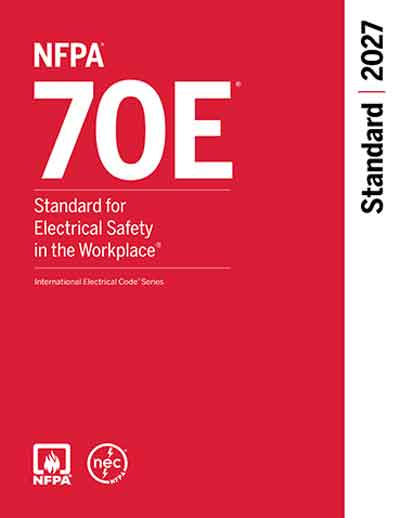
NFPA 70E Training - 2027 Edition - Arc Flash and Electrical Safety Course
Our customized live online or in‑person group training can be delivered to your staff at your location.
- Live Online
- 6 hours Instructor-led
- Group Training Available
Regular Price:
$199
Coupon Price:
$149
George Harrison's first solo album was called All Things Must Pass. That includes Toronto's real estate market.
To look at the numbers, the market appears to have strong legs. Yet it's suddenly under a deathwatch - not just when it will end, but how. Will it be a crash or a soft landing? Will the housing bubble burst or simply deflate? Is an apocalypse possible or will the market just stabilize?
Affordability clearly has taken a hit lately, as prices and interest rates doggedly march upward. June 2006's average resale price in Toronto topped $358,000, compared with $345,065 a year earlier. Over that same period, five-year mortgages soared from 5.8% to 6.95%, though rate breaks are available.
In the first quarter of 2006, RBC Financial's Housing Affordabilty Index for Toronto stood at 41.7 (meaning housing costs gobbled up 41.7% of a household's pre-tax income), the second straight quarter it deteriorated. Sure that's nowhere near the horrifying 70.5 in 1989 just before the Toronto market imploded. But a watchful eye on affordability is a must.
What could spook buyers from the marketplace? Here's a surprise. Not the high cost of buying a home, but the high cost of owning a home. That's the bottom line from a National Association of Realtors report last month. And it could be a wakeup call for what lies ahead.
When asked about obstacles to homeownership, escalating carrying costs clearly were Public Enemy No. 1, cited by 60%, compared with just 33% who griped about larger down payments. Meanwhile, 34% complained about ballooning property taxes, while 28% grumbled about rising energy costs.
Only 14% found interest rate hikes a turn-off, shredding the myth that higher rates alone will be the market killer.
Alarm bells aren't just ringing for buyers. More than six in 10 current homeowners fear higher ongoing costs could force them to sell their homes. Rising interest rates gave four in 10 the shivers, too. What about the future? Will out-of-control housing costs cool the jets of potential home buyers? A grim 37% said yes. Scary stuff.
Anyone who pooh-poohs these results as being American is living in a fool's paradise. Canadian carrying costs have been on a tear too. The only difference: Their impact hasn't been studied here yet.
Take energy costs. Hydro charges surged 10.3% in May in Ontario, thanks to the Ontario Energy Board. Homeowners will get whacked even harder down the road, if the McGuinty Liberals foist their 'Smart Meters' on us. That pales against natural gas prices, super-sized an obscene 25% from a year ago.
Toronto property taxes jumped about 3% on average in 2006. But for the thousands of homeowners whose new assessments topped the 11.7% average increase, the property tax pinch is much more painful.
Borrowers who opted for variable rate mortgages may have gambled and lost. VRMs have spiked 1.75% since last year. Volatile insurance premiums have stabilized in recent years, but not before taking painful bites out of homeowners in the aftermath of 9/11. Condo maintenance fees? Owners are up in arms, especially buyers of new units. Statistics Canada even noted a 7.2% annual boost in the cost of home maintenance and repairs.
For most people, a home is the biggest investment you'll ever make. But the flip side is true too. Home ownership likely is the most complex and expensive financial commitment in your life. So ask yourself two questions before inking an offer: Can you pay for the house on closing? And can you handle the monthly carrying costs afterward? Leave nothing to chance. Surprises are for birthdays, not home purchases.
Related News

SaskPower eyes buying $300M worth of electricity from Flying Dust First Nation
SaskPower-Flying Dust flare gas power deal advances a 20 MW, 20-year Power Purchase Agreement, enabling…
View more

Climate change: Electrical industry's 'dirty secret' boosts warming
Sulphur Hexafluoride (SF6) Emissions drive rising greenhouse gas impacts in electrical switchgear, power grids, and…
View more
Florida Court Blocks Push to Break Electricity Monopolies
Florida Electricity Deregulation Ruling highlights the Florida Supreme Court decision blocking a ballot measure on…
View more

Egypt, China's Huawei discuss electricity network's transformation to smart grid
Egypt-Huawei Smart Grid advances Egypt's energy sector with digital transformation, grid modernization, and ICT solutions,…
View more
Energy-hungry Europe to brighten profit at US solar equipment makers
European Solar Inverter Demand surges as photovoltaics and residential solar expand during the clean energy…
View more
Berlin Geothermal Plant in El Salvador Set to Launch This Year
El Salvador Geothermal Expansion boosts renewable energy with a 7 MW Berlin binary ORC plant,…
View more
Sign Up for Electricity Forum’s Newsletter
Stay informed with our FREE Newsletter — get the latest news, breakthrough technologies, and expert insights, delivered straight to your inbox.
Electricity Today T&D Magazine Subscribe for FREE
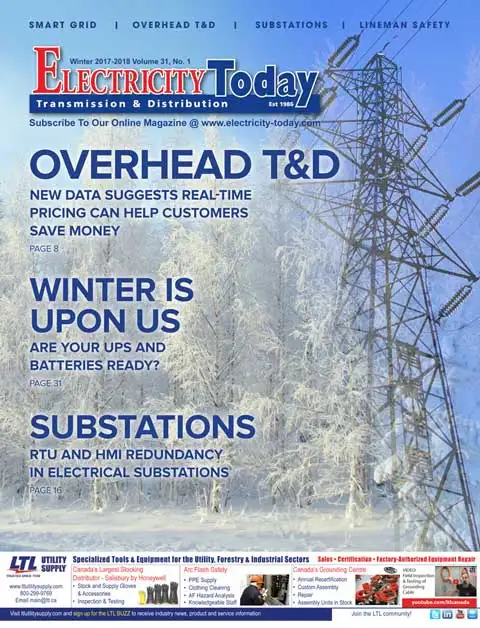
Stay informed with the latest T&D policies and technologies.
- Timely insights from industry experts
- Practical solutions T&D engineers
- Free access to every issue
