By ddddddd


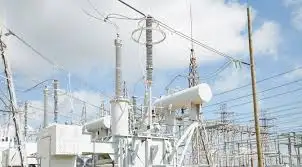
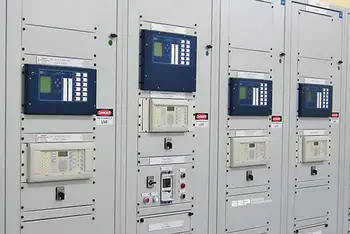
High Voltage Maintenance Training Online

Our customized live online or in‑person group training can be delivered to your staff at your location.
  • Live Online
  • 12 hours Instructor-led
  • Group Training Available
Regular Price:
$599
Coupon Price:
$499
Reserve Your Seat Today
r rtyrt rty rtyrtttttttttttttttttttttt

rtyrtyrtyrtyrtyr rtyrt rty rtyrtttttttttttttttttttttt

Related News

USAID Delivers Mobile Gas Turbine Power Plant to Ukraine

USAID GE Mobile Power Plant Ukraine supplies 28MW of emergency power and distributed generation to bolster energy security, grid resilience, and critical infrastructure reliability across cities and regions amid ongoing attacks.


Key Points

A 28MW GE gas turbine from USAID providing mobile, distributed power to strengthen Ukraine's grid resilience.

✅ 28MW GE gas turbine; power for 100,000 homes

✅ Mobile deployment to cities and regions as needed

✅ Supports hospitals, schools, and critical infrastructure


Deputy U.S. Administrator Isobel Coleman announced during her visit to Kyiv that the U.S. Agency for International Development (USAID) has provided the Government of Ukraine with a mobile gas turbine power plant purchased from General Electric (GE), as discussions of a possible agreement on power plant attacks continue among stakeholders.

The mobile power plant was manufactured in the United States by GE’s Gas Power business and has a total output capacity of approximately 28MW, which is enough to provide the equivalent electricity to at least 100,000 homes. This will help Ukraine increase the supply of electricity to homes, hospitals, schools, critical infrastructure providers, and other institutions, as the country has even resumed electricity exports in recent months. The mobile power plant can be operated in different cities or regions depending on need, strengthening Ukraine’s energy security amid the Russian Federation’s continuing strikes against critical infrastructure.   

Since the February 2022 full-scale invasion of Ukraine, and particularly since October 2022, the Russian Federation has deliberately targeted critical civilian heating, power, and gas infrastructure in an effort to weaponize the winter, raising nuclear risks to grid stability noted by international monitors. Ukraine has demonstrated tremendous resilience in the wake of these attacks, with utility workers routinely risking their lives to repair the damage, often within hours of air strikes, even as Russia builds power lines to reactivate the Zaporizhzhia plant to influence the energy situation.

The collaboration between USAID and GE reflects the U.S. government’s emphasis on engaging American private sector expertise and procuring proven and reliable equipment to meet Ukraine’s needs. Since the start of Putin’s full-scale war against Ukraine, USAID has both directly procured equipment for Ukraine from American companies and engaged the private sector in partnerships to meet Ukraine’s urgent wartime needs, with U.S. policy debates such as a proposal on Ukraine’s nuclear plants drawing scrutiny.

This mobile power plant is the latest example of USAID assistance to Ukraine’s energy sector since the start of the Russian Federation’s full-scale invasion, during which Ukraine has resumed electricity exports as conditions improved. USAID has already delivered more than 1,700 generators to 22 oblasts across Ukraine, with many more on the way. These generators ensure electricity and heating for schools, hospitals, accommodation centers for internally-displaced persons, district heating companies, and water systems if and when power is knocked out by the Russian Federation’s relentless, systematic and cruel attacks against critical civil infrastructure. USAID has invested $55 million in Ukraine’s heating infrastructure to help the Ukrainian people get through winter. This support will benefit up to seven million Ukrainians by supporting repairs and maintenance of pipes and other equipment necessary to deliver heating to homes, hospitals, schools, and businesses across Ukraine. USAID’s assistance builds on over two decades of support to Ukraine to strengthen the country’s energy security, complementing growth in wind power that is harder to destroy.


Related News

View more

As Alberta electricity generators switch to gas, power price cap comes under spotlight

Alberta Energy-Only Electricity Market faces capacity market debate, AESO price cap review, and coal-to-gas shifts by TransAlta and Capital Power, balancing reliability with volatility as investment signals evolve across Alberta's grid.


Key Points

An energy market paying generators only for electricity sold, with AESO oversight and a price cap guiding new capacity.

✅ AESO reviewing $999 per MW-h wholesale price cap.

✅ UCP retained energy-only; capacity market plan cancelled.

✅ TransAlta and Capital Power shift to coal-to-gas.


The Kenney government’s decision to cancel the redesign of Alberta’s electricity system to a capacity market won’t side-track two of the province’s largest power generators from converting coal-fired facilities to burn natural gas as part of Alberta’s shift from coal to cleaner energy overall.

But other changes could be coming to the province’s existing energy-only electricity market — including the alteration of the $999 per megawatt-hour (MW-h) wholesale price cap in Alberta.

The heads of TransAlta Corp. and Capital Power Corp. are proceeding with strategies to convert existing coal-fired power generating facilities to use natural gas in the coming years.

Calgary-based TransAlta first announced in 2017 that it would make the switch, as the NDP government was in the midst of overhauling the electricity sector and wind generation began to outpace coal in the province.

At the time, the Notley government planned to phase out coal-fired power by 2030, even as Alberta moved to retire coal by 2023 in practice, and shift Alberta into an electricity capacity market in 2021.

Such a move, made on the recommendation of the Alberta Electric System Operator (AESO), was intended to reduce price volatility and ensure system reliability.

Under the energy-only market, generators receive payments for electricity produced and sold into the grid. In a capacity market, generators are also paid for having power available on demand, regardless of how often they sell energy into the provincial grid.

The UCP government decided last month to ditch plans for a capacity market after consulting with the sector, saying it would be better for consumers.

On a conference call, TransAlta CEO Dawn Farrell said the company will convert coal-fired generating plants to burn gas, although it may alter the mix between simple conversions and switching to so-called “hybrid” plants.

(A hybrid conversion is a larger and more-expensive switch, as it includes installing a new gas turbine and heat-recovery steam generator, but it creates a highly efficient combined cycle unit.)

“Our view is fundamentally that carbon will be priced over the next 20 years no matter what,” she said Friday.

“We cannot get off coal fast enough in this company, and gas right now in Alberta is extremely inexpensive…

“So our coal-to-gas strategy is completely predicated on our belief that it’s not smart to be in carbon-intensive fuels for the future.”

Elsewhere in Canada, the Stop the Shock campaign has advocated for reviving coal power, underscoring ongoing policy debates.

The company said it’s planning the coal-to-gas conversion and re-powering of some or all of the units at its Keephills and Sundance facilities to gas-fired generation sometime between 2020 and 2023.

Similarly, Capital Power CEO Brian Vaasjo said the Edmonton-based company is moving ahead with a project that will allow it to burn both coal and natural gas at its Genesee generating station, even as Ontario’s energy minister sought to explore a halt to natural gas generation elsewhere.

In June, the company announced it would spend an estimated $50 million between 2019 and 2021 to allow it to use gas at the facility.

“What we’re doing is going to be dual fuel, so we will be able to operate 100 per cent natural gas or 100 per cent coal and everything in between,” Vaasjo said in an interview.

“You can expect to see we will be burning coal in the winter when natural gas prices are high, and we will be burning natural gas in summer when gas prices are real low.”

The transition comes as the government’s decision to stick with the energy-only market has been welcomed by players in the industry, and as Alberta's electricity future increasingly leans on wind resources.

A study by electricity consultancy EDC Associates found the capacity market would result in consumers paying an extra $1.4 billion in direct costs in 2021-22, as it required more generation to come online earlier than expected.

These additional costs would have accumulated to $10 billion by 2030, said EDC chief executive Duane-Reid Carlson.

For Capital Power, the decision to stick with the current system makes the province more investable in the future. Vaasjo said there was great uncertainty about the transition to a capacity market, and the possibility of rules shifting further.

Officials with Enmax Corp. said the city-owned utility would not have invested in future generation under the proposed capacity market.

“There is no short-term need (today) for new generation, so we’re just looking at the market and saying, ‘OK, as it evolves, we will see what happens,’” said Enmax vice-president Tim Boston.

Sticking with the energy-only market doesn’t mean Alberta will keep the existing rules.

In a July 25 letter, Alberta Energy Minister Sonya Savage directed AESO chair Will Bridge to examine if changes to the existing market are needed and report back by July 2020.

AESO, which manages the power grid, has been asked to investigate whether the current price cap of $999 per megawatt-hour (MW-h) should be changed.

The price ceiling hasn’t been altered since the energy-only market was implemented by the Klein government about two decades ago.

While allowing prices to go higher would increase volatility, reflecting lessons from Europe’s power crisis about scarcity pricing, during periods of rising demand and limited supply, it would send a signal to generators when investment in new generation is required, said Kent Fellows, a research associate at the University of Calgary’s School of Public Policy.

“Keeping the price (cap) too low could end up costing us more in the long run,” he said.

In a 2016 report, AESO said the province examined raising the price cap to $5,000 per MW-h, but “determined that it was unlikely to be successful in attracting investment due to increased price volatility.”

However, the amount of future generation that will be required in Alberta has been scaled back by the province.

In the United States, the Electricity Reliability Council of Texas (ERCOT) allows wholesale power prices in the state to climb to a cap of $9,000 per megawatt hours as demand rises — as it did Tuesday in the midst of a heat wave, according to Bloomberg.

Jim Wachowich, legal counsel for the Consumers’ Coalition of Alberta, said while few players are exposed to spot electricity prices, he has yet to be convinced raising the cap would be good for Albertans.

“Someone has to show me the evidence, and I suspect that’s what the minister has asked the AESO to do,” he said.

Generators say they believe some tinkering is needed to the energy-only market to ensure new generation is built when it’s required.

“The No. 1 change that the government has to … think about is in pricing,” added Farrell.

“If you don’t have enough of a price signal in an energy-only market to attract new capital, you won’t get new capital — and you’ll run up against the wall.”


Related News

View more

U.S. Launches $250 Million Program To Strengthen Energy Security For Rural Communities

DOE RMUC Cybersecurity Program supports rural, municipal, and small investor-owned utilities with grants, technical assistance, grid resilience, incident response, workforce training, and threat intelligence sharing to harden energy systems and protect critical infrastructure.


Key Points

A $250M DOE program providing grants to boost rural and municipal utilities' cybersecurity and incident response.

✅ Grants and technical assistance for grid security

✅ Enhances incident response and threat intel sharing

✅ Builds cybersecurity workforce in rural utilities


The U.S. Department of Energy (DOE) today issued a Request for Information (RFI) seeking public input on a new $250 million program to strengthen the cybersecurity posture of rural, municipal, and small investor-owned electric utilities.

Funded by President Biden’s Bipartisan Infrastructure Law and broader clean energy funding initiatives, the Rural and Municipal Utility Advanced Cybersecurity Grant and Technical Assistance (RMUC) Program will help eligible utilities harden energy systems, processes, and assets; improve incident response capabilities; and increase cybersecurity skills in the utility workforce. Providing secure, reliable power to all Americans, with a focus on equity in electricity regulation across communities, will be a key focus on the pathway to achieving President Biden’s goal of a net-zero carbon economy by 2050. 

“Rural and municipal utilities provide power for a large portion of low- and moderate-income families across the nation and play a critical role in ensuring the economic security of our nation’s energy supply,” said U.S. Secretary of Energy Jennifer M. Granholm. “This new program reflects the Biden Administration's commitment to improving energy reliability and connecting our nation’s rural communities to resilient energy infrastructure and the transformative benefits that come with it.” 

Nearly one in six Americans live in a remote or rural community. Utilities in these communities face considerable obstacles, including difficulty recruiting top cybersecurity talent, inadequate infrastructure, as the aging U.S. power grid struggles to support new technologies, and lack of financial resources needed to modernize and harden their systems. 

The RMUC Program will provide financial and technical assistance to help rural, municipal, and small investor-owned electric utilities improve operational capabilities, increase access to cybersecurity services, deploy advanced cyber security technologies, and increase participation of eligible entities in cybersecurity threat information sharing programs and coordination with federal partners initiatives. Priority will be given to eligible utilities that have limited cybersecurity resources, are critical to the reliability of the bulk power system, or those that support our national defense infrastructure. 

The Office of Cybersecurity, Energy Security, and Emergency Response (CESER), which advances U.S. energy security objectives, will manage the RMUC Program, providing $250 million dollars in BIL funding over five years. To help inform Program implementation, DOE is seeking input from the cybersecurity community, including eligible utilities and representatives of third parties and organizations that support or interact with these utilities. The RFI seeks input on ways to improve cybersecurity incident preparedness, response, and threat information sharing; cybersecurity workforce challenges; risks associated with technologies deployed on the electric grid; national-scale initiatives to accelerate cybersecurity improvements in these utilities; opportunities to strengthen partnerships and energy security support efforts; the selection criteria and application process for funding awards; and more. 


Related News

View more

IVECO BUS Achieves Success with New Hydrogen and Electric Bus Contracts in France

IVECO BUS hydrogen and electric buses in France accelerate clean mobility, zero-emission public transport, fleet electrification, and fuel cell adoption, with battery-electric ranges, fast charging, hydrogen refueling, lower TCO, and high passenger comfort in cities.


Key Points

Zero-emission buses using battery-electric and fuel cell tech, cutting TCO with fast refueling and urban-ready range.

✅ Zero tailpipe emissions, lower noise, improved air quality

✅ Fast charging and rapid hydrogen refueling infrastructure

✅ Lower TCO via reduced fuel and maintenance costs


IVECO BUS is making significant strides in the French public transportation sector, recently securing contracts for the delivery of hydrogen and battery electric buses. This development underscores the growing commitment of cities and regions in France to transition to cleaner, more sustainable public transportation options, even as electric bus adoption challenges persist. With these new contracts, IVECO BUS is poised to strengthen its position as a leader in the electric mobility market.

Expanding the Green Bus Fleet

The contracts involve the supply of various models of IVECO's hydrogen and electric buses, highlighting a strategic shift towards sustainable transport solutions. France has been proactive in its efforts to reduce carbon emissions and promote environmentally friendly transportation. As part of this initiative, many local authorities are investing in clean bus fleets, which has opened up substantial opportunities for manufacturers like IVECO.

These contracts will provide multiple French cities with advanced vehicles designed to minimize environmental impact while maintaining high performance and passenger comfort. The move towards hydrogen and battery electric buses reflects a broader trend in public transportation, where cities are increasingly adopting green technologies, with lessons from TTC's electric bus fleet informing best practices to meet both regulatory requirements and public demand for cleaner air.

The Role of Hydrogen and Battery Electric Technology

Hydrogen and battery electric buses represent two key technologies in the transition to sustainable transport. Battery electric buses are known for their zero tailpipe emissions, making them ideal for urban environments where air quality is a pressing concern, as demonstrated by the TTC battery-electric rollout in North America. IVECO's battery electric models come equipped with advanced features, including fast charging capabilities and longer ranges, making them suitable for various operational needs.

On the other hand, hydrogen buses offer the advantage of rapid refueling and extended range, addressing some of the limitations associated with battery electric vehicles, as seen with fuel cell buses in Mississauga deployments across transit networks. IVECO’s hydrogen buses utilize cutting-edge fuel cell technology, allowing them to operate efficiently in urban and intercity routes. This flexibility positions them as a viable solution for public transport authorities aiming to diversify their fleets.

Economic and Environmental Benefits

The adoption of hydrogen and battery electric buses is not only beneficial for the environment but also presents economic opportunities. By investing in these technologies, local governments can reduce operating costs associated with traditional diesel buses. Electric and hydrogen buses generally have lower fuel costs and require less maintenance, resulting in long-term savings.

Furthermore, the transition to cleaner buses can help stimulate local economies. As cities invest in electric mobility, new jobs will be created in manufacturing, maintenance, and infrastructure development, such as charging stations and hydrogen fueling networks, including the UK bus charging hub model, which supports large-scale operations. This shift can have a positive ripple effect, contributing to overall economic growth while fostering a cleaner environment.

IVECO BUS's Commitment to Sustainability

IVECO BUS's recent successes in France align with the company’s broader commitment to sustainability and innovation. As part of the CNH Industrial group, IVECO is dedicated to advancing green technologies and reducing the carbon footprint of public transportation. The company has been at the forefront of developing environmentally friendly vehicles, and these new contracts further reinforce its leadership position in the market.

Moreover, IVECO is investing in research and development to enhance the performance and efficiency of its electric and hydrogen buses. This commitment to innovation ensures that the company remains competitive in a rapidly evolving market while meeting the changing needs of public transport authorities.

Future Prospects

As more cities in France and across Europe commit to sustainable transportation, including initiatives like the Berlin zero-emission bus initiative, the demand for hydrogen and battery electric buses is expected to grow. IVECO BUS is well-positioned to capitalize on this trend, with a diverse range of products that cater to various operational requirements.

The successful implementation of these contracts will likely encourage other regions to follow suit, paving the way for a greener future in public transportation. As IVECO continues to innovate and expand its offerings, alongside developments like Volvo electric trucks in Europe, it sets a precedent for the industry, illustrating how commitment to sustainability can drive business success.


Related News

View more

US Automakers Will Build 30,000 Electric Vehicle Chargers

Automaker EV Fast-Charging Network will deploy 30,000 DC fast chargers across US and Canada, supporting CCS and NACS, integrating Tesla compatibility, easing range anxiety, and expanding highway and urban charging infrastructure with amenities and uptime.


Key Points

A $1B joint venture by seven automakers to build 30,000 DC fast chargers with CCS and NACS across the US and Canada.

✅ 30,000 DC fast chargers by 2030 across US and Canada

✅ Supports CCS and NACS; Tesla compatibility planned

✅ Launching mid-2024; focus on highways, urban hubs, amenities


Seven major automakers announced a plan on Wednesday to nearly double the number of fast chargers in the United States in an effort to address one of the main reasons that people hesitate to buy electric cars, even as the age of electric cars accelerates.

The carmakers — BMW Group, General Motors, Honda, Hyundai, Kia, Mercedes-Benz Group and Stellantis — will initially invest at least $1 billion in a joint venture that will build 30,000 charging ports on major highways and other locations in the United States and Canada.

The United States and Canada have about 36,000 fast chargers — those that can replenish a drained battery in 30 minutes or less. In some sparsely populated areas, such chargers can be hundreds of miles apart. Surveys show that fear about not being able to find a charger during longer journeys is a major reason that some car buyers are reluctant to buy electric vehicles.

Sales of electric vehicles have risen quickly in the United States as the market hits an inflection point, but there are signs that demand is softening. As a result, Tesla, Ford and other carmakers have cut prices in recent months and are offering incentives. Popular models that had long waiting lists last year are now available in a few days or weeks.

Major carmakers are investing billions of dollars to manufacture electric vehicles and batteries and to establish supplier networks. Having staked their futures on the technology, they have a strong incentive to ensure that electric vehicles catch on with car buyers, even as gas-electric hybrids help bridge the transition.

The chargers installed by the joint venture will have plugs designed for the connections used by most carmakers other than Tesla, as well as the standard developed by Tesla, amid fights for control over charging, that Ford, G.M. and other companies have said they intend to switch to in 2025.

“The better experience people have, the faster E.V. adoption will grow,” Mary T. Barra, the chief executive of General Motors, said in a statement.

The seven automakers plan to formalize the joint venture and announce its name by the end of the year, Chris Martin, a Honda spokesman, said. The first chargers will begin operating around the middle of 2024, he said, with all 30,000 in place by the end of the decade.

The joint venture is open to adding other partners, he said. Among major automakers, Ford was a notable absence from the announcement on Wednesday. The company said in a statement on Wednesday that it would continue to iThe partnership also does not include Volkswagen. The company is a majority shareholder of Electrify America, one of the largest fast-charging providers.

Tesla accounts for more than half the fast chargers in the United States and has said it will open its networks to other car brands, though, so far, it has only made fewer than 100 ports available. Owners of Ford and G.M. vehicles, among others, will be able to connect to 12,000 Tesla fast chargers using an adapter beginning next year. In 2025, Ford and G.M. plan to make models designed to take the Tesla plug without an adapter.

The decision by the seven carmakers to form the joint venture is an indication that they do not intend to rely solely on Tesla, which dominates sales of electric vehicles, for charging.

The chargers being built by the joint venture will be concentrated in urban areas and along major highways, especially those used most heavily by vacationers and other travelers, the companies said in a joint statement. Charging stations will be close to restrooms, restaurants and other amenities. The partners said they would try to take advantage of federal and state funds available for charging infrastructure amid questions about whether the U.S. has the power to charge it at scale.

Most electric vehicle owners charge at home and rarely need to use public chargers. Home chargers typically replenish batteries overnight. Most public chargers, about 125,000 in the United States and Canada, also operate relatively slowly — taking four to 10 hours to do the job.nvest in its own network, which allows Ford owners to charge from a variety of providers with one mobile phone app.


Related News

View more

SDG&E Wants More Money From Customers Who Don’t Buy Much Electricity. A Lot More.

SDG&E Minimum Bill Proposal would impose a $38.40 fixed charge, discouraging rooftop solar, burdening low income households, and shifting grid costs during peak demand, as the CPUC weighs consumer impacts and affordability.


Key Points

Sets a $38.40 monthly minimum bill that raises low usage costs, deters rooftop solar, and burdens low income households.

✅ $38.40 fixed charge regardless of usage

✅ Disincentivizes rooftop solar investments

✅ Disproportionate impact on low income customers


The utility San Diego Gas & Energy has an aggressive proposal pending before the California Public Utilities Commission, amid recent commission changes in San Diego that highlight how regulatory decisions affect local customers: It wants to charge most residential customers a minimum bill of $38.40 each month, regardless of how much energy they use. The costs of this policy would hit low-income customers and those who generate their own energy with rooftop solar. We’re urging the Commission to oppose this flawed plan—and we need your help.

SDG&E’s proposal is bad news for sustainable energy. About half of the customers whose bills would go up under this proposal have rooftop solar. The policy would deter other customers from investing in rooftop solar by making these investments less economical. Ultimately, lost opportunities for solar would mean burning more gas in polluting power plants. 

The proposal is also bad news for people who already have to scrimp on energy costs. Most customers with big homes and billowing air conditioners won't notice if this policy goes into effect, because they use at least $38 worth of electricity a month anyway. But for households that don’t buy much electricity from the company, including those in small apartments without air conditioning, this proposal would raise the bills. Even for customers on special low-income rates, amid electric bill changes statewide, SDG&E wants a minimum bill of $19.20.

Penalizing customers who don’t use much electricity would disproportionately hurt lower-income customers, raising energy equity concerns across the region, who tend to use less energy than their wealthier neighbors. In the region SDG&E serves, the average family in an apartment uses half as much electricity as a single-family residence. Statewide, low-income households are more than four times as likely to be low-usage electricity customers than high-income households. When it gets hot, residential electricity patterns are often driven by air conditioning. The vast majority of SDG&E's customers live in the coastal climate zone, where access to air conditioning is strongly linked to income: Households with incomes over $150,000 are more than twice as likely to have air conditioning than families making less than $35,000, with significant racial disparities in who has AC.

In its attempt to rationalize its request, SDG&E argues that it should charge everyone for infrastructure costs that do not depend on how much energy they use. But the cost of the grid is driven by how much energy SDG&E delivers on hot summer afternoons, when some customers blast their AC and demand for electricity peaks. If more customers relied on their own solar power or conserved energy, the utility would spend less on its grid and help rein in soaring electricity prices over time.

In the long term, reducing incentives to go solar and conserve energy will strain the grid and drive up costs for everyone, especially as lawmakers may overturn income-based charges and reshape rate design. SDG&E's arguments are part of a standard utility playbook for trying to hike income-based fixed charges, and consumer advocates have repeatedly shut them down.  As far as we know, no regulators in the country have allowed a utility to charge customers over $38 for the “privilege” of accessing electric service. 


Related News

View more

Sign Up for Electricity Forum’s Newsletter

Stay informed with our FREE Newsletter — get the latest news, breakthrough technologies, and expert insights, delivered straight to your inbox.

Electricity Today T&D Magazine Subscribe for FREE

Stay informed with the latest T&D policies and technologies.
  • Timely insights from industry experts
  • Practical solutions T&D engineers
  • Free access to every issue

Live Online & In-person Group Training

Advantages To Instructor-Led Training – Instructor-Led Course, Customized Training, Multiple Locations, Economical, CEU Credits, Course Discounts.

Request For Quotation

Whether you would prefer Live Online or In-Person instruction, our electrical training courses can be tailored to meet your company's specific requirements and delivered to your employees in one location or at various locations.