Transformer Condition Monitoring
By Florian Klughammer, Portfolio Manager, Reinhausen
Request for Quotation Service
Buyers Submit Free RFQs to top suppliers, no obligation
Suppliers Browse real project RFQs directly from buyers
By Florian Klughammer, Portfolio Manager, Reinhausen
Our customized live online or in‑person group training can be delivered to your staff at your location.
Request for Quotation Service
Buyers Submit Free RFQs to top suppliers, no obligation.
Suppliers Browse real project RFQs directly from buyers.
Trust Electricity Forum 40 years connection buyers and suppliers.
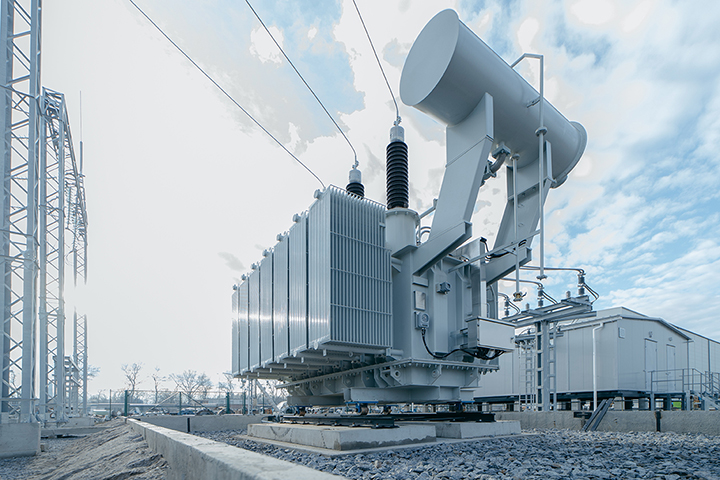
Transformer condition monitoring uses continuous temperature, dissolved gas, moisture, partial discharge, and bushing diagnostics to detect insulation, thermal, and mechanical deterioration early, allowing utilities to identify failure risk and prioritize maintenance based on actual asset condition.
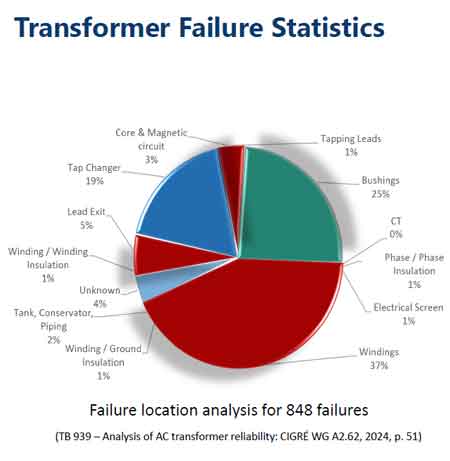
Transformer failures rarely occur without warning. Long before insulation collapses or internal faults become catastrophic, physical evidence begins to accumulate in the form of heat stress, gas formation, dielectric change, or mechanical instability. Transformer condition monitoring makes these early indicators visible, converting hidden degradation into actionable engineering insight.
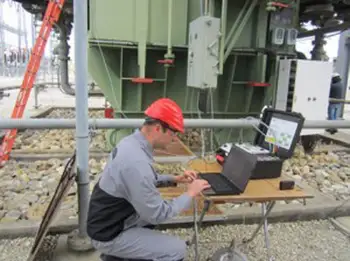
This shift from periodic inspection to continuous observation has fundamentally changed how utilities manage critical assets. Rather than relying on fixed maintenance schedules, modern transformer monitoring enables engineers to track actual operating conditions, identify developing issues, and intervene before failure. This evolution is particularly important for large fleet operators managing hundreds of power transformers where undetected degradation in a single unit can affect system reliability and capacity planning.
Thermal stress remains the dominant driver of insulation deterioration in oil-filled transformers. Winding insulation gradually loses mechanical strength as temperature exposure accumulates, and even modest increases in hotspot temperature can dramatically accelerate aging. Because insulation integrity determines operational lifespan, understanding the behavior of transformer insulation under varying thermal conditions is central to accurate asset life assessment.
Fiber optic temperature sensors embedded directly within transformer windings provide precise hotspot measurements that external gauges cannot capture. This direct measurement eliminates uncertainty caused by oil temperature gradients and load variation, allowing engineers to see exactly how operating conditions affect insulation life. These measurements also complement engineering analysis of transformer cooling, helping utilities identify cooling system inefficiencies before thermal damage occurs.
Download our FREE Electrical Training Catalog and explore a full range of expert-led electrical training courses.

In practice, utilities often discover that certain units experience repeated thermal excursions during peak load periods. Without continuous monitoring, these events would go undetected, quietly shortening asset lifespan. Temperature data allows engineers to identify overloaded units, cooling system deficiencies, or unexpected operating stress long before structural damage occurs.
Insulation degradation produces chemical byproducts that dissolve into transformer oil. Hydrogen, methane, acetylene, and other gases form due to overheating, partial discharge, or electrical faults. Monitoring these gases continuously provides one of the most sensitive indicators of a transformer's internal condition. Continuous gas monitoring builds upon established transformer oil analysis techniques by converting periodic laboratory sampling into real-time diagnostic visibility.
A gradual increase in combustible gas concentration often signals insulation overheating or localized thermal stress. More sudden changes may indicate active fault development. By observing gas generation trends, engineers can detect abnormal internal behavior months or even years before failure becomes imminent. Advanced interpretation techniques derived from dissolved gas analysis methods allow engineers to distinguish between thermal faults, electrical discharge, and insulation degradation.
Moisture content provides equally important insight. Elevated moisture levels weaken insulation dielectric strength and accelerate chemical degradation. Continuous moisture monitoring enables utilities to detect seal failures, oil contamination, or insulation aging before reliability is compromised.
Together, gas and moisture measurements form a chemical fingerprint of transformer health.
Electrical insulation rarely fails suddenly. Microscopic defects develop first, creating localized electrical discharge within insulation voids or deteriorated material. These discharges, known as partial discharge, gradually erode insulation until catastrophic breakdown occurs.
Partial discharge monitoring detects these microscopic electrical events long before conventional protection systems recognize a problem. Specialized sensors measure discharge activity patterns, allowing engineers to identify insulation defects early enough to plan corrective action. These insights complement physical inspections and diagnostic procedures used during power transformer health-check programs, helping utilities prioritize corrective maintenance.
In field environments, partial discharge monitoring has revealed insulation weaknesses caused by manufacturing defects, aging insulation systems, or contamination. Without continuous observation, these defects would remain invisible until failure occurred.
Transformer bushings serve as the electrical interface between internal windings and external connections. Because bushings operate under high electrical stress, their dielectric condition must remain stable.
Changes in capacitance or power factor indicate deterioration within the bushing insulation system. Continuous monitoring allows engineers to detect these changes early, identifying bushings that are approaching failure. Because bushings depend heavily on the stability of insulating fluids, understanding the behavior of dielectric fluid helps explain why even minor contamination can accelerate deterioration.
Bushing failures can cause severe damage to transformers. Early detection enables replacement of compromised bushings before catastrophic failure.
On-load tap changers operate under mechanical and electrical stress as they regulate transformer voltage. Over time, mechanical wear affects contact integrity and switching performance.
Vibration monitoring provides direct insight into the mechanical condition of the tap changer. Changes in vibration patterns can indicate contact wear, mechanical looseness, or developing faults.
Because tap changers contain moving parts, mechanical monitoring provides essential diagnostic information that electrical measurements alone cannot provide. This mechanical visibility complements structural understanding of critical internal elements such as the transformer core, where electromagnetic forces and mechanical stresses interact continuously during operation.
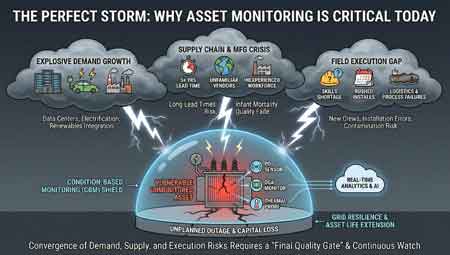
The true value of transformer condition monitoring lies not in individual measurements, but in the complete operating picture they provide. Temperature, gas formation, moisture, insulation activity, and mechanical condition together create a comprehensive view of transformer health.
Stay informed with our FREE Utility Transformers Newsletter — get the latest news, breakthrough technologies, and expert insights, delivered straight to your inbox.
Utilities that implement continuous monitoring can identify emerging problems early, prioritize maintenance resources effectively, and extend asset life safely. Instead of reacting to failures, they can proactively manage transformer reliability.
As transformer fleets age and loading demands increase, condition monitoring has become an essential engineering tool. It provides the visibility required to maintain grid reliability, reduce failure risk, and make informed asset management decisions based on real operating conditions rather than assumptions.
Explore 50+ live, expert-led electrical training courses –