Latest Storm, Risk & Grid Resilience Articles
Utility Reliability in Electric Power System Performance
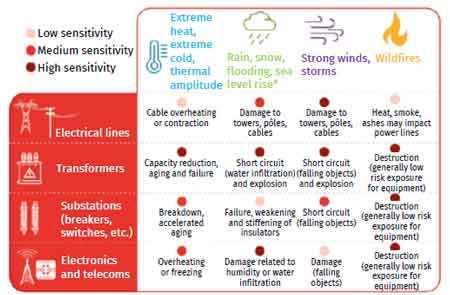
Utility reliability measures how consistently electric power is delivered based on outage frequency, duration, and restoration performance. Poor reliability increases interruptions, equipment stress, and operational risk across distribution systems.
Utility reliability is the ability of an electric utility system to deliver continuous electrical service under normal operating conditions, defined by outage frequency and outage duration across the network. It reflects how often interruptions occur, how long they persist, and how effectively the system restores service. Poor reliability increases customer exposure to interruptions, raises operational stress on equipment, and signals underlying weaknesses in system design, maintenance, or field execution.
Utility reliability…
View more
Sign Up for Electricity Forum’s Storm, Risk & Grid Resilience Newsletter
Stay informed with our FREE Storm, Risk & Grid Resilience Newsletter — get the latest news, breakthrough technologies, and expert insights, delivered straight to your inbox.
Power Grid Resilience in Modern Distribution
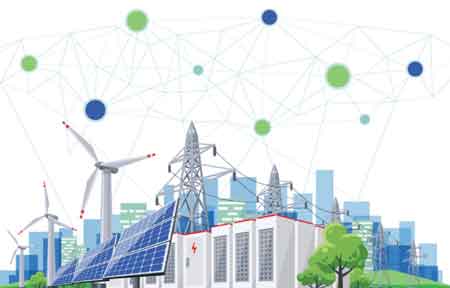
Power grid resilience is the ability of an electric system to withstand disturbances, maintain critical service during disruption, and restore normal operations efficiently while adapting to changing system conditions.
Traditional grid design focused on reliability, which measures how often outages occur. Power grid resilience expands this view to include how the system behaves under stress, how quickly it recovers, and how effectively it adapts during and after disruptive events.
In operational terms, resilience is not a planning abstraction. It is a real-time control challenge that involves field devices, distributed energy resources, outage detection systems, and operator decision-making under uncertainty.
Utilities…
View more
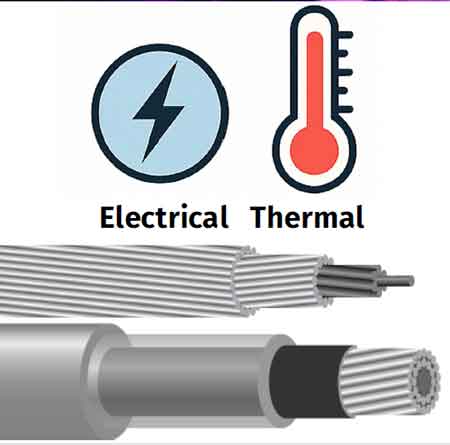
Grid Reliability In Electric Power System Performance
Grid reliability ensures the stable operation of power systems by maintaining a continuous electricity supply, voltage control, and frequency balance across transmission and distribution networks under normal conditions and disturbances, such as faults, equipment failures, and load variations.
Grid reliability is the ability of an interconnected electric power system to deliver continuous electrical energy while maintaining system stability, acceptable voltage levels, and frequency balance during normal conditions and credible disturbances.
It applies across generation, transmission, and distribution systems operating as a synchronized network. Reliability is defined by whether the system remains stable and controllable under stress, not just whether power…
View more
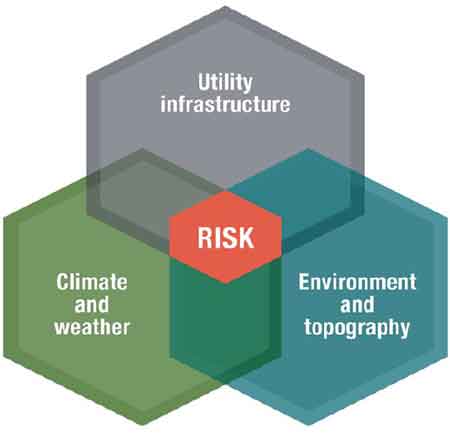
Wildfire Resilience in Electric Power System Performance
Wildfire resilience is the ability of power systems to withstand wildfire risk, prevent ignition from electrical faults, maintain reliability, and restore service after fire damage across transmission and distribution networks under extreme conditions.
Wildfire resilience is the ability of an electric power system to operate safely under wildfire conditions, limit ignition from electrical infrastructure, maintain service continuity, and restore operations after fire damage across transmission and distribution networks.
Wildfire conditions create abnormal operating environments in which heat, wind, and dry fuels increase both system vulnerability and the probability of ignition. Under these conditions, the electrical infrastructure does not behave the…
View more
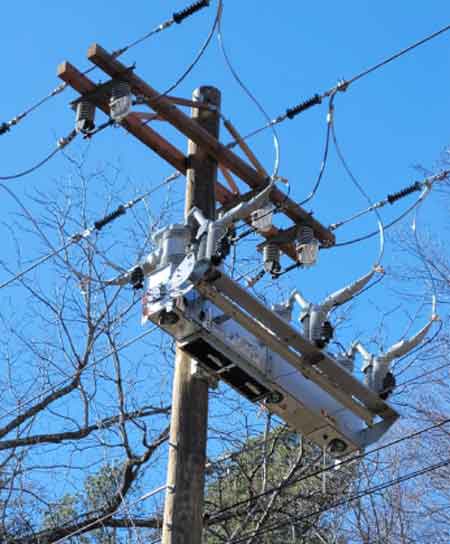
Outage Management System for Utility Outage Detection
An outage management system detects outages, predicts fault location, and coordinates restoration using SCADA, GIS, AMI, and CIS data to reduce outage duration, improve crew dispatch, and maintain grid reliability during fault events.
An outage management system is a utility control platform that detects outages, predicts fault location, and coordinates restoration using real time integration of SCADA, GIS, AMI, and customer information systems.
In a control room environment, OMS converts incomplete and often conflicting data into a working model of the distribution system state. It does not operate field devices. It determines where the outage is, how many customers are…
View more
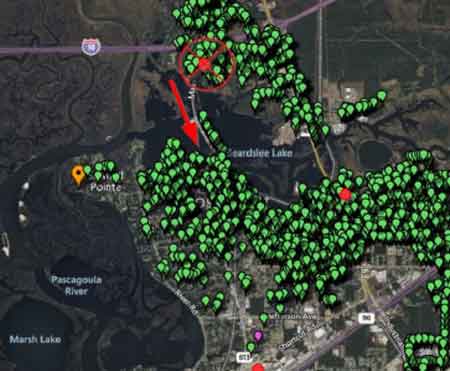
Grid Resiliency In T&D Performance And Recovery
Grid resiliency is the ability of a power grid to withstand, adapt to, and recover from disruptions by leveraging system visibility, localized data, and network flexibility, while minimizing outage duration, customer impact, and restoration time.
Grid resiliency is the ability of an electrical power system to withstand, adapt to, and recover from disruptive events such as storms, wildfires, equipment failures, and cyber incidents, while minimizing the impact of outages and restoration time.
This definition describes system behavior when operating conditions exceed design limits. A resilient grid does not eliminate outages. It limits their spread, maintains partial service where possible, and…
View more
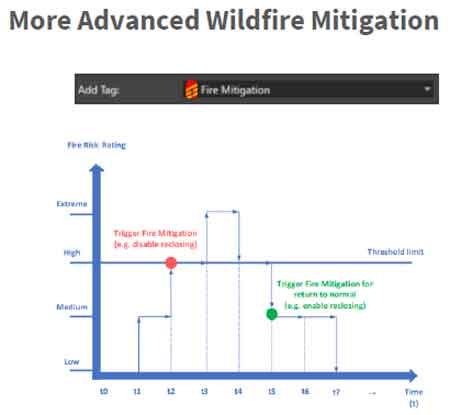
Wildfire Risk Reduction In Electric Utility Systems
Wildfire risk reduction lowers ignition probability from utility equipment by combining vegetation management, grid hardening, situational awareness, and operational controls that limit fault energy and exposure under high-risk weather conditions.
Wildfire risk reduction in electric utility systems is the process of lowering the probability that energized infrastructure will ignite fires by controlling how electrical faults interact with fuel and environmental conditions. Ignition occurs when fault energy is sustained long enough to transfer heat to dry vegetation, meaning the risk is governed by the relationship among fault energy, exposure time, and fuel availability.
Under high-wind and low-humidity conditions, even brief contact…
View more