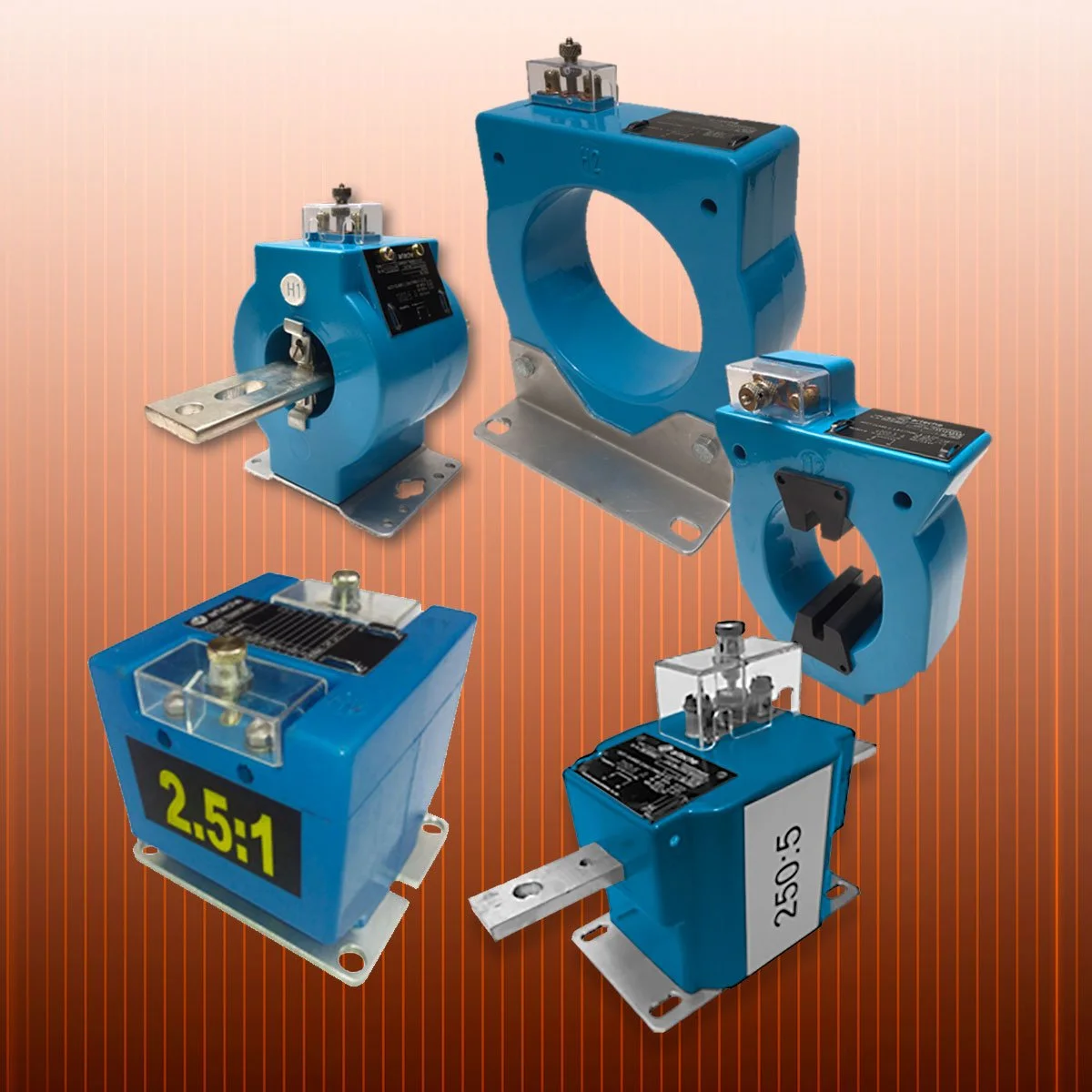
Power Grid Monitoring Systems for Utility Network Visibility
By Fivos Maniatakos CEO, Sensewaves
By Fivos Maniatakos CEO, Sensewaves
Request for Quotation Service
Buyers Submit Free RFQs to top suppliers, no obligation.
Suppliers Browse real project RFQs directly from buyers.
Trust Electricity Forum 40 years connection buyers and suppliers.
Power grid monitoring systems use sensors, SCADA platforms, phasor measurement units, and analytics software to track grid conditions in real time. Utilities monitor voltage, current, asset health, and faults across transmission and distribution networks to improve reliability and operational awareness.
Power grid monitoring systems provide utilities with continuous awareness of electrical conditions across transmission lines, substations, feeders, and distribution infrastructure. Instead of periodic inspection programs that visually assess assets, monitoring systems operate continuously by collecting electrical measurements from sensors and digital devices deployed throughout the network.
Utilities depend on this continuous monitoring capability because electrical conditions can change rapidly. Voltage fluctuations, overloads, and faults may develop within seconds, often long before crews can observe physical damage in the field. Monitoring platforms provide the operational data that control room operators use to detect abnormal conditions and maintain system stability.
A modern monitoring environment combines measurement devices, communication networks, and analytics platforms that convert raw electrical data into operational intelligence. Control centers rely on these systems to interpret voltage levels, current flows, phase angles, and equipment status across large geographic service territories.
Power grid monitoring systems create real time visibility into the operating state of the electric network. Sensors installed along transmission lines, feeders, transformers, and substations continuously measure electrical parameters and transmit that information to control centers through utility communications networks.
Supervisory control and data acquisition platforms act as the operational backbone of most monitoring environments. SCADA systems collect telemetry from substations, breakers, reclosers, and capacitor banks, enabling operators to monitor grid conditions and respond quickly to abnormal behavior.

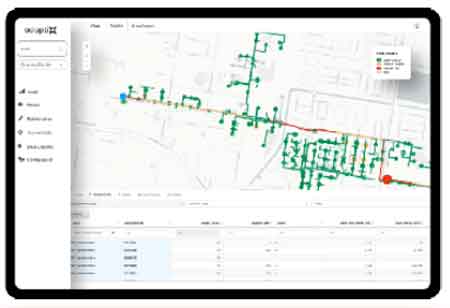
As utilities expand digital monitoring capabilities, many organizations integrate monitoring data with platforms such as ADMS. These systems combine operational measurements with network models, enabling operators to evaluate switching decisions, load conditions, and feeder configurations in real time.
Power grid monitoring systems provide visibility across the electrical grid, allowing utilities to monitor conditions throughout the transmission and distribution infrastructure.
Sensors, substation telemetry, and feeder monitoring devices collect electrical measurements across distribution grids, while advanced metering devices such as smart meters provide additional operational data from the grid edge.
By combining these measurement sources, utilities gain a clearer understanding of voltage conditions, feeder loading, and system performance across both transmission and distribution networks.
Monitoring systems rely on a wide range of sensing technologies deployed across transmission and distribution infrastructure. Line sensors measure current flow and voltage along feeders, allowing utilities to detect overload conditions and identify abnormal electrical behavior before failures occur.
Utilities increasingly deploy specialized devices such as phasor measurement units that capture time synchronized voltage and current data. These measurements allow operators to analyze grid stability and identify disturbances that propagate across large portions of the network.
Distribution monitoring sensors installed along feeders provide detailed visibility into localized conditions. Devices such as Line Sensors for Utilities help utilities detect voltage deviations, phase imbalance, and feeder loading patterns that would otherwise remain invisible between substations and customer endpoints.
Substations serve as primary measurement points for grid monitoring systems. Protection relays, intelligent electronic devices, and digital meters continuously report operational data such as voltage levels, breaker status, and transformer loading.
Substation monitoring platforms provide the first indication of many system disturbances. When voltage drops, fault currents occur, or protective devices operate, telemetry data allows operators to determine the location and severity of the event within seconds.
Monitoring data is also essential for advanced operational platforms such as Advanced Distribution Management System Benefits. These platforms combine telemetry with network modeling to support switching analysis, outage management, and voltage optimization.
Fault detection is one of the most critical roles of grid monitoring systems. Sensors and intelligent devices continuously monitor current and voltage levels, enabling utilities to detect abnormal conditions such as short circuits, phase imbalances, and equipment failures.
Advanced monitoring environments increasingly incorporate analytics that support Electrical Fault Detection. These systems analyze telemetry streams and identify electrical patterns that indicate emerging faults before protection systems operate.
Monitoring platforms also support power quality analysis. Voltage sags, harmonics, and transient disturbances can degrade equipment performance and create operational risk. Utilities therefore analyze telemetry and meter data to identify areas of the network where voltage regulation or infrastructure upgrades may be required.
Modern monitoring systems extend beyond simple telemetry collection. Utilities now combine measurement data with analytics platforms that evaluate grid conditions across thousands or millions of endpoints.
Large utilities increasingly integrate monitoring data from sensors, advanced meters, and operational systems to create a comprehensive view of grid behavior. In one large distribution deployment, monitoring systems and analytics were used to observe electrical conditions across more than 1.1 million endpoints, improving outage visibility and operational awareness across the network.
Analytics platforms convert telemetry data into operational insights that support predictive maintenance and asset management. Systems such as Predictive Maintenance for Utilities analyze historical measurements to identify patterns indicating deteriorating equipment conditions.
Stay informed with our FREE Vision AI, Inspection & Field Intelligence Newsletter — get the latest news, breakthrough technologies, and expert insights, delivered straight to your inbox.
Smart grid environments depend on integrated monitoring platforms that combine sensor networks, analytics, and control systems. Monitoring data flows into operational platforms where it supports voltage control, load balancing, outage management, and system planning.
Operational coordination across modern networks increasingly relies on integrated control platforms such as Grid Management Solutions. These systems combine telemetry, analytics, and control capabilities to maintain stable operation across complex distribution networks with distributed energy resources.
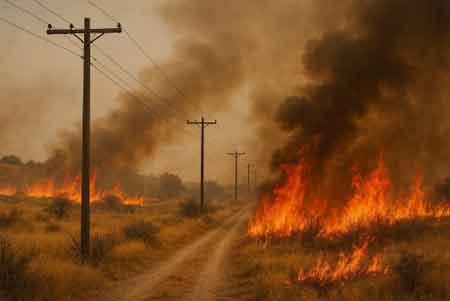
Monitoring systems also support situational awareness during abnormal events such as storms or equipment failures. When operators can observe voltage behavior, feeder loading, and device status in real time, they can isolate faults more quickly and restore service more efficiently.
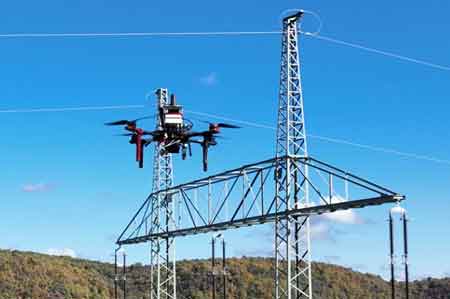
Monitoring systems continuously measure electrical conditions via sensors and telemetry, whereas inspection programs, such as drone or aerial surveys, assess the physical condition of grid assets at specific intervals.
The most important distinction is that monitoring systems provide continuous operational visibility, while inspection programs identify physical asset conditions through field observation. Monitoring platforms allow utilities to understand how the grid is behaving electrically at every moment, enabling faster fault detection, improved reliability, and more informed operational decisions.
Explore 50+ live, expert-led electrical training courses –