Fault Analysis in Power System Using AI Waveform Intelligence
By Nico Payne, PE - San Diego Gas & Electric Company
By Nico Payne, PE - San Diego Gas & Electric Company
Fault analysis in power system uses AI waveform intelligence and system data to identify fault cause, determine affected equipment, and guide engineering response, enabling utilities to prevent equipment failure, improve protection coordination, and strengthen grid reliability.
Fault detection confirms the presence of an abnormal electrical condition. Fault analysis determines what that condition means. Once detection systems identify waveform instability or a fault, engineering teams must understand its origin, severity, and operational implications. Fault analysis in power system provides the technical interpretation required to protect infrastructure and prevent reliability degradation.
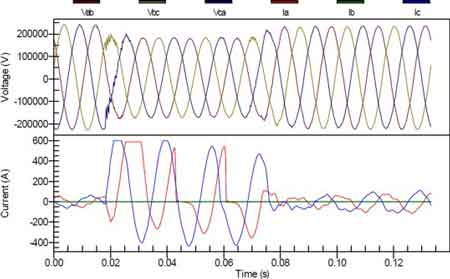
This interpretation begins with waveform behavior. Every fault alters electrical characteristics in measurable ways. Voltage collapse, changes in current magnitude, and transient signatures reflect the physical mechanism underlying the fault. By examining these characteristics, engineers can determine whether the fault originated from insulation breakdown, conductor contact, equipment failure, or external interference.
Fault analysis in power system depends on interpreting waveform signatures rather than simply confirming fault presence. Electrical faults produce distinct waveform characteristics that reflect the physical process occurring within the system.
For example, insulation failure often produces transient discharge activity before sustained fault current develops. Conductor contact faults create asymmetric current behavior between phases. Equipment failures introduce harmonic distortion and abnormal transient patterns. These waveform signatures provide direct evidence of the fault mechanism.
AI waveform analysis strengthens this process by evaluating waveform structure continuously and identifying patterns associated with known fault conditions. Instead of relying solely on relay operation records, engineers can interpret the electrical evolution of the fault itself using advanced AI fault detection systems that continuously analyze waveform intelligence across energized infrastructure.
Stay informed with our FREE GenAI Copilots, Knowledge & Workforce Newsletter — get the latest news, breakthrough technologies, and expert insights, delivered straight to your inbox.
This capability allows fault analysis to begin earlier and with greater precision.
Fault analysis in power system requires more than waveform interpretation. Engineers must understand how the fault interacts with system topology, protection settings, and equipment configuration. The same waveform signature may have different implications depending on where it occurs within the network.
Modern detection platforms continuously evaluate waveform behavior and electrical conditions across energized circuits using advanced electrical fault detection systems. These systems provide the continuous fault visibility required to support accurate engineering interpretation and response.
By integrating waveform intelligence with circuit models and protection coordination data, fault analysis systems determine which equipment is affected and how the fault propagates through the system. This context allows engineers to evaluate the operational impact of the fault and identify the most appropriate response.
Many faults evolve gradually before sustained failure develops. These precursor conditions are first identified by incipient fault detection systems, enabling engineers to investigate electrical instability before equipment damage occurs.
Distribution systems generate enormous volumes of electrical data. Manual fault analysis cannot scale to system-wide operation. AI enables continuous fault analysis in power system by interpreting waveform behavior and system conditions automatically.
Machine learning models analyze waveform features, transient signatures, and phase relationships to identify fault mechanisms. These models distinguish between different types of faults and determine their likely causes.
This automated analysis allows engineering teams to respond quickly and accurately. Instead of blindly investigating faults, engineers receive analysis results that identify the fault mechanism and the affected equipment.
This interpreted fault intelligence plays a critical role in maintaining long-term power system reliability, enabling utilities to prevent fault escalation and protect infrastructure before service interruption occurs.
Fault analysis becomes operationally valuable when it supports engineering decision-making. GenAI copilots interpret fault analysis results and present engineers with clear, actionable insights.
These systems explain waveform abnormalities, identify probable fault mechanisms, and indicate affected system components. Engineers can evaluate fault severity and determine whether immediate intervention is required.
This capability forms a critical part of the evolving AI-augmented utility workforce, where engineers rely on continuously interpreted electrical intelligence to guide reliability decisions and infrastructure protection.
By translating fault analysis results into operational guidance, GenAI copilots strengthen engineering response and improve reliability outcomes.
Fault analysis in power system represents a critical transition from reactive fault response to predictive reliability management. By interpreting waveform intelligence and system context, engineers can identify fault causes, protect equipment, and prevent reliability degradation.
This analytical capability allows utilities to intervene before faults escalate into widespread outages. Equipment damage can be minimized. Service interruptions can be reduced. System stability can be preserved.
As electrical infrastructure becomes more complex, fault analysis will become increasingly central to grid reliability. AI waveform intelligence and GenAI copilots provide the tools engineers need to understand fault conditions and respond effectively.
Fault analysis in power system transforms detection into engineering insight, allowing utilities to protect infrastructure and maintain reliable electrical service.
Think you know GenAI Copilots, Knowledge & Workforce? Take our quick, interactive quiz and test your knowledge in minutes.
Explore 50+ live, expert-led electrical training courses –