GenAI Copilots for Utility Engineering
By R.W. Hurst, Senior Editor
By R.W. Hurst, Senior Editor
GenAI copilots for utility engineering use AI waveform intelligence, system telemetry, and operational data to interpret grid conditions, identify developing faults, and support engineering decisions, enabling utilities to improve reliability, accelerate response, and manage increasingly complex electrical infrastructure.
Utility engineering has always depended on the ability to interpret electrical system behavior and act before instability becomes failure. As electrical infrastructure expands and becomes more interconnected, the volume of system data has exceeded the capacity of manual engineering review. GenAI copilots introduce a new operational capability by continuously interpreting waveform behavior, protection system activity, and asset condition data to support engineering decision-making.
These copilots do not replace engineers. They extend engineering visibility across the entire grid, allowing utilities to detect degradation earlier, analyze faults more accurately, and maintain system reliability more effectively.
The result is a shift from reactive engineering response to continuous, intelligence-driven grid management.
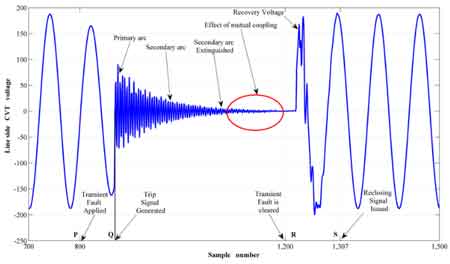
Every energized electrical system produces a waveform and operational data that reflect its physical condition. Voltage and current waveforms respond to load variation, insulation integrity, equipment performance, and system disturbances. These signals contain early indicators of degradation long before protection systems operate.
GenAI copilots continuously evaluate these electrical signatures using inputs derived from systems such as AI fault detection, which identify waveform instability associated with insulation breakdown, conductor deterioration, and asset stress before conventional protection devices respond.
Instead of requiring engineers to manually review oscillography or protection event records, copilots interpret waveform patterns automatically and present engineering conclusions. This allows engineers to identify reliability risks earlier and respond before faults escalate.
Stay informed with our FREE GenAI Copilots, Knowledge & Workforce Newsletter — get the latest news, breakthrough technologies, and expert insights, delivered straight to your inbox.
Engineering awareness becomes continuous rather than event-driven.
Detecting abnormal electrical behavior is only the first step. Engineering decisions depend on understanding what those conditions mean, where they are occurring, and how they affect system operation.
GenAI copilots integrate insights from platforms that perform continuous electrical fault detection, enabling engineers to identify fault presence, classify abnormal conditions, and understand how electrical instability develops across distribution feeders.
Copilots also incorporate predictive insights derived from incipient fault detection, which identifies precursor electrical disturbances and degradation signatures that indicate developing equipment failure days or weeks before sustained faults occur.
By integrating detection and prediction, copilots convert raw electrical data into actionable engineering intelligence.
When faults develop, engineers must determine their cause, mechanism, and operational implications. This process requires interpreting waveform signatures, system topology, and protection system behavior.
GenAI copilots accelerate this process by incorporating engineering interpretation methods similar to those described in fault analysis in power system, allowing engineers to identify fault origin, distinguish between fault types, and understand operational impact more quickly.
Instead of spending time locating and diagnosing faults manually, engineers can focus on validating analysis and executing corrective strategies.
This accelerates engineering response and reduces system risk.
Power system reliability depends on the ability to detect degradation, interpret fault conditions, and act before infrastructure failure occurs. GenAI copilots strengthen this capability by continuously monitoring system condition and presenting interpreted engineering insight.
This continuous engineering visibility directly strengthens power system reliability, enabling utilities to identify developing faults earlier, protect critical infrastructure, and maintain stable electrical service across transmission and distribution networks.
Reliability management becomes proactive rather than reactive.
Utilities can better protect infrastructure, reduce outages, and maintain stable system operation.
GenAI copilots function as engineering intelligence systems that operate continuously alongside human engineers. They monitor system conditions, interpret waveform behavior, and present engineering conclusions, but final decisions always remain under human authority.
This operational model represents a fundamental shift toward an AI-augmented utility workforce, in which engineers supervise intelligent digital agents that continuously interpret grid conditions and assist with engineering decision-making workflows.
Engineers supervise the copilot's interpretation, validate recommendations, and determine appropriate response actions. This human-in-the-loop structure ensures that engineering expertise governs system operation while benefiting from continuous analytical support.
The role of the engineer evolves from manual data review to supervisory interpretation and operational decision-making.
Engineering capability expands without sacrificing accountability.
Electrical infrastructure is becoming more complex due to electrification, distributed energy integration, and aging equipment. Managing this complexity requires continuous system awareness and rapid engineering response.
GenAI copilots provide the analytical capability required to maintain visibility across modern power systems. By integrating waveform intelligence, fault detection, predictive analysis, and system context, these copilots enable utilities to operate electrical infrastructure more safely and reliably.
Utilities that adopt GenAI copilots can anticipate faults, protect infrastructure, and improve operational efficiency.
GenAI copilots represent the next evolution of utility engineering, transforming electrical system data into continuous engineering intelligence that supports reliable grid operation.
Download our FREE Electrical Training Catalog and explore a full range of expert-led electrical training courses.

Advantages To Instructor-Led Training – Instructor-Led Course, Customized Training, Multiple Locations, Economical, CEU Credits, Course Discounts.
Request For QuotationWhether you would prefer Live Online or In-Person instruction, our electrical training courses can be tailored to meet your company's specific requirements and delivered to your employees in one location or at various locations.