New York diaries to receive power discounts

By Dairy Herd


NFPA 70e Training

Our customized live online or in‑person group training can be delivered to your staff at your location.

  • Live Online
  • 6 hours Instructor-led
  • Group Training Available
Regular Price:
$199
Coupon Price:
$149
Reserve Your Seat Today
Governor David A. Paterson announced that more than 3,500 Northern New York businesses and dairy farms will receive an approximately 9 percent discount on their electric bill for the next year.

The savings will only go to St. Lawrence, Jefferson and Franklin counties and will be worth an average of $1,200 for each electric customer – with some of the largest electricity users possibly saving up to $250,000 over the period.

The New York Power Authority (NYPA) developed the temporary power discount program in conjunction with the GovernorÂ’s Office, and could result in up to $10 million in total savings. The Governor made the announcement at Wood Farms in Cape Vincent.

“During these difficult economic times, New York’s small businesses and our dairy farms are struggling to get by, and every little bit can help. Electric bills make up one of the largest expenses for any business, and this discount can help businesses and dairy farms in St. Lawrence, Jefferson and Franklin counties make it through the next year,” says Paterson. “This effort will harness one of the North Country’s greatest assets — low-cost hydropower — to provide millions of dollars in savings to North Country businesses and dairy farms, reflecting our determination to direct the benefits of the St. Lawrence-FDR project to revitalize the region’s economy.”

The program is made possible through an agreement between NYPA, National Grid and New York State Electric and Gas (NYSEG) that applies temporary monthly credits to eligible customersÂ’ electric bills. The program is funded from the sale of unused St. Lawrence-FDR power into the StateÂ’s wholesale electricity market. The power, which has been freed up due to the temporary curtailing of operations by Alcoa at the Massena East plant, is from a block of 490 megawatts of electricity known as Preservation Power reserved under a 2005 State law for businesses in St. Lawrence, Jefferson and Franklin counties.

Eligible customers will see a temporary reduction in their electricity costs for up to 12 months, most beginning with their November bills. The plan will also apply to the St. Regis Mohawk Tribe for the same designated customer groups in the Akwesasne community.

Dairy farms will receive a letter from both NYPA and the Department of Agriculture and Markets in the coming days and must apply to NYPA to participate in the program.

In May, the NYPA Board of Trustees authorized the North Country Power Discount Program, whose one-year term anticipates the return of aluminum production at the Massena East smelter. This discount will be applied to the monthly utility bills of National Grid and NYSEG and will be listed as a NYPA Temporary Electricity Credit for the eligible customers. Other customers, such as dairy farms, will receive direct payments from the Power Authority.

Among the Northern New York employers to benefit from the Power Discount Program are Samaritan Medical Center, Chapin Watermatics and Stature Electric, all in Watertown, N.Y.; Corning and St. Lawrence University, both in Canton, N.Y.; Clarkson University in Potsdam, N.Y.; and Agri-Mark in Chateaugay, N.Y.

Related News

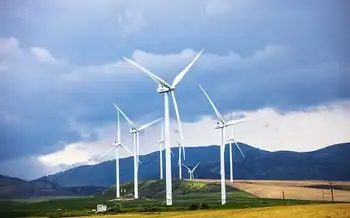
Joni Ernst calls Trump's wind turbine cancer claim 'ridiculous'

Wind Turbine Cancer Claim debunked: Iowa Republican senators back wind energy as fact-checks and DOE research find no link between turbine noise and cancer, limited effects on property values, and manageable wildlife impacts.


Key Points

Claims that turbine noise causes cancer, dismissed by studies and officials as unsupported by evidence.

✅ Grassley and Ernst call the claim idiotic and ridiculous

✅ DOE studies find no cancer link; property impacts limited

✅ Wildlife impacts mitigated; climate change poses larger risks


President Donald Trump may not be a fan of wind turbines, as shown by his pledge to scrap offshore wind projects earlier, suggesting that the noise they produce may cause cancer, but Iowa's Republican senators are big fans of wind energy.

Sen. Chuck Grassley called Trump's cancer claim "idiotic." On Thursday, Sen. Joni Ernst called the statement "ridiculous."

"I would say it's ridiculous. It's ridiculous," Ernst said, according to WHO-TV.

She likened the claim that wind turbine noise causes cancer to the idea that church bells do the same.

"I have church bells that ring all the time across from my office here in D.C. and I know that noise doesn't give me cancer, otherwise I'd have 'church bell cancer,'" Ernst said, adding that she is "thrilled" to have wind energy generation in Iowa, which aligns with a quarter-million wind jobs forecast nationwide. "I don't know what the president is drawing from."

Trump has a history of degrading wind energy and wind turbines that dates back long before his Tuesday claim that turbines harm property values and cause cancer, and often overlooks Texas grid constraints that can force turbines offline at times.

Not only are wind farms disgusting looking, but even worse they are bad for people's health.

"Not only are wind farms disgusting looking, but even worse, they are bad for people's health," Trump tweeted back in 2012.

Repeated fact-checks have found no scientific evidence to support the claim that wind turbines and the noise they make can cause cancer. The White House has reportedly provided no evidence to support Trump's cancer claim when asked this week

"It just seems like every time you turn around there's another thing the president is saying -- wind power causes cancer, I associate myself with the remarks of Chairman Grassley -- it's an 'idiotic' statement," Pelosi said in her weekly news conference on Thursday.

The president made his latest claim about wind turbines in a speech on Tuesday at a Republican spring dinner, as the industry continued recovering from the COVID-19 crisis that hit solar and wind energy.

"If you have a windmill anywhere near your house, congratulations, your house just went down 75 percent in value -- and they say the noise causes cancer," Trump said Tuesday, swinging his arm in a circle and making a cranking sound to imitate the noise of windmill blades. "And of course it's like a graveyard for birds. If you love birds, you never want to walk under a windmill. It’s a sad, sad sight."

Wind turbines are not, in fact, proven to have widespread negative impacts on property values, according to the Department of Energy's Office of Scientific and Technical Information in the largest study done so far in the U.S., even as some warn that a solar ITC extension could be devastating for the wind market, and there is no peer-reviewed data to back up the claim that the noise causes cancer.

I am considered a world-class expert in tourism. When you say, 'Where is the expert and where is the evidence?' I say: I am the evidence.

It's true wildlife is affected by wind turbines -- particularly birds and bats, with research showing whooping cranes avoid turbines when selecting stopover sites. One study estimated between 140,000 and 328,000 birds are killed annually by collisions with turbines across the U.S. The U.S. Energy Information Administration estimated, however, that other human-related impacts also contribute to declines in population.

The wind industry works with biologists to find solutions to the impact of turbines on wildlife, and the Department of Energy awards grants each year to researchers addressing the issue, even as the sector faced pandemic investment risks in 2020. But, overall, scientists warn that climate change itself is a bigger threat to bird populations than wind turbines, according to the National Audobon Society.

Speaker Nancy Pelosi: "It just seems like every time you turn around, there's another thing. The president is saying wind power causes cancer. I associate myself with the remarks of Chairman Grassley; It's an 'idiotic' statement"


Related News

View more

New Power Grid “Report Card” Reveal Dangerous Vulnerabilities

U.S. Power Grid D+ Rating underscores aging infrastructure, rising outages, cyber threats, EMP and solar flare risks, strained transmission lines, vulnerable transformers, and slow permitting, amplifying reliability concerns and resilience needs across national energy systems.


Key Points

ASCE's D+ grade flags aging infrastructure, rising outages, and cyber, EMP, and weather risks needing investment.

✅ Major outages rising; weather remains top disruption driver.

✅ Aging transformers, transmission lines, limited maintenance.

✅ Cybersecurity gaps via smart grid, EV charging, SCADA.


The U.S. power grid just received its “grade card” from the American Society of Civil Engineers (ASCE) and it barely passed.

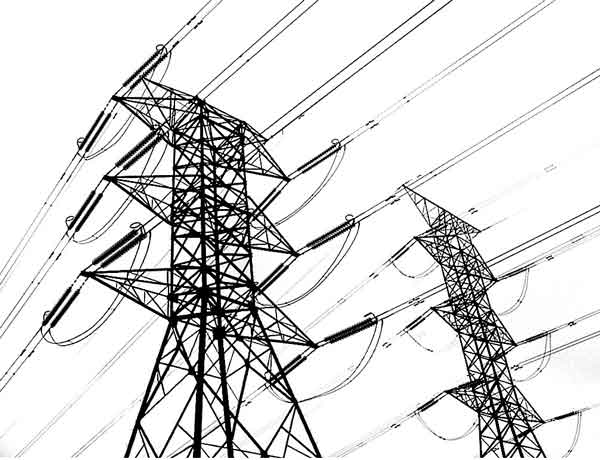
The overall rating of our antiquated electrical system was a D+. Major power outages in the United States, including widespread blackouts, have grown from 76 in 2007 to 307 in 2011, according to the latest available statistics. The major outage figures do not take into account all of the smaller outages which routinely occur due to seasonal storms.

The American Society of Civil Engineers power grid grade card rating means the energy infrastructure is in “poor to fair condition and mostly below standard, with many elements approaching the end of their service life.” It further means a “large portion of the system exhibits significant deterioration” with a “strong risk of failure.”

Such a designation is not reassuring and validates those who purchased solar generators over the past several years.

#google#

The vulnerable state of the power grid gets very little play by mainstream media outlets. Concerns about a solar flare or an electromagnetic pulse (EMP) attack instantly sending us back to an 1800s existence are legitimate, but it may not take such an extreme act to render the power grid a useless tangle of wires. The majority of the United States’ infrastructure and public systems evaluated by the ASCE earned a “D” rating. A “C” ranking (public parks, rail and bridges) was the highest grade earned. It would take a total of $3.6 trillion in investments by 2020 to fix everything, the report card stated. To put that number in perspective, the federal government’s budget for all of 2012 was slightly more, $3.7 trillion.

“America relies on an aging electrical grid and pipeline distribution systems, some of which originated in the 1880s,” the report read. “Investment in power transmission has increased since 2005, but ongoing permitting issues, weather events, including summer blackouts that strain local systems, and limited maintenance have contributed to an increasing number of failures and power interruptions. While demand for electricity has remained level, the availability of energy in the form of electricity, natural gas, and oil will become a greater challenge after 2020 as the population increases. Although about 17,000 miles of additional high-voltage transmission lines and significant oil and gas pipelines are planned over the next five years, permitting and siting issues threaten their completion. The electric grid in the United States consists of a system of interconnected power generation, transmission facilities, and distribution facilities.”


Harness the power of the sun when the power goes out…

There are approximately 400,000 miles of electrical transmission lines throughout the United States, and thousands of power generating plants dot the landscape. The ASCE report card also stated that new gas-fired and renewable generation issues increase the need to add new transmission lines. Antiquated power grid equipment has reportedly prompted even more “intermittent” power outages in recent years.

The American Society of Civil Engineers accurately notes that the power grid is more vulnerable to cyber attacks than ever before, including Russian intrusions documented in recent years, and it cites the aging electrical system as the primary culprit. Although the decades-old transformers and other equipment necessary to keep power flowing around America are a major factor in the enhanced vulnerability of the power grid, moving towards a “smart grid” system is not the answer. As previously reported by Off The Grid News, smart grid systems and even electric car charging stations make the power grid more accessible to cyber hackers. During the Hack in the Box Conference in Amsterdam, HP ArcSight Product Manager Ofer Sheaf stated that electric car charging stations are in essence a computer on the street. The roadway fueling stations are linked to the power grid electrical system. If cyber hackers garner access to the power grid via the charging stations, they could stop the flow of power to a specific area or alter energy distribution levels and overload the system.

While a relatively small number of electric car charging stations exist in America now, that soon will change. Ongoing efforts by both federal and state governments to reduce our reliance on fossil fuels have resulted in grants and privately funded vehicle charging station projects. New York Governor Andrew Cuomo in April announced plans to build 360 such electrical stations in his state. A total of 3,000 car charging stations are in the works statewide and are slated for completion over the next five years.

SHIELD ActWeather-related events were the primary cause of power outages from 2007 to 2012, according to the infrastructure report card. Power grid reliability issues are emerging as the greatest threat to the electrical system, with rising attacks on substations compounding the risks. The ASCE grade card also notes that retiring and rotating in “new energy sources” is a “complex” process. Like most items we routinely purchase in our daily lives, many of the components needed to make the power grid functional are not manufactured in the United States.

The SHIELD Act is the first real piece of federal legislation in years drafted to address power grid vulnerabilities. While the single bill will not fix all of the electrical system issues, it is a big step in the right direction – if it ever makes it out of committee. Replacing aging transformers, encasing them in a high-tech version of a Faraday cage, and stockpiling extra units so instant repairs are possible would help preserve one of the nation’s most critical and life-saving pieces of infrastructure after a weather-related incident or man-made disaster.

“Geomagnetic storm environments can develop instantaneously over large geographic footprints,” solar geomagnetic researcher John Kappenman said about the fragile state of the power grid. He was quoted in an Oak Ridge National Laboratory report. “They have the ability to essentially blanket the continent with an intense threat environment and … produce significant collateral damage to critical infrastructures. In contrast to well-conceived design standards that have been successfully applied for more conventional threats, no comprehensive design criteria have ever been considered to check the impact of the geomagnetic storm environments. The design actions that have occurred over many decades have greatly escalated the dangers posed by these storm threats for this critical infrastructure.”

The power grid has morphed in size tenfold during the past 50 years. While solar flares, cyber attacks, and an EMP are perhaps the most extensive and frightening threats to the electrical system, the infrastructure could just as easily fail in large portions due to weather-related events exacerbated by climate change across regions. The power grid is basically a ticking time bomb which will spawn civil unrest, lack of food, clean water, and a multitude of fires if it does go down.


Related News

View more

U.S. Speeds Up Permitting for Geothermal Energy

Geothermal Emergency Permitting accelerates BLM approvals on public lands via categorical exclusions for exploratory drilling and geophysical surveys, boosting domestic energy security, cutting timelines by up to a year, and streamlining low-impact reviews.


Key Points

A policy fast-tracking geothermal exploration on public lands, using BLM categorical exclusions to cut review delays.

✅ Categorical exclusions speed exploratory drilling approvals

✅ Cuts permitting timelines by up to one year

✅ Focused on public lands to enhance energy security


In a significant policy shift, the U.S. Department of the Interior has introduced emergency permitting procedures aimed at expediting the development of geothermal energy projects. This initiative, announced on May 30, 2025, is part of a broader strategy to enhance domestic energy production, seen in proposals to replace Obama's power plant overhaul and reduce reliance on foreign energy sources.

Background and Rationale

The decision to fast-track geothermal energy projects comes in the wake of President Donald Trump's declaration of a national energy emergency, which faces a legal challenge from Washington's attorney general, on January 20, 2025. This declaration cited high energy costs and an unreliable energy grid as threats to national security and economic prosperity. While the emergency order includes traditional energy resources such as oil, gas, coal, and uranium and nuclear energy resources, it notably excludes renewable sources like solar, wind, and hydrogen from its scope.

Geothermal energy, which harnesses heat from beneath the Earth's surface to generate electricity, is considered a reliable and low-emission energy source. However, its development has been hindered by lengthy permitting processes and environmental reviews, with recent NEPA rule changes influencing timelines. The new emergency permitting procedures aim to address these challenges by streamlining the approval process for geothermal projects.

Key Features of the Emergency Permitting Procedures

Under the new guidelines, the Bureau of Land Management (BLM) has adopted categorical exclusions to expedite the review and approval of geothermal energy exploration on public lands. These exclusions allow for faster permitting of low-impact activities, such as drilling exploratory wells and conducting geophysical surveys, without the need for extensive environmental assessments.

Additionally, the BLM has proposed a new categorical exclusion that would apply to operations related to the search for indirect evidence of geothermal resources. This proposal is currently open for public comment and, if finalized, would further accelerate the discovery of new geothermal resources on public lands.

Expected Impact on Geothermal Energy Development

The implementation of these emergency permitting procedures is expected to significantly reduce the time and cost associated with developing geothermal energy projects. According to the Department of the Interior, the new measures could cut permitting timelines by up to a year for certain types of geothermal exploration activities.

This acceleration in project development is particularly important given the untapped geothermal potential in regions like Nevada, which is home to some of the largest undeveloped geothermal resources in the country.

Industry and Environmental Reactions

The geothermal industry has largely welcomed the new permitting procedures, viewing them as a necessary step to unlock the full potential of geothermal energy. Industry advocates argue that reducing permitting delays will facilitate the deployment of geothermal projects, contributing to a more reliable and sustainable energy grid amid debates over electricity pricing changes that affect market signals.

However, the exclusion of solar and wind energy projects from the emergency permitting procedures has drawn criticism from some environmental groups. Critics argue that a comprehensive approach to energy development should include all renewable sources, not just geothermal, to effectively address climate change, as reflected in new EPA pollution limits for coal and gas power plants, and promote energy sustainability.

The U.S. government's move to implement emergency permitting procedures for geothermal energy development marks a significant step toward enhancing domestic energy production and reducing reliance on foreign energy sources. By streamlining the approval process for geothermal projects, the administration aims to accelerate the deployment of this reliable and low-emission energy source. While the exclusion of other renewable energy sources from the emergency procedures has sparked debate, especially after states like California halted an energy rebate program during a federal freeze, the focus on geothermal energy underscores its potential role in the nation's energy future.


Related News

View more

BC Hydro says province sleeping in, showering less in pandemic

BC Hydro pandemic electricity trends reveal weekend-like energy consumption patterns: later morning demand, earlier evenings, more cooking, streaming on smart TVs, and work-from-home routines, with tips to conserve using laptops and small appliances.


Key Points

Weekend-like shifts in power demand from work-from-home routines: later mornings, earlier evenings, and more streaming.

✅ Later morning electricity demand; earlier evening peaks

✅ More cooking and baking; increased streaming after dinner

✅ Conservation tips: laptops, small appliances, smart TVs


The latest report on electricity usage in British Columbia reveals the COVID-19 pandemic has created an atmosphere where every day feels like a Saturday, a pattern also reflected in BC electricity demand during peak seasons.

BC Hydro says overall power usage hasn't changed much, but similar Ontario electricity demand shifts suggest regional differences, while Manitoba demand fell more noticeably, and a survey of 500 people shows daily routines have shifted dramatically since mid-March when pandemic-related closures began.

The hydro report says, with nearly 40 per cent of B.C. residents working from home, trends in residential electricity use confirm almost half are sleeping in and eating breakfast later, while about a quarter say they are showering less.

Those patterns more closely resemble what hydro says is typical weekend power consumption, and could influence time-of-use rates as electricity demand occurs later in the morning and earlier in the evening.

The report also finds many people are cooking and baking more than before the pandemic, preparing the evening meal earlier, streaming or viewing more television after dinner even as Ottawa's electricity consumption dipped earlier in the pandemic, and 80 per cent are going to bed later.

Although electricity use is normal for this time of year, hydro says homebound residents can conserve by using laptops instead of desktops, small appliances such as Instant Pots instead of ovens, and streaming movies or TV shows on a smart televisions instead of game consoles, even as Hydro One peak rates continue to shape consumption patterns elsewhere.


Related News

View more

Secret Liberal cabinet document reveals Electricity prices to soar

Ontario Hydro Rate Relief Plan delivers short-term electricity bill cuts, while leaked cabinet forecasts show inflation-linked hikes, borrowing costs, and a Clean Energy Adjustment under the province's long-term energy plan.


Key Points

A provincial plan that cuts bills now but defers costs, projecting rate hikes and adding a Clean Energy Adjustment.

✅ 25% cut now, after 8% HST relief; extra 17% reduction applied.

✅ Forecast: inflation-linked hikes later; borrowing adds long-term costs.

✅ Clean Energy Adjustment line to repay deferred system costs.


The short-term gain of a 25 per cent hydro rate cut this summer could lead to long-term pain as a leaked cabinet document forecasts prices jumping again in five years.

In the briefing materials leaked and obtained by the Progressive Conservatives, rates will start rising 6.5 per cent a year in 2022 and top out at 10.5 per cent in 2028, when average monthly bills hit $215.

That would be up from $123 this year once the rate cut — the subject of long-awaited legislation to lower electricity rates unveiled Thursday by Energy Minister Glenn Thibeault — takes full effect. There will be another 17-per-cent cut in addition to the 8 per cent taken off bills in January when the provincial portion of the HST was waived.

The leaked papers overshadowed Thibeault’s efforts to tout the price break, which will be followed with four years of hydro rate increases at 2 per cent, roughly the rate of inflation.

Thibeault charged that the Conservatives used an “outdated” document to distract from the fact that they are the only major party without a plan for dealing with skyrocketing hydro rates, with a year to go until next June’s provincial election.

“It’s not a coincidence,” he told reporters, denying any plans for an eventual 10.5-per-cent rate hike and promising the government’s new long-term energy plan, due in a few months, will have better numbers.

“We are working hard right now to continue to pull costs out of the system.”

Opposition parties said the Liberal plan doesn’t deal with the underlying problems that have made electricity expensive and simply borrows money to spread the costs over a longer period of time, with $25 billion in interest charges over 30 years.

Some observers also noted that a deal with Quebec would not reduce hydro bills, highlighting concerns about lasting affordability.

“The price of electricity is going to skyrocket after the next election,” warned Conservative MPP Todd Smith (Prince Edward—Hastings).

“The government isn’t being honest with the people of Ontario when it comes to the price of electricity.”

The documents show average monthly bills peaking at $231 in the year 2047, before falling back to $210 the following year once the 30 years of interest payments are over.

Conservative sources say they obtained the papers stamped “confidential cabinet document” from a whistleblower after Thibeault’s rate cut plan was presented to cabinet ministers at a meeting in early March.

There is no date on the document, which the energy minister alternately dismissed as “inaccurate” or possibly one of many that have been prepared with different options in mind.

“We’ve had hundreds of briefings with hundreds of documents … I can’t comment on one graph when we’ve been looking at hundreds of scenarios.”

New Democrats, who have proposed a scheme to cut rates, if elected, also called the government plan an election ploy with Liberals lagging in the polls.

“We’re going to take on a huge debt so (Premier) Kathleen Wynne can look good on the hustings in the next few months, and for decades we’re going to pay for it,” said MPP Peter Tabuns (Toronto-Danforth).

Thibeault acknowledged the Liberal plan will start repaying borrowed money in the mid- or late 2020s and it will show up separately on hydro bills as the “Clean Energy Adjustment”, a kind of electricity recovery rate that could raise costs.


Related News

View more

Yet another Irish electricity provider is increasing its prices

Electric Ireland Electricity Price Increase stems from rising wholesale costs as energy suppliers adjust tariffs. Customers face higher electricity bills, while gas remains unchanged; switching provider could deliver savings during winter.


Key Points

A 4% increase in Electric Ireland electricity prices from 1 Feb 2018, driven by wholesale costs; gas unchanged.

✅ 4% electricity rise effective 1 Feb 2018

✅ Increase attributed to rising wholesale energy costs

✅ Switching supplier may reduce bills and boost savings


ELECTRIC IRELAND has announced that it will increase its household electricity prices by 4% from 1 February 2018.

This comes just a week after both Bord Gáis Energy and SSE Airtricity announced increases in their gas and electricity prices, while national efforts to secure electricity supplies continue in parallel.

Electric Ireland has said that the electricity price increase is unavoidable due to the rising wholesale cost of electricity, with EU electricity prices trending higher as well.

The electricity provider said it has no plans to increase residential gas prices at the moment.

Commenting on the latest announcement, Eoin Clarke, managing director of Switcher.ie, said: “This is the third largest energy supplier to announce a price increase in the last week, so the other suppliers are probably not far behind.

“The fact that the rise is not coming into effect until 1 February will be welcomed by Electric Ireland customers who are worried about the rising cost of energy as winter sets in,” he said.

However, any increase is still bad news, especially as a quarter of consumers (27%) say their energy bill already puts them under financial pressure, and EU energy inflation has disproportionately affected lower-income households.

According to Electric Ireland, this will amount to a €2.91 per month increase for an average electricity customer, amounting to €35 per year.

Meanwhile, SSE Airtricity’s change amounts to an increase of 90 cent per week or €46.80 per year for someone with average consumption on their 24hr SmartSaver standard tariff, far below the dramatic Spain electricity price surge seen recently.

Bord Gáis Energy said its announcement will increase a typical gas bill by €2.12 a month and a typical electricity bill by €4.77 a month, reflecting wider trends such as the Germany power price spike reported recently.

In a statement, Bord Gáis Energy said: “The changes, which will take effect from 1st November 2017, are due to significant increases in the wholesale cost of energy as well as higher costs associated with distributing energy on the gas and electricity networks.

“In percentage terms, the increase represents 3.4% in a typical customer’s gas bill and an increase of 5.9% in a typical customer’s electricity bill.”

Clark said that if customers haven’t switched electricity provider in over a year that they should review the deals available at the moment.

“The market is highly competitive so there are huge savings to be made by switching,” he said.

“All suppliers use the same cables to supply electricity to your home, so you don’t need to worry about any loss in service, and you could save up to 324 by switching from typical standard tariffs to the cheapest deals on the market.”


Related News

View more

Sign Up for Electricity Forum’s Newsletter

Stay informed with our FREE Newsletter — get the latest news, breakthrough technologies, and expert insights, delivered straight to your inbox.

Electricity Today T&D Magazine Subscribe for FREE

Stay informed with the latest T&D policies and technologies.
  • Timely insights from industry experts
  • Practical solutions T&D engineers
  • Free access to every issue

Download the 2025 Electrical Training Catalog

Explore 50+ live, expert-led electrical training courses –

  • Interactive
  • Flexible
  • CEU-cerified