CSA Z463 Electrical Maintenance -
Our customized live online or in‑person group training can be delivered to your staff at your location.

- Live Online
- 6 hours Instructor-led
- Group Training Available
Regular Price:
$249
Coupon Price:
$199
The Central Electricity Regulatory Commission (CERC), India's power-sector regulator, is set to announce new parameters and criteria to determine the cost of power generation and transmission for thermal power plants.
The new norms will set the benchmark for capital costs of thermal power projects based on historical data. The CERC is working with a consortium of consultants including KPMG professional services to draft the new norms.
The current cost of thermal power generation and transmission is determined based on an estimate of $838,692 per megawatt (MW), which is also used as the basis for calculating tariffs. The CERC intends to do away with this generic criterion of evaluation, which also does not have a legal sanction. The new norms to be proposed by the Commission would establish a method of cost determination based on the technology and type of fuel used in the power plant and its power generation capacity.
The Commission is also reportedly in favor of setting fixed capital costs for power projects based on renewable sources of energy such as small hydroelectric, solar, wind and biomass units. The cost to produce 1 MW of power would be fixed and used as the basis to determine electricity tariffs and incentives for utilities. The capital cost would, however, vary every year based on the prices of raw materials.
The CERC is expected to complete a draft regulation pertaining to fixed capital costs for renewable energy projects within a week. Feedback on the draft regulation would be solicited from state power utilities, investors and non-governmental organizations until June 15, following which the draft would be vetted and the final norms would be announced by August 15.
The proposal to rationalize tariff terms for thermal power generation and transmission was first mooted in September 2008 when the Commission published a draft regulation on terms and conditions of tariff for the period 2009-14. According to the final draft published in January this year, the CERC proposed to enable a framework for determining capital cost benchmarks to facilitate prudence, do away with the requirements of provisional tariffs and set norms for the renovation and modernization of power stations beyond their normative useful life.
These proposals are aimed at rendering tariff fixation simpler and more objective by upfront fixation of tariffs based on actual incurred or projected capital expenditure, with a follow-up evaluation to take place in 2013-14. The CERC also proposed to rationalize additional expenditure by providing a separate compensation allowance that would address expenses not covered in the original scope of work without disturbing the capital base.
Related News
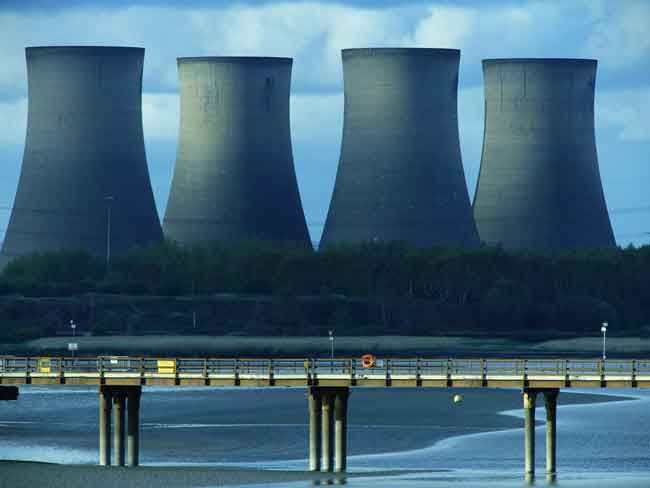
Why Atomic Energy Is Heating Up Again
Nuclear Power Revival drives decarbonization, climate change mitigation, and energy security with SMRs, Generation IV…
View more

UK Renewable Energy Auction: Boost for Wind and Tidal Power
UK Wind and Tidal Power Auction signals strong CfD support for offshore wind, tidal stream…
View more
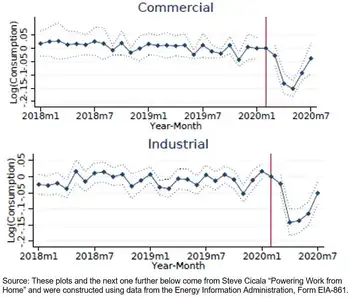
Four Facts about Covid and U.S. Electricity Consumption
COVID-19 Impact on U.S. Electricity Consumption shows commercial and industrial demand dropped as residential use…
View more
China's Path to Carbon Neutrality
China Unified Power Market enables carbon neutrality through renewable integration, cross-provincial electricity trading, smart grid…
View more

Survivors of deadly tornadoes may go weeks without heat, water, electricity, Kentucky officials say
Kentucky Tornado Recovery details Mayfield damage, death toll, power outages, boil-water advisories, shelter operations, and…
View more
A New Electric Boat Club Launches in Seattle
Aurelia Boat Club delivers electric boat membership in Seattle, featuring zero-emission propulsion, quiet cruising, sustainable…
View more
Sign Up for Electricity Forum’s Newsletter
Stay informed with our FREE Newsletter — get the latest news, breakthrough technologies, and expert insights, delivered straight to your inbox.
Electricity Today T&D Magazine Subscribe for FREE

Stay informed with the latest T&D policies and technologies.
- Timely insights from industry experts
- Practical solutions T&D engineers
- Free access to every issue
