By -- Canadian Corporate News


CSA Z463 Electrical Maintenance -

Our customized live online or in‑person group training can be delivered to your staff at your location.

  • Live Online
  • 6 hours Instructor-led
  • Group Training Available
Regular Price:
$249
Coupon Price:
$199
Reserve Your Seat Today
OTTAWA, ONTARIO (CCN Newswire via COMTEX) -- Canada and Mexico are committed to strengthening our already close relationship to the mutual benefit of both countries. Natural Resources Canada Minister Herb Dhaliwal and Mexican Secretary of Energy Ernesto Martens today signed an agreement for cooperation on a wide range of energy matters.

"Canada and Mexico have a longstanding and deepening trade relationship. As major energy producers, both our countries will benefit from sharing knowledge and expertise under this agreement," said Minister Dhaliwal. "It is very important for the Government of Canada to work with our counterparts in Mexico to create the environment where Canadians and Mexicans can cooperate in supporting the sustainable development of energy resources and pursuing alternative forms of energy."

The agreement identifies 11 possible areas of cooperation, including energy markets, regulation, energy efficiency, new and renewable energy, and research and development. A working group known as the Mexico-Canada Energy Bilateral Technical Mechanism will meet annually to discuss a work plan for various cooperation activities. The memorandum will remain in effect for five years.

Mexico is Canada's largest trading partner in Latin America and Canada's fourth-largest export market. It may soon surpass the United Kingdom to move into third place, behind United States and Japan. In addition, Canada is Mexico's second largest market.

In October 2001, Natural Resources Canada organized a successful energy mission of business representatives to Mexico City.

NRCan's news releases and backgrounders are available on the Internet at http://www.nrcan.gc.ca.

Related News

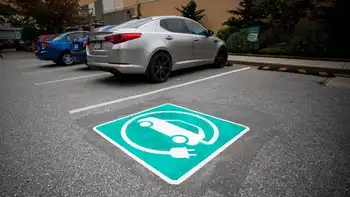
If B.C. wants to electrify all road vehicles by 2055, it will need to at least double its power output: study

B.C. EV Electrification 2055 projects grid capacity needs doubling to 37 GW, driven by electric vehicles, renewable energy expansion, wind and solar generation, limited natural gas, and policy mandates for zero-emission transportation.


Key Points

A projection that electrifying all B.C. road transport by 2055 would more than double grid demand to 37 GW.

✅ Site C adds 1.1 GW; rest from wind, solar, limited natural gas.

✅ Electricity price per kWh rises 9%, but fuel savings offset.

✅ Significant GHG cuts with 93% renewable grid under Clean Energy Act.


Researchers at the University of Victoria say that if B.C. were to shift to electric power for all road vehicles by 2055, the province would require more than double the electricity now being generated.

The findings are included in a study to be published in the November issue of the Applied Energy journal.

According to co-author and UVic professor Curran Crawford, the team at the university's Pacific Institute for Climate Solutions took B.C.'s 2015 electrical capacity of 15.6 gigawatts as a baseline, and added projected demands from population and economic growth, then added the increase that shifting to electric vehicles would require, while acknowledging power supply challenges that could arise.

They calculated the demand in 2055 would amount to 37 gigawatts, more than double 15.6 gigawatts used in 2015 as a baseline, and utilities warn of a potential EV charging bottleneck if demand ramps up faster than infrastructure.

"We wanted to understand what the electricity requirements are if you want to do that," he said. "It's possible — it would take some policy direction."

B.C. announces $4M in rebates for home and work EV charging stations across the province
The team took the planned Site C dam project into account, but that would only add 1.1 gigawatts of power. So assuming no other hydroelectric dams are planned, the remainder would likely have to come from wind and solar projects and some natural gas.

"Geothermal and biomass were also in the model," said Crawford, adding that they are more expensive electricity sources. "The model we were using, essentially, we're looking for the cheapest options."
Wind turbines on the Tantramar Marsh between Nova Scotia and New Brunswick tower over the Trans-Canada Highway. If British Columbia were to shift to 100 per cent electric-powered ground transportation by 2055, the province would have to significantly increase its wind and solar power generation. (Eric Woolliscroft/CBC)
The electricity bill, per kilowatt hour, would increase by nine per cent, according to the team's research, but Crawford said getting rid of the gasoline and diesel now used to fuel vehicles could amount to an overall cost saving, especially when combined with zero-emission vehicle incentives available to consumers.

The province introduced a law this year requiring that all new light-duty vehicles sold in B.C. be zero emission by 2040, while the federal 2035 EV mandate adds another policy signal, so the researchers figured 2055 was a reasonable date to imagine all vehicles on the road to be electric.

Crawford said hydrogen-powered vehicles weren't considered in the study, as the model used was already complicated enough, but hydrogen fuel would actually require more electricity for the electrolysis, when compared to energy stored in batteries.

Electric vehicles are approaching a tipping point as faster charging becomes more available — here's why
The study also found that shifting to all-electric ground transportation in B.C. would also mean a significant decrease in greenhouse gas emissions, assuming the Clean Energy Act remains in place, which mandates that 93 per cent of grid electricity must come from renewable resources, whereas nationally, about 18 per cent of electricity still comes from fossil fuels, according to 2019 data. 

"Doing the electrification makes some sense — If you're thinking of spending some money to reduce carbon emissions, this is a pretty cost effective way of doing that," said Crawford.


Related News

View more

Europe's largest shore power plant opens

AIDAsol shore power Rostock-Warnemfcnde delivers cold ironing for cruise ships, up to 20 MVA at berths P7 and P8, cutting port emissions during berthing and advancing AIDA's green cruising strategy across European ports.


Key Points

Rostock-Warnemfcnde shore power supplies two cruise ships up to 20 MVA, enabling cold ironing and cutting emissions.

✅ Up to 20 MVA; powers two cruise ships at berths P7 and P8

✅ Enables cold ironing for AIDA fleet to reduce berth emissions

✅ Part of AIDA green cruising with fuel cells and batteries


In a ceremony held in Rostock-Warnemünde yesterday during Germany’s 12th National Maritime Conference, the 2,174-passenger cruise ship AIDAsol inaugurated Europe’s largest shore power plants for ships.

The power plant has been established under a joint agreement between AIDA Cruises, a unit of Carnival Corporation & plc (NYSE/LSE: CCL; NYSE: CUK), the state government of Mecklenburg-Western Pomerania, the city of Rostock and the Port of Rostock.

“With our green cruising strategy, we have been investing in a sustainable cruise market for many years,” said AIDA Cruises President Felix Eichhorn. “The shore power plant in Rostock-Warnemünde is another important step — after the facility in Hamburg — on our way to an emission-neutral cruise that we want to achieve with our fleet. I would like to thank the state government of Mecklenburg-Western Pomerania and all partners involved for the good and trusting cooperation. Together, we are sending out an important signal, not just in Germany, but throughout Europe.”

CAN POWER TWO CRUISE SHIPS AT A TIME
The shore power plant, which was completed in summer 2020, is currently the largest in Europe and aligns with port electrification efforts such as the all-electric berth at London Gateway in the UK. With an output of up to 20 megavolt amperes (MVA), two cruise ships can be supplied with electricity at the same time at berths P7 and P8 in Warnemünde.

In regular passenger operation AIDAsol needs up to 4.5 megawatts per hour (MWh) of electricity.

The use of shore power to supply ships with energy is a decisive step in AIDA Cruises’ plans to reduce local emissions to zero during berthing, complementing recent progress with electric ships on the B.C. coast, as a cruise ship typically stays in port around 40% of its operating time.

As early as 2004, when the order for the construction of AIDAdiva was placed, and for all other ships put into service in subsequent years, the company has considered the use of shore power as an option for environmentally friendly ship operation.

Since 2017, AIDA Cruises has been using Europe’s first shore power plant in Hamburg-Altona, where AIDAsol is in regular operation, while operators like BC Ferries add hybrid ferries to expand low-emission service in Canada. Currently, 10 ships in the AIDA fleet can either use shore power where available or are technically prepared for it.

The aim is to convert all ships built from 2000 onwards, supporting future solutions like offshore charging with wind power.

With AIDA Cruises starting a cruise season from Kiel, Germany, on May 22, AIDAsol will also be the first cruise ship to complete the final tests on a newly built shore power plant there, as innovations such as Berlin’s electric flying ferry highlight the broader shift toward electrified waterways. Construction of that plant is the result of a joint initiative by the state government of Schleswig-Holstein, the city and the port of Kiel and AIDA Cruises. AIDAsol is scheduled to arrive in Kiel on the afternoon of May 13.

As part of its green cruising strategy, AIDA Cruises has been investing in a sustainable cruise operation for many years, paralleling urban shifts toward zero-emission bus fleets in Berlin. Other steps on the path to the zero emission ship of the future are already in preparation. This year, AIDAnova will receive the first fuel cell to be used on an ocean-going cruise ship. In 2022, the largest battery storage system to date in cruise shipping will go into operation on board an AIDA ship, similar to advances in battery-electric ferries in the U.S. In addition, the company is already addressing the question of how renewable fuels can be used on board cruise ships in the future.


Related News

View more

PC Leader Doug Ford vows to fire Hydro One CEO, board if elected

Doug Ford's Hydro One firing vow targets CEO pay, the utility's board, and privatization, amid Ontario politics over electricity rates, governance, and control, raising questions about legal tools, contracts, and impacts on customers and taxpayers.


Key Points

Ford vows to oust Hydro One's CEO and board to curb pay and signal rate restraint, subject to legal and governance limits.

✅ Province lacks direct control post-privatization

✅ Possible board removals to influence executive pay

✅ Impact on rates, contracts, and shareholders unclear


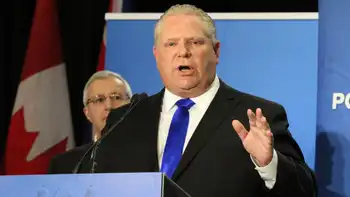
Ontario PC Leader Doug Ford is vowing to fire the head of Hydro One, and its entire board if he's elected premier in June.

Ford made the announcement, calling President and CEO Mayo Schmidt, Premier "Kathleen Wynne's $6-Million dollar man," referring to his yearly salary and bonuses, which now add up to $6.2 million.

"This board and this CEO are laughing themselves to the bank," Ford said.

However, it's unclear how Ford would do that since the province does not control the company anymore.

"We don't have the ability to go out and say we are firing the CEO at Hydro One," PC energy critic Todd Smith said while speaking to reporters after Ford's remarks.

#google#

However, he said "we do have tools at our disposal in the tool box. The unfortunate thing is that Kathleen Wynne and the Liberals have just let those tools sit there for the last couple of years and [have] not taken action on things like this."

Smith declined to provide details about what those tools are, but suggested Ford would have the right to fire Hydro's board.

He said that would send a message "that we're not going to accept these salaries."

Smith says the Ontario gov still has the right to fire Hydro One board. What about their contracts? Pay them out? Smith says they don't know the details of people's contacts

We will not engage in politics,' Hydro One says

A Hydro One spokesperson said the amount customers pay to compensate the CEO's salary is the same as before privatization — two cents on each monthly bill.

"We will not engage in politics, however our customers deserve the facts," said the email statement to CBC Toronto.

"Nearly 80 per cent of the total executive compensation package is paid for by shareholders."

Ontario NDP MPP Peter Tabuns says Ford is pro-privatization, and that won't help those struggling with high hydro bills. (Michelle Siu/The Canadian Press)

Peter Tabuns, the NDP's energy critic, said his government would aim to retake public control of Hydro One to cap CEO pay and control the CEO's "outrageous salary."

But while he shares Ford's goal of cutting Schmidt's pay, Tabuns blasted what he believes would be the PC leader's approach.

"Doug Ford has no idea how to reign [sic] in the soaring hydro bills that Ontario families are facing — in fact, if his threats of further privatization include hydro, he'll drive bills and executive salaries ever higher," he said in an email statement.

The only plan we've heard from Doug Ford so far is firing people and laying off people.- Glenn Thibeault, Energy Minister

​Tabuns says his party would aim to cut hydro bills by 30 per cent.

Meanwhile, Liberal Energy Minister Glenn Thibeault said Ford's plan will do nothing to address the actual issue of keeping hydro rates low, comparing his statement Thursday to the rhetoric and actions of U.S. President Donald Trump.

"The only plan we've heard from Doug Ford so far is firing people and laying off people," Thibeault said.

"What I'm seeing a very strong prevalence to is the person running the White House. He's been doing a lot of firing as well and that's not been working out so well for them."

Wynne government has taken steps to cut hydro bills, including legislation to lower electricity rates in Ontario.

Hydro prices have shot up in recent years prompting criticism from across Ontario. Wynne made the controversial move of privatizing part of the utility beginning in 2015.

By Oct. 2017, the Ontario Liberal government's "Fair Hydro Plan" had brought down the average household electricity bill by a 25% rate cut from the peak it hit in the summer of 2016. The Wynne government has also committed to keep rate increases below inflation for the next four years, but admits bills will rise significantly in the decade that follows as a recovery rate could drive costs higher.

Ford blasted the government's moves during a Toronto news conference, echoing calls to scrap the Fair Hydro Plan and review other options.

"The party's over with the tax payer's money, we're going to start respecting the tax payers," Ford said, repeatedly saying the money spent on Hydro One salaries is "morally indefensible."


Related News

View more

Extreme Heat Boosts U.S. Electricity Bills

Extreme Heat and Rising Electricity Bills amplify energy costs as climate change drives air conditioning demand, stressing the power grid and energy affordability, with low income households facing outsized burdens during prolonged heat waves.


Key Points

Heat waves from climate change raise AC demand, driving up electricity costs and straining energy affordability.

✅ More AC use spikes electricity demand during heat waves

✅ Low income households face higher energy burden

✅ Grid reliability risks rise with peak cooling loads


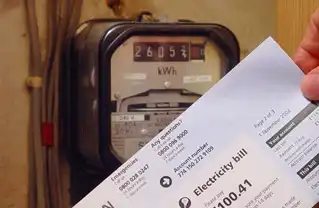
Extreme heat waves are not only straining public health systems but also having a significant impact on household finances, particularly through rising electricity bills. According to a recent AP-NORC poll, a growing number of Americans are feeling the financial pinch as soaring temperatures drive up the cost of cooling their homes. This development underscores the broader implications of climate change and its effects on everyday life.

The AP-NORC poll highlights that a majority of Americans are experiencing increased electricity costs as a direct result of extreme heat. As temperatures climb, so does the demand for air conditioning and other cooling systems. This increased energy consumption is contributing to higher utility bills, which can put additional strain on household budgets.

Extreme heat waves have become more frequent and intense due to climate change, which has led to a greater reliance on air conditioning to maintain comfortable indoor environments. Air conditioners and fans work harder during heat waves, and wasteful air conditioning can add around $200 to summer bills, consuming more electricity and consequently driving up energy bills. For many households, particularly those with lower incomes, these increased costs can be a significant burden.

The poll reveals that the impact of rising electricity bills is widespread, affecting a diverse range of Americans. Households across different income levels and geographic regions are feeling the heat, though the extent of the financial strain can vary. Lower-income households are particularly vulnerable, as they often have less flexibility in their budgets to absorb higher utility costs. For these families, the choice between cooling their homes and other essential expenses can be a difficult one.

In addition to financial strain, the poll highlights concerns about energy affordability and access. As electricity bills rise, some Americans may face challenges in paying their bills, leading to potential utility shut-offs or the need to make difficult choices between cooling and other necessities. This situation is exacerbated by the fact that many utility companies do not offer sufficient assistance or relief programs to help low-income households manage their energy costs.

The increasing frequency of extreme heat events and the resulting spike in electricity consumption also have broader implications for the energy infrastructure. Higher demand for electricity can strain power grids, as seen when California narrowly avoided blackouts during extreme heat, potentially leading to outages or reduced reliability. Utilities and energy providers may need to invest in infrastructure upgrades and maintenance to ensure that the grid can handle the increased load during heat waves.

Climate change is a key driver of the rising temperatures that contribute to higher electricity bills. As global temperatures continue to rise, extreme heat events are expected to become more common and severe, and experts warn the US electric grid was not designed to withstand these impacts. This trend underscores the need for comprehensive strategies to address both the causes and consequences of climate change. Efforts to reduce greenhouse gas emissions, improve energy efficiency, and invest in renewable energy sources are critical components of a broader climate action plan.

Energy efficiency measures can play a significant role in mitigating the impact of extreme heat on electricity bills. Upgrading to more efficient cooling systems, improving home insulation, and adopting smart thermostats can help reduce energy consumption and lower utility costs. Additionally, utility companies and government programs can offer incentives and rebates, including ways to tap new funding that help encourage energy-saving practices and support households in managing their energy use.

The poll also suggests that there is a growing awareness among Americans about the connection between climate change and rising energy costs. Many people are becoming more informed about the ways in which extreme weather events and rising temperatures impact their daily lives. This increased awareness can drive demand for policy changes and support for initiatives aimed at addressing climate change and improving energy efficiency, with many willing to contribute income to climate efforts, about the connection between climate change and rising energy costs.

In response to the rising costs and the impact of extreme heat, there are calls for policy interventions and support programs to help manage energy affordability. Proposals include expanding assistance programs for low-income households, investing in infrastructure improvements, and promoting energy efficiency initiatives alongside steps to make electricity systems more resilient to climate risks. By addressing these issues, policymakers can help alleviate the financial burden on households and support a more resilient and sustainable energy system.

Debates over policy impacts on electricity prices continue; in Alberta, federal policies are blamed by some for higher rates, illustrating how regulation can affect affordability.

In conclusion, the AP-NORC poll highlights the growing financial impact of extreme heat on American households, with rising electricity bills being a significant concern for many. The increased demand for cooling during heat waves is straining household budgets and raising broader questions about energy affordability and infrastructure resilience. Addressing these challenges requires a multifaceted approach, including efforts to combat climate change, improve energy efficiency, and provide support for those most affected by rising energy costs. As extreme heat events become more common, finding solutions to manage their impact will be crucial for both individual households and the broader energy system.


Related News

View more

Electric vehicle sales triple in Australia despite lack of government support

Australian Electric Vehicle Sales tripled in 2019 amid expanding charging infrastructure and more models, but market share remains low, constrained by limited government policy, weak incentives, and absent emissions standards despite growing ultra-fast chargers.


Key Points

EV units sold in Australia; in 2019 they tripled to 6,718, but market share was just 0.6%.

✅ Sales rose from 2,216 (2018) to 6,718 (2019); ~80% were BEVs.

✅ Public charging sites reached 2,307; fast chargers up 40% year-on-year.

✅ Policy gaps and absent standards limit model supply and EV uptake.


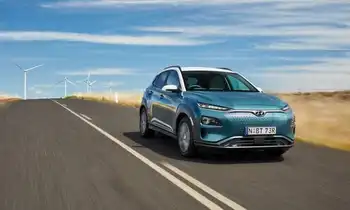
Sales of electric vehicles in Australia tripled in 2019 despite a lack of government support, according to the industry’s peak body.

The country’s network of EV charging stations was also growing, the Electric Vehicle Council’s annual report found, including a rise in the number of faster charging stations that let drivers recharge a car in about 15 minutes.

But the report, released on Wednesday, found the market share for electric vehicles was still only 0.6% of new vehicle sales – well behind the 2.5% to 5% in other developed countries.

The chief executive of the council, Behyad Jafari, said the rise in sales was down to more models becoming available. There are now 28 electric models on sale, with eight priced below $65,000.

Six more were due to arrive before the end of 2021, including two priced below $50,000, the council’s report said.

“We have repeatedly heard from car companies that they were planning to bring vehicles here, but Australia doesn’t have that policy support.”

The Morrison government promised a national electric vehicle strategy would be finalised by the middle of this year, but the policy has been delayed. The prime minister, Scott Morrison, last year accused Labor of wanting to “end the weekend” and force people out of four-wheel drives after the opposition set a target of 50% of new car sales being electric by 2030.

Jafari cited the Kia e-Niro – an award-winning electric SUV that was being prepared for an Australian launch, but is now reportedly on hold because the manufacturer favoured shipping to countries with emissions standards.

The council’s members include BMW, Nissan, Hyundai and Harley Davidson, as well as energy, technology and charging infrastructure companies.

Sales of electric vehicles – which include plug-in hybrids – went from 2,216 in 2018 to 6,718 in 2019, the report said. Jafari said about 80% of those sales were all-electric vehicles.

There have been 3,226 electric vehicles sold in 2020, the report said, despite an overall drop of 20% in vehicle sales due to the Covid-19 pandemic, while U.S. EV sales have surged into 2024.

Jafari said: “Our report is showing that Australian consumers want these cars.

“There is no controversy that the future of the industry is electric, but at the moment the industry is looking at different markets. We want policies that show [Australia] is going on this journey.”

Government agency data has forecast that half the new cars sold will be electric by 2035, underscoring that the age of electric cars is arriving even if there is no policy to support their uptake.

Manufacturers currently selling electric cars in Australia are Nissan, Hyundai, Mitsubishi, Tesla, Volvo, Porsche, Audi, BMW, Mercedes, Jaguar and Renault, the report said.

Jafari said most G20 countries had emissions standards in place for vehicles sold and incentives in place to support electric vehicles, such as rebates or exemptions from charges. This hadn’t happened in Australia, he said.

The report said: “Globally, carmakers are rolling out more electric vehicle models as the electric car market expands, but so far production cannot keep up with demand. This means that without policy signals, Australians will continue to be denied access to the full global range of electric vehicles.”

On Tuesday, one Australian charging provider, Evie Networks, opened an ultra-fast station at a rest stop at Campbell Town in Tasmania – between Launceston and Hobart.

The company said the station would connect EV owners in the state’s north and south and the two 350kW chargers could recharge a vehicle in 15 minutes, highlighting whether grids have the power to charge EVs at scale. Two more sites were planned for Tasmania, the company said.

A Tasmanian government grant to support electric vehicle charging had helped finance the site. Evie was also supported with a $15m grant from the federal government’s Australian Renewable Energy Agency.

According to the council report, Australia now has 2,307 public charging stations, including 357 fast chargers – a rise of 40% in the past year.

A survey of 2,900 people in New South Wales, the ACT, Victoria and South Australia, carried out by NRMA, RACV and RAA on behalf of the council, found the main barriers to buying an electric vehicle were concerns over access to charging points, higher prices and uncertainty over driving range.

Consumers favoured electric vehicles because of their environmental footprint, lower maintenance costs and vehicle performance.

The report said the average battery range of electric vehicles available in Australia was 400km, but almost 80% of people thought the average was less.

According to the survey, 56% of Australians would consider an electric car when they next bought a vehicle, and in the UK, EV inquiries soared during a fuel supply crisis.

“We are far behind, but it is surmountable,” Jafari said.

The council report also rated state and territories on the policies that supported its industry and found the ACT was leading, followed by NSW and Queensland.

A review of commercial electric vehicle use found public electric bus trials were planned or under way in Queensland, NSW, WA, Victoria and ACT. There are now more than 400,000 electric buses in use around the globe.


Related News

View more

Opinion: Now is the time for a western Canadian electricity grid

Western Canada Electric Grid could deliver interprovincial transmission, reliability, peak-load support, reserve sharing, and wind and solar integration, lowering costs versus new generation while respecting AESO markets and Crown utility structures.


Key Points

Interprovincial transmission to share reserves, boost reliability, integrate wind and solar, and cut peak capacity costs.

✅ Cuts reserve margins via diversity of peak loads

✅ Enables wind and solar balancing across provinces

✅ Saves ratepayers vs replacing retiring thermal plants


The 2017 Canadian Free Trade Agreement does not do much to encourage provinces to trade electric energy east and west. Would a western Canada electric grid help electricity consumers in the western provinces? Some Alberta officials feel that their electric utilities are investor owned and they perceive the Crown corporations of BC Hydro, SaskPower and Manitoba Hydro to be subsidized by their provincial governments, so an interprovincial electric energy trade would not be on a level playing field.

Because of the limited trade of electric energy between the western provinces, each utility maintains an excessive reserve of thermal and hydroelectric generation greater than their peak loads, to provide a reliable supply during peak load days as grids are increasingly exposed to harsh weather across Canada. This excess does not include variable wind and solar generation, which within a province can’t be guaranteed to be available when needed most.

This attitude must change. Transmission is cheaper than generation, and coordinated macrogrids can further improve reliability and cut costs. By constructing a substantial grid with low profile and aesthetically designed overhead transmission lines, the excess reserve of thermal and hydroelectric generation above the peak electric load can be reduced in each province over time. Detailed assessments will ensure each province retains its required reliability of electric supply.

As the provinces retire aging thermal and coal-fired generators, they only need to replace them to a much lower level, by just enough to meet their future electric loads and Canada's net-zero grid by 2050 goals. Some of the money not spent in replacing retired generation can be profitably invested in the transmission grid across the four western provinces.

But what about Alberta, which does not want to trade electric energy with the other western provinces? It can carry on as usual within the Alberta Electric System Operator’s (AESO) market and will save money by keeping the installed reserve of thermal and hydroelectric generation to a minimum. When Alberta experiences a peak electric load day and some generators are out of service due to unplanned maintenance, it can obtain the needed power from the interprovincial electric grid. None of the other three western provinces will peak at the same time, because of different weather and time zones, so they will have spare capacity to help Alberta over its peak. The peak load in a province only lasts for a few hours, so Alberta will get by with a little help from its friends if needed.

The grid will have no energy flowing on it for this purpose except to assist a province from time to time when it’s unable to meet its peak load. The grid may only carry load five per cent of the time in a year for this purpose. Under such circumstances, the empty grid can then be used for other profitable markets in electric energy. This includes more effective use of variable wind and solar energy, by enabling a province to better balance such intermittent power as well as allowing increased installation of it in every province. This is a challenge for AESO which the grid would substantially ease.

Natural Resources Canada promoted the “Regional Electricity Co-Operative and Strategic Infrastructure” initiative for completion this year and contracted through AESO, alongside an Atlantic grid study to explore regional improvements. This is a first step, but more is needed to achieve the full benefit of a western grid.

In 1970 a study was undertaken to electrically interconnect Britain with France, which was justified based on the ability to reduce reserve generation in both countries. Initially Britain rejected it, but France was partially supportive. In time, a substantial interconnection was built, and being a profitable venture, they are contemplating increasing the grid connections between them.

For the sake of the western consumers of electricity and to keep electricity rates from rising too quickly, as well as allowing productive expansion of wind and solar energy in places like British Columbia's clean energy shift efforts, an electric grid is essential across western Canada.

Dennis Woodford is president of Electranix Corporation in Winnipeg, which studies electric transmission problems, particularly involving renewable energy generators requiring firm connection to the grid.


Related News

View more

Sign Up for Electricity Forum’s Newsletter

Stay informed with our FREE Newsletter — get the latest news, breakthrough technologies, and expert insights, delivered straight to your inbox.

Electricity Today T&D Magazine Subscribe for FREE

Stay informed with the latest T&D policies and technologies.
  • Timely insights from industry experts
  • Practical solutions T&D engineers
  • Free access to every issue

Live Online & In-person Group Training

Advantages To Instructor-Led Training – Instructor-Led Course, Customized Training, Multiple Locations, Economical, CEU Credits, Course Discounts.

Request For Quotation

Whether you would prefer Live Online or In-Person instruction, our electrical training courses can be tailored to meet your company's specific requirements and delivered to your employees in one location or at various locations.