CSA Z463 Electrical Maintenance -
Our customized live online or in‑person group training can be delivered to your staff at your location.

- Live Online
- 6 hours Instructor-led
- Group Training Available
Regular Price:
$249
Coupon Price:
$199
OTTAWA
—
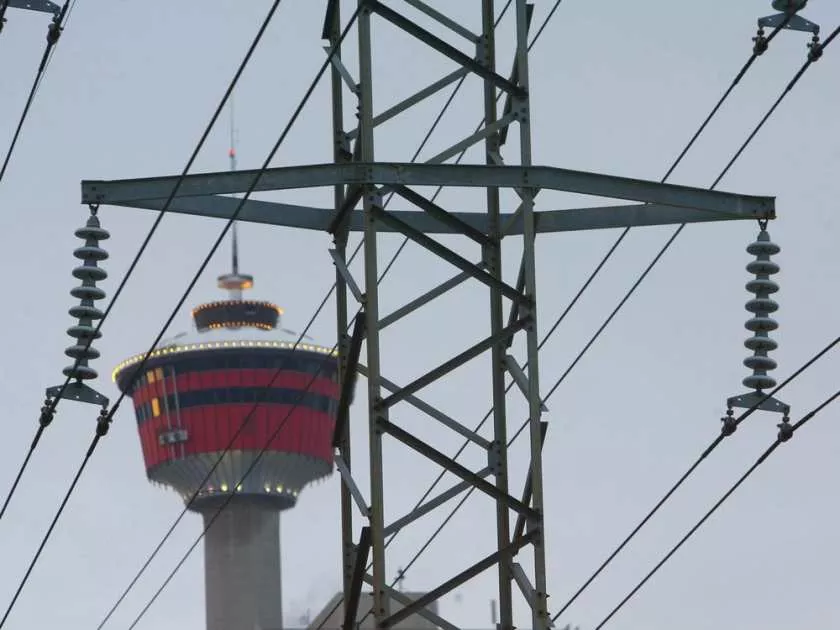
Federal funds now support Alberta grid modernization and smart technology projects to improve electricity reliability and affordability under Canada’s energy strategy, as utilities and regulators collaborate on infrastructure upgrades amid rising demand and climate pressures.
Canadian officials unveiled new federal funding to accelerate electricity grid modernization and resilience projects across Alberta and set the groundwork for broader reliability improvements. While the announcement is Alberta-focused, it reflects a wider national push to strengthen regional power systems, including ongoing efforts to stabilize and modernize electricity infrastructure in other provinces, as seen in Atlantic electricity.
At A Glance
• Federal funds will support grid innovation and regulatory improvements.
• Projects aim to make electricity systems more resilient and affordable.
• Strategy aligns with national clean energy and energy security goals.
Funding Targets Modernization and Smart Grid Innovation
The Government of Canada announced support for four grid innovation projects under the Energy Innovation Program’s Smart Grids Regulatory Innovation Capacity Building Call for Proposals. Federal energy officials highlighted that nearly $3 million in targeted funding will help explore advanced rate designs, regulatory frameworks, and demand-side management tools critical to modernizing Alberta’s electricity infrastructure, reinforcing broader objectives outlined in Canada grid modernization.
“Supported by Budget 2025 and our Climate Competitiveness Strategy, the Government of Canada is helping provinces like Alberta build reliable electricity grids,” stated Minister of Energy and Natural Resources Tim Hodgson, reinforcing the government’s commitment to balancing rising energy demand with cost containment and grid stability.
Senior industry leaders stressed that modernized pricing structures and smart grid technologies could reduce peak system strain and more efficiently manage consumption. “Through the feasibility study, we are working to better understand if advanced, customer-focused rate options have the potential to reduce peak demand,” said Kirstine Hull, Senior Vice President of Electricity Service at EPCOR. Hull’s comments underline the emphasis on customer-centric solutions to grid pressures.
Project Support Across Multiple Sectors
Funding also includes support for thermal energy networks and the development of a regulatory framework to enhance the usability of smart grid technologies. Moe Kabbara, CEO of The Transition Accelerator, described the intersection of efficiency and emissions reduction, noting that “the technologies that strengthen the grid and lower system costs are the same ones that reduce emissions.”
Jesse Row, Executive Director of the Alberta Energy Efficiency Alliance, emphasized the role of demand-side management as an established technique for improving grid flexibility and lowering system costs for consumers. These initiatives complement growing interest in localized resilience solutions, including the expanding role of distributed systems and community-scale power, as discussed in Canada microgrid future.
Grid Resilience Meets Energy Transition Goals
Officials framed the investment as both an immediate relief measure for grid operators and a strategic move in Canada’s broader transition to cleaner energy systems. As renewable generation grows and electricity demand expands due to electrification policies, grid modernization efforts aim to prevent reliability gaps while maintaining affordability.
Rising adoption of electric vehicles is adding urgency to these efforts, particularly as transportation electrification increases load on provincial grids, a trend already visible in regions experiencing rapid EV growth, such as those highlighted in Nova Scotia EVs.
Public Expectations and Future Challenges
Utilities and government voices cautioned that updating legacy systems will not happen overnight and that informed rate design and customer education will be necessary to realize intended benefits. With electricity demand forecasts rising and more electrified services coming online, smart grid technologies offer potential pathways to meet future load without compromising reliability or affordability.
Related News
New England's solar growth is creating tension over who pays for grid upgrades
New England Solar Interconnection Costs highlight distributed generation strains, transmission charges, distribution upgrades, and DAF…
View more

Minnesota 2050 carbon-free electricity plan gets first hearing
Minnesota Carbon-Free Power by 2050 aims to shift utilities to renewable energy, wind and solar,…
View more
Energy crisis: EU outlines possible gas price cap strategies
EU Gas Price Cap Strategies aim to curb inflation during an energy crisis by capping…
View more
UK families living close to nuclear power stations could get free electricity
UK Nuclear Free Electricity Incentive proposes community benefits near reactors, echoing France, supporting net zero…
View more

Neste increases the use of wind power at its Finnish production sites to nearly 30%
Neste wind power agreement boosts renewable electricity in Finland, partnering with Ilmatar and Fortum to…
View more
Europe's grid backlog stalls clean-energy rollout, costing billions
European Grid Backlog is delaying connection queues across the EU, stranding renewable energy and battery…
View more
Sign Up for Electricity Forum’s Newsletter
Stay informed with our FREE Newsletter — get the latest news, breakthrough technologies, and expert insights, delivered straight to your inbox.
Electricity Today T&D Magazine Subscribe for FREE

Stay informed with the latest T&D policies and technologies.
- Timely insights from industry experts
- Practical solutions T&D engineers
- Free access to every issue
