ADB approves loan for hydroelectric project in China

By Xinhua English Newswire


NFPA 70e Training - Arc Flash

Our customized live online or in‑person group training can be delivered to your staff at your location.

  • Live Online
  • 6 hours Instructor-led
  • Group Training Available
Regular Price:
$199
Coupon Price:
$149
Reserve Your Seat Today
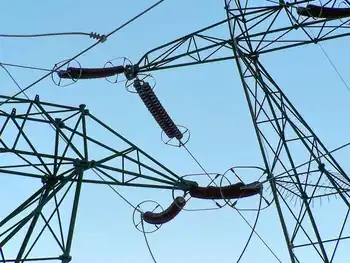
The Asian Development Bank (ADB) has approved a 35 million-US dollar loan for a hydroelectric project in northwestern Chinese province of Gansu, the ADB said recently.

The 98-megawatt Xiaogushan hydro-project, together with substation and transmission lines, would represent about 38 percent of the capacity of the Zhangye city grid when completed in 2007, the Manila-based ADB said in a statement.

The city of 1.25 million people suffers from frequent power cuts due to insufficient capacity, mostly from coal-fired plants, it added.

"The heavy dependence on coal for energy has resulted in substantial air and environmental pollution, which disproportionately affects the poor," said ADB project economist Piya Abeygunawardena.

About 40 percent of the total cost of the project will be financed by the ADB.

Related News
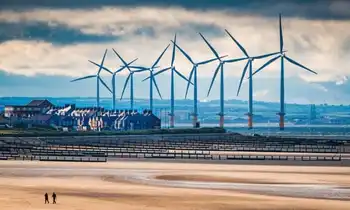
Neste increases the use of wind power at its Finnish production sites to nearly 30%

Neste wind power agreement boosts renewable electricity in Finland, partnering with Ilmatar and Fortum to supply Porvoo and Naantali sites, cutting Scope 2 emissions and advancing a 2035 carbon-neutral production target via long-term PPAs.


Key Points

A PPA to source wind power for sites, cutting Scope 2 emissions and supporting Neste's 2035 carbon-neutral goal.

✅ 10-year PPA with Ilmatar; + Fortum boosts renewable electricity share.

✅ Supplies ~7% of Porvoo-Naantali electricity; capacity >20 MW.

✅ Cuts Scope 2 emissions by ~55 kt CO2e per year toward 2035 neutrality.


Neste is committed to reaching carbon neutral production by 2035, mirroring efforts such as Olympus 100% renewable electricity commitments across industry.

As part of this effort, the company is increasing the use of renewable electricity at its production sites in Finland, reflecting trends such as Ireland's green electricity targets across Europe, and has signed a wind power agreement with Ilmatar, a wind power company. The agreement has been made together with Borealis, Neste's long-term partner in the Kilpilahti area in Porvoo, Finland.

As a result of the agreement with Ilmatar, as well as that signed with Fortum at the end of 2019, and in line with global growth such as Enel's 450 MW wind project in the U.S., nearly 30% of the energy used at Neste's production sites in Porvoo and Naantali will be renewable wind power in 2022.

'Neste's purpose is to create a healthier planet for our children. Our two climate commitments play an important role in living up to this ambition, and one of them is to reach carbon neutral production by 2035. It is an enormous challenge and requires several concrete measures and investments, including innovations like offshore green hydrogen initiatives. Wind power, including advances like UK offshore wind projects, is one of the over 70 measures we have identified to reduce our production's greenhouse gas emissions,' Neste's President and CEO Peter Vanacker says.

With the ten year contract, Neste is committed to purchase about one-third of the production of Ilmatar's two wind farms, reflecting broader market moves such as BC Hydro wind deals in Canada. The total capacity of the agreement is more than 20 MW, and the energy produced will correspond to around 7% of the electricity consumption at Neste's sites in Porvoo and Naantali. The wind power deliveries are expected to begin in 2022.

The two wind power agreements help Neste to reduce the indirect greenhouse gas emissions (Scope 2 emissions defined by the Greenhouse Gas Protocol) of electricity purchases at its Finnish production sites, a trend mirrored by Dutch green electricity growth across Europe, annually by approximately 55 kilotons. 55 kt/a CO2e equals annual carbon footprint of more than 8,500 EU citizens.


Related News

View more

U.S. Electric Vehicle Market Share Dips in Q1 2024

U.S. EV Market Share Dip Q1 2024 reflects slower BEV adoption, rising PHEV demand, affordability concerns, charging infrastructure gaps, tax credit shifts, range anxiety, and automaker strategy adjustments across the electric vehicle market.


Key Points

Q1 2024 EV and hybrid share slipped as BEV sales lag, PHEVs rise, and affordability and charging concerns temper demand.

✅ BEV share fell to 7.0% as affordable models remain limited

✅ PHEV sales rose 50% YoY, easing range anxiety concerns

✅ Policy shifts and charging gaps weigh on consumer adoption


The U.S. electric vehicle (EV) market, once a beacon of unbridled growth, appears to be experiencing a course correction. Data from the U.S. Energy Information Administration (EIA) reveals that the combined market share of electric vehicles (battery electric vehicles, or BEVs) and hybrids dipped slightly in the first quarter of 2024, marking the first decline since the onset of the COVID-19 pandemic, even as EU EV share rose during lockdowns in 2020.

This news comes as a surprise to many analysts who predicted continued exponential growth for the EV market. While overall sales of electric vehicles surged into 2024 and did increase by 7% compared to Q1 2023, this growth wasn't enough to keep pace with the overall rise in vehicle sales. The result: a decline in market share from 18.8% in Q4 2023 to 18.0% in Q1 2024.

Several factors may be contributing to this shift. One potential culprit is a slowdown in battery electric vehicle sales. BEVs saw their share of the market dip from 8.1% to 7.0% in the same period. This could be attributed to a lack of readily available affordable options, with many popular EV models still commanding premium prices and concerns that EV supply may miss demand in the near term.

Another factor could be the rising interest in plug-in hybrid electric vehicles (PHEVs). PHEV sales witnessed a significant jump of 50% year-over-year, reflecting how gas-electric hybrids are getting a boost from major automakers, potentially indicating a consumer preference for vehicles that offer both electric and gasoline powertrain options, addressing concerns about range anxiety often associated with BEVs.

Industry experts offer mixed interpretations of this data. Some downplay the significance of the dip, attributing it to a temporary blip, even though EVs remain behind gas cars in total sales. They point to the ongoing commitment from major automakers to invest in EV production and the potential for new, more affordable models to hit the market soon.

Others express more concern, citing Europe's recent EV slump and suggesting this might be a sign of maturing consumer preferences. They argue that simply increasing the number of EVs on the market might not be enough. Automakers need to address issues like affordability, charging infrastructure, and range anxiety to maintain momentum.

The role of government incentives also remains a question mark. The federal tax credit for electric vehicles is currently set to phase out gradually, potentially impacting consumer purchasing decisions in the future. Continued government support, through incentives or infrastructure development, could be crucial in maintaining consumer interest.

The coming quarters will be crucial in determining the long-term trajectory of the U.S. EV market, especially after the global electric car market's rapid expansion in recent years. Whether this is a temporary setback or a more lasting trend remains to be seen. Addressing consumer concerns, ensuring a diverse range of affordable EV options, and continued government support will all be essential in ensuring the continued growth of this critical sector.

This development also presents an opportunity for traditional automakers. By capitalizing on the growing PHEV market and addressing consumer concerns about affordability and range anxiety, they can carve out a strong position in the evolving automotive landscape.


Related News

View more

Bruce Power cranking out more electricity after upgrade

Bruce Power Capacity Uprate boosts nuclear output through generator stator upgrades, turbine and transformer enhancements, and cooling pump improvements at Bruce A and B, unlocking megawatts and efficiency gains from legacy heavy water design capacity.


Key Points

Upgrades that raise Bruce Power capacity via stator, turbine, transformer, and cooling enhancements.

✅ Generator stator replacement increases electrical conversion efficiency

✅ Turbine and transformer upgrades enable higher MW output

✅ Cooling pump enhancements optimize plant thermal performance


Bruce Power’s Unit 3 nuclear reactor will squeeze out an extra 22 megawatts of electricity, thanks to upgrades during its recent planned outage for refurbishment.

Similar gains are anticipated at its three sister reactors at Bruce A generating station, which presents the opportunity for the biggest efficiency gains and broader economic benefits for Ontario, due to a design difference over Bruce B’s four reactors, Bruce Power spokesman John Peevers said.

Bruce A reactor efficiency gains stem mainly from the fact Bruce A’s non-nuclear side, including turbines and the generator, was sized at 88 per cent of the nuclear capacity, Peevers said, while early Bruce C exploration work advances.

This allowed 12 per cent of the energy, in the form of steam, to be used for heavy water production, which was discontinued at the plant years ago. Heavy water, or deuterium, is used to moderate the reactors.

That design difference left a potential excess capacity that Bruce Power is making use of through various non-nuclear enhancements. But the nuclear operator, which also made major PPE donations during the pandemic, will be looking at enhancements at Bruce B as well, Peevers said.

Bruce Power’s efficiency gain came from “technology advancements,” including a “generator-stator improvement project that was integral to the uprate,” and contributed to an operating record at the site, a Bruce Power news release said July 11.

Peevers said the stationary coils and the associated iron cores inside the generator are referred to as the stator. The stator acts as a conductor for the main generator current, while the turbine provides the mechanical torque on the shaft of the generator.

“Some of the other things we’re working on are transformer replacement and cooling pump enhancements, backed by recent manufacturing contracts, which also help efficiency and contribute to greater megawatt output,” Peevers said.

The added efficiency improvements raised the nuclear operator’s peak generating capacity to 6,430 MW, as projects like Pickering life extensions continue across Ontario.


Related News

View more

Reliability of power winter supply puts Newfoundland 'at mercy of weather': report

Labrador Island Link Reliability faces scrutiny as Nalcor Energy and General Electric address software issues; Liberty Consulting warns of Holyrood risks, winter outages, grid stability concerns, and PUB oversight for Newfoundland and Labrador.


Key Points

It is the expected dependability of the link this winter, currently uncertain due to GE software and Holyrood risks.

✅ GE software delays may hinder reliable in-service by mid-November.

✅ Holyrood performance issues increase winter outage risk.

✅ PUB directs Hydro to plan contingencies and improve assets.


An independent consultant is questioning if the brand new Labrador Island link can be counted on to supply power to Newfoundland this coming winter.

In June, Nalcor Energy confirmed it had successfully sent power from Churchill Falls to the Avalon Peninsula through its more than 1500-kilometre link, but now the Liberty Consulting Group says it doesn't expect the link will be up and running consistently this winter.

"What we have learned supports a conclusion that the Labrador Island Link is unlikely to be reliably in commercial operation at the start of the winter," says the report dated Aug. 30, 2018.

The link relies on software provided by General Electric but Liberty says there are lingering questions about GE's ability to ensure the necessary software will be in place this fall.

"At an August meeting, company representatives did not express confidence in GE's ability to meet an in-service date for the Labrador Island Link of mid-November," says the report.

Liberty also says testing the link for a brief period this spring and fall doesn't demonstrate long-term reliability.

"The link will remain prone to the uncertainties any new major facility faces early in its operating life, especially one involving technology new to the operating company," according to the report.

Holyrood trouble

The report goes on to say island residents should also be worried about the reliability of the troubled Holyrood facility — a facility that's important when demand for energy is high during winter months.

Liberty says "poor performance at the Holyrood thermal generating station increases the risk of outages considerably."

The group's report concludes the deteriorating condition of Holyrood is a major threat to the island's power supply and Liberty says that threat "could produce very severe consequences when the Labrador Island Link is unavailable."

The consultant says questions about the Labrador Island Link's readiness combined with concerns about the reliability of Holyrood may mean power outages, and for vulnerable customers, debates over hydro disconnections policies often intensify during winter.

"This all suggests that, for at least part of this winter, the island interconnected system may be at the mercy of the weather, where severe events can test utilities' storm response efforts further."

The consultant's report also includes five recommendations to the PUB, reflecting the kind of focused nuclear alert investigation follow-up seen elsewhere.

In essence, Liberty is calling for the board to direct Newfoundland and Labrador Hydro to make plans for the possibility that the link won't be available this winter. It's also calling on hydro to do more to improve the reliability of its other assets, such as Holyrood, as some operators have even contemplated locking down key staff to maintain operations during crises.

Response to Liberty's report

Nalcor CEO Stan Marshall defended the Crown corporation's winter preparedness in an email statement to CBC.

"The right level of planning and investment has been made for our existing equipment so we can continue to meet all of our customer electricity needs for this coming winter season," he wrote.

Regarding the Labrador Island Link, Marshall called for patience.

"This is new technology for our province and integrating the new transmission assets into our current electricity system is complex work that takes time," he said.

There is also a more detailed response from Newfoundland and Labrador Hydro which was sent to the province's Public Utiltiies Board.

Hydro says it will keep testing the Labrador Island Link and increasing the megawatts that are wheeled through it. It also says in October it will begin to give the PUB regular reports on the link's anticipated in-service date.


Related News

View more

Federal net-zero electricity regulations will permit some natural gas power generation

Canada Clean Electricity Regulations allow flexible, technology-neutral pathways to a 2035 net-zero grid, permitting limited natural gas with carbon capture, strict emissions standards, and exemptions for emergencies and peak demand across provinces and territories.


Key Points

Federal draft rules for a 2035 net-zero grid, allowing limited gas with CCS under strict performance and compliance standards.

✅ Performance cap: 30 tCO2 per GWh annually for gas plants

✅ CCS must sequester 95% of emissions to comply

✅ Emergency and peak demand exemptions permitted


After facing pushback from Alberta and Saskatchewan, and amid looming power challenges nationwide, Canada's draft net-zero electricity regulations — released today — will permit some natural gas power generation. 

Environment Minister Steven Guilbeault released Ottawa's proposed Clean Electricity Regulations on Thursday.

Provinces and territories will have a minimum 75-day window to comment on the draft regulations. The final rules are intended to pave the way to a net-zero power grid in Canada, aligning with 2035 clean electricity goals established nationally. 

Calling the regulations "technology neutral," Guilbeault said the federal government believes there's enough flexibility to accommodate the different energy needs of Canada's diverse provinces and territories, including how Ontario is embracing clean power in its planning. 

"What we're talking about is not a fossil fuel-free grid by 2035; it's a net zero grid by 2035," Guilbeault said. 

"We understand there will be some fossil fuels remaining … but we're working to minimize those, and the fossil fuels that will be used in 2035 will have to comply with rigorous environmental and emission standards," he added. 

Some analysts argue that scrapping coal-fired electricity can be costly and ineffective, underscoring the trade-offs in transition planning.

While non-emitting sources of electricity — hydroelectricity, wind and solar and nuclear — should not have any issues complying with the regulations, natural gas plants will have to meet specific criteria.

Those operations, the government said, will need to emit the equivalent of 30 tonnes of carbon dioxide per gigawatt hour or less annually to help balance demand and emissions across the grid.

Federal officials said existing natural gas power plants could comply with that performance standard with the help of carbon capture and storage systems, which would be required to sequester 95 per cent of their emissions.

"In other words, it's achievable, and it is achievable by existing technology," said a government official speaking to reporters Thursday on background and not for attribution.

The regulations will also allow a certain level of natural gas power production without the need to capture emissions. Capturing emissions will be exempted during emergencies and peak periods when renewables cannot keep up with demand. 

Some newer plants might not have to comply with the rules until the 2040s, because the regulations apply to plants 20 years after they are commissioned, which dovetails with net-zero by 2050 commitments from electricity associations. 

The two-decade grace period does not apply to plants that open after the regulations are expected to be finalized in 2025.


Related News

View more

IEC reaches settlement on Palestinian electricity debt

IEC-PETL Electricity Agreement streamlines grid management, debt settlement, and bank guarantees, shifting power supply, transmission, and distribution to PETL via IEC-built sub-stations, bolstering energy cooperation, utility billing, and payment assurance in PA areas.


Key Points

A 15-year deal transferring PA grid operations to PETL, settling legacy debt, and securing payments with bank guarantees.

✅ NIS 915 million repaid in 48 installments.

✅ PETL assumes distribution, O&M, and sub-station ownership.

✅ 15-year, NIS 2.8b per year supply and services contract.


The Palestinian Authority will pay Israel Electric NIS 915 million and take over management of its grid through Palestinian electricity supplier PETL.

The Israel Electric Corporation (IEC) (TASE: ELEC.B22) and Palestinian electricity supplier PETL have signed a draft commercial agreement under which the Palestinian Authority's (PA) debt of almost NIS 1 billion will be repaid. The agreement also transfers actual management of the supply of electricity to Palestinian customers from IEC to the Palestinian electricity authority, enabling consideration of distributed solutions such as a virtual power plant program in future planning.

Up until now, the IEC was unable to actually collect debts for electricity from Palestinian customers, because the connection with them was through the PA. Responsibility for collection will now be exclusively in Palestinian hands, with the PA providing hundreds of millions of shekels in bank guarantees for future debts. The agreement, which is valid for 15 years, amounts to an estimated NIS 2.8 billion a year, as of now.

IEC will sell electricity and related services to PETL through four high-tension sub-stations built by IEC for PETL and through high and low-tension connection points, similar to large interconnector projects like the Lake Erie Connector, for the purpose of distribution and supply of the electricity by PETL or an entity on its behalf to consumers in PA territory. PETL will have sole operational and maintenance responsibility for distribution and supply and ownership of the four sub-stations.


NIS 915 million in 48 payments

According to the IEC announcement, the settlement was reached following negotiations following the signing of an agreement in principle in September 2016 by the minister of finance, the government coordinator of activities in the territories, and the Palestinian minister for civilian affairs. The parties reached commercial understandings yesterday that made possible today's signing of the first commercial document of its kind regulating commercial relations - the sales of electricity - between the parties. The agreement will go into effect after it is approved by the IEC board of directors, the Public Utilities Authority (electricity), reflecting regulatory oversight akin to Ontario industrial electricity pricing consultations, and the IDF Chief Electrical Staff Officer. Representatives of IEC, the Ministry of Finance, the Public Utilities Authority (electricity), the government coordinator of activities in the territories, the civilian authority, the PA government, and PETL took part in the negotiations.

The agreement also settles the PA's historical debt to IEC. The PA will begin payment of NIS 915 million in debt for consumption of electricity before September 2016 to IEC Jerusalem District Ltd. in 48 equal installments after the final signing, as stipulated in the agreement in principle signed by the Israeli government and the PA on September 13, 2016.

The PA's debt for electricity amounted to almost NIS 2 billion in 2016. The initial spadework for the current debt settlement was accomplished in that year, after the parties reached understandings on writing off NIS 500 million of the Palestinian debt. The PA paid NIS 600 million in October 2016, and the remainder will be paid now.

It was also reported that an arrangement of securities and guarantees to ensure payment to IEC under the agreement had been settled, including the past debt. IEC will obtain a bank guarantee and a PA guarantee, in addition to the existing collection mechanisms at the company's disposal.

Minister of Finance Moshe Kahlon said, "Signing the commercial agreement is a historic step completing the agreement signed by the governments in September 2016. Strengthening economic cooperation between Israel and the PA is above all an Israeli security interest. The agreement will ensure future payments to the IEC and reinforce its financial position. I congratulate the negotiating teams for the completion of their task."

Minister of National Infrastructure, Energy, and Water Resources Dr. Yuval Steinitz said, "In my meeting last year with Palestinian Prime Minister Rami Hamdallah in Jenin, we agreed that it was necessary to settle the debt and formalize relations between IEC and the PA. The settlement signed today is a breakthrough, both in the measures for payment of the Palestinian debt to IEC and Israel and in arranging future relations to prevent more debts from emerging in the future. With the signing of the agreement, we will be able to make progress with the Palestinians in developing a modern electrical grid, aligning with regional initiatives like the Cyprus electricity highway, according to the model of the sub-station we inaugurated in Jenin."

IEC chairperson Yiftah Ron Tal said, "This is a historic event. In this agreement, IEC is correcting for the first time a historical distortion of accumulated debt without guarantees, ability to collect it, or control over the amount of debt. This anchor agreement not only constitutes an unprecedented financial achievement; it also constitutes an important milestone in regulating electricity commercial relations between the Israeli and Palestinian electric companies, comparable to cross-border efforts such as the Ireland-France interconnector in Europe."


Related News

View more

Sign Up for Electricity Forum’s Newsletter

Stay informed with our FREE Newsletter — get the latest news, breakthrough technologies, and expert insights, delivered straight to your inbox.

Electricity Today T&D Magazine Subscribe for FREE

Stay informed with the latest T&D policies and technologies.
  • Timely insights from industry experts
  • Practical solutions T&D engineers
  • Free access to every issue

Download the 2025 Electrical Training Catalog

Explore 50+ live, expert-led electrical training courses –

  • Interactive
  • Flexible
  • CEU-cerified