Probe of Blackout Cause Focuses On Lake Erie Grid

By Canadian Press


Substation Relay Protection Training

Our customized live online or in‑person group training can be delivered to your staff at your location.
  • Live Online
  • 12 hours Instructor-led
  • Group Training Available
Regular Price:
$699
Coupon Price:
$599
Reserve Your Seat Today
The largest power blackout in North American history prompted new calls Friday for overhauling the nation's electricity system. Investigators said the power disruptions likely began in the Midwest but they have yet to pinpoint the cause.

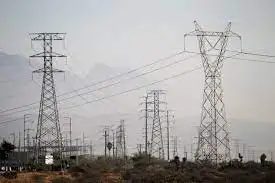
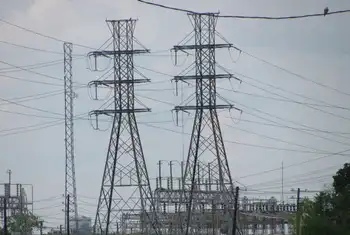
Investigators said they are focusing on a massive electrical grid that encircles Lake Erie, moving power from New York to the Detroit area, into Canada and back to New York state. There had been problems with the transmission loop in the past, officials said.

The head of the North American Electric Reliability Council, who earlier said northern Ohio may have been the flashpoint, later backed way from reaching any conclusion "until we're absolutely certain."

"We had some indication that the first transmission lines that were tripped were in the Midwest. .. We're not certain that is where it started," said Michehl Gent, president of the industry sponsored group that tracks power grids to assure their reliability.

The focus on Ohio had been criticized by Ohio officials as "speculation."

At a news conference, Gent provided a picture of the enormity of the blackout that began Thursday at 4:11 p.m. and raced from New England in the Northeast to Michigan and Ohio in the Midwest and southeastern Canada.

He said more than 100 power plants - including 22 nuclear reactors in the United States and Canada - were shut down, and the blackout affected 50 million people over a 9,300-square-mile (23,800-square-kilometer) area from New England to Michigan.

He said a preliminary determination of the cause of the cascading power disruption, which raced through the system in less than 10 seconds, may not be available until next week and more detailed investigations could last months.

"We never anticipated we would have a cascading outage" like this, said Gent, adding that he was "personally embarrassed" because his organization is supposed "to see that this doesn't happen."

While NERC closely watches grid reliability, it has no power to force transmission companies to comply with standards or correct violations.

Some in Congress have urged creation of an agency that would have industry police power. The issue is likely to be debated next month when lawmakers consider energy legislation.

Gent ruled out completely reports of a lightning strike or a fire in a New York City facility and said weather appeared not to have been a factor in the blackout.

He said electricity capacity was adequate when the blackout hit.

The investigation is focusing on "the Lake Erie Loop," a massive transmission system that goes through New York state south of the Great Lakes to Detroit and then up through Canada, down by Niagara Falls, back to New York, said Gent.

"That's the center of the focus. This has been a problem for years and there have been all sorts of plans to make it more reliable," he said.

A private company that monitors the grid said its technology showed the problem started in Michigan. "That was the epicenter," insisted David Trungale, vice president of SoftSwitching Technologies Inc., of Middleton, Wisconsin.

One reason it may be so difficult to pinpoint the cause is the speed in which the cascading outages raced across the Northeast and Ohio Valley as well as southeastern Canada.

Trungale said his company's monitoring stations recorded a power disruption in Connecticut only 2 seconds after the first problem was recorded in Michigan. He declined to describe the Michigan site further.

A spokeswoman for FirstEnergy Corp., whose electricity service area stretches along Lake Erie in Ohio, declined to speculate on the cause of the disruption.

Related News
Global oil demand to decline in 2020 as Coronavirus weighs heavily on markets

COVID-19 Impact on Global Oil Demand 2020 signals an IEA forecast of declining consumption as travel restrictions curb transport fuels, disrupt energy markets, and shift OPEC and non-OPEC supply dynamics amid economic slowdown.


Key Points

IEA sees first demand drop since 2009 as COVID-19 curbs travel, weakening transport fuels and unsettling energy markets.

✅ IEA base case: 2020 demand at 99.9 mb/d, down 90 kb/d from 2019.

✅ Travel restrictions hit transport fuels; China drives the decline.

✅ Scenarios: low -730 kb/d; high +480 kb/d in 2020.


Global oil demand is expected to decline in 2020 as the impact of the new coronavirus (COVID-19) spreads around the world, constricting travel and broader economic activity, according to the International Energy Agency’s latest oil market forecast.

The situation remains fluid, creating an extraordinary degree of uncertainty over what the full global impact of the virus will be. In the IEA’s central base case, even as global CO2 emissions flatlined in 2019 according to the IEA, demand this year drops for the first time since 2009 because of the deep contraction in oil consumption in China, and major disruptions to global travel and trade.

“The coronavirus crisis is affecting a wide range of energy markets – including coal-fired electricity generation, gas and renewables – but its impact on oil markets is particularly severe because it is stopping people and goods from moving around, dealing a heavy blow to demand for transport fuels,” said Dr Fatih Birol, the IEA’s Executive Director. “This is especially true in China, the largest energy consumer in the world, which accounted for more than 80% of global oil demand growth last year. While the repercussions of the virus are spreading to other parts of the world, what happens in China will have major implications for global energy and oil markets.”

The IEA now sees global oil demand at 99.9 million barrels a day in 2020, down around 90,000 barrels a day from 2019. This is a sharp downgrade from the IEA’s forecast in February, which predicted global oil demand would grow by 825,000 barrels a day in 2020.

The short-term outlook for the oil market will ultimately depend on how quickly governments move to contain the coronavirus outbreak, how successful their efforts are, and what lingering impact the global health crisis has on economic activity.

To account for the extreme uncertainty facing energy markets, the IEA has developed two other scenarios for how global oil demand could evolve this year. In a more pessimistic low case, global measures fail to contain the virus, and global demand falls by 730,000 barrels a day in 2020. In a more optimistic high case, the virus is contained quickly around the world, and global demand grows by 480,000 barrels a day.

“We are following the situation extremely closely and will provide regular updates to our forecasts as the picture becomes clearer,” Dr Birol said. “The impact of the coronavirus on oil markets may be temporary. But the longer-term challenges facing the world’s suppliers are not going to go away, especially those heavily dependent on oil and gas revenues. As the IEA has repeatedly said, these producer countries need more dynamic and diversified economies in order to navigate the multiple uncertainties that we see today.”

The IEA also published its medium-term outlook examining the key issues in global demand, supply, refining and trade to 2025, as well as the trajectory of the global energy transition now shaping markets. Following a contraction in 2020 and an expected sharp rebound in 2021, yearly growth in global oil demand is set to slow as consumption of transport fuels grows more slowly and as national net-zero pathways, with Canada needing more electricity to reach net-zero influencing power demand, according to the report. Between 2019 and 2025, global oil demand is expected to grow at an average annual rate of just below 1 million barrels a day. Over the period as whole, demand rises by a total of 5.7 million barrels a day, with China and India accounting for about half of the growth.

At the same time, the world’s oil production capacity is expected to rise by 5.9 million barrels a day, with more than three-quarters of it coming from non-OPEC producers, the report forecasts. But production growth in the United States and other non-OPEC countries is set to lose momentum after 2022, amid shifts in Wall Street's energy strategy linked to policy signals, allowing OPEC producers from the Middle East to turn the taps back up to help keep the global oil market in balance.

The medium-term market report, Oil 2020, also considers the impact of clean energy transitions on oil market trends. Demand growth for gasoline and diesel between 2019 and 2025 is forecast to weaken as countries around the world implement policies to improve efficiency and cut carbon dioxide emissions – and as solar power becomes the cheapest electricity in many markets and electric vehicles increase in popularity. The impact of energy transitions on oil supply remains unclear, with many companies prioritising short-cycle projects for the coming years.

“The coronavirus crisis is adding to the uncertainties the global oil industry faces as it contemplates new investments and business strategies,” Dr Birol said. “The pressures on companies are changing, with European oil majors turning electric to diversify. They need to show that they can deliver not just the energy that economies rely on, but also the emissions reductions that the world needs to help tackle our climate challenge.”


Related News

View more

Ukraine's parliament backs amendments to electricity market law

Ukraine Electricity Market Price Caps empower the regulator, the National Commission, to set marginal prices on day-ahead, intraday, and balancing markets, stabilize competition, support thermal plants, and sustain the heating season via green tariff obligations.


Key Points

Regulatory limits set by the National Commission to curb price spikes, ensure competition, and secure heat supply.

✅ Sets marginal prices for day-ahead, intraday, balancing markets

✅ Mitigates collusion risks; promotes effective competition

✅ Ensures TPP operation and heat supply during heating season


The Verkhovna Rada, Ukraine's parliament, has adopted at first reading a draft law that proposes giving the National Commission for State Regulation of Energy and Public Utilities the right to set marginal prices in the electricity market, amid EU market revamp plans that aim to reshape pricing, until 2023.

A total of 259 MPs voted for the document at a parliament meeting on Tuesday, November 12, amid electricity import pressures that have tested the grid, according to an Ukrinform correspondent.

Bill No. 2233 introducing amendments to the law on the electricity market provides for the legislative regulation of the mechanism for fulfilling special obligations for the purchase of electricity at a "green" tariff, preventing the uncontrolled growth of electricity prices due to the lack of effective competition, including recent price-fixing allegations that have raised concerns, ensuring heat supply to consumers during the heating period by regulating the issue of the functioning of thermal power plants in the new electricity market.

It is proposed to introduce respective amendments to the law of Ukraine on the electricity market, alongside steps toward synchronization with ENTSO-E to enhance system stability.

In particular, the draft law gives the regulator the right for the period until July 1, 2023 to set marginal prices on the day-ahead market, the intraday market and the balancing market for each trade zone, reflecting similar EU fixed-price contract initiatives being discussed, and to decide on the obligation for producers to submit proposals (applications) for the sale of electricity on the day-ahead market.

Lawmakers think that the adoption of the bill and empowering the regulator to set marginal prices in the relevant segments of the electricity market will prevent, even as rolling back prices in Europe remains difficult for policymakers, "an uncontrolled increase in electricity prices due to the lack of effective competition or collusion between market players, as well as regulate the issue of the functioning of thermal power plants during the autumn and winter period, which is a necessary prerequisite for providing heat to consumers during the heating period."

The new model of the electricity market was launched on July 1 as the UK weighs decoupling gas and power prices to shield consumers, in accordance with the provisions of the law on the electricity market, adopted in 2017.


Related News

View more

APS asks customers to conserve energy after recent blackouts in California

Arizona Energy Conservation Alert urges APS and TEP customers to curb usage during a heatwave, preventing rolling blackouts, easing peak demand, and supporting grid reliability by raising thermostats, delaying appliances, and pausing pool pumps.


Key Points

A utility request during extreme heat to cut demand and protect grid reliability, helping prevent outages.

✅ Raise thermostats to 80 F or higher during peak hours

✅ Delay washers, dryers, dishwashers until after 8 p.m.

✅ Pause pool pumps; switch off nonessential lights and devices


After excessive heat forced rolling blackouts for thousands of people across California Friday and Saturday, Arizona Public Service Electric is asking customers to conserve energy this afternoon and evening.

“Given the extended heat wave in the western United States and climate-related grid risks that utilities are monitoring, APS is asking customers to conserve energy due to extreme energy demand that is driving usage higher throughout the region with today’s high temperatures,” APS said in a statement.

Tucson Electric Power has made a similar request of customers in its coverage area.


APS is asking customers to conserve energy in the following ways Tuesday until 8 p.m.:

  • Raise thermostat settings to no lower than 80 degrees.
  • Turn off extra lights and avoid use of discretionary major appliances such as clothes washers, dryers and dishwashers.
  • Avoid operation of pool pumps.

The request from APS also came just hours after Arizona Corporation Commission Chairman Bob Burns sent a letter to electric utilities under the commission's umbrella, like APS, to see if they are in good shape or anticipate any problems given looming shortages in California. He requested the companies respond by noon Friday.


"The whole plan is to take a look at the system early in the Summer," Burns said. "Early May we look at the system, make sure we're ready and able to serve the public throughout the entire heat cycle."

Burns told ABC15 the Summer Preparedness workshop with utilities took place in May and the regulated utilities reported they were well equipped to meet the anticipated peaks of the Summer, even as supply-chain pressures mount across the industry. Tuesday's letter to the electric companies seeks to see if they are still able to "adequately, safely and reliably" serve customers through the heatwave, or if what happened in California could take place here.

"With the activities that are occurring over in California, including tight grid conditions that have repeatedly tested operators, we just want to double check," Burns said.

An APS representative told ABC15 they have adequate supply and reserve and don't anticipate any problems.

However, the rolling blackouts in California also caught the attention of Commissioner Lea Marquez Peterson. She is calling on the chairman to hold an emergency meeting amid wildfire concerns across California and the region.

"The risk to Arizonans and the fact that energy could be interrupted, that we had some kind of rolling blackout like California would have, would be really a public health issue," Peterson said. "It could be life and death in some cases for vulnerable populations."


Related News

View more

Ontario Provides Stable Electricity Pricing for Industrial and Commercial Companies

Ontario ICI Electricity Pricing Freeze helps Industrial Conservation Initiative (ICI) participants by stabilizing Global Adjustment charges, suspending peak hours curtailment, and reducing COVID-19-related electricity cost volatility to support large employers returning operations to full capacity.


Key Points

A two-year policy stabilizing GA costs and pausing peak-hour cuts to aid industrial and commercial recovery.

✅ GA cost share frozen for two years

✅ No peak-hour curtailment obligations

✅ Supports industrial and commercial restart


The Ontario government is helping large industrial and commercial companies return to full levels of operation without the fear of electricity costs spiking by providing more stable electricity pricing for two years. Effective immediately, companies that participate in the Industrial Conservation Initiative (ICI) will not be required to reduce their electricity usage during peak hours or shift some load to ultra-low overnight pricing where applicable, as their proportion of Global Adjustment (GA) charges for these companies will be frozen.

"Ontario's industrial and commercial electricity consumers continue to experience unprecedented economic challenges during COVID-19, with electricity relief for households and small businesses introduced to help," said Greg Rickford, Minister of Energy, Northern Development and Mines. "Today's announcement will allow large industrial employers to focus on getting their operations up and running and employees back to work, instead of adjusting operations in response to peak electricity demand hours."

Due to COVID-19, electricity consumption in Ontario has been below average as fall in demand as people stayed home across the province, and the province is forecast to have a reliable supply of electricity, supported by the system operator's staffing contingency plans during the pandemic, to accommodate increased usage. Peak hours generally occur during the summer when the weather is hot and electricity demand from cooling systems is high.

"Today's action will reduce the burden of anticipating and responding to peak hours for more than 1,300 ICI participants with 2,000 primarily industrial facilities in Ontario," said Bill Walker, Associate Minister of Energy. "Now these large employers can focus on getting their operations back up and running at full tilt and explore new energy-efficiency programs to manage costs."

The government previously announced it was providing temporary relief for industrial and commercial electricity consumers that do not participate in the Regulated Price Plan (RPP) by deferring a portion of GA charges for April, May and June 2020 and by extending off-peak rates for many customers, as well as a disconnect moratorium extension for residential electricity users.


Related News

View more

Drought, lack of rain means BC Hydro must adapt power generation

BC Hydro drought operations address climate change impacts with hydropower scheduling, reservoir management, water conservation, inflow forecasting, and fish habitat protection across the Lower Mainland and Vancouver Island while maintaining electricity generation from storage facilities.


Key Points

BC Hydro drought operations conserve water, protect fish, and sustain hydropower during extended heat and low inflows.

✅ Proactive reservoir releases protect downstream salmon spawning.

✅ Reduced flows at Puntledge, Coquitlam, and Ruskin/Stave facilities.

✅ System relies on northern storage to maintain electricity supply.


BC Hydro is adjusting its operating plans around power generation as extended heat and little forecast rain continue to impact the province, a report says.

“Unpredictable weather patterns related to climate change are expected to continue in the years ahead and BC Hydro is constantly adapting to these evolving conditions, especially after events such as record demand in 2021 that tested the grid,” said the report, titled “Casting drought: How climate change is contributing to uncertain weather and how BC Hydro’s generation system is adapting.”

The study said there is no concern with BC Hydro being able to continue to deliver power through the drought because there is enough water at its larger facilities, even as issues like crypto mining electricity use draw scrutiny from observers.

Still, it said, with no meaningful precipitation in the forecast, its smaller facilities in the Lower Mainland and on Vancouver Island will continue to see record low or near record low inflows for this time of the year.

“In the Lower Mainland, inflows since the beginning of September are ranked in the bottom three compared to historical records,” the report said.

The report said the hydroelectric system is directly impacted by variations in weather and the record-setting, unseasonably dry and warm weather this fall highlights the impacts of climate change, while demand patterns can be counterintuitive, as electricity use even increased during Earth Hour 2018 in some areas, hinting at challenges to come.

It noted symptoms of climate change include increased frequency of extreme events like drought and intense storms, and rapid glacial melt.

“With the extremely hot and dry conditions, BC Hydro has been taking proactive steps at many of our South Coast facilities for months to conserve water to protect the downstream fish habit,” spokesperson Mora Scott said. “We began holding back water in July and August at some facilities anticipating the dry conditions to help ensure we would have water storage for the later summer and early fall salmon spawning.”

Scott said BC Hydro’s reservoirs play an important role in managing these difficult conditions by using storage and planning releases to provide protection to downstream river flows. The reservoirs are, in effect, a battery waiting to be used for power.

While the dry conditions have had an impact on BC Hydro’s watersheds, several unregulated natural river systems — not related to BC Hydro — have fared worse, with rivers drying up and thousands of fish killed, the report said.

BC Hydro is currently seeing the most significant impacts on operations at Puntledge and Campbell River on Vancouver Island as well as Coquitlam and Ruskin/Stave in the Lower Mainland.

To help manage water levels on Vancouver Island, BC Hydro reduced Puntledge River flows by one-third last week and on the Lower Mainland reduced flows at Coquitlam by one-third and Ruskin/Stave by one quarter.

However, the utility company said, there are no concerns about continued power delivery.

“British Columbians benefit from BC Hydro’s integrated, provincial electricity system, which helps send power across the province, including to Vancouver Island, and programs like the winter payment plan support customers during colder months,” staff said.

Most of the electricity generated and used in B.C. is produced by larger facilities in the north and southeast of the province — and while water levels in those areas are below normal levels, there is enough water to meet the province’s power needs, even as additions like Site C's electricity remain a subject of debate among observers.

The Glacier Media investigation found a quarter of BC Hydro's power comes from the Mica, Revelstoke and Hugh Keenleyside dams on the Columbia River. Some 29% comes from dams in the Peace region, including the under-construction Site C project that has faced cost overruns. At certain points of the year, those reservoirs are reliant on glacier water.

Still, BC Hydro remains optimistic.

Forecasts are currently showing little rain in the near-term; however, historically, precipitation and inflows show up by the end of October. If that does not happen, BC Hydro said it would continue to closely track weather and inflow forecasts to adapt its operations to protect fish, while regional cooperation such as bridging with Alberta remains part of broader policy discussions.

Among things BC Hydro said it is doing to adapt are:

Continuously working to improve its weather and inflow forecasting;
Expanding its hydroclimate monitoring technology, including custom-made solutions that have been designed in-house, as well as upgrading snow survey stations to automated, real-time snow and climate stations, and;
Investing in capital projects — like spillway gate replacements — that will increase resiliency of the system to climate change.


Related News

View more

BC Hydro: 2021 was a record-breaking year for electricity demand

BC Hydro 2021 Peak Load Records highlight record-breaking electricity demand, peak load spikes, heat dome impacts, extreme cold, and shifting work-from-home patterns managed by a flexible hydroelectric system and climate-driven load trends.


Key Points

Record-breaking electricity demand peaks from extreme heat and cold that reshaped daily load patterns across BC in 2021.

✅ Heat dome and deep freeze drove sustained peak electricity demand

✅ Peak load built gradually, reflecting work-from-home behavior

✅ Flexible hydroelectric system adapts quickly to demand spikes


From June’s heat dome to December’s extreme cold, 2021 was a record-setting year, according to BC Hydro, and similar spikes were noted as Calgary's electricity use surged in frigid weather.

On Friday, the energy company released a new report on electricity demand, and how extreme temperatures over extended periods of time, along with growing scrutiny of crypto mining electricity use, led to record peak loads.

“We use peak loads to describe the electricity demand in the province during the highest load hour of each day,” Kyle Donaldson, BC Hydro spokesperson, said in a media release.

“With the heat dome in the summer and the sustained cold temperatures in December, we saw more record-breaking hours on more days last year than any other single year.”

According to BC Hydro, during summer, the Crown corporation recorded 19 of its top 25 all-time summer daily peak records — including breaking its all-time summer peak hourly demand record.

In December, which saw extremely cold temperatures and heavy snowfall, BC Hydro said its system experienced the highest and longest sustained load levels ever, as it activated its winter payment plan to assist customers.

Overall, BC Hydro says it has experienced 11 of its top 25 all-time daily peak records this winter, adding that Dec. 27 broke its all-time high peak hourly demand record.

“BC Hydro’s hydroelectric system is directly impacted by variations in weather, including drought conditions that require adaptation, and in 2021 more electricity demand records were broken than any other year prior, largely because of the back-to-back extreme temperatures lasting for days and weeks on end,” reads the report.

The energy company expects this trend to continue, noting that it has broken the peak record five times in the past five years, and other jurisdictions such as Quebec consumption record have also shattered consumption records.

It also noted that peak demand patterns have also changed since the first year of the COVID-19 pandemic, with trends seen during Earth Hour usage offering context.

“When the previous peak hourly load record was broken in January 2020, load displayed sharper increases and decreases throughout the day, suggesting more typical weather and behaviour,” said the report.

“In contrast, the 2021 peak load built up more gradually throughout the day, suggesting more British Columbians were likely working from home, or home for the holidays – waking up later and home earlier in the evening – as well as colder weather than average.”

BC Hydro also said “current climate models suggest a warming trend continuing in years to come which could increase demand year-round,” but noted that its flexible hydroelectric system can meet changes in demand quickly.


Related News

View more

Sign Up for Electricity Forum’s Newsletter

Stay informed with our FREE Newsletter — get the latest news, breakthrough technologies, and expert insights, delivered straight to your inbox.

Electricity Today T&D Magazine Subscribe for FREE

Stay informed with the latest T&D policies and technologies.
  • Timely insights from industry experts
  • Practical solutions T&D engineers
  • Free access to every issue

Live Online & In-person Group Training

Advantages To Instructor-Led Training – Instructor-Led Course, Customized Training, Multiple Locations, Economical, CEU Credits, Course Discounts.

Request For Quotation

Whether you would prefer Live Online or In-Person instruction, our electrical training courses can be tailored to meet your company's specific requirements and delivered to your employees in one location or at various locations.