BRUSSELS
—
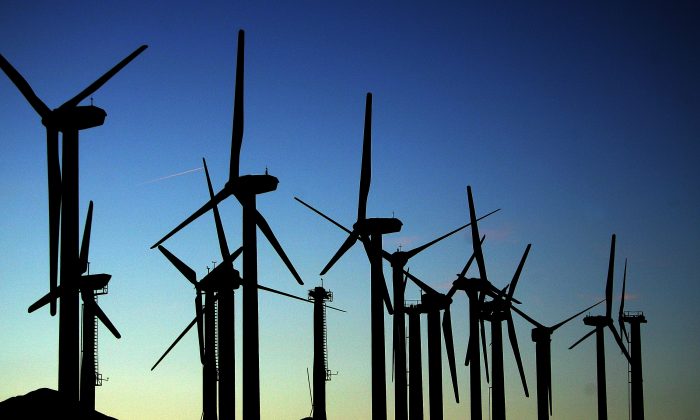
In 2025, wind and solar electricity generation in the European Union exceeded fossil fuel output for the first time in history, accounting for 30 percent of power, compared with 29 percent from coal, gas, and oil, indicating a major shift.
Wind and solar power generation in the European Union outpaced electricity produced from fossil fuel sources in 2025, marking a historic milestone in the region’s energy transition, energy sector analysts said. This development reflects rapid growth in renewable capacity and declining shares for coal and gas in the power mix, reinforcing broader trends already highlighted in coverage of how renewable power has surpassed fossil fuels in Europe.
At A Glance
• Wind and solar combined generated a record 30% of EU electricity in 2025
• Fossil fuel generation fell to 29%, with coal at historic lows
• Renewable dominance highlights accelerating clean energy transition
European Renewables Reach New Heights
Data released by energy sector analysts show that, for the first time on record, wind and solar power together generated more electricity than coal, natural gas, and other fossil fuels across the European Union. The combined share of wind and solar in the EU’s electricity mix reached 30 percent in 2025, while fossil fuels accounted for 29 percent, a shift consistent with recent findings on record EU wind generation levels.
Solar increased by more than 20 percent year-on-year, driven by significant growth in capacity installations across multiple countries. Solar output alone accounted for about 13 percent of electricity generation, outpacing both hydroelectric and coal power, and increasingly influencing wholesale pricing dynamics similar to those described in analyses of how solar is reshaping electricity prices in Northern Europe.
Regional Leadership in Renewable Output
Several member states reported particularly strong contributions from solar and wind resources. Countries such as Hungary, Spain, the Netherlands, Greece, and Cyprus all saw solar power account for more than 20 percent of their electricity output, underscoring the growing importance of distributed and utility-scale renewable projects.
Wind generation also delivered significant volumes, accounting for roughly 17 percent of the EU’s total electricity supply. This trend mirrors developments in individual markets, including the UK, where wind recently became the dominant power source as reported in coverage of how wind became the UK’s main electricity source.
Fossil Fuels Decline in Power Mix
Coal use declined to historic lows, around 9 percent of electricity generation, even in traditionally coal-dependent markets such as Germany and Poland. Gas generation increased modestly due to reduced hydropower availability in some areas, but overall reliance on fossil fuels continued its downward trajectory.
The reduced share of fossil fuels in electricity production reflects broader structural changes in Europe’s energy landscape, including accelerated deployment of renewable capacity and policy commitments to decarbonise power systems.
System Flexibility and Storage Needs
While the renewable milestone marks a significant victory for clean energy advocates, electricity system planners note that integrating high shares of variable resources presents technical challenges. Grid operators are increasingly focused on enhancing balancing mechanisms, investing in storage solutions, and expanding transmission infrastructure to manage periods of low wind or solar output.
Long-duration storage and grid flexibility projects are being prioritised in national energy strategies to support renewable integration and maintain a reliable electricity supply across the bloc.
Economic and Policy Implications
The shift toward renewables has economic implications for electricity markets, including reducing exposure to fossil fuel price volatility and supporting energy independence goals. Analysts suggest that the renewable surge could help moderate wholesale electricity prices and strengthen energy security across member states.
At the same time, policymakers continue to navigate complex permitting processes and infrastructure bottlenecks that can slow the deployment of renewables and associated grid enhancements.
Focus on Clean Energy Targets
The new generation landscape aligns with the European Union’s climate goals and renewable energy targets, reflecting progress toward reducing greenhouse gas emissions and achieving cleaner power production. The milestone illustrates how coordinated policy frameworks, investment incentives, and technological advancements are reshaping the regional electricity mix.
Continuing Transition Ahead
Despite the achievement, energy leaders emphasise that continued efforts are needed to expand grid capacity, deploy storage technologies, and ensure resilient power systems capable of accommodating even higher shares of wind and solar.
Planning for future growth includes enhancing cross-border interconnections, modernising grid management tools, and streamlining regulatory processes that support renewable deployment and system reliability.
The historic shift in the EU’s electricity production from fossil fuels to wind and solar marks a turning point in the continent’s energy transition, signalling accelerating progress toward sustainable, low-carbon power systems.
Related News
Scores more wind turbines proposed for Long Island’s South Shore
New York Offshore Wind Expansion adds Equinor's Empire Wind 2 and Beacon Wind, boosting megawatts,…
View more
Beam Global and HEVO Launch Solar-Powered Autonomous Wireless EV Charging System
Autonomous Wireless EV Charging defines Beam Global and HEVOs platform, pairing off-grid solar-plus-storage EV ARC…
View more
Olympus to Use 100% Renewable Electricity
Olympus Renewable Energy Initiative reduces CO2 emissions by sourcing 100% clean electricity at major Japan…
View more
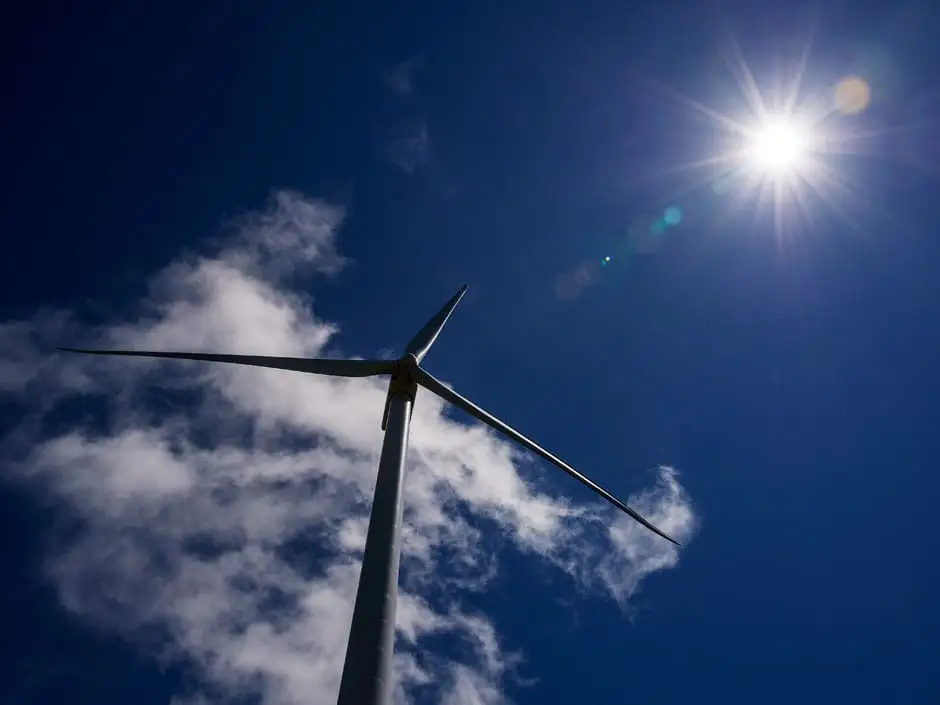
Report: Canada's renewable energy growth projections scaled back after Ontario scraps clean energy program
Canada Renewable Energy Outlook highlights IEA forecasts of slower capacity growth as Ontario cancels LRP…
View more
Electric vehicles can now power your home for three days
Vehicle-to-Home (V2H) Power enables EVs to act as backup generators and home batteries, using bidirectional…
View more
Tesla's lead in China's red-hot electric vehicle market is shrinking, says rival XPeng
China EV Market sees surging deliveries as Tesla, XPeng, Nio, and Li Auto race for…
View more
Sign Up for Electricity Forum’s Newsletter
Stay informed with our FREE Newsletter — get the latest news, breakthrough technologies, and expert insights, delivered straight to your inbox.
Electricity Today T&D Magazine Subscribe for FREE

Stay informed with the latest T&D policies and technologies.
- Timely insights from industry experts
- Practical solutions T&D engineers
- Free access to every issue

