FERC clears companies of intentional outages

By Greenwire


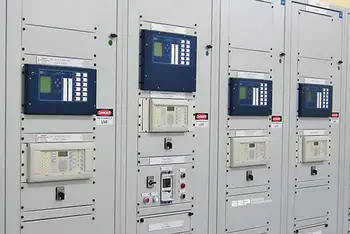
Substation Relay Protection Training

Our customized live online or in‑person group training can be delivered to your staff at your location.
  • Live Online
  • 12 hours Instructor-led
  • Group Training Available
Regular Price:
$699
Coupon Price:
$599
Reserve Your Seat Today
The Federal Energy Regulatory Commission cleared Duke Energy Co. and 100 other energy companies recently of any wrongdoing during the 2000-01 Western energy crisis.

California submitted a 3,000-page report to FERC on March 3 detailing its claims against several of the nation's biggest power providers the state says were responsible for the energy crisis. Although the report's findings have not been made public, California officials said in a public summary that some power plant operators deliberately shut down functional plants, reducing supply and driving up prices. In all, California accused electricity sellers of overcharging utilities, ratepayers and the state at least $7.5 billion.

FERC staff said Aug. 1 that Duke Energy, which owns four power plants in the state, "adequately explained" why outages occurred at its facilities between May 1, 2000 and June 30, 2001. Duke officials said they had little incentive to shut down the plants because the company had locked much of their power into long-term deals with electricity purchasers.

"So far, every time the facts have been put on the table regarding Duke Energy's California operations, they support what we've said all along," said Duke spokesman Pete Sheffield. "And that's that we acted appropriately" (Charlotte Observer, Aug. 2).

Most of the other companies cleared last week did not have a significant impact on California's energy market, but FERC is still investigation four other major energy companies, including AES Corp., Williams Cos., Dynegy Inc., Mirant Corp. and Reliant Resources Inc.

Related News

Ontario Energy Board prohibiting electricity shutoffs during latest stay-at-home order

OEB Disconnection Ban shields Ontario residential customers under the stay-at-home order, pausing electricity distributor shutoffs for non-payment and linking COVID-19 Energy Assistance Program credits for small businesses, charities, and overdue utility bills.


Key Points

A pause on electricity shutoff notices during Ontario's stay-at-home order, with COVID-19 bill credits for customers.

✅ Distributors cannot issue residential disconnection notices.

✅ Applies through the stay-at-home order timeline.

✅ CEAP credits: $750 residential; $1,500 small biz and charities.


With Ontario now into the third province-wide lockdown, the Ontario Energy Board (OEB) has promised residents won't have to worry about their power being shut off.

On April 8, the Province issued the third stay-at-home order in the last 13 months which is scheduled to last for 28 days until at least May 6, as electricity rates and policies continue to shift.

On April 30, the annual winter disconnection ban is set to expire, meaning electricity distributors like Hydro One would normally be permitted to issue disconnection notices for non-payment as early as 14 days before the end of the ban.

However, the OEB has announced changes for electricity consumers that prohibit electricity distributors from issuing disconnection notices to residential customers for the entirety of the stay-at-home order.

Additionally, the COVID-19 Energy Assistance Program is available for residential, small business, and registered charity customers who have overdue amounts on their electricity or gas bills as a result of the pandemic, complementing support for electric bills introduced during COVID-19, and the fixed COVID-19 hydro rate that helped stabilize costs.

Those who meet these criteria are eligible for credits up to a maximum of $750 for residential customers and $1,500 for small businesses and charities, alongside earlier moves to set an off-peak price to ease costs.


Related News

View more

Florida says no to $400M in federal solar energy incentives

Florida Solar for All Opt-Out highlights Gov. DeSantis rejecting EPA grant funds under the Inflation Reduction Act, limiting low-income households' access to solar panels, clean energy programs, and promised electricity savings across disadvantaged communities.


Key Points

Florida Solar for All Opt-Out is the state declining EPA grants, restricting low-income access to solar energy savings.

✅ EPA grant under IRA aimed at low-income solar

✅ Estimated 20% electricity bill savings missed

✅ Florida lacks PPAs and renewable standards


Florida has passed up on up to $400 million in federal money that would have helped low-income households install solar panels.

A $7 billion grant “competition” to promote clean energy in disadvantaged communities by providing low-income households with access to affordable solar energy was introduced by President Joe Biden earlier this year, and despite his climate law's mixed results in practice, none of that money will reach Florida households.

The Environmental Protection Agency announced the competition in June as part of Biden’s Inflation Reduction Act. However, Florida Gov. Ron DeSantis has decided to pass on the $400 million up for grabs by choosing to opt out of the opportunity.

Inflation Reduction Act:What is the Inflation Reduction Act? Everything to know about one of Biden's big laws

The program would have helped Florida households reduce their electricity costs by a minimum of 20% during a key time when Floridians are leaving in droves due to a rising cost of living associated with soaring insurance costs, inflation, and proposed FPL rate hikes statewide.

Florida was one of six other states that chose not to apply for the money.

President Joe Biden announced a $7 billion “competition” to promote clean energy in disadvantaged communities.

The opportunity, named “Solar for All,” was announced by the EPA in June and promised to provide up to $7 billion in grants to states, territories, tribal governments, municipalities, and nonprofits to expand the number of low-income and disadvantaged communities primed for residential solar investment — enabling millions of low-income households to access affordable, resilient and clean solar energy.

The grant is intended to help lower energy costs for families, create jobs and help reduce greenhouse effects that accelerate global climate change by providing financial support and incentives to communities that were previously locked out of investments.


How much money would Floridians save under the ‘Solar for All’ solar panel grant?

The program aims to reduce household electricity costs by at least 20%. Florida households paid an average of $154.51 per month for electricity in 2022, just over 14% of the national average of $135.25, and debates over hurricane rate surcharges continue to shape customer bills, according to the U.S. Energy Information Administration. A 20% savings would drop those bills down to around $123 per month.

On the campaign trail, DeSantis has pledged to unravel Biden’s green energy agenda if elected president, amid escalating solar policy battles nationwide, slamming the Inflation Reduction Act and what he called “a concerted effort to ramp up the fear when it comes to things like global warming and climate change.”

His energy agenda includes ending Biden’s subsidies for electric cars while pushing policies that he says would ramp up domestic oil production.

“The subsidies are going to drive inflation higher,” DeSantis said at an event in September. “It’s not going to help with interest rates, and it is certainly not going to help with our unsustainable debt levels.”

DeSantis heading to third debate:As he enters third debate, Ron DeSantis has a big Nikki Haley problem

DeSantis’ plan to curb clean energy usage in Florida seems to be at odds with the state as a whole, and the region's evolving strategy for the South underscores why it has been ranked among the top three states to go solar since 2019, according to the Solar Energy Industries Association (SEIA).

SEIA also shows, however, that Florida lags behind many other states when it comes to solar policies, as utilities tilt the solar market in ways that influence policy outcomes statewide. Florida, for instance, has no renewable energy standards, which are used to increase the use of renewable energy sources for electricity by requiring or encouraging suppliers to provide customers with a stated minimum share of electricity from eligible renewable resources, according to the EIA.

Power purchase agreements, which can help lower the cost of going solar through third-party financing, are also not allowed in Florida, with court rulings on monopolies reinforcing the existing market structure. And there have been other policies implemented that drove other potential solar investments to other states.


Related News

View more

Enbridge Insists Storage Hub Lives On After Capital Power Pullout

Enbridge Alberta CCS Project targets carbon capture and storage in Alberta, capturing emissions from industrial emitters to advance net-zero goals, leveraging carbon pricing, regulatory support, and a hub model despite a key partner's exit.


Key Points

A proposed Alberta carbon capture hub by Enbridge to store industrial emissions and support net-zero targets.

✅ Seeks emitters across power, oil and gas, and heavy industry

✅ Backed by carbon pricing, regulation, and net-zero mandates

✅ Faces high capex, storage risk, and anchor-tenant uncertainty


Enbridge Inc., a Canadian energy giant, is digging its heels in on its proposed carbon capture and storage (CCS) project in Alberta. This comes despite the recent withdrawal of Capital Power, a major potential emitter that was expected to utilize the CCS technology. Enbridge maintains the project remains viable, but questions linger about its future viability without a cornerstone anchor.

The CCS project, envisioned as a major carbon capture hub in Alberta, aimed to capture emissions from industrial facilities and permanently store them underground. This technology has the potential to play a significant role in reducing greenhouse gas emissions and mitigating the effects of climate change, alongside grid solutions like bridging the Alberta-B.C. electricity gap that can complement decarbonization efforts.

Capital Power's decision to shelve its $2.4 billion Genesee Generating Station project, which was designed to integrate with the CCS hub, threw a wrench into Enbridge's plans. The Genesee project was expected to be a key source of emissions for capture and storage, and its status is being weighed as Ottawa advances the federal coal plan to phase out unabated coal.

Enbridge, however, remains optimistic. The company cites ongoing discussions with other potential emitters interested in utilizing the CCS technology, amid new funding signals such as the U.S. DOE's $110M for CCUS that highlight momentum. They believe the project holds significant value despite Capital Power's departure.

"We are confident in the long-term viability of the project and continue to actively engage with potential customers," said Enbridge spokesperson Rachel Giroux. "Carbon capture and storage is a critical technology for achieving net-zero emissions, and we believe there is a strong business case for our CCS project."

Enbridge's confidence hinges on several factors. Firstly, they believe there is a growing appetite for CCS technology amongst industrial facilities facing increasing pressure to reduce their carbon footprint. Regulations and carbon pricing mechanisms, including new U.S. EPA power plant rules that test CCS readiness, could further incentivize companies to adopt CCS solutions.

Secondly, Enbridge highlights the potential for capturing emissions from not just power plants but also from other industrial sectors like oil and gas production and clean hydrogen projects in Canada, where reforming processes can generate CO2. This broader application could significantly increase the captured carbon volume and strengthen the project's economic viability.

However, skepticism remains. Critics point to the high upfront costs associated with CCS development and the nascent stage of the technology. They argue that without a guaranteed stream of captured emissions, the project might not be financially sound. Additionally, the long-term safety and effectiveness of large-scale carbon storage solutions remain under scrutiny.

The success of Enbridge's CCS project hinges on attracting new emitters. Replacing Capital Power's contribution will be a significant challenge. Enbridge will need to demonstrate the project's economic viability and navigate the complex regulatory landscape surrounding CCS technology.

The Alberta government's position on CCS is crucial. While the government has expressed support for the technology, the level of financial and regulatory incentives offered will significantly impact investor confidence, especially as the IEA net-zero outlook underscores Canada's need for much more electricity. A clear and stable policy framework will be essential for attracting emitters to the project.

The future of Enbridge's CCS project remains uncertain. Capital Power's withdrawal is a setback, but Enbridge's continued commitment suggests they believe the technology holds promise. Whether they can find enough emitters to justify the project's development will be a critical test. The outcome will have significant implications for the future of CCS technology in Alberta and Canada's broader efforts to achieve net-zero emissions, including Canada-Germany clean energy cooperation that seeks to scale low-carbon fuels.


Related News

View more

Integrating AI Data Centers into Canada's Electricity Grids

Canada AI Data Center Grid Integration aligns AI demand with renewable energy, energy storage, and grid reliability. It emphasizes transmission upgrades, liquid cooling efficiency, and policy incentives to balance economic growth with sustainable power.


Key Points

Linking AI data centers to Canada's grid with renewables, storage, and efficiency to ensure reliable, sustainable power.

✅ Diversify supply with wind, solar, hydro, and firm low-carbon resources

✅ Deploy grid-scale batteries to balance peaks and enhance reliability

✅ Upgrade transmission, distribution, and adopt liquid cooling efficiency


Artificial intelligence (AI) is revolutionizing various sectors, driving demand for data centers that support AI applications. In Canada, this surge in data center development presents both economic opportunities and challenges for the electricity grid, where utilities using AI to adapt to evolving demand dynamics. Integrating AI-focused data centers into Canada's electricity infrastructure requires strategic planning to balance economic growth with sustainable energy practices.​

Economic and Technological Incentives

Canada has been at the forefront of AI research for over three decades, establishing itself as a global leader in the field. The federal government has invested significantly in AI initiatives, with over $2 billion allocated in 2024 to maintain Canada's competitive edge and to align with a net-zero grid by 2050 target nationwide. Provincial governments are also actively courting data center investments, recognizing the economic and technological benefits these facilities bring. Data centers not only create jobs and stimulate local economies but also enhance technological infrastructure, supporting advancements in AI and related fields.​

Challenges to the Electricity Grid

However, the energy demands of AI data centers pose significant challenges to Canada's electricity grid, mirroring the power challenge for utilities seen in the U.S., as demand rises. The North American Electric Reliability Corporation (NERC) has raised concerns about the growing electricity consumption driven by AI, noting that the current power generation capacity may struggle to meet this increasing demand, while grids are increasingly exposed to harsh weather conditions that threaten reliability as well. This situation could lead to reliability issues, including potential blackouts during peak demand periods, jeopardizing both economic activities and the progress of AI initiatives.​

Strategic Integration Approaches

To effectively integrate AI data centers into Canada's electricity grids, a multifaceted approach is essential:

  1. Diversifying Energy Sources: Relying solely on traditional energy sources may not suffice to meet the heightened demands of AI data centers. Incorporating renewable energy sources, such as wind, solar, and hydroelectric power, can provide sustainable alternatives. For instance, Alberta has emerged as a proactive player in supporting AI-enabled data centers, with the TransAlta data centre agreement expected to advance this momentum, leveraging its renewable energy potential to attract such investments.
     

  2. Implementing Energy Storage Solutions: Integrating large-scale battery storage systems can help manage the intermittent nature of renewable energy. These systems store excess energy generated during low-demand periods, releasing it during peak times to stabilize the grid. In some communities, AI-driven grid upgrades complement storage deployments to optimize operations, which supports data center needs and community reliability.
     

  3. Enhancing Grid Infrastructure: Upgrading transmission and distribution networks is crucial to handle the increased load from AI data centers. Strategic investments in grid infrastructure can prevent bottlenecks and ensure efficient energy delivery, including exploration of macrogrids in Canada to improve regional transfers, supporting both existing and new data center operations.​
     

  4. Adopting Energy-Efficient Data Center Designs: Designing data centers with energy efficiency in mind can significantly reduce their power consumption. Innovations such as liquid cooling systems are being explored to manage the heat generated by high-density AI workloads, offering more efficient alternatives to traditional air cooling methods.

  5. Establishing Collaborative Policies: Collaboration among government entities, utility providers, and data center operators is vital to align energy policies with technological advancements. Developing regulatory frameworks that incentivize sustainable practices can guide the growth of AI data centers in harmony with grid capabilities.​
     

Integrating AI data centers into Canada's electricity grids presents both significant opportunities and challenges. By adopting a comprehensive strategy that includes diversifying energy sources, implementing advanced energy storage, enhancing grid infrastructure, promoting energy-efficient designs, and fostering collaborative policies, Canada can harness the benefits of AI while ensuring a reliable and sustainable energy future. This balanced approach will position Canada as a leader in both AI innovation and sustainable energy practices.


Related News

View more

California Regulators Face Calls for Action as Electricity Bills Soar

California Electricity Rate Hikes strain households as CPUC weighs fixed charges, utility profit caps, and stricter oversight. Wildfire mitigation, transmission upgrades, and aging grid costs push bills higher amid renewable integration and consumer protection debates.


Key Points

California power rates are rising from wildfire mitigation, transmission costs, and grid upgrades under CPUC review.

✅ CPUC mulls fixed charges to stabilize bills and rate design.

✅ Advocates push profit caps; utilities cite investment needs.

✅ Stronger oversight sought to curb waste and boost transparency.


California residents and consumer groups are demanding relief as their electricity bills continue to climb, putting increasing pressure on state regulators to intervene.  A recent op-ed in the San Francisco Chronicle highlights the growing frustration, emphasizing that California already has some of the highest electricity rates in the country, as coverage on why prices are soaring underscores, and these costs are only getting more burdensome.


Factors Driving High Bills

The rising electricity bills are attributed to several factors:

  • Wildfire Mitigation and Liability: Utility companies are investing heavily in wildfire prevention measures, such as vegetation management and infrastructure hardening. The costs of these initiatives, along with the increasing financial liabilities associated with wildfire risk, are being passed on to consumers.
  • Transmission Costs: California's vast geography and move towards renewable energy sources necessitate significant investments in transmission lines to deliver electricity from remote locations. These infrastructure costs also contribute to higher bills.
  • Aging Infrastructure: California's electricity grid is aging and requires upgrades and maintenance, and the expenses associated with these efforts are reflected in consumer rates.


Proposed Solutions and Debates

Consumer advocates and some lawmakers are calling for various actions to address the issue, including a potential revamp of electricity rates to clean the grid:

  • Fixed Charge Proposal: The California Public Utilities Commission (CPUC) is considering a proposal to introduce an income-based fixed charge on electricity bills. This change aims to make rates more predictable and encourage investment in renewable energy sources. However, opponents argue that it could disproportionately impact low-income households and discourage conservation.
  • Utility Profit Caps: Some advocate for capping utility companies' profits. They believe excessive profits should be returned to customers in the form of lower rates. However, utility companies counter that they need a certain level of profit to invest in infrastructure and maintain a reliable grid.
  • Increased Oversight: Consumer groups are calling for stricter oversight of utility company spending, and legislators are preparing to crack down on utility spending through upcoming votes as well. They demand transparency and want to ensure that funds collected from customers are being used for necessary investments and not for lobbying or excessive executive compensation.


Comparisons and National Implications

Similar concerns about rising utility bills are emerging in other parts of the country as more states transition to renewable energy and invest in infrastructure upgrades.

A report by the Energy Information Administration (EIA) shows that average residential electricity rates across the country have been on the rise for the past decade. While California currently ranks amongst the highest, major changes to electric bills are being debated, and other states are following suit, demonstrating the nationwide challenge of balancing affordability with necessary investments.


Uncertain Future

The California Public Utilities Commission is reviewing the fixed charge proposal and is expected to make a decision later this year, with income-based flat-fee utility bills moving closer in the process. The outcome of this decision and potential additional regulatory changes will have significant ramifications for California residents, and some lawmakers plan to overturn income-based charges if adopted, which could set a precedent for how other states handle the rising costs associated with the energy transition.


Related News

View more

Experiment Shows We Can Actually Generate Electricity From The Night Sky

Nighttime thermoradiative power converts outgoing infrared radiation into electricity using semiconductor photodiodes, leveraging negative illumination and sky cooling to harvest renewable energy from Earth-to-space heat flow when solar panels rest, regardless of weather.


Key Points

Nighttime thermoradiative power converts Earth's outgoing infrared heat into electricity using semiconductor diodes.

✅ Uses negative illumination to tap Earth-to-space heat flow

✅ Infrared semiconductor photodiodes generate small nighttime current

✅ Theoretical output ~4 W/m^2; lab demo reached 64 nW/m^2


There's a stark contrast between the freezing temperatures of space and the relatively balmy atmosphere of Earth, and that contrast could help generate electricity, scientists say – and alongside concepts such as space-based solar power, utilizing the same optoelectronic physics used in solar panels. The obvious difference this would have compared with solar energy is that it would work during the night time, a potential source of renewable power that could keep on going round the clock and regardless of weather conditions.

Solar panels are basically large-scale photodiodes - devices made out of a semiconducting material that converts the photons (light particles) coming from the Sun into electricity by exciting electrons in a material such as silicon, while concepts like space solar beaming could complement them during adverse weather.

In this experiment, the photodiodes work 'backwards': as photons in the form of infrared radiation - also known as heat radiation - leave the system, a small amount of energy is produced, similar to how raindrop electricity harvesting taps ambient fluxes in other experiments.

This way, the experimental system takes advantage of what researchers call the "negative illumination effect" – that is, the flow of outgoing radiation as heat escapes from Earth back into space. The setup explained in the new study uses an infrared semiconductor facing into the sky to convert this flow into electrical current.

"The vastness of the Universe is a thermodynamic resource," says one of the researchers, Shanhui Fan from Stanford University in California.

"In terms of optoelectronic physics, there is really this very beautiful symmetry between harvesting incoming radiation and harvesting outgoing radiation."

It's an interesting follow-up to a research project Fan participated in last year: a solar panel that can capture sunlight while also allowing excess heat in the form of infrared radiation to escape into space.

In the new study, this "energy harvesting from the sky" process can produce a measurable amount of electricity, the researchers have shown – though for the time being it's a long way from being efficient enough to contribute to our power grids, but advances in peer-to-peer energy sharing could still make niche deployments valuable.

In the team's experiments they were able to produce 64 nanowatts per square metre (10.8 square feet) of power – only a trickle, but an amazing proof of concept nevertheless. In theory, the right materials and conditions could produce a million times more than that, and analyses of cheap abundant electricity show how rapidly such advances compound, reaching about 4 watts per square metre.

"The amount of power that we can generate with this experiment, at the moment, is far below what the theoretical limit is," says one of the team, Masashi Ono from Stanford.

When you consider today's solar panels are able to generate up to 100-200 watts per square metre, and in China solar is cheaper than grid power across every city, this is obviously a long way behind. Even in its earliest form, though, it could be helpful for keeping low-power devices and machines running at night: not every renewable energy device needs to power up a city.

Now that the researchers have proved this can work, the challenge is to improve the performance of the experimental device. If it continues to show promise, the same idea could be applied to capture energy from waste heat given off by machinery, and results in humidity-powered generation suggest ambient sources are plentiful.

"Such a demonstration of direct power generation of a diode facing the sky has not been previously reported," explain the researchers in their published paper.

"Our results point to a pathway for energy harvesting during the night time directly using the coldness of outer space."

The research has been published in Applied Physics Letters.


Related News

View more

Sign Up for Electricity Forum’s Newsletter

Stay informed with our FREE Newsletter — get the latest news, breakthrough technologies, and expert insights, delivered straight to your inbox.

Electricity Today T&D Magazine Subscribe for FREE

Stay informed with the latest T&D policies and technologies.
  • Timely insights from industry experts
  • Practical solutions T&D engineers
  • Free access to every issue

Download the 2025 Electrical Training Catalog

Explore 50+ live, expert-led electrical training courses –

  • Interactive
  • Flexible
  • CEU-cerified