Electrical Testing and Commissioning - Acceptance Testing, Start-Up and Turnover
Our customized live online or in‑person group training can be delivered to your staff at your location.
- Live Online
- 12 hours Instructor-led
- Group Training Available
Regular Price:
$599
Coupon Price:
$499
VANCOUVER
—
Interprovincial Interties report finds wider provincial grid connections can reduce outage risks, lower system costs and strengthen resilience during extreme weather through diverse generation resources, coordinated planning and electricity-system cooperation.
The Main Points
-
Expanded ties could reduce outage risks during extreme weather.
-
Modelling points to lower system costs and stronger resilience.
-
Provincial cooperation could improve use of diverse generation.
A new report on Interprovincial Interties makes the case that stronger electricity connections between provinces could improve the resilience of Canada's power system when extreme weather places networks under stress. The analysis examines how expanded interprovincial connections can support a more flexible system, with modelling indicating potential reductions in outage risk alongside lower overall system costs.
The report frames interties as a resilience tool rather than simply a means of moving electricity across provincial boundaries. By enabling power systems to draw more effectively on generation resources located in different regions, additional connections could give system operators more options when weather conditions disrupt supply or increase demand. That focus aligns with broader discussion around canada grid reliability investment as utilities assess long-term system needs.
Extreme weather is central to the report's findings. Severe conditions can affect generation, transmission assets and electricity demand at the same time, making the ability to share available resources especially important. Greater interconnection could reduce the consequences of localized disruptions by allowing provinces to access a broader pool of supply. The report therefore connects resilience planning to the operational challenges highlighted by canadian harsh weather grid impact in a changing electricity landscape.
Modelling cited in the report finds that expanded ties can lower system costs while improving reliability outcomes. The result reflects the potential value of coordinating systems with diverse generation resources, rather than relying solely on resources available within a single province at a given moment. The analysis does not present interties as a stand-alone answer to all reliability challenges, but it identifies provincial cooperation as an important element of a future electricity system designed to withstand disruption.
For western systems, the findings also point to the importance of regional coordination as planning decisions shape how supply can be shared across wider areas. Conversations around the western canada grid illustrate why connection capacity and system flexibility can matter when resource conditions vary from one jurisdiction to another. The report's central message is that a more connected grid can make better use of those differences.
The study also places grid resilience alongside affordability. Lower system costs are identified as a possible benefit of greater interconnection, suggesting that planning for reliability and planning for efficient resource use need not be separate exercises. That perspective is relevant as decision-makers consider local resilience options, including the role discussed in canada microgrid future, within a wider and more coordinated electricity system.
Interprovincial links may also inform how Canada considers cross-border electricity relationships. While the report focuses on connections among provinces, its emphasis on flexible power sharing and diverse resources parallels issues raised by canada us electricity trade adapts as system conditions evolve. The report concludes that greater provincial cooperation and expanded interties can help build a more resilient electricity system for future extreme-weather events.
Related News
Related News
Despite delays, BC Hydro says crews responded well to 'atypical' storm
BC Hydro Ice Storm Response to Fraser Valley power outages highlights freezing rain impacts, round…
View more

Ofgem Seeks Rules for First Offshore Wind and Interconnector Projects
Non-Standard Interconnectors are the focus of an Ofgem consultation covering delivery timelines and incentives for…
View more

After alert on Russian hacking, a renewed focus on protecting U.S. power grid
U.S. Power Grid Cybersecurity combats DHS-FBI flagged threats to energy infrastructure, with PJM Interconnection using…
View more
The Implications of Decarbonizing Canada's Electricity Grid
Canada Electricity Grid Decarbonization advances net-zero goals by expanding renewable energy (wind, solar, hydro), boosting…
View more
RMI says grid batteries cut costs and bolster reliability in U.S. states
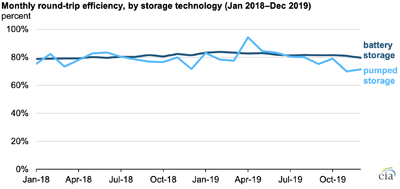
Grid Battery Benefits are emerging in RMI's analysis as energy storage systems reduce peak energy…
View more
New Rules for a Future Puerto Rico Microgrid Landscape
Puerto Rico Microgrid Regulations outline renewable energy, CHP, and storage standards, enabling islanded systems, PREPA…
View more
Sign Up for Electricity Forum’s Newsletter
Stay informed with our FREE Newsletter — get the latest news, breakthrough technologies, and expert insights, delivered straight to your inbox.
Electricity Today T&D Magazine Subscribe for FREE

Stay informed with the latest T&D policies and technologies.
- Timely insights from industry experts
- Practical solutions T&D engineers
- Free access to every issue
