By asdfasdfasdfasdfasdf


CSA Z463 Electrical Maintenance -

Our customized live online or in‑person group training can be delivered to your staff at your location.

  • Live Online
  • 6 hours Instructor-led
  • Group Training Available
Regular Price:
$249
Coupon Price:
$199
Reserve Your Seat Today
ffasd

asdfasdfasdfasdfasdf

Related News

Tories 'taking the heart out of Manitoba Hydro' by promoting subsidiaries, scrapping low-cost pledges: NDP

Manitoba Hydro Privatization Debate centers on subsidiaries, Crown corporation governance, clean energy priorities, and electricity rates, as board terms shift oversight and transparency, sparking concerns about sell-offs and government control.


Key Points

A dispute over Hydro's governance, subsidiaries, electricity rates, and clean energy amid fears of partial privatization.

✅ Rewritten terms allow subsidiaries and shift board duties.

✅ Low rates and clean energy mandates softened in guidance.

✅ Govt cites Hydro Act; NDP warns of sell-off risks.


The board of Manitoba Hydro is being reminded it can divvy up some of the utility's work to subsidiaries — which the NDP is decrying as a step toward privatization. 

A sentence seemingly granting the board permission to create subsidiaries was included in the board's new terms of reference, which the NDP raised during question period Wednesday. 

The document also eliminated references asking Manitoba Hydro to keep electricity rates low, even as rate hike hearings proceed, and supply power in an environmentally-friendly fashion.

NDP raises spectre of Manitoba Hydro's privatization with new CEO
"They're essentially taking the heart out of Manitoba Hydro," NDP leader Wab Kinew said.

Cheap, clean energy is the basis by which the Crown corporation was formed, even as scaled-back rate increases are planned for next year, he said. 

"That's the whole reason we created this utility in the first place."

Another addition to the board's guidelines include stating the corporation is responsible to the government minister, who must be "proactively informed" when significant issues arise. 

The provincial government, however, says the rewritten terms of reference was the directive of the Manitoba Hydro board and not itself.

CBC's requests to the government for an interview were directed to Manitoba Hydro.

In an interview, Manitoba Hydro spokesperson Scott Powell said the energy utility has undergone no legislative changes, and is still governed by the Manitoba Hydro Act. 

The terms of reference were altered to align the board's duties with the new act overseeing Crown corporations, Powell said.

"Whether you have one or two words different in the terms of reference, the essence of the company hasn't changed."

While the new terms of reference no longer instructs the corporation to ensure an "environmentally responsible supply of energy for Manitobans," it encourages the board to "promote economy and efficiency in all phases of power generation and distribution."

On the cost to ratepayers, the updated directions asks the utility to deliver "safe, reliable energy services at a fair price," a standard clarified by a recent appeal court ruling on First Nations rates, but the board is not specifically instructed with keeping electricity rates low. 

Kinew contends the added sentence on subsidiaries permits Hydro to be broken off and sold for parts, although the terms of reference does not specify if any subsidiary would be wholly owned by Hydro or contracted to a private company.

Powell said Manitoba Hydro has been permitted to create subsidiaries since 1997, and nothing has changed since.

Kinew warned about Hydro's privatization last week when Jay Grewal was announced as Hydro's incoming CEO and president.

She was employed with B.C. Hydro when then-premier Gordon Campbell — hired by the Manitoba government to investigate costly overruns on two electricity megaprojects — sold off segments of the utility.

She then became managing director of Accenture, a global management consulting firm, which acquired several B.C. Hydro departments.

During question period Wednesday, Pallister disputed that Manitoba Hydro is bound to be sold.

He slammed the NDP's "Americanization strategy" of producing more electricity than it is capable of selling, which has saddled ratepayers with billions in debt and prompted proposed 2.5% annual increases in coming years. 

The makeup of the Hydro board has undergone a complete turnover in under a year, a contrast to Ontario's Hydro One shakeup vow during that period.

Nine of the 10 members resigned en masse this March over an impasse with the Pallister government. The lone holdover, Cliff Graydon, was dismissed from his post last month after the Progressive Conservatives removed him from caucus. 


Related News

View more

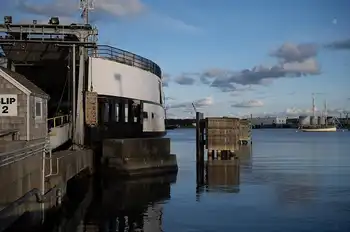
Washington State Ferries' Hybrid-Electric Upgrade

Washington State Hybrid-Electric Ferries advance green maritime transit with battery-diesel propulsion, lower emissions, and fleet modernization, integrating charging infrastructure and reliable operations across WSF routes to meet climate goals and reduce fuel consumption.


Key Points

New WSF vessels using diesel-battery propulsion to cut emissions, improve efficiency, and sustain reliable ferry service.

✅ Hybrid diesel-battery propulsion reduces fuel use and CO2

✅ Larger vessels with efficient batteries and charging upgrades

✅ Compatible with WSF docks, maintenance, and safety standards


Washington State is embarking on an ambitious update to its ferry fleet, introducing hybrid-electric boats that represent a significant leap toward greener and more sustainable transportation. The state’s updated plans reflect a commitment to reducing carbon emissions and enhancing environmental stewardship while maintaining the efficiency and reliability of its vital ferry services.

The Washington State Ferries (WSF) system, one of the largest in the world, has long been a critical component of the state’s transportation network, linking various islands and coastal communities with the mainland. Traditionally powered by diesel engines, the ferries are responsible for significant greenhouse gas emissions. In response to growing environmental concerns and legislative pressure, WSF is now turning to hybrid-electric technology similar to battery-electric high-speed ferries seen elsewhere to modernize its fleet and reduce its carbon footprint.

The updated plans for the hybrid-electric boats build on earlier efforts to introduce cleaner technologies into the ferry system. The new designs incorporate advanced hybrid-electric propulsion systems that combine traditional diesel engines with electric batteries. This hybrid approach allows the ferries to operate on electric power during certain segments of their routes, reducing reliance on diesel fuel and cutting emissions as electric ships on the B.C. coast have demonstrated during similar operations.

One of the key features of the updated plans is the inclusion of larger and more capable hybrid-electric ferries, echoing BC Ferries hybrid ships now entering service in the region. These vessels are designed to handle the demanding operational requirements of the Washington State Ferries system while significantly reducing environmental impact. The new boats will be equipped with state-of-the-art battery systems that can store and utilize electric power more efficiently, leading to improved fuel economy and lower overall emissions.

The transition to hybrid-electric ferries is driven by both environmental and economic considerations. On the environmental side, the move aligns with Washington State’s broader goals to combat climate change and reduce greenhouse gas emissions, including programs like electric vehicle rebate program that encourage cleaner travel across the state. The state has set ambitious targets for reducing carbon emissions across various sectors, and upgrading the ferry fleet is a crucial component of achieving these goals.

From an economic perspective, hybrid-electric ferries offer the potential for long-term cost savings. Although the initial investment in new technology can be substantial, with financing models like CIB support for B.C. electric ferries helping spur adoption and reduce barriers for agencies, the reduced fuel consumption and lower maintenance costs associated with hybrid-electric systems are expected to lead to significant savings over the lifespan of the vessels. Additionally, the introduction of greener technology aligns with public expectations for more sustainable transportation options.

The updated plans also emphasize the importance of integrating hybrid-electric technology with existing infrastructure. Washington State Ferries is working to ensure that the new vessels are compatible with current docking facilities and maintenance practices. This involves updating docking systems, as seen with Kootenay Lake electric-ready ferry preparations, to accommodate the specific needs of hybrid-electric ferries and training personnel to handle the new technology.

Public response to the hybrid-electric ferry initiative has been largely positive, with many residents and environmental advocates expressing support for the move towards greener transportation. The new boats are seen as a tangible step toward reducing the environmental impact of one of the state’s most iconic transportation services. The project also highlights Washington State’s commitment to innovation and leadership in sustainable transportation, alongside global examples like Berlin's electric flying ferry that push the envelope in maritime transit.

However, the transition to hybrid-electric ferries is not without its challenges. Implementing new technology requires careful planning and coordination, including addressing potential technical issues and ensuring that the vessels meet all safety and operational standards. Additionally, there may be logistical challenges associated with integrating the new ferries into the existing fleet and managing the transition without disrupting service.

Despite these challenges, the updated plans for hybrid-electric boats represent a significant advancement in Washington State’s efforts to modernize its transportation system. The initiative reflects a growing trend among transportation agencies to embrace sustainable technologies and address the environmental impact of traditional transportation methods.

In summary, Washington State’s updated plans for hybrid-electric ferries mark a crucial step towards a more sustainable and environmentally friendly transportation network. By incorporating advanced hybrid-electric technology, the state aims to reduce carbon emissions, improve fuel efficiency, and align with its broader climate goals. While challenges remain, the initiative demonstrates a commitment to innovation and underscores the importance of transitioning to greener technologies in the quest for a more sustainable future.


Related News

View more

Lawmakers push bill to connect Texas grid to rest of the nation

Connect the Grid Act links ERCOT to neighboring grids via high-voltage interconnections, enhancing reliability, resilience, and renewables integration. It enables power imports and exports with SPP, MISO, and the Western Interconnection under FERC oversight.


Key Points

A plan to link ERCOT with neighboring grids, improving reliability, enabling energy trade, and integrating renewables.

✅ High-voltage ties with SPP, MISO, and the Western Interconnection

✅ Enables imports during crises and exports of surplus power

✅ Brings ERCOT under FERC oversight; DoE to study Mexico links


In the aftermath of the devastating 2021 Texas blackouts, which exposed the vulnerabilities of the state's energy infrastructure, a significant legislative effort is underway to transform Texas from an energy island into a connected component of the broader U.S. power grid. Spearheaded by U.S. Representative Greg Casar, D-Austin, the proposed Connect the Grid Act is part of a push for smarter electricity infrastructure that seeks to remedy the isolation of the Electric Reliability Council of Texas (ERCOT) from neighboring power grids, a condition that significantly contributed to the crisis during Winter Storm Uri.

The blackouts, which left millions without power and resulted in significant loss of life and economic damage, underscored the inherent risks of Texas's unique energy infrastructure. Unlike the rest of the continental U.S., Texas's grid operates independently, limiting its ability to import electricity during emergencies. This isolation was a critical factor in the state's inability to respond effectively to the increased demand for power during the storm.

Recognizing the urgent need for a more resilient and integrated energy system, Rep. Casar's legislation aims to establish high-voltage connections between ERCOT and adjacent grid-operating organizations, including the Southern Power Pool, MISO, and the Western Interconnection. This would not only improve the reliability of Texas's power supply by enabling energy imports during crises but also allow the state to export surplus energy, thereby enhancing the economic efficiency and sustainability of its energy market.

The Connect the Grid Act proposes a range for the new connections' transfer capabilities, aiming to significantly boost the amount of power that can be shared between Texas and its neighbors. Such interconnectivity is anticipated to reduce energy costs for consumers by mitigating scarcity and enabling access to Texas's vast renewable energy resources, even as grid modernization affordability remains a point of debate among stakeholders. However, the bill faces opposition due to concerns over federal oversight, as it would bring ERCOT under the jurisdiction of the Federal Energy Regulatory Commission (FERC).

Some analysts note that policies such as later school start dates can ease late-summer peak demand as well.

At a press conference held at the IBEW Local 520 headquarters, Rep. Casar, along with environmental groups, labor unions, and frontline workers, highlighted the benefits of the proposed legislation. The bill also includes provisions for a Department of Energy study on the potential benefits of interconnecting with Mexico, and parallels proposals for macrogrids in Canada that seek greater reliability across borders.

The Connect the Grid Act reflects a broader national trend towards increasing the interconnectivity of regional power grids, a move deemed essential for the transition to renewable energy and combating climate change risks to the U.S. grid through expanded interconnection. By enabling the flow of clean energy from renewable-rich areas like Texas to energy-hungry urban centers, the legislation supports a more sustainable and resilient national energy infrastructure.

Critics of Texas's grid independence, including energy experts and federal regulators, have long advocated for such interconnections. They argue that increased access to neighboring grids could have mitigated the effects of the 2021 blackouts and emphasize the importance of a grid that can withstand extreme weather events. The Federal Energy Regulatory Commission and the North American Electric Reliability Corp. have both explored mandates and studies to promote electricity transfer between regional grids, while states like California grid upgrades are investing to modernize networks as well, highlighting the national importance of grid interconnectivity.

Despite the potential challenges of increased federal regulation, proponents of the Connect the Grid Act argue that the benefits of interconnection far outweigh the drawbacks. By reducing energy costs, enhancing grid reliability, and promoting renewable energy, the legislation aims to secure a more sustainable and equitable energy future for Texas and the nation.

If passed, the Connect the Grid Act would mark a historic shift in Texas's energy policy, ending the state's long-standing isolation and positioning it as a key player in the national and potentially international energy landscape, and echoes calls for a western Canadian electricity grid to strengthen regional ties. The bill sets a completion deadline of January 1, 2035, for the construction of the new connections, with other projects, like the one by Pattern Energy, potentially connecting ERCOT to parts of the Southeastern grid even earlier, by 2029. This legislative effort represents a critical step towards ensuring that Texas can meet its energy needs reliably and sustainably, while also contributing to the broader goal of transitioning to a cleaner, more resilient power system.


Related News

View more

Ontario confronts reality of being short of electricity in the coming years

Ontario electricity shortage is looming, RBC and IESO warn, as EV electrification surges, Pickering nuclear faces delays, and gas plants backstop expiring renewables, raising GHG emissions and grid reliability concerns across the province.


Key Points

A projected supply shortfall as demand rises from electrification, expiring contracts, and delayed nuclear capacity.

✅ RBC warns shortages as early as 2026, significant by 2030

✅ IESO sees EV-driven demand; 5,000-15,000 MW by 2035

✅ Gas reliance boosts GHGs; Pickering life extension assessed


In a fit of ideological pique, Doug Ford’s government spent more than $200 million to scrap more than 700 green energy projects soon after winning the 2018 election, amid calls to make clean, affordable power a central issue, portraying them as “unnecessary and expensive energy schemes.”

A year later, then Associate Energy Minister Bill Walker defended the decision, declaring, “Ontario has an adequate supply of power right now.”

Well, life moves fast. At the time, scrapping the renewable energy projects was criticized as short-sighted and wasteful, raising doubts about whether Ontario was embracing clean power in a meaningful way. It seems especially so now as Ontario confronts the reality of being short of electricity in the coming years.

How short? A recent report by RBC calls the situation “urgent,” saying that Canada’s most populous province could face energy shortages as early as 2026. As contracts for non-hydro renewables and gas plants expire, the shortages could be “significant” by 2030, the bank report said, with grid greening costs adding to the challenge.

The Independent Electricity System Operator (IESO), which manages the electrical supply in Ontario, says demand for electricity could rise at rates not seen in many years, as the government moves to add new gas plants to boost capacity. “Economic growth coming out of the pandemic, along with electrification in many sectors, is driving energy use up,” the agency said in a December assessment.

The good news is that demand is being driven, in part, by the transition to “green” power – carbon-emission-free electricity – by sectors such as transportation and manufacturing. That will help reduce emissions. Yet meeting that demand presents some challenges, prompting the province to outline a plan to address growing needs across the system. The shift to electric vehicles alone is expected to cause a spike in demand starting in 2030. By 2035, the province could need an additional 5,000 to 15,000 megawatts of electricity, the IESO estimates.

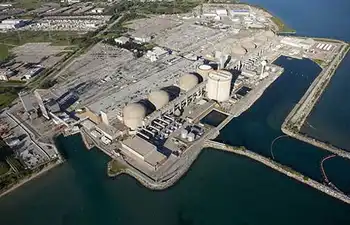
It was perhaps no surprise then to see the province announce last week that it wants to delay the long-planned closing of the Pickering nuclear plant by a year to 2026, even as others note the station is slated to close as planned. Operations beyond that would require refurbishing the facility. The province said it’s taking a fresh look at whether that would make sense to extend its life by another 30 years.

In the interim, the province will be forced to dramatically ramp up its reliance on natural gas plants for electricity generation – and, as analysts warn, Ontario’s power mix could get dirtier even before new non-emitting capacity is built, and in the process, increase greenhouse gas emissions from the energy grid by 400 per cent. Broader electrification is expected to produce “significant” GHG emissions reductions in Ontario over the next two decades, according to the IESO. Still, it’s working at cross-purposes if your electric car is charged by electricity generated by fossil fuels.


Related News

View more

No time to be silent on NZ's electricity future

New Zealand Renewable Energy Strategy examines decarbonisation, GHG emissions, and net energy as electrification accelerates, expanding hydro, geothermal, wind, and solar PV while weighing intermittency, storage, materials, and energy security for a resilient power system.


Key Points

A plan to expand electricity generation, balancing decarbonisation, net energy limits, and energy security.

✅ Distinguishes decarbonisation targets from renewable capacity growth

✅ Highlights net energy limits, intermittency, and storage needs

✅ Addresses materials, GHG build-out costs, and energy security


The Electricity Authority has released a document outlining a plan to achieve the Government’s goal of more than doubling the amount of electricity generated in New Zealand over the next few decades.

This goal is seen as a way of both reducing our greenhouse gas (GHG) emissions overall, as everything becomes electrified, and ensuring we have a 100 percent renewable energy system at our disposal. Often these two goals are seen as being the same – to decarbonise we must transition to more renewable energy to power our society.

But they are quite different goals and should be clearly differentiated. GHG emissions could be controlled very effectively by rationing the use of a fossil fuel lockdown approach, with declining rations being available over a few years. Such a direct method of controlling emissions would ensure we do our bit to remain within a safe carbon budget.

If we took this dramatic step we could stop fretting about how to reduce emissions (that would be guaranteed by the rationing), and instead focus on how to adapt our lives to the absence of fossil fuels.

Again, these may seem like the same task, but they are not. Decarbonising is generally thought of in terms of replacing fossil fuels with some other energy source, signalling that a green recovery must address more than just wind capacity. Adapting our lives to the absence of fossil fuels pushes us to ask more fundamental questions about how much energy we actually need, what we need energy for, and the impact of that energy on our environment.

MBIE data indicate that between 1990 and 2020, New Zealand almost doubled the total amount of energy it produced from renewable energy sources - hydro, geothermal and some solar PV and wind turbines.

Over this same time period our GHG emissions increased by about 25 percent. The increase in renewables didn’t result in less GHG emissions because we increased our total energy use by almost 50 percent, mostly by using fossil fuels. The largest fossil fuel increases were used in transport, agriculture, forestry and fisheries (approximately 60 percent increases for each).

These data clearly demonstrate that increasing renewable energy sources do not necessarily result in reduced GHG emissions.

The same MBIE data indicate that over this same time period, the amount of Losses and Own Use category for energy use more than doubled. As of 2020 almost 30 percent of all energy consumed in New Zealand fell into this category.

These data indicate that more renewable energy sources are historically associated with less energy actually being available to do work in society.

While the category Losses and Own Use is not a net energy analysis, the large increase in this category makes the call for a system-wide net energy analysis all the more urgent.

Net energy is the amount of energy available after the energy inputs to produce and deliver the energy is subtracted. There is considerable data available indicating that solar PV and wind turbines have a much lower net energy surplus than fossil fuels.

And there is further evidence that when the intermittency and storage requirements are engineered into a total renewable energy system, the net energy of the entire system declines sharply. Could the Losses and Other Uses increase over this 30-year period be an indication of things to come?

Despite the importance of net energy analysis in designing a national energy system which is intended to provide energy security and resilience, there is not a single mention of net energy surplus in the EA reference document.

So over the last 30 years, New Zealand has doubled its renewable energy capacity, and at the same time increased its GHG emissions and reduced the overall efficiency of the national energy system.

And we are now planning to more than double our renewable energy system yet again over the next 30 years, even as zero-emissions electricity by 2035 is being debated elsewhere. We need to ask if this is a good idea.

How can we expand New Zealand’s solar PV and wind turbines without using fossil fuels? We can’t.

How could we expand our solar PV and wind turbines without mining rare minerals and the hidden costs of clean energy they entail, further contributing to ecological destruction and often increasing social injustices? We can't.

Even if we could construct, deliver, install and maintain solar PV and wind turbines without generating more GHG emissions and destroying ecosystems and poor communities, this “renewable” infrastructure would have to be replaced in a few decades. But there are at least two major problems with this assumed scenario.

The rare earth minerals required for this replacement will already be exhausted by the initial build out. Recycling will only provide a limited amount of replacements.

The other challenge is that a mostly “renewable” energy system will likely have a considerably lower net energy surplus. So where, in 2060, will the energy come from to either mine or recycle the raw materials, and to rebuild, reinstall and maintain the next iteration of a renewable energy system?

There is currently no plan for this replacement. It is a serious misnomer to call these energy technologies “renewable”. They are not as they rely on considerable raw material inputs and fossil energy for their production and never ending replacement.

New Zealand is, of course, blessed with an unusually high level of hydro electric and geothermal power. New Zealand currently uses over 170 GJ of total energy per capita, 40 percent of which is “renewable”. This provides approximately 70 GJ of “renewable” energy per capita with our current population.

This is the average global per capita energy level from all sources across all nations, as calls for 100% renewable energy globally emphasize. Several nations operate with roughly this amount of total energy per capita that New Zealand can generate just from “renewables”.

It is worth reflecting on the 170 GJ of total energy use we currently consume. Different studies give very different results regarding what levels are necessary for a good life.

For a complex industrial society such as ours, 100 GJ pc is said to be necessary for a high levels of wellbeing, determined both subjectively (life satisfaction/ happiness measures), and objectively (e.g. infant mortality levels, female morbidity as an index of population health, access to nutritious food and educational and health resources, etc). These studies do not take into account the large amount of energy that is wasted either through inefficient technologies, or frivolous use, which effective decarbonization strategies seek to reduce.

Other studies that consider the minimal energy needed for wellbeing suggest a much lower level of per capita energy consumption is required. These studies take a different approach and focus on ensuring basic wellbeing is maintained, but not necessarily with all the trappings of a complex industrial society. Their results indicate a level of approximately 20 GJ per capita is adequate.

In either case, we in New Zealand are wasting a lot of energy, both in terms of the efficiency of our technologies (see the Losses and Own Use info above), and also in our uses which do not contribute to wellbeing (think of the private vehicle travel that could be done by active or public transport – if we had good infrastructure in place).

We in New Zealand need a national dialogue about our future. And energy availability is only one aspect. We need to discuss what our carrying capacity is, what level of consumption is sustainable for our population, and whether we wish to make adjustments in either our per capita consumption or our population. Both together determine whether we are on the sustainable side of carrying capacity. Currently we are on the unsustainable side, meaning our way of life cannot endure. Not a good look for being a good ancestor.

The current trajectory of the Government and Electricity Authority appears to be grossly unsustainable. At the very least they should be able to answer the questions posed here about the GHG emissions from implementing a totally renewable energy system, the net energy of such a system, and the related environmental and social consequences.

Public dialogue is critical to collectively working out our future. Allowing the current profit-driven trajectory to unfold is a recipe for disasters for our children and grandchildren.

Being silent on these issues amounts to complicity in allowing short-term financial interests and an addiction to convenience jeopardise a genuinely secure and resilient future. Let’s get some answers from the Government and Electricity Authority to critical questions about energy security.


Related News

View more

Quebec and other provinces heading toward electricity shortage: report

Canada Electricity Shortage threatens renewable energy transition as EV adoption and building decarbonization surge; Hydro-Quebec exports, wind power expansion, demand response, and smart grid resilience shape investment and capacity planning.


Key Points

A looming supply gap in central and eastern provinces driven by EVs, heating decarbonization, exports, and limited new hydro.

✅ Hydro-Quebec capacity pressured by exports and new loads

✅ Wind power prioritized; new mega-dams deemed unworkable

✅ Smart meters boost flexibility but raise cyber risk


Quebec and other provinces in central and eastern Canada are heading toward a significant shortage of electricity to respond to the various needs of a transition to renewable energy, and Ontario's energy storage push underscores how supply is tightening across the region.

This is according to Polytechnique Montréal’s Institut de l’énergie Trottier, which published a report titled A Strategic Perspective on Electricity in Central and Eastern Canada last week.

The white paper says that at the current rate, most provinces will be incapable of meeting the electricity needs created by the increase in the number of electric vehicles, including the federal 2035 EV sales mandate that will amplify demand, and the decarbonization of building heating by 2030. “The situation worsens if we consider carbon neutrality objectives of the federal government and some provinces for 2050,” the institute says.

The researchers called on public utilities to immediately review their investment plans for the coming years in light of examples such as B.C.'s power supply challenges that accompany rapid green ambitions.

In a news conference Wednesday, Premier François Legault said the province could indeed be short on electricity as debates over Quebec's EV push continue. “We’re open to exploiting green hydrogen, if the price is good and also based on the electrical capacity we have. Because currently, we predict that in the coming years we’re going to lack electricity, so we must be prudent.”

Quebec is in a better position than other provinces because it is the largest hydroelectricity producer in the country. But that energy source also attracts new clients that have contributed to increased demand over the coming years, including data centres, cryptocurrency miners and greenhouses.

Report co-author Normand Mousseau said that while Hydro-Québec largely has the capacity to meet demand from electric vehicles, even amid EV shortages and wait times for buyers, heating and manufacturers, export contracts to the United States “risk reducing its leeway.”

Hydro-Québec will therefore have to find new sources of electricity, and Mousseau said the answer isn’t new dams.

“The reservoirs give an immense flexibility to the network, but we don’t have the capacity today to flood territories like we have done in the past,” said Mousseau, the institute’s scientific director. “From an environmental viewpoint and a social accessibility one, it’s unworkable.”

The solution would be more wind turbines, he said, adding construction could happen at “very competitive rates” and if there’s a surplus, “we can sell it without issue because other provinces are in an even worse situation than ours,” a reality echoed by eco groups in Northern Ontario sustainability discussions focused on the grid’s future.

The researchers propose solutions based on six themes: regulations, pricing, demand management, data, support for implementation and resilience.

In the resilience category, the report notes that innovative technology like smart meters makes the network more flexible, with pilots such as EV-to-grid integration in Nova Scotia illustrating emerging options, but also increases the risk of cyberattacks. The more extreme weather caused by climate change also increases the risks of damage to infrastructure while at the same time increasing demand.


Related News

View more

Sign Up for Electricity Forum’s Newsletter

Stay informed with our FREE Newsletter — get the latest news, breakthrough technologies, and expert insights, delivered straight to your inbox.

Electricity Today T&D Magazine Subscribe for FREE

Stay informed with the latest T&D policies and technologies.
  • Timely insights from industry experts
  • Practical solutions T&D engineers
  • Free access to every issue

Download the 2025 Electrical Training Catalog

Explore 50+ live, expert-led electrical training courses –

  • Interactive
  • Flexible
  • CEU-cerified