By The Ontario Energy Board is the regulator of the provincial electricity and natural gas industries. The Board directly regulates the monopoly sectors of the industry and licenses all market participants, including, the Independent Electricity Market O


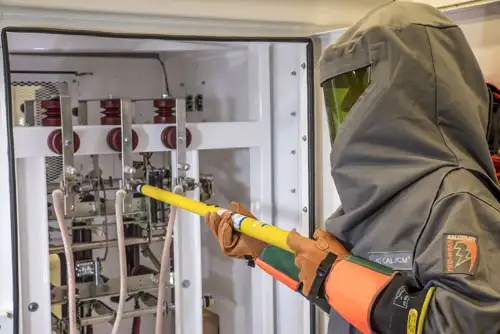
High Voltage Maintenance Training Online

Our customized live online or in‑person group training can be delivered to your staff at your location.

  • Live Online
  • 12 hours Instructor-led
  • Group Training Available
Regular Price:
$599
Coupon Price:
$499
Reserve Your Seat Today
TORONTO -- As a result of investigations carried out by the Ontario Energy Board's director of licensing, administrative penalties have been levied against two electricity retailers for failing to comply with the terms of their licence. Ontario Hydro Energy Services and Toronto Hydro Energy Services Inc. were served notices of administrative penalties for contravening licensing requirements and fined a total of $56,500.

"Over the past year, the Board has worked with electricity retailers and gas marketers to ensure fair marketing practices, and they have been warned to correct inappropriate behaviour," said Mark Garner, director of licensing for the Ontario Energy Board.

"I am disappointed with the results of these efforts. Electricity retailers and gas marketers are accountable, and will be held accountable, for conduct of their sales agents. Licensees who are unable to ensure appropriate behaviour of their door-to-door sales agents should consider other means of marketing. We continue to investigate complaints and will protect the rights of consumers in the retail market place."

In the director's opinion, the retailers failed to ensure that their sales agents complied with the Electricity Retailer Code of Conduct. The director found that in some cases, the agents had failed to identify themselves or make it clear that they were not representing an electricity distribution utility, had exerted undue pressure on a consumer to sign a contract, or had made a misleading price comparison.

Both Ontario Hydro Energy Services and Toronto Hydro Energy Services Inc. are entitled to a hearing before the Board on the decision of the director.

It is essential that retailers and marketers ensure that their agents provide accurate information and that consumers understand what they are signing when they decide to sign an electricity or gas supply contract. Therefore, the director of licensing will be asking that electricity retailers and gas marketers adopt a "Customer Awareness" message on all new energy contracts. "While compliance with this request is voluntary, I hope that retailers and marketers will recognize the value of ensuring consumers fully understand the energy products being offered to them," adds Garner.

Related News

New England takes key step to 1.2 GW of Quebec hydro as Maine approves transmission line

NECEC Clean Energy Connect advances with Maine DEP permits, Hydro-Québec contracts, and rigorous transmission line mitigation, including tapered vegetation, culvert upgrades, and forest conservation, delivering low-carbon power, broadband fiber, and projected ratepayer savings.


Key Points

A Maine transmission project delivering Hydro-Québec power with strict DEP mitigation, lower bills, and added broadband.

✅ DEP permits mandate tapered vegetation, culvert upgrades, land conservation

✅ Hydro-Québec to supply 9.55 TWh/yr via MA contracts; bill savings 2-4%

✅ Added broadband fiber in Somerset and Franklin; local tax benefits


The Maine DEP reviewed the Clean Energy Connect project for more than two years, while regional interest in cross-border transmission continued to grow, before issuing permits that included additional environmental mitigation elements.

"Collectively, the requirements of the permit require an unprecedented level of environmental protection and compensatory land conservation for the construction of a transmission line in the state of Maine," DEP said in a May 11 statement.

Requirements include limits on transmission corridor width, forest preservation, culvert replacement and vegetation management projects, while broader grid programs like vehicle-to-grid integration enhance clean energy utilization across the region.

"In our original proposal we worked hard to develop a project that provided robust mitigation measures to protect the environment," NECEC Transmission CEO Thorn Dickinson said in a statement. "And through this permitting process, we now have made an exceedingly good project even better for Maine."

NECEC will be built on land owned or controlled by Central Maine Power. The 53 miles of new corridor on working forest land will use a new clearing technique for tapered vegetation, while the remainder of the project follows existing power lines.

Environmentalists said they agreed with the decision, and the mitigation measures state regulators took, noting similar momentum behind new wind investments in other parts of Canada.

"Building new ways to deliver low-carbon energy to our region is a critical piece of tackling the climate crisis," CLF Senior Attorney Phelps Turner said in a statement. "DEP was absolutely right to impose significant environmental conditions on this project and ensure that it does not harm critical wildlife areas."

Once complete, Turner said the transmission line will allow the region "to retire dirty fossil fuel plants in the coming years, which is a win for our health and our climate."

The Massachusetts Department of Public Utilities in June 2019 advanced the project by approving contracts for the state's utilities to purchase 9,554,940 MWh annually from Hydro-Quebec. Officials said the project is expected to provide approximately 2% to 4% savings on monthly energy bills.

Total net benefits to Massachusetts ratepayers over the 20-year contract, including both direct and indirect benefits, are expected to be approximately $4 billion, according to the state's estimates.

NECEC "will also deliver significant economic benefits to Maine and the region, including lower electricity prices, increased local real estate taxes and reduced energy costs with examples like battery-backed community microgrids demonstrating local resilience, expanded fiber optic cable for broadband service in Somerset and Franklin counties and funding of economic development for Western Maine," project developers said in a statement.​


Related News

View more

U.S Bans Russian Uranium to Bolster Domestic Industry

U.S. Russian Uranium Import Ban reshapes nuclear fuel supply, bolstering energy security, domestic enrichment, and sanctions policy while diversifying reactor-grade uranium sources and supply chains through allies, waivers, and funding to sustain utilities and reliability.


Key Points

A U.S. law halting Russian uranium imports to boost energy security diversify nuclear fuel and revive U.S. enrichment.

✅ Cuts Russian revenue; reduces geopolitical risk.

✅ Funds U.S. enrichment; supports reactor fuel supply.

✅ Enables waivers to prevent utility shutdowns.


In a move aimed at reducing reliance on Russia and fostering domestic energy security for the long term, the United States has banned imports of Russian uranium, a critical component of nuclear fuel. This decision, signed into law by President Biden in May 2024, marks a significant shift in the U.S. nuclear fuel supply chain and has far-reaching economic and geopolitical implications.

For decades, Russia has been a major supplier of enriched uranium, a processed form of uranium used to power nuclear reactors. The U.S. relies on Russia for roughly a quarter of its enriched uranium needs, feeding the nation's network of 94 nuclear reactors operated by utilities which generate nearly 20% of the country's electricity. This dependence has come under scrutiny in recent years, particularly following Russia's invasion of Ukraine.

The ban on Russian uranium is a multifaceted response. First and foremost, it aims to cripple a key revenue stream for the Russian government. Uranium exports are a significant source of income for Russia, and by severing this economic tie, the U.S. hopes to weaken Russia's financial capacity to wage war.

Second, the ban serves as a national energy security measure. Relying on a potentially hostile nation for such a critical resource creates vulnerabilities. The possibility of Russia disrupting uranium supplies, either through political pressure or in the event of a wider conflict, is a major concern. Diversifying the U.S. nuclear fuel supply chain mitigates this risk.

Third, the ban is intended to revitalize the domestic uranium mining and enrichment industry, building on earlier initiatives such as Trump's uranium order announced previously. The U.S. has historically been a major uranium producer, but environmental concerns and competition from cheaper foreign sources led to a decline in domestic production. The ban, coupled with $2.7 billion in federal funding allocated to expand domestic uranium enrichment capacity, aims to reverse this trend.

The transition away from Russian uranium won't be immediate. The law includes a grace period until mid-August 2024, and waivers can be granted to utilities facing potential shutdowns if alternative suppliers aren't readily available. Finding new sources of enriched uranium will require forging partnerships with other uranium-producing nations like Kazakhstan, Canada on minerals cooperation, and Australia.

The long-term success of this strategy hinges on several factors. First, successfully ramping up domestic uranium production will require overcoming regulatory hurdles and addressing environmental concerns, alongside nuclear innovation to modernize the fuel cycle. Second, securing reliable alternative suppliers at competitive prices is crucial, and supportive policy frameworks such as the Nuclear Innovation Act now in law can help. Finally, ensuring the continued safe and efficient operation of existing nuclear reactors is paramount.

The ban on Russian uranium is a bold move with significant economic and geopolitical implications. While challenges lie ahead, the potential benefits of a more secure and domestically sourced nuclear fuel supply chain are undeniable. The success of this initiative will be closely watched not only by the U.S. but also by other nations seeking to lessen their dependence on Russia for critical resources.


Related News

View more

Electric vehicle sales triple in Australia despite lack of government support

Australian Electric Vehicle Sales tripled in 2019 amid expanding charging infrastructure and more models, but market share remains low, constrained by limited government policy, weak incentives, and absent emissions standards despite growing ultra-fast chargers.


Key Points

EV units sold in Australia; in 2019 they tripled to 6,718, but market share was just 0.6%.

✅ Sales rose from 2,216 (2018) to 6,718 (2019); ~80% were BEVs.

✅ Public charging sites reached 2,307; fast chargers up 40% year-on-year.

✅ Policy gaps and absent standards limit model supply and EV uptake.


Sales of electric vehicles in Australia tripled in 2019 despite a lack of government support, according to the industry’s peak body.

The country’s network of EV charging stations was also growing, the Electric Vehicle Council’s annual report found, including a rise in the number of faster charging stations that let drivers recharge a car in about 15 minutes.

But the report, released on Wednesday, found the market share for electric vehicles was still only 0.6% of new vehicle sales – well behind the 2.5% to 5% in other developed countries.

The chief executive of the council, Behyad Jafari, said the rise in sales was down to more models becoming available. There are now 28 electric models on sale, with eight priced below $65,000.

Six more were due to arrive before the end of 2021, including two priced below $50,000, the council’s report said.

“We have repeatedly heard from car companies that they were planning to bring vehicles here, but Australia doesn’t have that policy support.”

The Morrison government promised a national electric vehicle strategy would be finalised by the middle of this year, but the policy has been delayed. The prime minister, Scott Morrison, last year accused Labor of wanting to “end the weekend” and force people out of four-wheel drives after the opposition set a target of 50% of new car sales being electric by 2030.

Jafari cited the Kia e-Niro – an award-winning electric SUV that was being prepared for an Australian launch, but is now reportedly on hold because the manufacturer favoured shipping to countries with emissions standards.

The council’s members include BMW, Nissan, Hyundai and Harley Davidson, as well as energy, technology and charging infrastructure companies.

Sales of electric vehicles – which include plug-in hybrids – went from 2,216 in 2018 to 6,718 in 2019, the report said. Jafari said about 80% of those sales were all-electric vehicles.

There have been 3,226 electric vehicles sold in 2020, the report said, despite an overall drop of 20% in vehicle sales due to the Covid-19 pandemic, while U.S. EV sales have surged into 2024.

Jafari said: “Our report is showing that Australian consumers want these cars.

“There is no controversy that the future of the industry is electric, but at the moment the industry is looking at different markets. We want policies that show [Australia] is going on this journey.”

Government agency data has forecast that half the new cars sold will be electric by 2035, underscoring that the age of electric cars is arriving even if there is no policy to support their uptake.

Manufacturers currently selling electric cars in Australia are Nissan, Hyundai, Mitsubishi, Tesla, Volvo, Porsche, Audi, BMW, Mercedes, Jaguar and Renault, the report said.

Jafari said most G20 countries had emissions standards in place for vehicles sold and incentives in place to support electric vehicles, such as rebates or exemptions from charges. This hadn’t happened in Australia, he said.

The report said: “Globally, carmakers are rolling out more electric vehicle models as the electric car market expands, but so far production cannot keep up with demand. This means that without policy signals, Australians will continue to be denied access to the full global range of electric vehicles.”

On Tuesday, one Australian charging provider, Evie Networks, opened an ultra-fast station at a rest stop at Campbell Town in Tasmania – between Launceston and Hobart.

The company said the station would connect EV owners in the state’s north and south and the two 350kW chargers could recharge a vehicle in 15 minutes, highlighting whether grids have the power to charge EVs at scale. Two more sites were planned for Tasmania, the company said.

A Tasmanian government grant to support electric vehicle charging had helped finance the site. Evie was also supported with a $15m grant from the federal government’s Australian Renewable Energy Agency.

According to the council report, Australia now has 2,307 public charging stations, including 357 fast chargers – a rise of 40% in the past year.

A survey of 2,900 people in New South Wales, the ACT, Victoria and South Australia, carried out by NRMA, RACV and RAA on behalf of the council, found the main barriers to buying an electric vehicle were concerns over access to charging points, higher prices and uncertainty over driving range.

Consumers favoured electric vehicles because of their environmental footprint, lower maintenance costs and vehicle performance.

The report said the average battery range of electric vehicles available in Australia was 400km, but almost 80% of people thought the average was less.

According to the survey, 56% of Australians would consider an electric car when they next bought a vehicle, and in the UK, EV inquiries soared during a fuel supply crisis.

“We are far behind, but it is surmountable,” Jafari said.

The council report also rated state and territories on the policies that supported its industry and found the ACT was leading, followed by NSW and Queensland.

A review of commercial electric vehicle use found public electric bus trials were planned or under way in Queensland, NSW, WA, Victoria and ACT. There are now more than 400,000 electric buses in use around the globe.


Related News

View more

Clorox accelerates goal of achieving 100% renewable electricity in the U.S. and Canada to 2021

Clorox Enel 70 MW VPPA accelerates renewable energy, sourcing Texas solar from the Roadrunner project to support 100% renewable electricity, Scope 2 reductions, and grid decarbonization through a virtual power purchase agreement starting in 2021.


Key Points

A 12-year virtual power purchase agreement for 70 MW of Texas solar to advance Clorox's 100% renewable electricity goal.

✅ 12-year contract supporting 100% renewable electricity by 2021

✅ Supplies 70 MW from Enel's Roadrunner solar project in Texas

✅ Cuts Scope 2 emissions via grid-delivered virtual PPA


The Clorox Company and a wholly owned subsidiary of Enel Green Power North America announced today the signing of a 12-year, 70 megawatt (MW) virtual power purchase agreement (VPPA) for the purchase of renewable energy, aligned with carbon-free electricity investments across the power sector beginning in 2021. Representing about half of Clorox's 100% renewable electricity goal in its operations in the U.S. and Canada, this agreement is expected to help Clorox accelerate achieving its goal in 2021, four years ahead of the company's original plan.

"Climate change and rising greenhouse gas emissions pose a real threat to the health of our planet and ultimately the long-term well-being of people globally. That's why we've taken action for more than 10 years to measure and reduce the carbon footprint of our operations," said Benno Dorer, chair and CEO, The Clorox Company. "Our agreement with Enel helps to expand U.S. renewable energy infrastructure, reflecting our view that companies like Clorox play an important role in addressing global climate change, as landmark policies like the U.S. climate deal further accelerate the transition. We believe this agreement will significantly contribute toward Clorox achieving our goal of 100% renewable electricity in our operations in the U.S. and Canada in 2021, four years earlier than originally planned. Our commitment to climate stewardship is an important pillar of our new IGNITE strategy and part of our overall efforts to drive Good Growth – growth that's profitable, sustainable and responsible."

The 70MW VPPA between Clorox and Enel Green Power North America for the purchase of renewable energy delivered to the electricity grid is for the second phase of Enel's Roadrunner solar project to be built in Texas, and complement global clean energy collaborations such as Canada-Germany hydrogen cooperation announced recently. Roadrunner is a 497-direct current megawatt (MWdc) solar project that is being built in two phases. The first phase, currently under construction, comprises around 252 MWdc and is expected to be completed by the end of 2019, while the remaining 245 MWdc of capacity is expected to be completed by the end of 2020. Once fully operational, the solar plant could generate up to 1.2 terawatt-hours (TWh) of electricity annually, while avoiding an estimated 800,000 metric tons of carbon dioxide emissions per year.

Based on the U.S. Environmental Protection Agency Greenhouse Gas Equivalencies Calculator[i], this VPPA is estimated to avoid approximately 140,000 metric tons of CO2 emissions each year. This is equivalent to the annual impact that 165,000 acres of U.S. forest can have in removing CO2 from the atmosphere, and illustrates why cleaning up Canada's electricity is central to emissions reductions in the power sector, or the carbon impact of the electricity needed to power more than 24,000 U.S. homes annually.

"We are proud to support Clorox on their path towards 100% renewable electricity in its operations in the U.S. and Canada by helping them achieve about half their goal through this agreement," said Georgios Papadimitriou, head of Enel Green Power North America. "This agreement with Clorox reinforces the continued significance of renewable energy as a fundamental part of any company's sustainability strategy."

Schneider Electric Energy & Sustainability Services advised Clorox on this power purchase agreement and, amid heightened investor attention exemplified by the Duke Energy climate report, supported the company in its project selection, analysis, negotiations and deal execution.


Clorox Commits to Scope 1, 2 and 3 Science-Based Targets

For more than 10 years, Clorox has consistently achieved its goals to reduce greenhouse gas emissions in its operations. Clorox is focused on setting emissions reduction targets in line with climate science. As a participant in the Science Based Targets Initiative, Clorox has committed to setting and achieving science-based greenhouse gas emissions reduction targets in its operations (Scopes 1 and 2) and across its value chain (Scope 3), and consistent with national pathways such as Canada's net-zero 2050 target pursued by policymakers. The targets are considered "science-based" if they are in line with what the latest climate science says is necessary to meet the goals of the 2015 Paris Agreement – a global environmental accord to address climate change and its negative impacts.

Clorox's climate stewardship goals are part of its new integrated corporate strategy called IGNITE, which includes several other environmental, social and governance (ESG) goals and reflects lessons from Canada's electricity progress in scaling clean power. More comprehensive information about Clorox's IGNITE ESG goals can be found here. Information on Clorox's 2020 ESG strategy can be found in its fiscal year 2019 annual report.


Related News

View more

Investigation reveals power company 'gamed' $100M from Ontario's electricity system

Goreway Power Station Overbilling exposed by Ontario Energy Board shows IESO oversight failures, GCG gaming, and $100M in inappropriate payments at the Brampton natural gas plant, penalized with fines and repayments impacting Ontario ratepayers.


Key Points

Goreway exploited IESO GCG flaws, causing about $100M in improper payouts and fines.

✅ OEB probe flagged $89M in ineligible start-up O&M charges

✅ IESO fined Goreway $10M; majority of excess costs recovered

✅ Audit found $200M in overbilling across nine generators


Hydro customers shelled out about $100 million in "inappropriate" payments to a natural gas plant that exploited flaws in how Ontario manages its private electricity generators, according to the Ontario Energy Board.

The company operating the Goreway Power Station in Brampton "gamed" the system for at least three years, according to an investigation by the provincial energy regulator. 

The investigation also delivers stinging criticism of the provincial government's Independent Electricity System Operator (IESO), slamming it for a lack of oversight. The probe by the Ontario Energy Board's market surveillance panel was completed nearly a year ago, but was only made public in November because it was buried on its website without a news release. CBC News is the first media outlet to report on the investigation.  

The excess payments to Goreway Power Station included:

  • $89 million in ineligible expenses billed as the costs of firing up power production. 
  • $5.6 million paid in three months from a flaw in how IESO calculated top-ups for the company committing to generate power a day in advance.   
  • Of $11.2 million paid to compensate the company for IESO ordering it to start or stop generating power, the investigation concluded "a substantial portion ... was the result of gaming."  

Most privately-owned natural gas-fired plants in the province do not generate electricity constantly, but start and stop production in response to fluctuating market demand, even as the energy minister has requested an halt to natural gas generation across the grid.  IESO pays them a premium for the costs of firing up production, through what it calls "generation cost guarantee" programs. 

But the investigation found IESO did little checking into the details of Goreway Power Station's billings. 

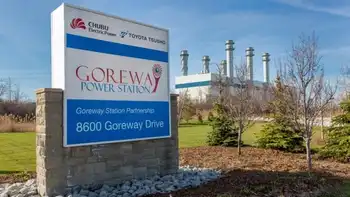
Goreway Power Station, located near Highway 407 in Brampton, Ont., is an 875 megawatt natural gas power plant. (Goreway)

"Conservatively, at least $89 million of Goreway's submissions were clearly ineligible by any reasonable measure," concludes the report.

"Goreway routinely submitted what were obviously inappropriate expenses to be reimbursed by the IESO, and ultimately borne by Ontario ratepayers,"

The investigation panel found an "extraordinary pattern" to these billings by Goreway Power Station, suggesting the IESO should have caught on sooner. The company submitted more than $100 million in start-up operating and maintenance costs during the three-year period investigated — more than all other gas-fired generators in the province combined. The company's costs per start-up were more than double the next most expensive power generator. 

"Goreway repeatedly exploited defects in the GCG (generation cost guarantee) program, and in doing so received at least $89 million in gamed GCG payments." 

Company fined $10M

The investigation covered a three-year period from when Goreway Power Station began generating power in June 2009. Investigators said that delays in releasing documents slowed down their probe, and they only obtained all the records they needed in April 2016.

The investigating panel does not have the power to impose penalties on companies it found broke the rules. 

The IESO fined Goreway Power Station $10 million. The company has also repaid IESO "a substantial portion" of the excess payments it received during its first six years of operating, but the exact figure is blacked out in the investigation report that was made public. 

The control room from which the provincial government's Independent Electricity System Operator manages Ontario's power supply. The agency is also responsible for managing contracts with private power producers.(IESO)

"Goreway does not agree with many of the draft report's findings and conclusions, including any suggestion that Goreway engaged in gaming or that it deliberately misled the IESO," writes lawyer George Vegh on behalf of the company in a response to the investigation report, dated Aug. 1.

"Goreway has implemented initiatives designed to ensure that compliance is a chief operating principle."     

The power station, located near Highway 407 in Brampton, is a joint venture between Toyota Tsusho Corp. and JERA Co. Inc. During the period under scrutiny, the project was run by Toyota Tsusho and Chubu Electric Power Inc., both headquartered in Japan. 

Investigators fear 'same situation' exists today

The report blames the provincially-controlled IESO for creating a system with defects that allowed the over-billing. 

"Goreway was able to — and repeatedly did — exploit these defects," says the investigation report. It goes on to explain the flaws "have created opportunities for exploitation, to the serious financial disadvantage of Ontario's ratepayers," even as greening Ontario's grid could entail massive costs.

The investigation suggests IESO hasn't made adequate changes to ensure it won't happen again, at a time when an analysis of a dirtier grid is raising concerns.   

"Goreway stands as a clear example of how generators are able to exploit the generation costs guarantee regime," says the report.

"The Panel is concerned that the same situation remains in place today." 

PC energy critic Todd Smith raised CBC News' report on the Goreway Power Station in Tuesday's question period. (Ontario Legislature)

After CBC News broke the story Tuesday, the provincial government was forced to respond in question period, amid a broader push for new gas plants to boost electricity production. 

"Here we have yet another gas plant scandal in Peel region that's costing electricity customers over $100 million," said PC energy critic Todd Smith. He slammed "the incompetence of a government that once again failed to look out for electricity customers." 

Economic Development Minister Brad Duguid said: "There is no excuse for any company in this province to ever game the system."

Nine companies overbilled $200M: audit 

The IESO found out about the overbilling "some time ago," said Duguid.

"They fully investigated, they've recovered most of the cost, they delivered a $10 million fine — the biggest fine on record."

The program that Goreway exploited became the subject of an audit that the IESO launched in 2011. The agency uncovered $200 million in ineligible billings by nine power producers, wrote the IESO vice president for policy Terry Young in an email to CBC News.

The IESO has recovered up to 85 per cent of those ineligible costs, Young noted.

Reforms to the design of the the program have removed the potential for overpayments and made it more efficient, he said, even as Ontario weighs embracing clean power more broadly. Last year, its total annual costs dropped to $23 million, down from $61 million in 2014.


Related News

View more

B.C. residents and businesses get break on electricity bills for three months

BC Hydro COVID-19 Bill Relief offers pandemic support with bill credits, rate cuts, and deferred payments for residential, small business, and industrial customers across B.C., easing utilities costs during COVID-19 economic hardship.


Key Points

COVID-19 bill credits, a rate cut, and deferred payments for eligible B.C. homes, small businesses, and industrial customers.

✅ Non-repayable credits equal to 3 months of average bills.

✅ Small businesses closed can skip bills for three months.

✅ Large industry may defer 50% of electricity costs.


B.C. residents who have lost their jobs or had their wages cut will get a three-month break on BC Hydro bills, while small businesses, amid commercial consumption plummets during COVID-19, are also eligible to apply for similar relief.

Premier John Horgan said Wednesday the credit for residential customers will be three times a household’s average monthly bill over the past year and does not have to be repaid as part of the government’s support package during the COVID-19 pandemic, as BC Hydro demand down 10% highlights the wider market pressures.

He said small businesses that are closed will not have to pay their power bills for three months, and in Ontario an Ontario COVID-19 hydro rebate complemented similar relief, and large industrial customers, including those operating mines and pulp mills, can opt to have 50 per cent of their electricity costs deferred, though a deferred costs report warned of long-term liabilities.

BC Hydro rates will be cut for all customers by one per cent as of April 1, a move similar to Ontario 2021 rate reductions that manufacturers supported lower rates at the time, after the B.C. Utilities Commission provided interim approval of an application the utility submitted last August.

Eligible residential customers can apply for bill relief starting next week and small business applications will be accepted as of April 14, while staying alert to BC Hydro scam attempts during this period, with the deadline for both categories set at June 30.


Related News

View more

Sign Up for Electricity Forum’s Newsletter

Stay informed with our FREE Newsletter — get the latest news, breakthrough technologies, and expert insights, delivered straight to your inbox.

Electricity Today T&D Magazine Subscribe for FREE

Stay informed with the latest T&D policies and technologies.
  • Timely insights from industry experts
  • Practical solutions T&D engineers
  • Free access to every issue

Live Online & In-person Group Training

Advantages To Instructor-Led Training – Instructor-Led Course, Customized Training, Multiple Locations, Economical, CEU Credits, Course Discounts.

Request For Quotation

Whether you would prefer Live Online or In-Person instruction, our electrical training courses can be tailored to meet your company's specific requirements and delivered to your employees in one location or at various locations.