Mothballed Pickering reactor finally restarted

By The Toronto Star


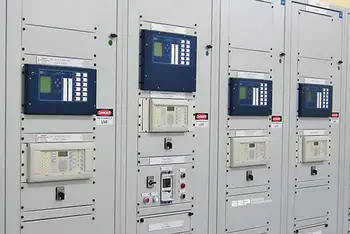
Substation Relay Protection Training

Our customized live online or in‑person group training can be delivered to your staff at your location.
  • Live Online
  • 12 hours Instructor-led
  • Group Training Available
Regular Price:
$699
Coupon Price:
$599
Reserve Your Seat Today
An idled reactor at Pickering's nuclear complex is now running at 70 per cent capacity and will produce full power by the end of September, Ontario Power Generation Inc. says.

Unit four was already producing power, generating about 360 megawatts for the province's electricity grid, OPG spokesperson John Earl said.

"We are now just in the last stage of commissioning, or testing, bringing the unit back up to full power where it is providing reliable electricity to the Ontario grid," Earl said.

"It's over 70 per cent today on its way back to full power. We will declare the unit in-service in September."

At full power, each of Pickering A units delivers 515 megawatts, enough to supply 2 per cent of the province's electricity on a day of very high demand. The four reactors were taken out of service in 1997.

The restart is almost two years behind schedule and over-budget. OPG had planned to restart four idled reactors at Pickering by the end of 2000 at a total cost of $1.3 billion. Bringing the first online has cost more than $1.2 billion.

"I'm very uneasy about this return to service," said Tom Adams, executive director of Energy Probe, a nuclear industry watchdog group.

"The track record has not been good. We should not expect this reactor to operate without glitches."

The timing and cost of bringing the three shutdown reactors back into service has not been determined.

"We will take the lessons from that experience and apply that to preparing a schedule and costing for the next three units," Earl said.

Meanwhile, an industry group representing companies such as General Motors Corp. and Falconbridge Ltd. says Ontario faces more blackouts unless the government sells more power plants and lets the market set prices.

Energy Minister John Baird has delayed plans for OPG, the government-owned utility, to reduce its output of the province's power to about 35 per cent from 70 per cent by November, 2005. The government also backtracked on plans to let the market determine prices.

"We have received input over and over that having 70 per cent of Ontario's power generation and all of its price-setting plants in the hands of one company was a key deterrent to new generation and investment," David McFadden, chairman of the Stakeholders' Alliance for Electricity and Customer Choice, said in Markham recently.

Baird capped prices for homeowners and small businesses at $43 a megawatt hour. It costs between $60 and $70 to produce a megawatt hour of electricity at a new gas-fired plant, and about $90 by wind turbine.

McFadden said the current cap should be raised over the next three years to more closely reflect the cost of producing electricity.

Related News

Soaring Electricity And Coal Use Are Proving Once Again, Roger Pielke Jr's "Iron Law Of Climate"

Global Electricity Demand Surge underscores rising coal generation, lagging renewables deployment, and escalating emissions, as nations prioritize reliable power; nuclear energy and grid decarbonization emerge as pivotal solutions to the electricity transition.


Key Points

A rapid post-lockdown rise in power consumption, outpacing renewables growth and driving higher coal use and emissions.

✅ Coal generation rises faster than wind and solar additions

✅ Emissions increase as economies prioritize reliable baseload power

✅ Nuclear power touted for rapid grid decarbonization


By Robert Bryce

As the Covid lockdowns are easing, the global economy is recovering and that recovery is fueling blistering growth in electricity use. The latest data from Ember, the London-based “climate and energy think tank focused on accelerating the global electricity transition,” show that global power demand soared by about 5% in the first half of 2021. That’s faster growth than was happening back in 2018 when electricity use was increasing by about 4% per year.

The numbers from Ember also show that despite lots of talk about the urgent need to reduce greenhouse gas emissions, coal demand for power generation continues to grow and emissions from the electric sector continue to grow: up by 5% over the first half of 2019. In addition, they show that while about half of the growth in electricity demand was met by wind and solar, as low-emissions sources are set to cover almost all new demand over the next three years, overall growth in electricity use is still outstripping the growth in renewables. 

The soaring use of electricity, and increasing emissions from power generation confirm the sage wisdom of Rasheed Wallace, the volatile former power forward with the Detroit Pistons and other NBA teams, and now an assistant coach at the  University of Memphis, who coined the catchphrase: “Ball don’t lie.” If Wallace or one of his teammates was called for a foul during a basketball game that he thought was undeserved, and the opposing player missed the ensuing free throws, Wallace would often holler, “ball don’t lie,” as if the basketball itself was pronouncing judgment on the referee’s errant call. 

I often think about Wallace’s catchphrase while looking at global energy and power trends and substitute my own phrase: numbers don’t lie.

Over the past few weeks Ember, BP, and the International Energy Agency have all published reports which come to the same two conclusions: that countries all around the world — and China's electricity sector in particular — are doing whatever they need to do to get the electricity they need to grow their economies. Second, they are using lots of coal to get that juice. 

As I discuss in my recent book, A Question of Power: Electricity and the Wealth of Nations, Electricity is the world’s most important and fastest-growing form of energy. The Ember data proves that. At a growth rate of 5%, global electricity use will double in about 14 years, and as surging electricity demand is putting power systems under strain around the world, the electricity sector also accounts for the biggest single share of global carbon dioxide emissions: about 25 percent. Thus, if we are to have any hope of cutting global emissions, the electricity sector is pivotal. Further, the soaring use of electricity shows that low-income people and countries around the world are not content to stay in the dark. They want to live high-energy lives with access to all the electronic riches that we take for granted.  

 Ember’s data clearly shows that decarbonizing the global electric grid will require finding a substitute for coal. Indeed, coal use may be plummeting in the U.S. and western Europe, where U.S. electricity consumption has been declining, but over the past two years, several developing countries including Mongolia, China, Bangladesh, Vietnam, Kazakhstan, Pakistan, and India, all boosted their use of coal. This was particularly obvious in China, where, between the first half of 2019 and the first half of 2021, electricity demand jumped by about 14%. Of that increase, coal-fired generation provided roughly twice as much new electricity as wind and solar combined. In Pakistan, electricity demand jumped by about 7%, and coal provided more than three times as much new electricity as nuclear and about three times as much as hydro. (Wind and solar did not grow at all in Pakistan over that period.) 

Hate coal all you like, but its century-long persistence in power generation proves its importance. That persistence proves that climate change concerns are not as important to most consumers and policymakers as reliable electricity. In 2010, Roger Pielke Jr. dubbed this the Iron Law of Climate Policy which says “When policies on emissions reductions collide with policies focused on economic growth, economic growth will win out every time.” Pielke elaborated on that point, saying the Iron Law is a “boundary condition on policy design that is every bit as limiting as is the second law of thermodynamics, and it holds everywhere around the world, in rich and poor countries alike. It says that even if people are willing to bear some costs to reduce emissions (and experience shows that they are), they are willing to go only so far.”

Over the past five years, I’ve written a book about electricity, co-produced a feature-length documentary film about it (Juice: How Electricity Explains the World), and launched a podcast that focuses largely on energy and power. I’m convinced that Pielke’s claim is exactly right and should be extended to electricity and dubbed the Iron Law of Electricity which says, “when forced to choose between dirty electricity and no electricity, people will choose dirty electricity every time.” I saw this at work in electricity-poor places all over the world, including India, Lebanon, and Puerto Rico. 

Pielke, a professor at the University of Colorado as well as a highly regarded author on the politics of climate change and sports governance, has since elaborated on the Iron Law. During an interview in Juice, he explained it thusly: “The Iron Law says we’re not going to reduce emissions by willingly getting poor. Rich people aren't going to want to get poorer, poor people aren't going to want to get poorer.” He continued, “If there is one thing that we can count on it is that policymakers will be rewarded by populations if they make people wealthier. We're doing everything we can to try to get richer as nations, as communities, as individuals. If we want to reduce emissions, we really have only one place to go and that's technology.”

Pielke’s point reminds me of another of my favorite energy analysts, Robert Rapier, who made a salient point in his Forbes column last week. He wrote, “Despite the blistering growth rate of renewables, it’s important to keep in mind that overall global energy consumption is growing. Even though global renewable energy consumption has increased by about 21 exajoules in the past decade, overall energy consumption has increased by 51 exajoules. Increased fossil fuel consumption made up most of this growth, with every category of fossil fuels showing increased consumption over the decade.” 

The punchline here – despite my tangential reference to Rasheed Wallace — is obvious: The claims that massive reductions in global carbon dioxide emissions must happen soon are being mocked by the numbers. Countries around the world are acting in their interest, particularly when it comes to their electricity needs and that is resulting in big increases in emissions. As Ember concludes in their report, wind and solar are growing, and some analyses suggest renewables could eclipse coal by 2025, but the “electricity transition” is “not happening fast enough.”

Ember explains that in the first half of 2021, wind and solar output exceeded the output of the world’s nuclear reactors for the first time. It also noted that over the past two years, “Nuclear generation fell by 2% compared to pre-pandemic levels, as closures at older plants across the OECD, especially amid debates over European nuclear trends, exceeded the new capacity in China.” While that may cheer anti-nuclear activists at groups like Greenpeace and Friends of the Earth, the truth is obvious: the only way – repeat, the only way – the electric sector will achieve significant reductions in carbon dioxide emissions is if we can replace lots of coal-fired generation with nuclear reactors and do so in relatively short order, meaning the next decade or so. Renewables are politically popular and they are growing, but they cannot, will not, be able to match the soaring demand for the electricity that is needed to sustain modern economies and bring developing countries out of the darkness and into modernity. 

Countries like China, Vietnam, India, and others need an alternative to coal for power generation. They need new nuclear reactors that are smaller, safer, and cheaper than the existing designs. And they need it soon. I will be writing about those reactors in future columns.


Related News

View more

To Limit Climate Change, Scientists Try To Improve Solar And Wind Power

Wisconsin Solar and Wind Energy advances as rooftop solar, utility-scale farms, and NREL perovskite solar cells improve efficiency; wind turbines gain via wake modeling, yaw control, and grid-scale battery storage to cut carbon emissions.


Key Points

It is Wisconsin's growth in rooftop and utility-scale solar plus optimized wind turbines to cut carbon emissions.

✅ Perovskite solar cells promise higher efficiency, need longevity

✅ Wake modeling and yaw control optimize wind farm output

✅ Batteries and bids can offset reliance on natural gas


Solar energy in Wisconsin continued to grow in 2019, as more homeowners had rooftop panels installed and big utilities started building multi-panel solar farms.

Wind power is increasing more slowly in the state. However, renewable power developers are again coming forward with proposals for multiple turbines.

Nationally, researchers are working on ways to get even more energy from solar and wind, with the U.S. moving toward 30% electricity from wind and solar in coming years, as states like Wisconsin aim to reduce their carbon emissions over the next few decades.

One reason solar energy is growing in Wisconsin is due to the silicon panels becoming more efficient. But scientists haven't finished trying to improve panel efficiency. The National Renewable Energy Laboratory (NREL) in Golden, Col., is one of the research facilities experimenting with brushing a lab-made solution called perovskite onto a portion of a panel called a solar cell.

In a demonstration video supplied by NREL, senior scientist Maikel van Hest said that, in the lab anyway, the painted cell and its electrical connections called contacts, produce more energy:

"There you go! That's how you paint a perovskite solar cell. And you imagine that ultimately what you could do is you could see a company come in with a truck in front of your house and they would basically paint on the contacts first, dry those, and paint the perovskite over it. That you would have photovoltaic cells on the side of your house, put protective coating on it, and we're done."

Another NREL scientist, David Moore, says the new solar cells could be made faster and help meet what's expected to be a growing global demand for energy. However, Moore says the problem has been lack of stability.

"A solar cell with perovskites will last a couple years. We need to get that to 20-25 years, and that's the big forefront in perovskite research, is getting them to last longer," Moore told members of the Society of Environmental Journalists during a recent tour of NREL.

Another part of improving renewable energy is making wind turbines more productive. At NREL's Insight Center, a large screen showing energy model simulations dominates an otherwise darkened room. Visualization scientist Nicholas Brunhart-Lupo points to a display on the screen that shows how spinning turbines at one edge of a wind farm can cause an airflow called a wake, which curtails the power generation of other turbines.

"So what we find in these simulations is these four turbines back here, since they have this used air, this low-velocity wake being blown to their faces, they're only generating about 20% of the energy they should be generating," he explains.

Brunhart-Lupo says the simulations can help wind farm developers with placement of turbines as well as adjustments to the rotor and blades called the yaw system.

Continued progress with renewables may be vital to any state or national pledges to reduce use of fossil fuels and carbon emissions linked to climate change, including Biden's solar expansion plan as a potential pathway. Some scientists say to limit a rise in global temperature, there must be a big decline in emissions by 2050.

But even utilities that say they support use of more renewables, as why the grid isn't 100% renewable yet makes clear, aren't ready to let go of some energy sources. Jonathan Adelman of Xcel Energy, which serves part of Western Wisconsin, says Xcel is on track to close its last two coal-fired power plants in Minnesota. But he says the company will need more natural gas plants, even though they wouldn't run as often.

"It's not perfect. And it is in conflict with our ultimate goal of being carbon-free," says Adelman. "But if we want to facilitate the transition, we still need resources to help that happen."

Some in the solar industry would like utilities that say they need more natural gas plants to put out competitive bids to see what else might be possible. Solar advocates also note that in some states, energy regulators still favor the utilities.

Meanwhile, solar slowly marches ahead, including here in southeastern Wisconsin, as Germany's solar power boost underscores global momentum.

On the roof of a ranch-style home in River Hills, a work crew from the major solar firm Sunrun recently installed mounting brackets for solar panels.

Sunrun Public Policy Director Amy Heart says she supports research into more efficient renewables. But she says another innovation may have to come in the way regulators think.

"Instead of allowing and thinking about from the perspective of the utility builds the power plant, they replace one plant with another one, they invest in the infrastructure; is really thinking about how can these distributed solutions like rooftop solar, peer-to-peer energy sharing, and especially rooftop solar paired with batteries how can that actually reduce some of what the utility needs?

Large-scale energy storage batteries are already being used in some limited cases. But energy researchers continue to make improvements to them, too, with cheap solar batteries beginning to make widespread adoption more feasible as scientists race to reduce the expected additional harm of climate change.


Related News

View more

Heating and Electricity Costs in Germany Set to Rise

Germany 2025 Energy Costs forecast electricity and heating price trends amid gas volatility, renewables expansion, grid upgrades, and policy subsidies, highlighting impacts on households, industries, efficiency measures, and the Energiewende transition dynamics.


Key Points

Electricity stabilizes, gas-driven heating stays high; renewables, subsidies, and efficiency measures moderate costs.

✅ Power prices stabilize above pre-crisis levels

✅ Gas volatility keeps heating bills elevated

✅ Subsidies and efficiency upgrades offset some costs


As Germany moves into 2025, the country is facing significant shifts in heating and electricity costs. With a variety of factors influencing energy prices, including geopolitical tensions, government policies, and the ongoing transition to renewable energy sources, consumers and businesses alike are bracing for potential changes in their energy bills. In this article, we will explore how heating and electricity costs are expected to evolve in Germany in the coming year and what that means for households and industries.

Energy Price Trends in Germany

In recent years, energy prices in Germany have experienced notable fluctuations, particularly due to the aftermath of the global energy crisis, which was exacerbated by the Russian invasion of Ukraine. This geopolitical shift disrupted gas supplies, which in turn affected electricity prices and strained local utilities across the country. Although the German government introduced measures to mitigate some of the price increases, many households have still felt the strain of higher energy costs.

For 2024, experts predict that electricity prices will likely stabilize but remain higher than pre-crisis levels. While electricity prices nearly doubled in 2022, they have gradually started to decline, and the market has adjusted to the new realities of energy supply and demand. Despite this, the cost of electricity is expected to stay elevated as Germany continues to phase out coal and nuclear energy while ramping up the use of renewable sources, which often require significant infrastructure investments.

Heating Costs: A Mixed Outlook

Heating costs in Germany are heavily influenced by natural gas prices, which have been volatile since the onset of the energy crisis. Gas prices, although lower than the peak levels seen in 2022, are still considerably higher than in the years before. This means that households relying on gas heating can expect to pay more for warmth in 2024 compared to previous years.

The government has implemented measures to cushion the impact of these increased costs, such as subsidies for vulnerable households and efforts to support energy efficiency upgrades. Despite these efforts, consumers will still feel the pinch, particularly in homes that use older, less efficient heating systems. The transition to more sustainable heating solutions, such as heat pumps, remains a key goal for the German government. However, the upfront cost of such systems can be a barrier for many households.

The Role of Renewable Energy and the Green Transition

Germany has set ambitious goals for its energy transition, known as the "Energiewende," which aims to reduce reliance on fossil fuels and increase the share of renewable energy sources in the national grid. In 2024, Germany is expected to see further increases in renewable energy generation, particularly from wind and solar power. While this transition is essential for reducing carbon emissions and improving long-term energy security, the shift comes with its own challenges already documented in EU electricity market trends reports.

One of the main factors influencing electricity costs in the short term is the intermittency of renewable energy sources. Wind and solar power are not always available when demand peaks, requiring backup power generation from fossil fuels or stored energy. Additionally, the infrastructure needed to accommodate a higher share of renewables, including grid upgrades and energy storage solutions, is costly and will likely contribute to rising electricity prices in the near term.

On a positive note, Germany's growing investment in renewable energy is expected to make the country less reliant on imported fossil fuels, particularly natural gas, which has been a major source of price volatility. Over time, as the share of renewables in the energy mix grows, the energy system should become more stable and less susceptible to geopolitical shocks, which could lead to more predictable and potentially lower energy costs in the long run.

Government Interventions and Subsidies

To help ease the burden on consumers, the German government has continued to implement various measures to support households and businesses. One of the key programs is the reduction in VAT (Value Added Tax) on electricity, which has been extended in some regions. This measure is designed to make electricity more affordable for all households, particularly those on fixed incomes facing EU energy inflation pressures that have hit the poorest hardest.

Moreover, the government has been providing financial incentives for households and businesses to invest in energy-efficient technologies, such as insulation and energy-saving heating systems, complementing the earlier 200 billion euro energy shield announced to buffer surging prices. These incentives are intended to reduce overall energy consumption, which could offset some of the rising costs.

The outlook for heating and electricity costs in Germany for 2024 is mixed, even as energy demand hit a historic low amid economic stagnation. While some relief from the extreme price spikes of 2022 may be felt, energy costs will still be higher than they were in previous years. Households relying on gas heating will likely see continued elevated costs, although those who invest in energy-efficient solutions or renewable heating technologies may be able to offset some of the increases. Similarly, electricity prices are expected to stabilize but remain high due to the country’s ongoing transition to renewable energy sources.

While the green transition is crucial for long-term sustainability, consumers must be prepared for potentially higher energy costs in the short term. Government subsidies and incentives will help alleviate some of the financial pressure, but households should consider strategies to reduce energy consumption, such as investing in more efficient heating systems or adopting renewable energy solutions like solar panels.

As Germany navigates these changes, the country’s energy future will undoubtedly be shaped by a delicate balance between environmental goals and the economic realities of transitioning to a greener energy system.


Related News

View more

Philippines Reaffirms Clean Energy Commitment at APEC Summit

Philippines Clean Energy Commitment underscores APEC-aligned renewables, energy transition, and climate resilience, backed by policy incentives, streamlined regulation, technology transfer, and public-private investments to boost energy security, jobs, and sustainable growth.


Key Points

It is the nation's pledge to scale renewables and build climate resilience through APEC-aligned energy policy.

✅ Policy incentives, PPPs, and streamlined permits

✅ Grid upgrades, storage, and smart infrastructure

✅ Regional cooperation on tech transfer and capacity building


At the recent Indo-Pacific Economic Cooperation (APEC) Summit, the Philippines reiterated its dedication to advancing clean energy initiatives as part of its sustainable development agenda. This reaffirmation underscores the country's commitment to mitigating climate change impacts, promoting energy security, and fostering economic resilience through renewable energy solutions, with insights from an IRENA study on the power crisis informing policy direction.

Strategic Goals and Initiatives

During the summit, Philippine representatives highlighted strategic goals aimed at enhancing clean energy adoption and sustainability practices. These include expanding renewable energy infrastructure, accelerating energy transition efforts toward 100% renewables targets, and integrating climate resilience into national development plans.

Policy Framework and Regulatory Support

The Philippines has implemented a robust policy framework to support clean energy investments and initiatives. This includes incentives for renewable energy projects, streamlined regulatory processes, and partnerships with international stakeholders, such as ADFD-IRENA funding initiatives, to leverage expertise and resources in advancing sustainable energy solutions.

Role in Regional Cooperation

As an active participant in regional economic cooperation, the Philippines collaborates with APEC member economies to promote knowledge sharing, technology transfer, and capacity building in renewable energy development, as over 30% of global electricity is now generated from renewables, reinforcing the momentum. These partnerships facilitate collective efforts to address energy challenges and achieve mutual sustainability goals.

Economic and Environmental Benefits

Investing in clean energy not only reduces greenhouse gas emissions but also stimulates economic growth and creates job opportunities in the renewable energy sector. The Philippines recognizes the dual benefits of transitioning to cleaner energy sources, with projects like the Aboitiz geothermal financing award illustrating private-sector momentum, contributing to long-term economic stability and environmental stewardship.

Challenges and Opportunities

Despite progress, the Philippines faces challenges such as energy access disparities, infrastructure limitations, and financing constraints in scaling up clean energy projects, amid regional signals like India's solar slowdown and coal resurgence that underscore transition risks. Addressing these challenges requires innovative financing mechanisms, public-private partnerships, and community engagement to ensure inclusive and sustainable development.

Future Outlook

Moving forward, the Philippines aims to accelerate clean energy deployment through strategic investments, technology innovation, and policy coherence, aligning with the U.S. clean energy market trajectory toward majority share to capture emerging opportunities. Embracing renewable energy as a cornerstone of its economic strategy positions the country to attract investments, enhance energy security, and achieve resilience against global energy market fluctuations.

Conclusion

The Philippines' reaffirmation of its commitment to clean energy at the APEC Summit underscores its leadership in promoting sustainable development and addressing climate change challenges. By prioritizing renewable energy investments and fostering regional cooperation, the Philippines aims to build a resilient energy infrastructure that supports economic growth and environmental sustainability. As the country continues to navigate its energy transition journey, collaboration and innovation will be key in realizing a clean energy future that benefits present and future generations.


Related News

View more

Energy authority clears TEPCO to restart Niigata nuclear plant

TEPCO Kashiwazaki-Kariwa restart plan clears NRA fitness review, anchored by a seven-point safety code, Niigata consent, Fukushima lessons, seismic risk analysis, and upgrades to No. 6 and No. 7 reactors, each rated 1.35 GW.


Key Points

TEPCO's plan to restart Kashiwazaki-Kariwa under NRA rules, pending Niigata consent and upgrades to Units 6 and 7.

✅ NRA deems TEPCO fit; legally binding seven-point safety code

✅ Local consent required: Niigata review of evacuation and health impacts

✅ Initial focus on Units 6 and 7; 1.35 GW each, seismic upgrades


Tokyo Electric Power Co. cleared a major regulatory hurdle toward restarting a nuclear power plant in Niigata Prefecture, but the utility’s bid to resume its operations still hangs in the balance of a series of political approvals.

The government’s nuclear watchdog concluded Sept. 23 that the utility is fit to operate the plant, based on new legally binding safety rules TEPCO drafted and pledged to follow, even as nuclear projects worldwide mark milestones across different regulatory environments today. If TEPCO is found to be in breach of those regulations, it could be ordered to halt the plant’s operations.

The Nuclear Regulation Authority’s green light now shifts the focus over to whether local governments will agree in the coming months to restart the Kashiwazaki-Kariwa plant.

TEPCO is keen to get the plant back up and running. It has been financially reeling from the closure of its nuclear plants in Fukushima Prefecture following the triple meltdown at the Fukushima No. 1 nuclear plant in 2011 triggered by the earthquake and tsunami disaster.

In parallel, Japan is investing in clean energy innovations such as a large hydrogen system being developed by Toshiba, Tohoku Electric Power and Iwatani.

The company plans to bring the No. 6 and No. 7 reactors back online at the Kashiwazaki-Kariwa nuclear complex, which is among the world’s largest nuclear plants, amid China’s nuclear energy continuing on a steady development track in the region.

The two reactors each boast 1.35 gigawatts in output capacity, while Kenya’s nuclear plant aims to power industry as part of that country’s expansion. They are the newest of the seven reactors there, first put into service between 1996 and 1997.

TEPCO has not revealed specific plans yet on what to do with the older five reactors.

In 2017, the NRA cleared the No. 6 and No. 7 reactors under the tougher new reactor regulations established in 2013 in response to the Fukushima nuclear disaster, while jurisdictions such as Ontario support continued operation at Pickering under strict oversight.

It also closely scrutinized the operator’s ability to run the Niigata Prefecture plant safely, given its history as the entity responsible for the nation’s most serious nuclear accident.

After several rounds of meetings with top TEPCO managers, the NRA managed to hold the utility’s feet to the fire enough to make it pledge, in writing, to abide by a new seven-point safety code for the Kashiwazaki-Kariwa plant.

The creation of the new code, which is legally binding, is meant to hold the company accountable for safety measures at the facility.

“As the top executive, the president of TEPCO will take responsibility for the safety of nuclear power,” one of the points reads. “TEPCO will not put the facility’s economic performance above its safety,” reads another.

The company promised to abide by the points set out in writing during the NRA’s examination of its safety regulations.

TEPCO also vowed to set up a system where the president is directly briefed on risks to the nuclear complex, including the likelihood of earthquakes more powerful than what the plant is designed to withstand. It must also draft safeguard measures to deal with those kinds of earthquakes and confirm whether precautionary steps are in place.

The utility additionally pledged to promptly release public records on the decision-making process concerning crucial matters related to nuclear safety, and to preserve the documents until the facility is decommissioned.

TEPCO plans to complete its work to reinforce the safety of the No. 7 reactor in December. It has not set a definite deadline for similar work for the No. 6 reactor.

To restart the Kashiwazki-Kariwa plant, TEPCO needs to obtain consent from local governments, including the Niigata prefectural government.

The prefectural government is studying the plant’s safety through a panel of experts, which is reviewing whether evacuation plans are adequate as off-limits areas reopen and the health impact on residents from the Fukushima nuclear disaster.

Niigata Governor Hideyo Hanazumi said he will not decide on the restart until the panel completes its review.

The nuclear complex suffered damage, including from fire at an electric transformer, when an earthquake it deemed able to withstand hit in 2007.


Related News

View more

Portland General Electric Program Will Transform Hundreds of Homes Into a Virtual Power Plant

PGE Residential Energy Storage Pilot aggregates 525 home batteries into a virtual power plant, enabling distributed energy resources, smart grid control, renewable energy optimization, demand response, and backup power across Portland General Electric's area.


Key Points

A PGE program aggregating 525 batteries into a utility-run virtual power plant for renewables support and backup power.

✅ Up to 4 MW aggregated capacity from 525 residential batteries

✅ Monthly credits: $40 ($20 with solar) for grid services

✅ Enhances smart grid, DERs, resilience, and outage backup


Portland General Electric Company is set to launch a pilot program that will incentivize installation and connection of 525 residential energy storage batteries that PGE will dispatch, contributing up to four megawatts of energy to PGE's grid. The distributed assets will create a virtual power plant made up of small units that can be operated individually or combined to serve the grid, adding flexibility that supports PGE's transition to a clean energy future. When the program launches this fall, incentives will be available to residential customers across PGE's service area. Rebates will be available to customers within three neighborhoods participating in PGE's Smart Grid Test Bed, and income-qualified customers participating in Energy Trust of Oregon's Solar Within Reach offer.

PGE will study the full benefits of energy storage that these distributed energy assets can provide the grid while also increasing resiliency for each participating customer. PGE will operate and test the benefits of using homes' batteries, each capable of storing 12 to 16 kWh of energy, to optimize the use of renewable energy and grid capabilities. In the event of a power outage, participating customers can rely on them as a backup power resource.

"Our vision for clean energy relies on a smart, integrated grid. One of the ways that we'll achieve that is through creative partnerships and diversified energy resources, including those behind-the-meter," said Larry Bekkedahl, vice president of Grid Architecture, Integration and Systems Operation. "This pilot project will allow PGE to integrate even more intermittent renewable energy and enhance grid capabilities while also giving participating customers peace of mind in the event of an outage."

Energy storage maximizes renewables and the grid, improves power quality

Energy storage, including long-duration energy storage solutions, is vital to help capture and store energy from renewable power sources, such as wind and solar, that are more variable. As a virtual power plant, the residential battery storage pilot will create a single resource that can help the grid balance energy production with energy demand, freeing up the generation resources that are typically held on standby, ready to kick in when the wind doesn't blow or the sun doesn't shine. As a clean energy option that takes the place of standby resources, the virtual power plant also gives customers access to reliable energy, even in the event of system outages.

The test program will also allow PGE to test new smart-grid control devices across its distribution system that will more effectively allow a two-way exchange between PGE and pilot participants. The new controls will more actively manage the way that electricity is distributed across PGE's system to incorporate energy that customers generate, such as through solar panels, while also meeting power demand that is less predictable, such as for charging electric vehicles, supporting EVs for grid stability strategies. The controls will allow PGE to more actively manage power distribution to improve power quality for all customers.

Select rebates and incentives will be available to participants, aligned with electric vehicle programs that encourage transportation electrification

When it launches in fall 2020, participation in the program will be available to residential customers, including:

* Those across PGE's service area who already have or are installing a qualifying battery. Participation will require an application, and in exchange for allowing PGE to operate their battery for grid services, similar to programs where EV owners selling power back for compensation, participating customers will receive a monthly bill credit of $40, or $20 if the battery is charged with solar power.

* Customers across PGE's service area who are participating in the Solar Within Reach offering from Energy Trust of Oregon. Participants will be eligible for a $5,000 instant rebate in addition to the monthly bill credits.

* Those living within the PGE Smart Grid Test Bed who purchase a battery will be eligible for an instant rebate, in addition to the monthly bill credit of $40 or $20, which will allow PGE to test the localized grid impact of having a large concentration of battery storage devices available on one substation and explore interfaces with vehicle-to-grid pilots in the region.

PGE is working with Energy Trust to cost-effectively procure the residential battery storage systems, as utilities invest in advanced storage solutions across the region, by leveraging the existing Solar incentive program infrastructure and trade ally contractor network. Customers who participate in the program will own their battery systems, and rebates will only be available for systems installed by an Energy Trust solar trade ally. The program may also accept customers with a qualifying battery that is was previously installed, following a process to ensure safe operation.

More information about Portland General Electric's energy storage program is available at PortlandGeneral.com/energystorage and will be updated with details about the residential battery storage pilot program.


Related News

View more

Sign Up for Electricity Forum’s Newsletter

Stay informed with our FREE Newsletter — get the latest news, breakthrough technologies, and expert insights, delivered straight to your inbox.

Electricity Today T&D Magazine Subscribe for FREE

Stay informed with the latest T&D policies and technologies.
  • Timely insights from industry experts
  • Practical solutions T&D engineers
  • Free access to every issue

Download the 2025 Electrical Training Catalog

Explore 50+ live, expert-led electrical training courses –

  • Interactive
  • Flexible
  • CEU-cerified