Colombian Rebels Attack Power Plant

By Reuters


Protective Relay Training - Basic

Our customized live online or in‑person group training can be delivered to your staff at your location.

  • Live Online
  • 12 hours Instructor-led
  • Group Training Available
Regular Price:
$699
Coupon Price:
$599
Reserve Your Seat Today
Colombian guerrillas attacked a power plant, leaving four dead and causing severe damage to electricity pylons in the southwestern part of the country, military sources said.

The sources said the guerrillas also attacked one of the two most important aqueducts that supply water to the country's third largest city of Cali.

The attack on the aqueducts left many neighborhoods of Cali without water, they said.

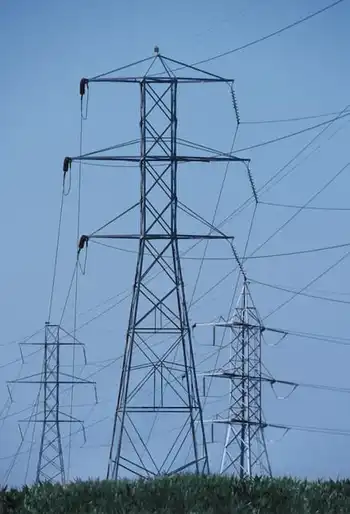
Meanwhile, three electricity pylons were blown up by the members of the rebel Revolutionary Armed Forces of Colombia (FARC), causing a blackout in several Valle del Cauca municipalities.

The FARC also destroyed two electricity sub-stations in neighboring Huila state, as well as two pylons in Narino state, in the same part of the country, leaving 10 municipalities without electricity.

The FARC brought down hundreds of electricity pylons and blew up numerous bridges in the same region last year after the breakdown of peace negotiations with the government.

Related News
Ontario Provides Stable Electricity Pricing for Industrial and Commercial Companies

Ontario ICI Electricity Pricing Freeze helps Industrial Conservation Initiative (ICI) participants by stabilizing Global Adjustment charges, suspending peak hours curtailment, and reducing COVID-19-related electricity cost volatility to support large employers returning operations to full capacity.


Key Points

A two-year policy stabilizing GA costs and pausing peak-hour cuts to aid industrial and commercial recovery.

✅ GA cost share frozen for two years

✅ No peak-hour curtailment obligations

✅ Supports industrial and commercial restart


The Ontario government is helping large industrial and commercial companies return to full levels of operation without the fear of electricity costs spiking by providing more stable electricity pricing for two years. Effective immediately, companies that participate in the Industrial Conservation Initiative (ICI) will not be required to reduce their electricity usage during peak hours or shift some load to ultra-low overnight pricing where applicable, as their proportion of Global Adjustment (GA) charges for these companies will be frozen.

"Ontario's industrial and commercial electricity consumers continue to experience unprecedented economic challenges during COVID-19, with electricity relief for households and small businesses introduced to help," said Greg Rickford, Minister of Energy, Northern Development and Mines. "Today's announcement will allow large industrial employers to focus on getting their operations up and running and employees back to work, instead of adjusting operations in response to peak electricity demand hours."

Due to COVID-19, electricity consumption in Ontario has been below average as fall in demand as people stayed home across the province, and the province is forecast to have a reliable supply of electricity, supported by the system operator's staffing contingency plans during the pandemic, to accommodate increased usage. Peak hours generally occur during the summer when the weather is hot and electricity demand from cooling systems is high.

"Today's action will reduce the burden of anticipating and responding to peak hours for more than 1,300 ICI participants with 2,000 primarily industrial facilities in Ontario," said Bill Walker, Associate Minister of Energy. "Now these large employers can focus on getting their operations back up and running at full tilt and explore new energy-efficiency programs to manage costs."

The government previously announced it was providing temporary relief for industrial and commercial electricity consumers that do not participate in the Regulated Price Plan (RPP) by deferring a portion of GA charges for April, May and June 2020 and by extending off-peak rates for many customers, as well as a disconnect moratorium extension for residential electricity users.


Related News

View more

U.S. Grid overseer issues warning on Coronavirus

NERC COVID-19 Grid Security Alert urges utilities to update business continuity plans, assess supply chain risk, and harden cybersecurity against spearphishing, social engineering, and remote-work vulnerabilities to protect the U.S. power grid and critical infrastructure.


Key Points

A notice urging U.S. utilities to fortify pandemic continuity, secure supply chains, and enhance cybersecurity.

✅ Mandates updates to business continuity and pandemic readiness plans

✅ Flags supply chain risks for PPE, electronics, chemicals, and logistics

✅ Warns of spearphishing, social engineering, VPN and remote-work threats


The top U.S. grid security monitor urged power utilities to prepare for the new coronavirus in a rare alert yesterday, adding to a chorus of warnings from federal and private organizations.

The North American Electric Reliability Corp. called for power providers to update business continuity plans in case of a pandemic outbreak and weigh the need to prioritize construction or maintenance projects, including updates on major projects like BC Hydro's Site C, while the COVID-19 virus continues to spread.

NERC is requiring electric utilities to answer questions on their readiness for a possible pandemic, including potential staffing strategies such as on-site sequestering, by March 20, an unusual step that underscores the severity of the threat to U.S. power systems.

The Electricity Information Sharing and Analysis Center, NERC's hub for getting the word out on dangers and vulnerabilities for the grid, also sent out an "all-points bulletin" on Feb. 5 addressing the coronavirus outbreak. That nonpublic document covered "potential supply chain issues stemming from a manufacturing slowdown in Asia," NERC spokeswoman Kimberly Mielcarek said.

Among offering basic hygiene and awareness recommendations, NERC's latest alert also encourages utilities to take stock of resources with supply chains affected by the virus. Because "China and nearby southeast Asian nations" have been impacted, NERC said, the supply chain hits will likely include "electronics, personal protective equipment and sanitation supplies, chemicals, and raw materials." The nonprofit grid overseer also warned of global transportation disruptions.

NERC also recommended utilities be on the lookout for cyberattacks taking advantage of the panic and using "coronavirus-themed opportunistic social engineering attacks" to hack into power companies' networks. Social engineering attacks are when hackers use social interactions to manipulate targets into giving up sensitive information.

"Spearphishing, watering hole, and other disinformation tactics are commonly used to exploit public interest in significant events," the alert said.

Electric utility representatives said they're working on or have already completed some of the steps outlined in NERC's alert, though nuclear plant workers have cited a lack of precautions in some cases.

"At this point, many of our members are activating and/or reviewing their business continuity and preparedness plans to ensure that operations and infrastructure are properly supported," said Tobias Sellier, director of media relations for the American Public Power Association, which represents around 1,400 electric utilities.

The power providers are also collaborating with other utilities such as "water, wastewater and gas," Sellier said.

Stephen Bell, senior director of media and public relations at the National Rural Electric Cooperative Association, said his group's members "have already taken a number of steps recommended by NERC" while continuing to maintain operations.

"Co-ops continue working with local, state and federal stakeholders to remain vigilant and prepared. These preparations include more frequent communications to key stakeholders, updating business continuity plans and monitoring new information from public health officials," said Bell.

Last week the Electricity Subsector Coordinating Council (ESCC), a panel of government and industry officials charged with responding to power-sector emergencies, scheduled a conference call discussing how to protect the grid from disruption if the virus infects system operators. Ohio-based utility American Electric Power Co. said it is limiting public visits, has created a high-level response team and is working to ensure operations can continue, while reinforcing downed power line safety, if the virus keeps spreading (Energywire, March 6).

Scott Aaronson, vice president for security and preparedness of the Edison Electric Institute, which represents major investor-owned utilities, said that the electric sector practices "contingency planning" to deal with unusual situations such as the coronavirus. That means that while the type of emergency may be new, dealing with an emergency situation is not, he said. Aaronson added that many of NERC's recommendations are based on what companies are already doing.

"We have heightened awareness given the circumstances, and we have messaging to employees all the way up and down the chain — from CEOs to frontline workers — that: given this time of heightened awareness and potential vulnerability, we have to practice hygiene both of the personal and cyber variety," said Aaronson.

Aaronson said that the ESCC had another call this week with the departments of Energy and Homeland Security and the Centers for Disease Control and Prevention to stay on top of the issue.

Hacking concerns
In a cybersecurity event yesterday, Lisa Monaco, co-chair of the Aspen Cybersecurity Group and former homeland security adviser during the Obama administration, warned that the coronavirus should be considered a national security threat.

"Frankly, [pandemic] is the thing that kept me up at night amongst many, many things that kept me up at night for four years in the White House," Monaco said.

Monaco went on to say the virus will strain organizations' IT infrastructure as more employees work remotely and households face higher electricity bills, and lead to "potentially more vulnerabilities for bad actors when it comes to cybersecurity."

On Friday, the DHS's Cybersecurity and Infrastructure Security Agency released advice on steps that can be taken to lessen the virus's impact on supply chains and cybersecurity, as well as tips for defending against scams exploiting coronavirus fears.

Cybersecurity firms also have been reporting a dramatic increase in spear-phishing attacks, with hackers reportedly using the coronavirus topic as a lure to trick victims into clicking a malicious link. Whether it's hackers aiming at industries susceptible to shipping disruptions, attacking countries like Italy hit particularly hard by the virus or even masquerading as the World Health Organization, cybercriminals are taking full advantage of the crisis, experts say.

Greg Young, vice president of cybersecurity at Trend Micro, said businesses should continue to expect an increase in targeted phishing attacks.

"With a large majority of businesses switching to a work-from-home model and less emphasis on in-person meetings, we also anticipate that malicious actors will start to impersonate digital tools such as 'free' remote conferencing services and other cloud computing software," said Young.

Working from home can be especially risky, as often home networks are less secure than corporate offices, Young said — meaning a hacker aiming to get into an enterprise network could find an "easier attack path" from a home office.

The Department of Energy is asking employees to make sure they can work remotely when needed, even as some agencies set limits with EPA telework policy, including updating security questions and asking those with government-furnished laptops to be sure they have a VPN, or virtual private network, account. In a post added this week to the agency's website, Chief Information Officer Rocky Campione said the department over the next two weeks will be initiating steps to ensure there is adequate network capacity to carry out DOE's work.

"Ensuring the continued operations of the department's many varied missions requires diligence," Campione said.


Related News

View more

IVECO BUS Achieves Success with New Hydrogen and Electric Bus Contracts in France

IVECO BUS hydrogen and electric buses in France accelerate clean mobility, zero-emission public transport, fleet electrification, and fuel cell adoption, with battery-electric ranges, fast charging, hydrogen refueling, lower TCO, and high passenger comfort in cities.


Key Points

Zero-emission buses using battery-electric and fuel cell tech, cutting TCO with fast refueling and urban-ready range.

✅ Zero tailpipe emissions, lower noise, improved air quality

✅ Fast charging and rapid hydrogen refueling infrastructure

✅ Lower TCO via reduced fuel and maintenance costs


IVECO BUS is making significant strides in the French public transportation sector, recently securing contracts for the delivery of hydrogen and battery electric buses. This development underscores the growing commitment of cities and regions in France to transition to cleaner, more sustainable public transportation options, even as electric bus adoption challenges persist. With these new contracts, IVECO BUS is poised to strengthen its position as a leader in the electric mobility market.

Expanding the Green Bus Fleet

The contracts involve the supply of various models of IVECO's hydrogen and electric buses, highlighting a strategic shift towards sustainable transport solutions. France has been proactive in its efforts to reduce carbon emissions and promote environmentally friendly transportation. As part of this initiative, many local authorities are investing in clean bus fleets, which has opened up substantial opportunities for manufacturers like IVECO.

These contracts will provide multiple French cities with advanced vehicles designed to minimize environmental impact while maintaining high performance and passenger comfort. The move towards hydrogen and battery electric buses reflects a broader trend in public transportation, where cities are increasingly adopting green technologies, with lessons from TTC's electric bus fleet informing best practices to meet both regulatory requirements and public demand for cleaner air.

The Role of Hydrogen and Battery Electric Technology

Hydrogen and battery electric buses represent two key technologies in the transition to sustainable transport. Battery electric buses are known for their zero tailpipe emissions, making them ideal for urban environments where air quality is a pressing concern, as demonstrated by the TTC battery-electric rollout in North America. IVECO's battery electric models come equipped with advanced features, including fast charging capabilities and longer ranges, making them suitable for various operational needs.

On the other hand, hydrogen buses offer the advantage of rapid refueling and extended range, addressing some of the limitations associated with battery electric vehicles, as seen with fuel cell buses in Mississauga deployments across transit networks. IVECO’s hydrogen buses utilize cutting-edge fuel cell technology, allowing them to operate efficiently in urban and intercity routes. This flexibility positions them as a viable solution for public transport authorities aiming to diversify their fleets.

Economic and Environmental Benefits

The adoption of hydrogen and battery electric buses is not only beneficial for the environment but also presents economic opportunities. By investing in these technologies, local governments can reduce operating costs associated with traditional diesel buses. Electric and hydrogen buses generally have lower fuel costs and require less maintenance, resulting in long-term savings.

Furthermore, the transition to cleaner buses can help stimulate local economies. As cities invest in electric mobility, new jobs will be created in manufacturing, maintenance, and infrastructure development, such as charging stations and hydrogen fueling networks, including the UK bus charging hub model, which supports large-scale operations. This shift can have a positive ripple effect, contributing to overall economic growth while fostering a cleaner environment.

IVECO BUS's Commitment to Sustainability

IVECO BUS's recent successes in France align with the company’s broader commitment to sustainability and innovation. As part of the CNH Industrial group, IVECO is dedicated to advancing green technologies and reducing the carbon footprint of public transportation. The company has been at the forefront of developing environmentally friendly vehicles, and these new contracts further reinforce its leadership position in the market.

Moreover, IVECO is investing in research and development to enhance the performance and efficiency of its electric and hydrogen buses. This commitment to innovation ensures that the company remains competitive in a rapidly evolving market while meeting the changing needs of public transport authorities.

Future Prospects

As more cities in France and across Europe commit to sustainable transportation, including initiatives like the Berlin zero-emission bus initiative, the demand for hydrogen and battery electric buses is expected to grow. IVECO BUS is well-positioned to capitalize on this trend, with a diverse range of products that cater to various operational requirements.

The successful implementation of these contracts will likely encourage other regions to follow suit, paving the way for a greener future in public transportation. As IVECO continues to innovate and expand its offerings, alongside developments like Volvo electric trucks in Europe, it sets a precedent for the industry, illustrating how commitment to sustainability can drive business success.


Related News

View more

Six key trends that shaped Europe's electricity markets in 2020

European Electricity Market Trends 2020 highlight decarbonisation, rising renewables, EV adoption, shifting energy mix, COVID-19 impacts, fuel switching, hydro, wind and solar growth, gas price dynamics, and wholesale electricity price increases.


Key Points

EU power in 2020 saw lower emissions, more renewables, EV growth, demand shifts, and higher wholesale prices.

✅ Power sector CO2 down 14% on higher renewables, lower coal

✅ Renewables 39% vs fossil 36%; hydro, wind, solar expanded

✅ EV share hit 17%; wholesale prices rose with gas, ETS costs


According to the Market Observatory for Energy DG Energy report, the COVID-19 pandemic and favorable weather conditions are the two key drivers of the trends experienced within the European electricity market in 2020. However, the two drivers were exceptional or seasonal.

The key trends within Europe’s electricity market include:


1. Decrease in power sector’s carbon emissions

As a result of the increase in renewables generation and decrease in fossil-fueled power generation in 2020, the power sector was able to reduce its carbon footprint by 14% in 2020. The decrease in the sector’s carbon footprint in 2020 is similar to trends witnessed in 2019 when fuel switching was the main factor behind the decarbonisation trend.

However, most of the drivers in 2020 were exceptional or seasonal (the pandemic, warm winter, high
hydro generation). However, the opposite is expected in 2021, with the first months of 2021 having relatively cold weather, lower wind speeds and higher gas prices, with stunted hydro and nuclear output also cited, developments which suggest that the carbon emissions and intensity of the power sector could rise.

The European Union is targeting to completely decarbonise its power sector by 2050 through the introduction of supporting policies such as the EU Emissions Trading Scheme, the Renewable Energy Directive and legislation addressing air pollutant emissions from industrial installations, with expectations that low-emissions sources will cover most demand growth in the coming years.

According to the European Environment Agency, Europe halved its power sector’s carbon emissions in 2019 from 1990 levels.


2. Changes in energy consumption

EU consumption of electricity fell by -4% as majority of industries did not operate at full level during the first half of 2020. Although majority of EU residents stayed at home, meaning an increase in residential energy use, rising demand by households could not reverse falls in other sectors of the economy.

However, as countries renewed COVID-19 restrictions, energy consumption during the 4th quarter was closer to the “normal levels” than in the first three quarters of 2020. 

The increase in energy consumption in the fourth quarter of 2020 was also partly due to colder temperatures compared to 2019 and signs of surging electricity demand in global markets.


3. Increase in demand for EVs

As the electrification of the transport system intensifies, the demand for electric vehicles increased in 2020 with almost half a million new registrations in the fourth quarter of 2020. This was the highest figure on record and translated into an unprecedented 17% market share, more than two times higher than in China and six times higher than in the United States.

However, the European Environment Agency (EEA)argues that the EV registrations were lower in 2020 compared to 2019. EEA states that in 2019, electric car registrations were close to 550 000 units, having reached 300 000 units in 2018.


4. Changes in the region’s energy mix and increase in renewable energy generation

The structure of the region’s energy mix changed in 2020, according to the report.

Owing to favorable weather conditions, hydro energy generation was very high and Europe was able to expand its portfolio of renewable energy generation such that renewables (39%) exceeded the share of fossil fuels (36%) for the first time ever in the EU energy mix.

Rising renewable generation was greatly assisted by 29 GW of wind and solar capacity additions in 2020, which is comparable to 2019 levels. Despite disrupting the supply chains of wind and solar resulting in project delays, the pandemic did not significantly slow down renewables’ expansion.

In fact, coal and lignite energy generation fell by 22% (-87 TWh) and nuclear output dropped by 11% (-79 TWh). On the other hand, gas energy generation was not significantly impacted owing to favorable prices which intensified coal-to-gas and lignite-to-gas switching, even as renewables crowd out gas in parts of the market.


5. Retirement of coal energy generation intensify

 As the outlook for emission-intensive technologies worsens and carbon prices rise, more and more early coal retirements have been announced. Utilities in Europe are expected to continue transitioning from coal energy generation under efforts to meet stringent carbon emissions reduction targets and as they try to prepare themselves for future business models that they anticipate to be entirely low-carbon reliant.

6. Increase in wholesale electricity prices

In recent months, more expensive emission allowances, along with rising gas prices, have driven up wholesale electricity prices on many European markets to levels last seen at the beginning of 2019. The effect was most pronounced in countries that are dependent on coal and lignite. The wholesale electricity prices dynamic is expected to filter through to retail prices.

The rapid sales growth in the EVs sector was accompanied by expanding charging infrastructure. The number of high-power charging points per 100 km of highways rose from 12 to 20 in 2020.


Related News

View more

Finland Investigates Russian Ship After Electricity Cable Damage

Finland Shadow Fleet Cable Investigation details suspected Russia-linked sabotage of Baltic Sea undersea cables, AIS dark activity, and false-flag tactics threatening critical infrastructure, prompting NATO and EU vigilance against hybrid warfare across Northern Europe.


Key Points

Finland probes suspected sabotage of undersea cables by a Russia-linked vessel using flag of convenience and AIS off.

✅ Undersea cable damage in Baltic Sea sparks security alerts

✅ Suspected shadow fleet ship ran AIS dark under false flag

✅ NATO and EU boost maritime surveillance, critical infrastructure


In December 2024, Finland launched an investigation into a ship allegedly linked to Russia’s “shadow fleet” following a series of incidents involving damage to undersea cables. The investigation has raised significant concerns in Finland and across Europe, as it suggests possible sabotage or other intentional acts related to the disruption of vital communication and energy infrastructure in the Baltic Sea region. This article explores the key details of the investigation, the role of Russia’s shadow fleet, and the broader geopolitical implications of this event.

The "Shadow Fleet" and Its Role

The term “shadow fleet” refers to a collection of ships, often disguised or operating under false flags, that are believed to be part of Russia's covert maritime operations. These vessels are typically used for activities such as smuggling, surveillance, and potentially military operations, mirroring the covert hacker infrastructure documented by researchers in related domains. In recent years, the "shadow fleet" has been under increasing scrutiny due to its involvement in various clandestine actions, especially in regions close to NATO member countries and areas with sensitive infrastructure.

Russia’s "shadow fleet" operates in the shadows of regular international shipping, often difficult to track due to the use of deceptive practices like turning off automatic identification systems (AIS). This makes it difficult for authorities to monitor their movements and assess their true purpose, raising alarm bells when one of these ships is suspected of being involved in damaging vital infrastructure like undersea cables.

The Cable Damage Incident

The investigation was sparked after damage was discovered to an undersea cable in the Baltic Sea, a vital link for communication, data transmission, and energy supply between Finland and other parts of Europe. These undersea cables are crucial for everything from internet connections to energy grid stability, with recent Nordic grid constraints underscoring their importance, and any disruption to them can have serious consequences.

Finnish authorities reported that the damage appeared to be deliberate, raising suspicions of potential sabotage. The timing of the damage coincides with a period of heightened tensions between Russia and the West, particularly following the escalation of the war in Ukraine, with recent strikes on Ukraine's power grid highlighting the stakes, and ongoing geopolitical instability. This has led many to speculate that the damage to the cables could be part of a broader strategy to undermine European security and disrupt critical infrastructure.

Upon further investigation, a vessel that had been in the vicinity at the time of the damage was identified as potentially being part of Russia’s "shadow fleet." The ship had been operating under a false flag and had disabled its AIS system, making it challenging for authorities to track its movements. The vessel’s activities raised red flags, and Finnish authorities are now working closely with international partners to ascertain its involvement in the incident.

Geopolitical Implications

The damage to undersea cables and the suspected involvement of Russia’s "shadow fleet" have broader geopolitical implications, particularly in the context of Europe’s security landscape. Undersea cables are considered critical infrastructure, akin to electric utilities where intrusions into US control rooms have been documented, and any deliberate attack on them could be seen as an act of war or an attempt to destabilize regional security.

In the wake of the investigation, there has been increased concern about the vulnerability of Europe’s energy and communication networks, which are increasingly reliant on these undersea connections, and as the Baltics pursue grid synchronization with the EU to reduce dependencies, policymakers are reassessing resilience measures. The European Union, alongside NATO, has expressed growing alarm over potential threats to this infrastructure, especially as tensions with Russia continue to escalate.

The incident also highlights the growing risks associated with hybrid warfare tactics, which combine conventional military actions with cyberattacks, including the U.S. condemnation of power grid hacking as a cautionary example, sabotage, and disinformation campaigns. The targeting of undersea cables could be part of a broader strategy by Russia to disrupt Europe’s ability to coordinate and respond effectively, particularly in the context of ongoing sanctions and diplomatic pressure.

Furthermore, the suspected involvement of a "shadow fleet" ship raises questions about the transparency and accountability of maritime activities in the region. The use of vessels operating under false flags or without identification systems complicates efforts to monitor and regulate shipping in international waters. This has led to calls for stronger maritime security measures and greater cooperation between European countries to ensure the safety and integrity of critical infrastructure.

Finland’s Response and Ongoing Investigation

In response to the cable damage incident, Finnish authorities have mobilized a comprehensive investigation, seeking to determine the extent of the damage and whether the actions were deliberate or accidental. The Finnish government has called for increased vigilance and cooperation with international partners to identify and address potential threats to undersea infrastructure, drawing on Symantec's Dragonfly research for insights into hostile capabilities.

Finland, which shares a border with Russia and has been increasingly concerned about its security in the wake of Russia's invasion of Ukraine, has ramped up its defense posture. The damage to undersea cables serves as a stark reminder of the vulnerabilities that come with an interconnected global infrastructure, and Finland’s security services are likely to scrutinize the incident as part of their broader defense strategy.

Additionally, the incident is being closely monitored by NATO and the European Union, both of which have emphasized the importance of safeguarding critical infrastructure. As an EU member and NATO partner, Finland’s response to this situation could influence how Europe addresses similar challenges in the future.

The investigation into the damage to undersea cables in the Baltic Sea, allegedly linked to Russia’s "shadow fleet," has significant implications for European security. The use of covert operations, including the deployment of ships under false flags, underscores the growing threats to vital infrastructure in the region. With tensions between Russia and the West continuing to rise, the potential for future incidents targeting critical communication and energy networks is a pressing concern.

As Finland continues its investigation, the incident highlights the need for greater international cooperation and vigilance in safeguarding undersea cables and other critical infrastructure. In a world where hybrid warfare tactics are becoming increasingly common, ensuring the security of these vital connections will be crucial for maintaining stability in Europe. The outcome of this investigation may serve as a crucial case study in the ongoing efforts to protect infrastructure from emerging and unconventional threats.


Related News

View more

Bitcoin mining uses so much electricity that 1 city could curtail facility's power during heat waves

Medicine Hat Bitcoin Mining Facility drives massive electricity demand and energy use, leveraging natural gas and nearby wind power; Hut 8 touts economic growth, while critics cite carbon emissions, renewables integration, and climate impact.


Key Points

A Hut 8 project in Alberta that mines bitcoin at scale, consuming up to 60 MW and impacting energy and emissions.

✅ Consumes more than 60 MW, rivaling citywide electricity use

✅ Sited by natural gas plant; wind turbines nearby

✅ Economic gains vs. carbon emissions and climate risks


On the day of the grand opening of the largest bitcoin mining project in the country, the weather was partly cloudy and 15 C. On a Friday afternoon like this one, the new facility uses as much electricity as all of Medicine Hat, Alta., a city of more than 60,000 people and home to several large industrial plants.

The vast amount of electricity needed for bitcoin mining is why the city of Medicine Hat has championed the economic benefits of the project, while environmentalists say they are wary of the significant energy use.

Toronto-based Hut 8 has spent more than $100 million to develop the 4½-hectare site on the northern edge of the city. It has 56 shipping containers, each filled with 180 computer servers that digitally mine for bitcoin around the clock.

The company said it has already mined more than 3,300 bitcoins in Alberta, including at its much smaller site in Drumheller. On average, the Medicine Hat facility mines about 20 bitcoins per day. The value of bitcoin can fluctuate daily, but has sold recently for around $9,000.

The bitcoin mining facility is located right beside the city of Medicine Hat's new natural gas-fired power plant and four wind turbines are a short distance away. The bitcoin plant can consume more than 60 megawatts of power, more than 10 times more electricity used by any other facility in the city, according to the mayor.

That's why, in the event of a summer heat wave, the city has provisions in place to pull the plug on the electricity it provides to Hut 8, mirroring utility pauses on crypto loads seen elsewhere, so there won't be any blackouts for residents, according to the mayor.

Still, some say the bitcoin mining industry wastes far too much energy

"It's a huge magnitude when you talk about the carbon emissions," said Saeed Kaddoura, an analyst with the Pembina Institute, an environmental think-tank. "Moving forward, there needs to be some consideration on what the environmental impact of this is."

Medicine Hat owns its own natural gas and electricity generation and distribution businesses. The city leases the land to Hut 8 and the facility employs 40 full-time workers. Add up the economic benefits and the city of Medicine Hat will receive a significant financial boost from the new project, says Ted Clugston, the city's mayor.

Financial details of the city's deal with Hut 8 are not disclosed.

For more than a century, the city has attracted business by offering low-cost energy, and the mayor said this project is no different.

"They could have gone anywhere in the world and they chose Medicine Hat," said Clugston. "[Hut 8] is not here for renewable energy because it is not reliable. They need gas-fired generation and we have it in spades."

Environmental groups are concerned by the sheer amount of energy consumed by bitcoin mining, with some utilities warning they can't serve new energy-intensive customers right now, especially in places like Medicine Hat where most of the electricity is produced by fossil fuels.

The bitcoin system is designed, so only a limited number of the cryptocurrency can be mined everyday. Over time, as more miners compete for a decreasing number of available bitcoins, facilities will have to use more electricity compared to the amount of the cryptocurrency they collect.

"The way the bitcoin algorithm works is that it's designed to waste as much electricity as possible. And the more popular bitcoin becomes, the more electricity it wastes," said Keith Stewart, a spokesperson for Greenpeace.

Stewart questions whether natural gas should be used to produce a digital product.

"If you live in Alberta, you want to have heat and light, those types of things. I don't think bitcoin is a necessity of life for anyone," he said.

The CEO of Hut 8 completely disagrees, arguing the cryptocurrency is essential.  

"Bitcoin was created during the financial crisis. It has really served a purpose in terms of providing the opportunity for people who don't necessarily trust their government or their central banks," said Andrew Kiguel.


Related News

View more

Sign Up for Electricity Forum’s Newsletter

Stay informed with our FREE Newsletter — get the latest news, breakthrough technologies, and expert insights, delivered straight to your inbox.

Electricity Today T&D Magazine Subscribe for FREE

Stay informed with the latest T&D policies and technologies.
  • Timely insights from industry experts
  • Practical solutions T&D engineers
  • Free access to every issue

Live Online & In-person Group Training

Advantages To Instructor-Led Training – Instructor-Led Course, Customized Training, Multiple Locations, Economical, CEU Credits, Course Discounts.

Request For Quotation

Whether you would prefer Live Online or In-Person instruction, our electrical training courses can be tailored to meet your company's specific requirements and delivered to your employees in one location or at various locations.