By souer
High Voltage Maintenance Training Online
Our customized live online or in‑person group training can be delivered to your staff at your location.

- Live Online
- 12 hours Instructor-led
- Group Training Available
dddd
By souer
Our customized live online or in‑person group training can be delivered to your staff at your location.
dddd
Germany Nuclear Power Extension keeps Isar 2, Neckarwestheim 2, and Emsland running as Olaf Scholz tackles the energy crisis, soaring gas prices, and EU winter demand, prioritizing grid stability amid the Ukraine war.
A temporary policy keeping three German reactors online to enhance grid stability and national energy security.
✅ Extends Isar 2, Neckarwestheim 2, and Emsland operations
✅ Addresses EU energy crisis and soaring gas prices
✅ Prioritizes grid stability while coal phase-out advances
German Chancellor Olaf Scholz has ordered the country's three remaining nuclear power stations to keep operating until mid-April, signalling a nuclear U-turn as the energy crisis sparked by Russia's invasion of Ukraine hurts the economy.
Originally Germany planned to phase out all three by the end of this year, continuing its nuclear phaseout policy at the time.
Mr Scholz's order overruled the Greens in his coalition, who wanted two plants kept on standby, to be used if needed.
Nuclear power provides 6% of Germany's electricity.
The decision to phase it out was taken by former chancellor Angela Merkel after Japan's Fukushima nuclear disaster in 2011.
But gas prices have soared since Russia's invasion of Ukraine in February, which disrupted Russia's huge oil and gas exports to the EU, though some officials argue that nuclear would do little to solve the gas issue in the short term. In August Russia turned off the gas flowing to Germany via the Nord Stream 1 undersea pipeline.
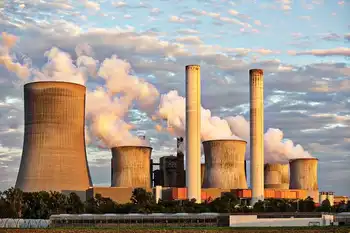
After relying so heavily on Russian gas Germany is now scrambling to maintain sufficient reserves for the winter. The crisis has also prompted it to restart mothballed coal-fired power stations, with coal generating about a third of its electricity currently, though the plan is to phase out coal in the drive for green energy.
Last year Germany got 55% of its gas from Russia, but in the summer that dropped to 35% and it is declining further.
EU leaders consider how to cap gas prices
France sends Germany gas for first time amid crisis
Chancellor Scholz's third coalition partner, the liberal Free Democrats (FDP), welcomed his move to keep nuclear power as part of the mix. The three remaining nuclear plants are Isar 2, Neckarwestheim 2 and Emsland, which were ultimately shut down after the extension.
The Social Democrat (SPD) chancellor also called for ministries to present an "ambitious" law to boost energy efficiency and to put into law a phase-out of coal by 2030, aiming for a coal- and nuclear-free economy among major industrial nations.
Last week climate activist Greta Thunberg said it was a "mistake" for Germany to press on with nuclear decommissioning while resorting to coal again, intensifying debate over a nuclear option for climate goals nationwide.
AI Energy Consumption strains corporate electricity bills as data centers and HPC workloads run nonstop, driving carbon emissions. Efficiency upgrades, renewable energy, and algorithm optimization help control costs and enhance sustainability across industries.
AI Energy Consumption is the power used by AI compute and data centers, impacting costs and sustainability.
✅ Optimize cooling, hardware, and workloads to cut kWh per inference
✅ Integrate on-site solar, wind, or PPAs to offset data center power
✅ Tune models and algorithms to reduce compute and latency
Artificial Intelligence (AI) is revolutionizing industries with its promise of increased efficiency and productivity. However, as businesses integrate AI technologies into their operations, there's a significant and often overlooked impact: the strain on corporate electricity bills.
The adoption of AI entails the deployment of high-performance computing systems, data centers, and sophisticated algorithms that require substantial energy consumption. These systems operate around the clock, processing massive amounts of data and performing complex computations, and, much like the impact on utilities seen with major EV rollouts, contributing to a notable increase in electricity usage for businesses.
Various sectors, including finance, healthcare, manufacturing, and technology, rely on AI-driven applications for tasks ranging from data analysis and predictive modeling to customer service automation and supply chain optimization, while manufacturing is influenced by ongoing electric motor market growth that increases electrified processes.
The rise in electricity consumption due to AI deployments translates into higher operational costs for businesses. Corporate entities must budget accordingly for increased electricity bills, which can impact profit margins and financial planning, especially in regions experiencing electricity price volatility in Europe amid market reforms. Managing these costs effectively becomes crucial to maintaining competitiveness and sustainability in the marketplace.
The environmental impact of heightened electricity consumption cannot be overlooked. Increased energy demand from AI technologies contributes to carbon emissions and environmental footprints, alongside rising e-mobility demand forecasts that pressure grids, posing challenges for businesses striving to meet sustainability goals and regulatory requirements.
To address the escalating electricity bills associated with AI, businesses are exploring various mitigation strategies:
Energy Efficiency Measures: Implementing energy-efficient practices, such as optimizing data center cooling systems, upgrading to energy-efficient hardware, and adopting smart energy management solutions, can help reduce electricity consumption.
Renewable Energy Integration: Investing in renewable energy sources like solar or wind power and energy storage solutions to enhance flexibility can offset electricity costs and align with corporate sustainability initiatives.
Algorithm Optimization: Fine-tuning AI algorithms to improve computational efficiency and reduce processing times can lower energy demands without compromising performance.
Cost-Benefit Analysis: Conducting thorough cost-benefit analyses of AI deployments to assess energy consumption against operational benefits and potential rate impacts, informed by cases where EV adoption can benefit customers in broader electricity markets, helps businesses make informed decisions and prioritize energy-saving initiatives.
As AI continues to evolve and permeate more aspects of business operations, the demand for electricity will likely intensify and may coincide with broader EV demand projections that increase grid loads. Balancing the benefits of AI-driven innovation with the challenges of increased energy consumption requires proactive energy management strategies and investments in sustainable technologies.
The integration of AI technologies presents significant opportunities for businesses to enhance productivity and competitiveness. However, the corresponding surge in electricity bills underscores the importance of proactive energy management and sustainability practices. By adopting energy-efficient measures, leveraging renewable energy sources, and optimizing AI deployments, businesses can mitigate cost impacts, reduce environmental footprints, and foster long-term operational resilience in an increasingly AI-driven economy.
Shell's Industrial Electricity Supply Strategy targets UK and US industrial customers, leveraging gas-to-power, renewables, long-term PPAs, and energy transition momentum to disrupt utilities, cut costs, and secure demand in the evolving electricity market.
Shell will sell power directly to industrial clients, leveraging gas, renewables, and PPAs to secure demand and pricing.
✅ Direct power sales to industrials in UK and US
✅ Leverages gas-to-power, renewables, and flexible sourcing
✅ Targets long-term PPAs, price stability, and demand security
Royal Dutch Shell’s decision to sell electricity direct to industrial customers is an intelligent and creative one. The shift is strategic and demonstrates that oil and gas majors are capable of adapting to a new world as the transition to a lower carbon economy develops. For those already in the business of providing electricity it represents a dangerous competitive threat. For the other oil majors it poses a direct challenge on whether they are really thinking about the future sufficiently strategically.
The move starts small with a business in the UK that will start trading early next year, in a market where the UK’s second-largest electricity operator has recently emerged, signaling intensifying competition. Shell will supply the business operations as a first step and it will then expand. But Britain is not the limit — Shell recently announced its intention of making similar sales in the US. Historically, oil and gas companies have considered a move into electricity as a step too far, with the sector seen as oversupplied and highly politicised because of sensitivity to consumer price rises. I went through three reviews during my time in the industry, each of which concluded that the electricity business was best left to someone else. What has changed? I think there are three strands of logic behind the strategy.
First, the state of the energy market. The price of gas in particular has fallen across the world over the last three years to the point where the International Energy Agency describes the current situation as a “glut”. Meanwhile, Shell has been developing an extensive range of gas assets, with more to come. In what has become a buyer’s market it is logical to get closer to the customer — establishing long-term deals that can soak up the supply, while options such as storing electricity in natural gas pipes gain attention in Europe. Given its reach, Shell could sign contracts to supply all the power needed by the UK’s National Health Service or with the public sector as a whole as well as big industrial users. It could agree long-term contracts with big businesses across the US.
To the buyers, Shell offers a high level of security from multiple sources with prices presumably set at a discount to the market. The mutual advantage is strong. Second, there is the transition to a lower carbon world. No one knows how fast this will move, but one thing is certain: electricity will be at the heart of the shift with power demand increasing in transportation, industry and the services sector as oil and coal are displaced. Shell, with its wide portfolio, can match inputs to the circumstances and policies of each location. It can match its global supplies of gas to growing Asian markets, including China’s 2060 electricity share projections, while developing a renewables-based electricity supply chain in Europe. The new company can buy supplies from other parts of the group or from outside. It has already agreed to buy all the power produced from the first Dutch offshore wind farm at Egmond aan Zee.
The move gives Shell the opportunity to enter the supply chain at any point — it does not have to own power stations any more than it now owns drilling rigs or helicopters. The third key factor is that the electricity market is not homogenous. The business of supplying power can be segmented. The retail market — supplying millions of households — may be under constant scrutiny, as efforts to fix the UK’s electricity grid keep infrastructure in the headlines, with suppliers vilified by the press and governments forced to threaten price caps but supplying power to industrial users is more stable and predictable, and done largely out of the public eye. The main industrial and commercial users are major companies well able to negotiate long-term deals.
Given its scale and reputation, Shell is likely to be a supplier of choice for industrial and commercial consumers and potentially capable of shaping prices. This is where the prospect of a powerful new competitor becomes another threat to utilities and retailers whose business models are already under pressure. In the European market in particular, electricity pricing mechanisms are evolving and public policies that give preference to renewables have undermined other sources of supply — especially those produced from gas. Once-powerful companies such as RWE and EON have lost much of their value as a result. In the UK, France and elsewhere, public and political hostility to price increases have made retail supply a risky and low-margin business at best. If the industrial market for electricity is now eaten away, the future for the existing utilities is desperate.
Shell’s move should raise a flag of concern for investors in the other oil and gas majors. The company is positioning itself for change. It is sending signals that it is now viable even if oil and gas prices do not increase and that it is not resisting the energy transition. Chief executive Ben van Beurden said last week that he was looking forward to his next car being electric. This ease with the future is rather rare. Shareholders should be asking the other players in the old oil and gas sector to spell out their strategies for the transition.
Ontario Teachers' Evoltz Acquisition expands electricity transmission in Brazil, adding seven grid lines across ten states, aligning infrastructure strategy with inflation-linked cash flows, renewable energy integration, Latin America and net-zero objectives pending regulatory approvals.
A 100% purchase of Brazil's Evoltz, adding seven grid lines and delivering stable, inflation-linked cash flows.
✅ 100% stake in Evoltz with seven transmission lines
✅ Aligns with net-zero and renewable energy strategy
✅ Inflation-linked, core infrastructure cash flows in Brazil
The Ontario Teachers’ Pension Plan has acquired Evoltz Participações, an electricity transmission firm in Brazil, from US asset manager TPG.
The retirement system took a 100% stake in the energy firm, Ontario Teachers’ said Monday. The acquisition has netted the pension fund seven electricity transmission lines that service consumers and businesses across 10 states in Brazil, amid dynamics similar to electricity rate reductions for businesses seen in Ontario. The firm was founded by TPG just three years ago.
“Our strategy focuses on allocating significant capital to high-quality core infrastructure assets with lower risks and stable inflation-linked cash flows,” Dale Burgess, senior managing director of infrastructure and natural resources at Ontario Teachers, said in a statement. “Electricity transmission businesses are particularly attractive given their importance in facilitating a transition to a low-carbon economy.”
The pension fund has invested in other electricity distribution companies recently. In March, Ontario Teachers’ took a 40% stake in Finland’s Caruna, and agreed to acquire a 25% stake in SSEN Transmission in the UK grid. For more than a decade, it has maintained a 50% stake in Chile-based transmission firm Saesa.
The investment into Evoltz demonstrates Ontario Teachers’ growing portfolio in Brazil and Latin America, while activity in Ontario such as the Peterborough Distribution sale reflects ongoing utility consolidation. In 2016, the firm, with the Canada Pension Plan Investment Board (CPPIB), invested in toll roads in Mexico. They took a 49% stake with Latin American infrastructure group IDEAL.
Evoltz, which delivers renewable energy, will also help decarbonize the pension fund’s portfolio. In January, the fund pledged to reach net-zero carbon emissions by 2050. Last year, Ontario Teachers’ issued its first green bond offering. The $890 million 10-year bond will help the retirement system fund sustainable investments aligned with policy measures like Ontario's subsidized hydro plan during COVID-19.
However, Ontario Teachers’ has also received criticism for its investment into parts of Abu Dhabi’s gas pipeline network, and investor concerns about Hydro One highlight sector uncertainties. Last summer, it joined other institutional investors in investing $10.1 billion for a 49% stake.
As of December, Ontario Teachers’ reached a portfolio with C$221.2 billion (US$182.5 billion) in assets. Since 1990, the fund has maintained a 9.6% annualized return. Last year, it missed its benchmark with an 8.6% return, with examples such as Hydro One shares fall after shake-up underscoring market volatility.
The pension fund expects the deal will close later this fall, pending closing conditions and regulatory approvals, including decisions such as the OEB combined T&D rates ruling that shape utility economics.
PG&E dividend halt for wildfire mitigation directs cash from shareholders to tree clearing, wildfire risk reduction, and probation compliance under Judge William Alsup, amid bankruptcy, Camp Fire liabilities, and power line vegetation management mandates.
A court-ordered dividend halt funding vegetation clearance and wildfire mitigation as PG&E meets probation terms.
✅ Judge Alsup bars dividends until mitigation targets met
✅ 375,000 trees cleared near power lines in high-risk zones
✅ Measures tied to probation amid bankruptcy and liabilities
A U.S. judge said on Tuesday that PG&E may not resume paying dividends and must use the money to fund its plan for cutting down trees to reduce the risk of wildfires in California, stopping short of more costly measures he proposed earlier this year.
The new criminal probation terms for PG&E are modest compared with ones the judge had in mind in January and that PG&E said could have cost upwards of $150 billion.
The terms will, however, keep PG&E under the supervision of Judge William Alsup of the U.S. District Court for the Northern District of California and hold the company, which also is in Chapter 11 bankruptcy and whose bankruptcy plan has drawn support from wildfire victims, to its target for clearing areas around its power lines of some 375,000 trees this year.
PG&E's probation stems from its felony conviction after a deadly 2010 natural gas pipeline blast in San Bruno, California, near San Francisco, that killed eight people and injured 58 others.
PG&E filed for bankruptcy protection on Jan. 29 in anticipation of liabilities from wildfires, including a catastrophic 2018 blaze, the Camp Fire, for which PG&E later pleaded guilty to 85 counts in state court. It killed 86 people in the deadliest and most destructive wildfire in California history.
At a January hearing, Alsup, who is overseeing PG&E's probation, said he felt compelled to propose additional probation terms in the aftermath of Camp Fire. San Francisco-based PG&E expects its equipment will be found to have caused the blaze.
The probation process is separate from San Francisco-based PG&E's bankruptcy filing and from operational measures such as its pandemic response and shutoff moratorium implemented to protect customers.
As the company faces $30 billion in wildfire liabilities and bankruptcy proceedings and has opened a wildfire assistance program for affected residents, the energy company is expected to name as its new chief executive Bill Johnson, a source said on Tuesday. Johnson has been the CEO of the Tennessee Valley Authority since 2013 and is retiring on Friday.
Additional probation terms imposed by Alsup on Tuesday will require PG&E to meet goals in a wildfire mitigation plan it unveiled in February.
The goals include removing 375,000 dead, dying or hazardous trees from areas at high risk of wildfires in 2019, compared with 160,000 last year.
The judge said PG&E will not be able to pay shareholders until it complies with his new probation terms.
Shares fell 2% on Tuesday to close at $17.66 on the New York Stock Exchange and are down 63% since November 2018 due to concerns about the company's bankruptcy and wildfire liabilities, though the utility has said rates are set to stabilize in 2025 as part of its long-term plan. The shares traded as low as $5.07 in January.
PG&E in December 2017 suspended its quarterly cash dividend, while continuing to pay significant property taxes to California counties, citing uncertainty about liabilities from wildfires in October of that year that struck Northern California.
PG&E paid $798 million in dividends in 2017 and $925 million in 2016, a period in which the company did a poor job of clearing areas around its power lines of hazardous trees, according to Alsup.
Money meant for shareholders should have been spent on efforts to reduce wildfire risks in recent years, Alsup said at Tuesday's hearing.
"PG&E has started way more than its share of these fires," Alsup said.
"I want to see the people of California safe," the judge added.
Lawyers for PG&E did not contest the new terms, which the company considers more feasible than terms Alsup proposed in January.
To comply with the terms Alsup proposed in January, PG&E said it would have to remove 100 million trees. The company added that shutting power lines during high winds as Alsup proposed would not be feasible because the lines traverse rural areas to service cities and suburbs.
Idling lines could also affect the power grid in other states, PG&E said.
Alsup on Tuesday said he was still considering his proposal to require PG&E to shut down power lines during windy weather to prevent tree branches from making contact and sparking wildfires linked to power lines in the region.
Philippines coal dependency underscores energy transition challenges, climate change risks, and air pollution, as rising electricity demand, fossil fuels, and emissions shape policy shifts toward renewable energy, grid reliability, and sustainable development.
It is rising reliance on coal for power, driven by demand and cost, with climate, air pollution, and policy risks.
✅ Driven by rising demand, affordability, and grid reliability.
✅ Worsens emissions, air pollution, and public health burdens.
✅ Policy shifts aim at renewable energy, efficiency, and standards.
In a striking development, the Philippines has surpassed China and Indonesia to become the nation most dependent on coal-generated power in recent years. This shift highlights significant implications for the country's energy strategy, environmental policies, and its commitment to sustainable development, and comes as global power demand continues to surge worldwide.
Rising Dependency on Coal
The Philippines' increasing reliance on coal-generated power is driven by several factors, including rapid economic growth, rising electricity demand, and regional uncertainties in China's electricity sector that influence fuel markets, and the perceived affordability and reliability of coal as an energy source. Coal has historically been a key component of the Philippines' energy mix, providing a stable supply of electricity to support industrialization and urbanization efforts.
Environmental and Health Impacts
Despite its economic benefits, coal-generated power comes with significant environmental and health costs, especially as soaring electricity and coal use amplifies exposure to pollution. Coal combustion releases greenhouse gases such as carbon dioxide, contributing to global warming and climate change. Additionally, coal-fired power plants emit pollutants such as sulfur dioxide, nitrogen oxides, and particulate matter, which pose health risks to nearby communities and degrade air quality.
Policy and Regulatory Landscape
The Philippines' energy policies have evolved to address the challenges posed by coal dependency while promoting sustainable alternatives. The government has introduced initiatives to encourage renewable energy development, improve energy efficiency, and, alongside stricter emissions standards on coal-fired power plants, is evaluating nuclear power for inclusion in the energy mix to meet future demand. However, balancing economic growth with environmental protection remains a complex and ongoing challenge.
International and Domestic Pressures
Internationally, there is growing pressure on countries to reduce reliance on fossil fuels and transition towards cleaner energy sources as part of global climate commitments under the Paris Agreement, illustrated by the United Kingdom's plan to end coal power within its grid. The Philippines' status as the most coal-dependent nation underscores the urgency for policymakers to accelerate the shift towards renewable energy and reduce carbon emissions to mitigate climate impacts.
Challenges and Opportunities
Transitioning away from coal-generated power presents both challenges and opportunities for the Philippines. Challenges include overcoming entrenched interests in the coal industry, addressing energy security concerns, and navigating the economic implications of energy transition, particularly as clean energy investment in developing nations has recently declined, adding financial headwinds. However, embracing renewable energy offers opportunities to diversify the energy mix, reduce dependence on imported fuels, create green jobs, and improve energy access in remote areas.
Community and Stakeholder Engagement
Engaging communities and stakeholders is crucial in shaping the Philippines' energy transition strategy. Local residents, environmental advocates, industry leaders, and policymakers play essential roles in fostering dialogue, raising awareness about the benefits of renewable energy, and advocating for policies that promote sustainable development and protect public health.
Future Outlook
The Philippines' path towards reducing coal dependency and advancing renewable energy is critical to achieving long-term sustainability and resilience against climate change impacts. By investing in renewable energy infrastructure, enhancing energy efficiency measures, and fostering innovation in clean technologies, as renewables poised to eclipse coal indicate broader momentum, the country can mitigate environmental risks, improve energy security, and contribute to global efforts to combat climate change.
Conclusion
As the Philippines surpasses China and Indonesia in coal-generated power dependency, the nation faces pivotal decisions regarding its energy future. Balancing economic growth with environmental stewardship requires strategic investments in renewable energy, robust policy frameworks, and proactive engagement with stakeholders to achieve a sustainable and resilient energy system. By prioritizing clean energy solutions, the Philippines can pave the way towards a greener and more sustainable future for generations to come.
Stay informed with our FREE Newsletter — get the latest news, breakthrough technologies, and expert insights, delivered straight to your inbox.
Advantages To Instructor-Led Training – Instructor-Led Course, Customized Training, Multiple Locations, Economical, CEU Credits, Course Discounts.
Request For QuotationWhether you would prefer Live Online or In-Person instruction, our electrical training courses can be tailored to meet your company's specific requirements and delivered to your employees in one location or at various locations.