CSA Z463 (2024) - Maintenance of Electrical Systems
Our customized live online or in‑person group training can be delivered to your staff at your location.
- Live Online
- 6 hours Instructor-led
- Group Training Available
Regular Price:
$399
Coupon Price:
$349
DALLAS
—
US Grid Resilience faces real-time tests as extreme heat collides with rising AI and data center demand, spurring utilities to deploy battery storage, demand response, and virtual power plants across regions.
Essential Takeaways
-
Successive heat waves deliver a nationwide reliability stress test.
-
Texas adds batteries, weatherization, and demand response.
-
VPPs link home batteries, solar, and EV chargers.
-
Data centers are asked to provide flexible load relief.
Relentless summer heat has turned into a real-world stress test for the United States power system, with a series of dangerous heat waves prompting an emergency federal order that now covers 17 states. The back-to-back high-temperature events are forcing utilities and grid operators to reassess how they plan for longer periods of sustained strain rather than a single peak hour, a shift that reflects both weather volatility and rising electricity demand from digital infrastructure. The challenge is national in scope, set against a broader world heat electricity backdrop for energy systems.
Heat waves create a dual bind by driving air-conditioning load higher while reducing the efficiency of some thermal generation. Utilities are adjusting strategies to ensure adequate resources across multi-day extremes, with experts emphasizing that reliability hinges on the combined performance of many assets rather than any one solution. That direction aligns with ongoing industry discussions around grid climate change impacts on planning practices. Options under review range from storage and flexible demand to software-orchestrated portfolios, a landscape captured in us grid heat resilience aar dlr vpps topics for practitioners.
Texas has emerged as a prominent proving ground since the deadly 2021 winter storm revealed major vulnerabilities. Since then, the region has managed record seasonal demand with rapid battery expansion, mandatory weatherization, improved forecasting, and expanded demand response. State regulators also finalized standards that require large data centers to disconnect in a controlled manner during grid disturbances, a measure aimed at protecting system stability when faults cascade. These steps complement ongoing transmission buildout and the addition of solar, wind, and batteries, part of a broader reliability toolkit that seeks to keep pace with load growth and extreme weather.
Even so, the scale of expected demand growth remains striking. The system operator has told lawmakers that statewide electric demand could reach roughly 175,000 megawatts by 2032, nearly double the record set this month, underscoring how fast electricity needs are expanding with AI and other loads. As planners weigh operational headroom, they are also monitoring affordability pressures highlighted in extreme heat boosts us electricity bills discussions among consumers and businesses.
Across the country, software platforms are linking home batteries, rooftop solar, and EV chargers into virtual power plants that can inject power or reduce consumption during peak stress. In California, batteries were described as "invaluable for reliability" after helping the state avoid rotating outages during the record 2022 heat wave, reinforcing how fast-response resources can stabilize the system during critical hours. Those lessons inform preparedness and ongoing vigilance about california faces blackouts during peak events.
Looking ahead, utilities are increasingly exploring whether large data centers can act as flexible grid resources rather than solely new demand sources. Early demonstrations show that targeted curtailments during simulated peaks can materially reduce load for several hours. Experts expect grids to become more agile out of necessity, valuing efficiency, storage, self-generation, microgrids, and more active demand management. The bottom line is that reliability will be determined by how these components work together during prolonged extremes, not by any single technology on its own.
Related News
Related News
Covid-19 crisis hits solar and wind energy industry
COVID-19 Impact on US Renewable Energy disrupts solar and wind projects, dries up tax equity…
View more
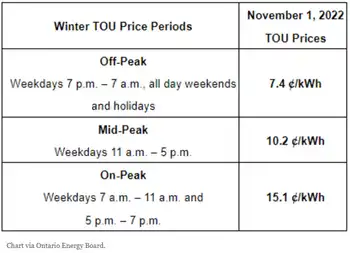
Electricity rates are about to change across Ontario
Ontario Electricity Rate Changes lower OEB Regulated Price Plan costs, adjust Time-of-Use winter hours and…
View more
Prime minister, B.C. premier announce $1B B.C. battery plant
Maple Ridge Lithium-Ion Battery Plant will be a $1B E-One Moli clean-tech facility in Canada,…
View more
ABO to build 10MW Tunisian solar park
ABO Wind Tunisia 10MW Solar Project will build a photovoltaic park in Gabes with a…
View more
Thermal power plants’ PLF up on rising demand, lower hydro generation
India Coal Power PLF rose as capacity utilisation improved on rising peak demand and hydropower…
View more
UK EV Drivers Demand Fairer Vehicle Taxes
UK EV Per-Mile Taxes are reshaping road pricing and vehicle taxation for electric cars, raising…
View more
Sign Up for Electricity Forum’s Newsletter
Stay informed with our FREE Newsletter — get the latest news, breakthrough technologies, and expert insights, delivered straight to your inbox.
Electricity Today T&D Magazine Subscribe for FREE

Stay informed with the latest T&D policies and technologies.
- Timely insights from industry experts
- Practical solutions T&D engineers
- Free access to every issue

