Grid Modeling Enables Real-Time Intelligence
By Osmani Pais, Manager, Grid Performance Center, Salt River Project
By Osmani Pais, Manager, Grid Performance Center, Salt River Project
Request for Quotation Service
Buyers Submit Free RFQs to top suppliers, no obligation.
Suppliers Browse real project RFQs directly from buyers.
Trust Electricity Forum 40 years connection buyers and suppliers.
integrating telemetry, topology, and load data. This operational grid model supports safe switching, accurate power flow analysis, DER integration, and unified control of modern utility grid infrastructure.
Grid modeling plays a critical role in both real-time system operation and long-term operation planning across the electric power grid. Utilities use accurate modeling to maintain visibility into electric power systems, evaluate system operation scenarios, and ensure the electricity grid remains stable under normal and extreme weather conditions. These modeling capabilities support operational reliability and help utilities maintain resource adequacy as demand patterns and generation resources evolve.
Grid modeling is the foundation of modern utility grid operation. It provides a continuously updated electrical representation of the distribution network, allowing utilities to monitor, analyze, and control system behavior based on actual operating conditions rather than static assumptions.
Historically, distribution system models were used primarily for offline planning and engineering analysis. Today, the distribution system model has evolved into a real-time operational capability that reflects the live state of the electrical network. This operational electrical model continuously integrates telemetry, network topology, switching configuration, and load conditions to provide a complete and accurate view of the grid.
As distribution systems become more complex due to electrification and distributed energy resources, this modeling capability has become essential for maintaining system reliability and operational safety. These real-time operational capabilities are delivered through platforms such as ADMS, which continuously calculate electrical system conditions using telemetry and network topology.
Modern grid modeling is no longer a static planning exercise. It is a continuously updated operational grid model that reflects the live electrical state of the distribution network.
Think you know Digital Twins, Simulation & Planning? Take our quick, interactive quiz and test your knowledge in minutes.
This real-time electrical model includes:
• feeder topology and connectivity
• load distribution across feeders and transformers
• voltage conditions throughout the system
• switching device position and configuration
• distributed energy resource output
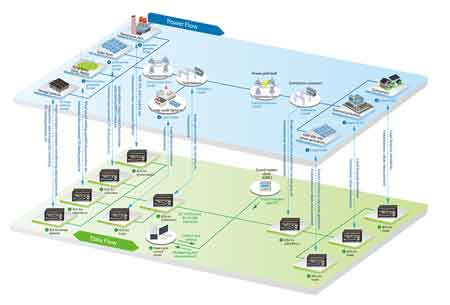
Advanced Distribution Management Systems maintain this real-time electrical system model by continuously calculating power flow, voltage profiles, and load distribution using telemetry, network topology, and operational inputs. These modeling functions are executed through modern adms software, which synchronizes telemetry and network topology into a unified operational model.
Accurate connectivity between feeders, switches, and devices is maintained using network intelligence systems such as geospatial adms, ensuring that distribution network models reflect actual electrical system configuration.
This real-time electrical representation allows utilities to understand exactly how electricity is flowing through the distribution system at any given moment and respond safely to changing conditions.
Modeling depends on continuous telemetry input. Without telemetry, the electrical system model is based on assumptions and historical load estimates that may not reflect actual system conditions.
Utilities continuously compare measured telemetry and AMI load data with calculated model conditions to identify discrepancies and refine the operational grid model's accuracy over time.
Telemetry sources that support distribution network model include:
• SCADA measurements from substations and feeders
• AMI data from customer meters
• switching device position and status
• voltage regulator and capacitor bank measurements
• distributed energy resource output telemetry
Measured load data from AMI Data provides direct electrical system feedback, allowing utilities to validate and refine distribution system models based on real system conditions.
These telemetry inputs enable the network model to continuously synchronize with the system's actual electrical state. Real-time telemetry integration ensures that calculated load flow, voltage levels, and equipment loading accurately reflect field conditions.
Telemetry integration transforms this modeling framework from a theoretical representation into a real-time operational intelligence platform.
The primary purpose of grid modeling is to support operator decision-making. Grid operators rely on accurate electrical network models to understand the consequences of switching actions and system changes before they are performed.
These operational modeling capabilities directly improve power system reliability by allowing operators to safely evaluate electrical system conditions before performing switching operations.
An operational grid model enables operators to:
• evaluate switching actions safely
• prevent feeder overload conditions
• restore outages efficiently
• maintain voltage stability across feeders
• assess the impact of distributed energy resources
By predicting how electrical conditions will change in response to switching or load variation, the operational grid model allows operators to avoid unsafe operating conditions.
This modeling capability enables safe, predictable operation and improves overall system reliability.
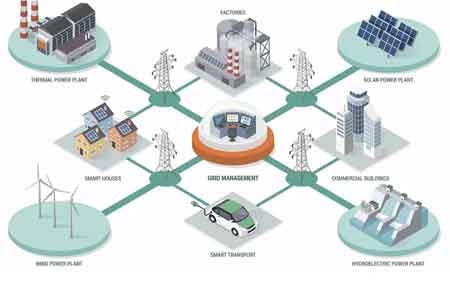
Modeling serves as the integration layer that connects multiple utility operational systems into a unified operational platform.
It integrates data from:
• SCADA telemetry systems
• AMI measurement systems
• GIS network connectivity models
• DER management systems
• asset management databases
Operational coordination between network model platforms and distributed energy resource management system infrastructure ensures distributed resources operate safely within system limits.
These unified modeling capabilities form the technical foundation of modern grid management solutions, enabling coordinated operational control across the entire distribution network.
This unified operational model allows utilities to operate the distribution system as a single coordinated electrical network.
Grid modeling has become the foundation of operational intelligence for modern utility grid management. It enables utilities to monitor electrical system conditions, integrate telemetry, support operator decision-making, and maintain unified operational control.

In addition to real-time operational intelligence, a real-time electrical model supports long-term planning and production cost models that evaluate system performance under future demand, generation, and infrastructure scenarios. These planning models help utilities prepare for extreme weather, infrastructure expansion, and evolving operational requirements across the electric power grid.
Engineering teams increasingly use advanced analytical tools such as genai copilots for utility engineering to interpret real-time electrical system model data and improve operational awareness.
As distribution networks continue to evolve, a real-time operational electrical model provides the situational awareness required to ensure reliable and efficient grid operation.
Utilities that deploy real-time operational grid models can operate the grid safely, respond to changing conditions quickly, and maintain reliable electrical service in increasingly complex distribution environments.
Explore 50+ live, expert-led electrical training courses –