NFPA 70E Training - 2027 Edition - Arc Flash and Electrical Safety Course
Our customized live online or in‑person group training can be delivered to your staff at your location.

- Live Online
- 6 hours Instructor-led
- Group Training Available
Regular Price:
$199
Coupon Price:
$149
Germany
—
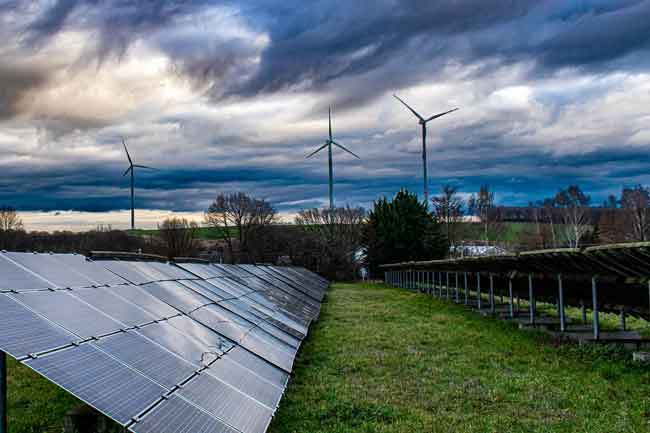
Germany Renewable Power Share H1 2026 reached 61.8 percent of net generation, driven by record solar output and stronger wind. Negative day-ahead prices and storage needs underscored grid flexibility trends across Germany and the EU.
Breaking Down the Details
-
Renewables reached 61.8% of net public generation in H1 2026
-
Solar output hit a record 43.2 TWh across the half-year
-
Wind generation rose 12.2% year over year
-
Negative prices increased; storage capacity grew to 29.3 GWh
-
EU solar set records; fossil output rose 6% to 78.6 TWh
Renewable sources supplied 61.8 percent of Germany's net public electricity generation in the first half of 2026, cementing a new milestone for the country's power mix. The half-year data show stronger wind conditions and record photovoltaic output combining to lift clean generation while reshaping market dynamics. This trajectory aligns with themes covered in germany clean energy, highlighting the structural shift underway in the electricity sector.
Solar output reached an all-time high of 43.2 TWh, about 10 percent above the prior year's first-half level. Wind generation increased by 12.2 percent year over year, with both onshore and offshore plants contributing to the gain, and wind's share of net public generation edged up to 30 percent. These movements echo developments previously noted in german solar boost, as solar additions and performance continue to expand.
Across Europe, photovoltaic generation also set new records, rising markedly compared with mid-decade baselines. While hydropower and biomass slipped slightly, fossil-fired generation increased by 6 percent to 78.6 TWh versus the year-earlier period. Comparable milestones in the regional mix have been tracked in eu wind solar surpass fossil electricity, underscoring how wind and solar are reshaping supply patterns across interconnected markets.
Market signals reflected the generation profile. A higher frequency of negative day-ahead prices emerged as mid-day renewable peaks grew, with many hours near zero. The analysis emphasizes the need for intraday flexibility, noting that installed battery storage capacity rose from 25.4 GWh to 29.3 GWh in the half-year yet a material storage gap remains. Expanding storage could help absorb surplus output, easing negative pricing during the day and mitigating evening price spikes.
Weather conditions also played a role. A June heat wave lifted cooling demand while limiting conventional plant availability, contributing to sharper evening volatility. Germany recorded a modest net import balance of 1.3 TWh for the half-year, with cross-border flows shifting as supply and demand conditions evolved. For additional regional context on market behavior, see ireland electricity, which examines parallel trends within a smaller, closely monitored power system.
Capacity growth continued. In the first six months, new photovoltaic installations included about 2.1 GWp of small rooftop systems up to 30 kWp, roughly 1.1 GWp in the 30 to 100 kWp range, and 3.5 GWp of ground-mounted projects. Total installed module capacity rose from 118 GWp to 124.9 GWp, and inverter capacity increased from 107.7 GW to 113.9 GW. Policy changes under discussion could weigh on the economics of smaller rooftop systems under current conditions, potentially influencing project sizing and roof utilization decisions.
The share of renewables in electricity load also set a record, climbing from 55 percent in the first half of 2025 to 58.5 percent in the first half of 2026. Together with the European records for solar generation, these results reinforce the accelerating momentum of the energy transition, a theme explored further in world renewables record, which places recent achievements in a broader global context.
Related News
Related News

Canada, Ukraine sign energy cooperation deal to boost renewables and grid resilience
Canada-Ukraine Energy Cooperation sets a framework for renewables, hydropower rehabilitation, grid resilience, LNG security, and…
View more
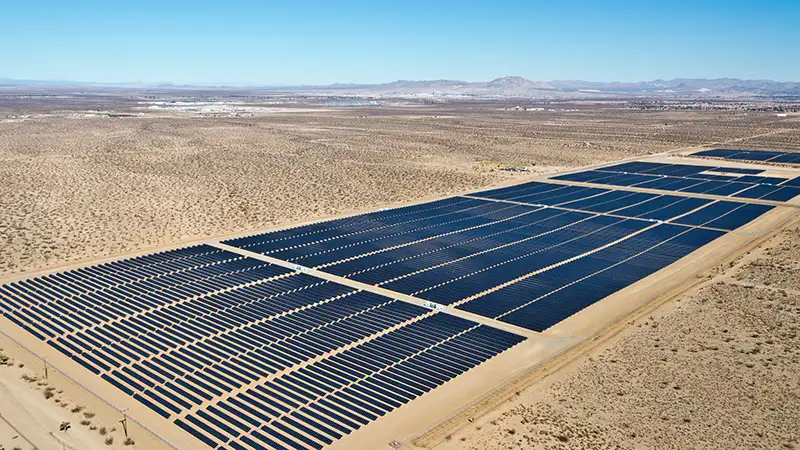
Solar generation was 3% of U.S. electricity in 2020, but we project it will be 20% by 2050
U.S. Solar Generation Forecast highlights rising photovoltaics, utility-scale and small-scale growth across residential, commercial, and…
View more

TotalEnergies to Acquire Shell's European Onshore Renewables Business
TotalEnergies Shell Renewables Deal advances a major acquisition in Europe, adding 500 MW of operating…
View more
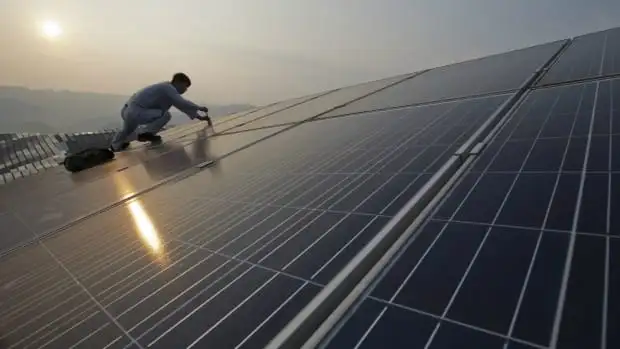
NEB: Demand for solar electricity lagging behind in Canada
Canada Solar Energy lags despite falling costs, with 0.5% of electricity from solar, largely in…
View more

UN: Renewables Power Essential Services in Crisis-Hit Middle East
Middle East Renewables are powering hospitals, water systems and schools across crisis-hit countries, with solar…
View more
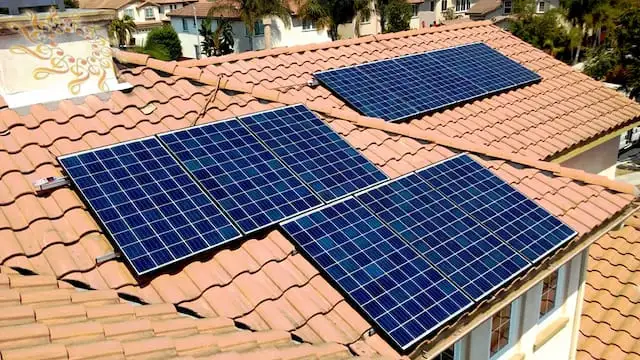
Solar Wars Draw Millions in Cash in Threat to Rooftop Industry
Arizona Rooftop Solar Battle intensifies as regulators weigh net metering, utility fees, and solar credits;…
View more
Sign Up for Electricity Forum’s Newsletter
Stay informed with our FREE Newsletter — get the latest news, breakthrough technologies, and expert insights, delivered straight to your inbox.
Electricity Today T&D Magazine Subscribe for FREE

Stay informed with the latest T&D policies and technologies.
- Timely insights from industry experts
- Practical solutions T&D engineers
- Free access to every issue

