Hydro-Quebec Faces Record Demand

By Reuters


Arc Flash Training CSA Z462 - Electrical Safety Essentials

Our customized live online or in‑person group training can be delivered to your staff at your location.

  • Live Online
  • 6 hours Instructor-led
  • Group Training Available
Regular Price:
$249
Coupon Price:
$199
Reserve Your Seat Today
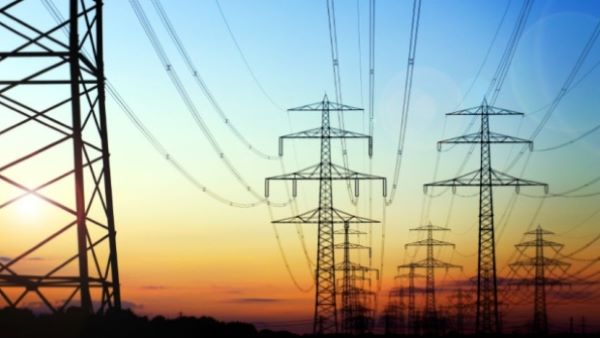
Power demand in Quebec soared to record levels for two days in a row, Hydro-Quebec said, with bone-chilling temperatures that have struck most of Canada getting the blame.

"Electricity demand from Quebecers reached a historical peak at 35,009 megawatts," said Nicolas Carette, a spokesman for Hydro-Quebec, one of North America's largest electricity producers and distributors.

One thousand megawatts is enough to power some 160,000 residential customers.

"The weather had been relatively mild in the past four winters," Carette told Reuters.

But for more than a week, Canada has been dealing with a nasty combination of low temperatures and extreme wind chill. The deep freeze has locked in much of the country, with heavy snowfalls battering the East Coast.

In Montreal and Quebec City, temperatures, including the windchill factor, plunged to minus 37 degrees Celsius (-35 Fahrenheit).

Power use in Canada is often highest in winter months, boosted by added heating and lighting demands.

Carette said the new records were also a consequence of the province's economic growth and record residential construction.

Related News
Berlin Geothermal Plant in El Salvador Set to Launch This Year

El Salvador Geothermal Expansion boosts renewable energy with a 7 MW Berlin binary ORC plant, upgrades at Ahuachapan, and pipeline projects, strengthening clean power capacity, grid reliability, and sustainable growth in Central America.


Key Points

A national push adding binary-cycle capacity at Berlin and Ahuachapan, boosting geothermal supply and advancing sites.

✅ 7 MW Berlin binary ORC plant entering service.

✅ Ahuachapan upgrade adds 2 MW, total geothermal 204 MW.

✅ Next: Chinameca, San Miguel, San Vicente, World Bank backed.


El Salvador is set to expand its renewable energy capacity with the inauguration of the 7-MW Berlin binary geothermal power plant, slated to go online later this year. This new addition marks a significant milestone in the country’s geothermal energy development, highlighting its commitment to sustainable energy solutions. The plant, which has already been installed and is currently undergoing testing, is expected to boost the nation’s geothermal capacity, contributing to its growing renewable energy portfolio.

The Role of Geothermal Energy in El Salvador’s Energy Mix

Geothermal energy plays a pivotal role in El Salvador's energy landscape. With the combined output from the Ahuachapan and Berlin geothermal plants, geothermal energy now accounts for about 21% of the country's net electricity supply. This makes geothermal the second-largest source of energy generation in El Salvador, underscoring its importance as a reliable and sustainable energy resource alongside emerging options like advanced nuclear microreactor technologies in the broader low-carbon mix.

In addition to the Berlin plant, El Salvador has made significant improvements to its Ahuachapan geothermal power plant. Recent upgrades have increased its generation capacity by 2 MW, further enhancing the country’s geothermal energy output. Together, the Ahuachapan and Berlin plants bring the total installed geothermal capacity to 204 MW, positioning El Salvador as a regional leader in geothermal energy development.

The Berlin Binary Geothermal Plant: A Technological Milestone

The Berlin binary geothermal power plant is especially noteworthy for several reasons. It is the first geothermal power plant to be constructed in El Salvador since 2007, marking a significant step in the country's ongoing efforts to expand its renewable energy infrastructure while reinforcing attention to risk management in light of Hawaii geothermal safety concerns reported elsewhere. The plant utilizes a binary cycle geothermal system, which is known for its efficiency in extracting energy from lower temperature geothermal resources, making it an ideal solution for regions like Berlin, where geothermal resources are abundant but at lower temperatures.

The plant was built by Turboden, an Italian company specializing in organic Rankine cycle (ORC) technology. The binary cycle system operates by transferring heat from the geothermal fluid to a secondary fluid, which then drives a turbine to generate electricity. This system allows for the efficient use of geothermal resources that might otherwise be too low in temperature for traditional geothermal plants, enabling pairing with thermal storage demonstration solutions to optimize output.

Future Geothermal Developments in El Salvador

El Salvador is not stopping with the Berlin geothermal plant. The country is actively working on other geothermal projects, including those in Chinameca, San Miguel, and San Vicente. These developments are expected to add 50 MW of additional capacity in their first phase, reflecting a broader shift as countries pursue hydrogen-ready power plants to reduce emissions, with a second phase, supported by the World Bank, planned to add another 100 MW.

The Chinameca, San Miguel, and San Vicente projects represent the next wave of geothermal development in El Salvador. When completed, these plants will significantly increase the country’s geothermal capacity, further diversifying its energy mix and reducing reliance on fossil fuels, and will require ongoing grid upgrades, a task complicated elsewhere by Germany grid expansion challenges highlighted in Europe.

International Support and Collaboration

El Salvador’s geothermal development efforts are supported by various international partners, including the World Bank, which has been instrumental in financing the expansion of geothermal projects, as utilities such as SaskPower geothermal plans in Canada explore comparable pathways. This collaboration highlights the global recognition of El Salvador’s potential in geothermal energy and its efforts to position itself as a hub for geothermal energy development in Central America.

Additionally, the country’s expertise in geothermal energy, especially in binary cycle technology, has attracted international attention. El Salvador’s progress in the geothermal sector could serve as a model for other countries in the region that are looking to harness their geothermal resources to reduce energy costs and promote sustainable energy development.

The upcoming launch of the Berlin binary geothermal power plant is a testament to El Salvador’s commitment to sustainable energy. As the country continues to expand its geothermal capacity, it is positioning itself as a leader in renewable energy in the region. The binary cycle technology employed at the Berlin plant not only enhances energy efficiency but also demonstrates El Salvador’s ability to adapt and innovate within the renewable energy sector.

With the continued development of projects in Chinameca, San Miguel, and San Vicente, and ongoing international collaboration, El Salvador’s geothermal energy sector is set to play a crucial role in the country’s energy future. As global demand for clean energy grows, exemplified by U.S. solar capacity additions this year, El Salvador’s investments in geothermal energy are helping to build a more sustainable, resilient, and energy-independent future.


Related News

View more

Daimler Details Gigantic Scope of Its Electrification Plan

Daimler Electric Strategy drives EV adoption with global battery factories, Mercedes-Benz electrified models, battery cells procurement, and major investments spanning vans, buses, trucks, and production capacity across Europe, Asia, and the USA.


Key Points

Daimler Electric Strategy is a multi-billion EV roadmap for batteries, factories, and 130 electrified Mercedes models.

✅ Eight battery factories across three continents

✅ EUR 10B for EV lineup; EUR 20B for battery cells

✅ 130 electrified variants plus vans, buses, trucks


Throughout 2018, we all witnessed the unprecedented volume of promises for a better future made by the giants of the auto industry. All say they've committed billions so that, within a decade, combustion engines will be on their way out.

The most active of all companies when talking about promises is Volkswagen, which, amid German plant closures, time and time again has said it will do this or that and completely change the meaning of car in the coming years. But there are other planning the same thing, possibly with even vaster resources.

Planning to end the year on a high note, Daimler detailed its plan for the electric future once again on Tuesday, this time making no secret of its gigantic size and scope.

As announced before, Daimler plans to build electric cars, but also manufacture electric batteries for its own and others’ use, and has launched a US energy storage company to support this strategy. These batteries will eventually be produced by Daimler in eight factories on three continents.

Batteries are already rolling off the lines in Kamenz, and a second facility will begin doing so next year. Two more factories will be built in Stuttgart-Untertürkheim, one at the company’s Sindelfingen site, and one each at the sites in Beijing (China), Bangkok (Thailand) and Tuscaloosa (USA).

In all, one billion EUR will be invested in the expansion of the global battery production network, but that is nothing compared to the 10 billion to be poured into the expansion of the Mercedes-Benz car fleet.

On top of that, 20 billion EUR will go towards the purchase of battery cells from producers all around the world, echoing other automakers' battery sourcing strategies worldwide over the next 12 years.

“After investing billions of euros in the development of the electric fleet and the expansion of our global battery network, we are now taking the next step,” said in a statement Dieter Zetsche, Daimler chairman of the board.

“With the purchase of battery cells for more than 20 billion euros, we are systematically pushing forward with the transformation into the electric future of our company.”

By 2022, the carmaker plans to launch 130 electrified variants of its cars, as cheaper, more powerful batteries become available, adding to them electric vans, buses and trucks. That pretty much means all the models and variants sold by Daimler globally will be at least partially powered by electricity.


Related News

View more

Reliability of power winter supply puts Newfoundland 'at mercy of weather': report

Labrador Island Link Reliability faces scrutiny as Nalcor Energy and General Electric address software issues; Liberty Consulting warns of Holyrood risks, winter outages, grid stability concerns, and PUB oversight for Newfoundland and Labrador.


Key Points

It is the expected dependability of the link this winter, currently uncertain due to GE software and Holyrood risks.

✅ GE software delays may hinder reliable in-service by mid-November.

✅ Holyrood performance issues increase winter outage risk.

✅ PUB directs Hydro to plan contingencies and improve assets.


An independent consultant is questioning if the brand new Labrador Island link can be counted on to supply power to Newfoundland this coming winter.

In June, Nalcor Energy confirmed it had successfully sent power from Churchill Falls to the Avalon Peninsula through its more than 1500-kilometre link, but now the Liberty Consulting Group says it doesn't expect the link will be up and running consistently this winter.

"What we have learned supports a conclusion that the Labrador Island Link is unlikely to be reliably in commercial operation at the start of the winter," says the report dated Aug. 30, 2018.

The link relies on software provided by General Electric but Liberty says there are lingering questions about GE's ability to ensure the necessary software will be in place this fall.

"At an August meeting, company representatives did not express confidence in GE's ability to meet an in-service date for the Labrador Island Link of mid-November," says the report.

Liberty also says testing the link for a brief period this spring and fall doesn't demonstrate long-term reliability.

"The link will remain prone to the uncertainties any new major facility faces early in its operating life, especially one involving technology new to the operating company," according to the report.

Holyrood trouble

The report goes on to say island residents should also be worried about the reliability of the troubled Holyrood facility — a facility that's important when demand for energy is high during winter months.

Liberty says "poor performance at the Holyrood thermal generating station increases the risk of outages considerably."

The group's report concludes the deteriorating condition of Holyrood is a major threat to the island's power supply and Liberty says that threat "could produce very severe consequences when the Labrador Island Link is unavailable."

The consultant says questions about the Labrador Island Link's readiness combined with concerns about the reliability of Holyrood may mean power outages, and for vulnerable customers, debates over hydro disconnections policies often intensify during winter.

"This all suggests that, for at least part of this winter, the island interconnected system may be at the mercy of the weather, where severe events can test utilities' storm response efforts further."

The consultant's report also includes five recommendations to the PUB, reflecting the kind of focused nuclear alert investigation follow-up seen elsewhere.

In essence, Liberty is calling for the board to direct Newfoundland and Labrador Hydro to make plans for the possibility that the link won't be available this winter. It's also calling on hydro to do more to improve the reliability of its other assets, such as Holyrood, as some operators have even contemplated locking down key staff to maintain operations during crises.

Response to Liberty's report

Nalcor CEO Stan Marshall defended the Crown corporation's winter preparedness in an email statement to CBC.

"The right level of planning and investment has been made for our existing equipment so we can continue to meet all of our customer electricity needs for this coming winter season," he wrote.

Regarding the Labrador Island Link, Marshall called for patience.

"This is new technology for our province and integrating the new transmission assets into our current electricity system is complex work that takes time," he said.

There is also a more detailed response from Newfoundland and Labrador Hydro which was sent to the province's Public Utiltiies Board.

Hydro says it will keep testing the Labrador Island Link and increasing the megawatts that are wheeled through it. It also says in October it will begin to give the PUB regular reports on the link's anticipated in-service date.


Related News

View more

China to build 2,000-MW Lawa hydropower station on Jinsha River

Lawa Hydropower Station approved on the Jinsha River, a Yangtze tributary, delivers 2,000 MW via four units; 784 ft dam, 12 sq mi reservoir, Sichuan-Tibet site, US$4.59b investment, Huadian stake, renewable energy generation.


Key Points

A 2,000 MW dam project on the Jinsha River with four units, a 784 ft barrier, and 8.36 billion kWh annual output.

✅ Sichuan-Tibet junction on the Jinsha River

✅ 2,000 MW capacity; four turbine-generator units

✅ 8.36 bn kWh/yr; US$4.59b total; Huadian 48% stake


China has approved construction of the 2,000-MW Lawa hydropower station, a Yangtze tributary hydropower project on the Jinsha River, multiple news agencies are reporting.

Lawa, at the junction of Sichuan province and the Tibet autonomous region, will feature a 784-foot-high dam and the reservoir will submerge about 12 square miles of land. The Jinsha River is a tributary of the Yangtze River, and the project aligns with green hydrogen development in China.

The National Development and Reform Commission of the People’s Republic of China, which also guides China's nuclear energy development as part of national planning, is reported to have said that four turbine-generator units will be installed, and the project is expected to produce about 8.36 billion kWh of electricity annually.

Total investment in the project is to be US$4.59 billion, and Huadian Group Co. Ltd. will have a 48% stake in the project, reflecting overseas power infrastructure activity, with minority stakes held by provincial firms, according to China Daily.

In other recent news in China, Andritz received an order in December 2018 to supply four 350-MW reversible pump-turbines and motor-generators, alongside progress in compressed air generation technologies, for the 1,400-MW ZhenAn pumped storage plant in Shaanxi province.


Related News

View more

Electricity Prices in France Turn Negative

Negative Electricity Prices in France signal oversupply from wind and solar, stressing the wholesale market and grid. Better storage, demand response, and interconnections help balance renewables and stabilize prices today.


Key Points

They occur when renewable output exceeds demand, pushing power prices below zero as excess energy strains the grid.

✅ Driven by wind and solar surges with low demand

✅ Challenges thermal plants; erodes margins at negative prices

✅ Needs storage, demand response, and cross-border interties


France has recently experienced an unusual and unprecedented situation in its electricity market: negative electricity prices. This development, driven by a significant influx of renewable energy sources, highlights the evolving dynamics of energy markets as countries increasingly rely on clean energy technologies. The phenomenon of negative pricing reflects both the opportunities and renewable curtailment challenges associated with the integration of renewable energy into national grids.

Negative electricity prices occur when the supply of electricity exceeds demand to such an extent that producers are willing to pay consumers to take the excess energy off their hands. This situation typically arises during periods of high renewable energy generation coupled with low energy demand. In France, this has been driven primarily by a surge in wind and solar power production, which has overwhelmed the grid and created an oversupply of electricity.

The recent surge in renewable energy generation can be attributed to a combination of favorable weather conditions and increased capacity from new renewable energy installations. France has been investing heavily in wind and solar energy as part of its commitment to reducing greenhouse gas emissions and transitioning towards a more sustainable energy system, in line with renewables surpassing fossil fuels in Europe in recent years. While these investments are essential for achieving long-term climate goals, they have also led to challenges in managing energy supply and demand in the short term.

One of the key factors contributing to the negative prices is the variability of renewable energy sources. Wind and solar power are intermittent by nature, meaning their output can fluctuate significantly depending on weather conditions, with solar reshaping price patterns in Northern Europe as deployment grows. During times of high wind or intense sunshine, the electricity generated can far exceed the immediate demand, leading to an oversupply. When the grid is unable to store or export this excess energy, prices can drop below zero as producers seek to offload the surplus.

The impact of negative prices on the energy market is multifaceted. For consumers, negative prices can lead to lower energy costs as wholesale electricity prices fall during oversupply, and even potential credits or payments from energy providers. This can be a welcome relief for households and businesses facing high energy bills. However, negative prices can also create financial challenges for energy producers, particularly those relying on conventional power generation methods. Fossil fuel and nuclear power plants, which have higher operating costs, may struggle to compete when prices are negative, potentially affecting their profitability and operational stability.

The phenomenon also underscores the need for enhanced energy storage and grid management solutions. Excess energy generated from renewable sources needs to be stored or redirected to maintain grid stability and avoid negative pricing situations. Advances in battery storage technology, such as France's largest battery storage platform, and improvements in grid infrastructure are essential to addressing these challenges and optimizing the integration of renewable energy into the grid. By developing more efficient storage solutions and expanding grid capacity, France can better manage fluctuations in renewable energy production and reduce the likelihood of negative prices.

France's experience with negative electricity prices is part of a broader trend observed in other countries with high levels of renewable energy penetration. Similar situations have occurred in Germany, where solar plus storage is now cheaper than conventional power, the United States, and other regions where renewable energy capacity is rapidly expanding. These instances highlight the growing pains associated with transitioning to a cleaner energy system and the need for innovative solutions to balance supply and demand.

The French government and energy regulators are closely monitoring the situation and exploring measures to mitigate the impact of negative prices. Policy adjustments, market reforms, and investments in energy infrastructure are all potential strategies to address the challenges posed by high renewable energy generation. Additionally, encouraging the development of flexible demand response programs and enhancing grid interconnections with neighboring countries can help manage excess energy and stabilize prices.

In the long term, the rise of renewable energy and the occurrence of negative prices represent a positive development for the energy transition. They indicate progress towards cleaner energy sources and a more sustainable energy system. However, managing the associated challenges is crucial for ensuring that the transition is smooth and economically viable for all stakeholders involved.

In conclusion, the recent instance of negative electricity prices in France highlights the complexities of integrating renewable energy into the national grid. While the phenomenon reflects the success of France’s efforts to expand its renewable energy capacity, it also underscores the need for advanced grid management and storage solutions. As the country continues to navigate the transition to a more sustainable energy system, addressing these challenges will be essential for maintaining a stable and efficient energy market. The experience serves as a valuable lesson for other nations undergoing similar transitions and reinforces the importance of innovation and adaptability in the evolving energy landscape.


Related News

View more

Report: Duke Energy to release climate report under investor pressure

Duke Energy zero-coal 2050 plan outlines a decarbonized energy mix, aligning with Paris goals, cutting greenhouse gas emissions, driven by investor pressure, shifting to natural gas, extending nuclear power, and phasing out coal.


Key Points

An investor-driven scenario to end coal by 2050, shift to natural gas, extend nuclear plants, and manage climate risk.

✅ Eliminates coal from the generation mix by 2050

✅ Prioritizes natural gas transitions without CCS breakthroughs

✅ Extends nuclear plant licenses to limit carbon emissions


One of America’s largest utility companies, Duke Energy, is set to release a report later this month that sketches a drastically changed electricity mix in a carbon-constrained future.

The big picture: Duke is the latest energy company to commit to releasing a report about climate change in response to investor pressure, echoing shifts such as Europe's oil majors going electric across the sector, conveyed by non-binding but symbolically important shareholder resolutions. Duke provides electricity to more than seven million customers in the Carolinas, the Midwest and Florida.

Gritty details: The report is expected to find that coal, currently 33% of Duke’s mix, gone entirely from its portfolio by 2050 in a future scenario where the world has taken steps to cut greenhouse gas emissions, and where global coal-fired electricity use is falling markedly, to a level consistent with keeping global temperatures from rising two degrees Celsius. That’s the big ambition of the 2015 Paris climate deal, but the current commitments aren’t close to reaching that.

What they're saying: “What’s difficult about this is we are trying to overlay what we understand currently about technology,” Lynn Good, Duke CEO, told Axios in an interview on the sidelines of a major energy conference here.

She went on to say that this scenario of zero coal by 2050 doesn’t assume any breakthroughs in technology that captures carbon emissions from coal-fired power plants. “We don’t see that technology today, and we need to make economic decisions to get those units moving and replacing them with natural gas.”

Good also stressed the benefits of its several nuclear power plants, highlighting the role of sustaining U.S. nuclear power in decarbonization, which emit no carbon emissions. She said Duke isn’t considering investing in new nuclear plants, but plans to seek federal relicensing of current plants.

“If I turn them off, the resource that would replace them today is natural gas, so carbon will go up,” Good said. “Our objective is to continue to keep those plants as long as possible.”

What’s next: A spokesman said the other details of their 2050 scenario estimates will be available when the report is officially released by month’s end.

Axios reports that Duke Energy will release a report later this month that detail the utility's efforts to mitigate climate change risks and plan carbon-free electricity investments across its operations. The report includes a scenario that eliminates coal entirely from the company's power mix by 2050. Coal currently makes up about a third of Duke's generation.

Duke CEO Lynn Good told the news outlet the scenario ending coal-fired generation assumes no technological advances in emissions capture, seemingly leaving open the possibility.

Last year, a report by the Union of Concerned Scientists concluded one in four of the remaining operating coal-fired plants in the U.S. are slated for closure or conversion to natural gas, amid falling power-sector carbon emissions across the country. Duke's report is expected to be released by the end of the month.

Duke's report on its carbon plans comes at the behest of shareholders, a trend utility companies have seen growing among investors who are increasingly concerned about companies' sustainability and their financial exposure to climate policy.

Last year, a majority of shareholders of Pennsylvania utility PPL Corp. called on company management to publish a report on how climate change policies and technological innovations will affect the company's bottom line. Almost 60% of shareholders voted in favor of the non-binding proposal.

The vote, reportedly a first for the power sector, followed a similar decision by shareholders of Occidental Petroleum, which was supported by about 66% of shareholders.

Duke's Good told Axios that right now the utility does not see the coal technology on the horizon that would keep it operating plants. “We don't see that technology today, and we need to make economic decisions to get those units moving and replacing them with natural gas," Good said. However, it does not mean the utility is making near-term efforts to erase coal from its power mix. However, some utilities are taking those steps as they prepare for en energy landscape with more carbon regulations.

In addition to the 25% of coal plants heading for closure or conversion, the UCS report also said that another 17% of the nation’s operating coal plants are uneconomic compared with natural gas-fired generation, and could face retirement soon. But there is plenty of ongoing research into "clean coal" possibilities, and the federal government has expressed an interest in smaller, modular coal units.


Related News

View more

Sign Up for Electricity Forum’s Newsletter

Stay informed with our FREE Newsletter — get the latest news, breakthrough technologies, and expert insights, delivered straight to your inbox.

Electricity Today T&D Magazine Subscribe for FREE

Stay informed with the latest T&D policies and technologies.
  • Timely insights from industry experts
  • Practical solutions T&D engineers
  • Free access to every issue

Live Online & In-person Group Training

Advantages To Instructor-Led Training – Instructor-Led Course, Customized Training, Multiple Locations, Economical, CEU Credits, Course Discounts.

Request For Quotation

Whether you would prefer Live Online or In-Person instruction, our electrical training courses can be tailored to meet your company's specific requirements and delivered to your employees in one location or at various locations.