Ontario Price Freeze May Be Lifted Early

By The Toronto Star


Arc Flash Training CSA Z462 - Electrical Safety Essentials

Our customized live online or in‑person group training can be delivered to your staff at your location.
  • Live Online
  • 6 hours Instructor-led
  • Group Training Available
Regular Price:
$249
Coupon Price:
$199
Reserve Your Seat Today
The Ontario government could end its electricity price freeze before the planned date of 2006, the chief executive of the largest private generator in Ontario predicts.

Duncan Hawthorne of Bruce Power said that if more generating capacity comes on stream, it might allow the province to end the freeze early.

"I wouldn't rule out an early exit, if the environment's right," he said in an interview after a speech to the Toronto Board of Trade.

Sharp price spikes last summer drove Premier Ernie Eves to impose the price freeze. But Hawthorne said a period of stable prices could ease the pressure.

"If there's less of a threat to small consumers, they could be encouraged to back out of the cap," he said.

The energy portion of the electricity bill for householders has been frozen at 4.3 cents a kilowatt hour, but utilities and most businesses continue to buy power at varying rates on the electricity market.

Hawthorne noted that the market rate for power has not been "frighteningly high" since the market opened May 1.

Bruce Power plans to have two laid-up nuclear reactors back in service by this summer, contributing another 1,500 megawatts of power to the grid.

Ontario Power Generation's mothballed Pickering A plant is supposed to have one unit of 500 megawatts back in service for the summer, though the project is moving slowly and is over budget.

Adding 2,000 megawatts to the grid — that's about 10 per cent of provincial needs on a moderate spring or fall day — should settle down prices, Hawthorne said.

"If the market is stabilized, then it doesn't need the help of a retail cap," he said.

Hawthorne said Bruce Power will consider restarting the remaining two laid-up units at its Bruce A generating plant if there's a business case.

The first two units, due to restart this spring and summer, cost about $400 million to refit, but Hawthorne cautioned that the two others need more costly repairs and the bill to get them running is likely to be $1 billion.

Restarting those units would depend on both market conditions and environmental rules, he said.

For example, Hawthorne noted that nuclear power produces no carbon dioxide emissions; if nuclear generators displace coal generators, he said, they could help Canada meet its Kyoto commitments to cut greenhouse gas emissions.

Because of that, Hawthorne said nuclear generators should be granted carbon emissions credits, which can be sold on special markets, to boost the return to shareholders.

Related News
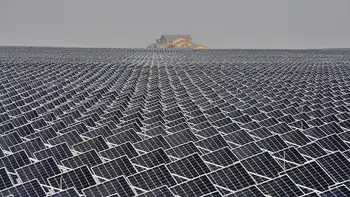
Revenue from Energy Storage for Microgrids to Total More Than $22 Billion in the Next Decade

Energy Storage for Microgrids enables renewables integration via ESS, boosting resilience and reliability while supporting solar PV and wind, innovative financing, and business models, with strong growth forecast across Asia-Pacific and North America.


Key Points

Systems that store energy in microgrids to integrate renewables, boost resilience, and optimize distributed power.

✅ Integrates solar PV and wind with stable, dispatchable output

✅ Reduces costs via new financing and service business models

✅ Expands reliable power for remote, grid-constrained regions


A new report from Navigant Research examines the global market for energy storage for microgrids (ESMG), providing an analysis of trends and market dynamics in the context of the evolving digital grid landscape, with forecasts for capacity and revenue that extend through 2026.

Interest in energy storage-enabled microgrids is growing alongside an increase in solar PV and wind deployments. Although not required for microgrids to operate, energy storage systems (ESSs) have emerged as an increasingly valuable component of distributed energy networks, including virtual power plants that coordinate distributed assets, because of their ability to effectively integrate renewable generation.

“There are several key drivers resulting in the growth of energy storage-enabled microgrids globally, including the desire to improve the resilience of power supply both for individual customers and the entire grid, the need to expand reliable electricity service to new areas, rising electricity prices, and innovations in business models and financing,” says Alex Eller, research analyst with Navigant Research. “Innovations in business models and financing will likely play a key role in the expansion of the ESMG market during the coming years.”

One example of microgrid deployment for resilience is the SDG&E microgrid in Ramona built to help communities prepare for peak wildfire season.

According to the report, the most successful companies in this industry will be those that can unlock the potential of new business models to reduce the risk and upfront costs to customers. This is particularly true in Asia Pacific and North America, which are projected to be the largest regional markets for new ESMG capacity by far, a trend underscored by California's push for grid-scale batteries to stabilize the grid.

The report, “Market Data: Energy Storage for Microgrids,” outlines the key market drivers and barriers within the global ESMG market. The study provides an analysis of specific trends, including evolving grid edge trends, and market dynamics for each major world region to illustrate how different markets are taking shape. Global ESMG forecasts for capacity and revenue, segmented by region, technology, and market segment, extend through 2026. The report also briefly examines the major technology issues related to ESSs for microgrids.

Google made energy storage news recently when its parent company Alphabet announced it is hoping to revolutionize renewable energy storage using vats of salt and antifreeze. Alphabet’s secretive research lab, simply named “X,” is developing a system for storing renewable energy that would otherwise be wasted. The project, named “Malta,” is hoping its energy storage systems “has the potential to last longer than lithium-ion batteries and compete on price with new hydroelectric plants and other existing clean energy storage methods, according to X executives and researchers,” reports Bloomberg.


Related News

View more

Ford Threatens to Cut U.S. Electricity Exports Amid Trade Tensions

Ontario Electricity Export Retaliation signals tariff-fueled trade tensions as Doug Ford leverages cross-border energy flows to the U.S., risking grid reliability, higher power prices, and escalating a Canada-U.S. trade war over protectionist policies.


Key Points

A policy threat by Ontario to cut power exports to U.S. states in response to tariffs, leveraging grid dependence.

✅ Powers about 1.5M U.S. homes in NY, MI, and MN

✅ Risks price spikes, shortages, and legal challenges

✅ Part of Canada's CAD 30B retaliatory tariff package


In a move that underscores the escalating trade tensions between Canada and the United States, Ontario Premier Doug Ford has threatened to halt electricity exports to U.S. states in retaliation for the Trump administration's recent tariffs. This bold stance highlights Ontario's significant role in powering regions across the U.S. and serves as a warning about the potential consequences of trade disputes.

The Leverage of Ontario's Electricity

Ontario's electricity exports are not merely supplementary; they are essential to the energy supply of several U.S. states. The province provides power to approximately 1.5 million homes in states such as New York, Michigan, and Minnesota, even as it eyes energy independence through domestic initiatives. This substantial export positions Ontario as a key player in the regional energy market, giving the province considerable leverage in trade negotiations.

Premier Ford's Ultimatum

Responding to the Trump administration's imposition of a 25% tariff on Canadian imports, Premier Ford, following a Washington meeting, declared, "If they want to play tough, we can play tough." He further emphasized his readiness to act, stating, "I’ll cut them off with a smile on my face." This rhetoric underscores Ontario's willingness to use its energy exports as a bargaining chip in the trade dispute.

Economic and Political Ramifications

The potential cessation of electricity exports to the U.S. would have profound economic implications. U.S. states that rely on Ontario's power could face energy shortages, leading to increased prices, particularly New York energy prices, and potential disruptions. Such an action would not only strain the energy supply but also escalate political tensions, potentially affecting other areas of bilateral cooperation.

Canada's Retaliatory Measures

Ontario's threat is part of a broader Canadian strategy to counteract U.S. tariffs. Prime Minister Justin Trudeau has announced retaliatory tariffs on U.S. goods worth approximately CAD 30 billion, targeting products such as food, textiles, and furniture. These measures aim to pressure the U.S. administration into reconsidering its trade policies.

The Risk of Escalation

While leveraging energy exports provides Ontario with a potent tool, it also carries significant risks, as experts warn against cutting Quebec's energy exports amid tariff tensions. Such actions could lead to a full-blown trade war, with both countries imposing tariffs and export restrictions. The resulting economic fallout could affect various sectors, from manufacturing to agriculture, and lead to job losses and increased consumer prices.

International Trade Relations

The dispute also raises questions about the stability of international trade agreements and the rules governing cross-border energy transactions. Both Canada and the U.S. are signatories to various trade agreements that promote the free flow of goods and services, including energy. Actions like export bans could violate these agreements and lead to legal challenges.

Public Sentiment and Nationalism

The trade tensions have sparked a surge in Canadian nationalism, with public sentiment largely supporting tariffs on energy and minerals as retaliatory measures. This sentiment is evident in actions such as boycotting American products and expressing discontent at public events. However, while national pride is a unifying force, it does not mitigate the potential economic hardships that may result from prolonged trade disputes.

The Path Forward

Navigating this complex situation requires careful diplomacy and negotiation. Both Canada and the U.S. must weigh the benefits of trade against the potential costs of escalating tensions. Engaging in dialogue, seeking compromise, and adhering to international trade laws are essential steps to prevent further deterioration of relations and to ensure the stability of both economies.

Ontario's threat to cut off electricity exports to the U.S. serves as a stark reminder of the interconnectedness of global trade and the potential consequences of protectionist policies. While such measures can be effective in drawing attention to grievances, they also risk significant economic and political fallout. As the situation develops, it will be crucial to monitor the responses of both governments and the impact on industries and consumers alike, including growing support for Canadian energy projects among stakeholders.


Related News

View more

Hydro One delivery rates go up

Hydro One Rate Hike reflects Ontario Energy Board approval for higher delivery charges, impacting seasonal customers more than residential classes, funding infrastructure upgrades like wood pole and transformer replacements across Ontario's medium-density service areas.


Key Points

The Hydro One rate hike is an OEB-approved delivery charge increase to fund upgrades, with impacts on seasonal users.

✅ OEB-approved delivery rate increases retroactive to 2018

✅ Seasonal customers see larger monthly bill impacts than residential

✅ Funds pole, transformer replacements and tree trimming work


Hydro One seasonal customers will face bigger increases in their bills than the utility's residential customers as a result of an Ontario Energy Board approval of a rate hike, a topic drawing attention from a utilities watchdog in other provinces as well.

Hydro One received permission to increase its delivery charge, as large projects like the Meaford hydro generation proposal are considered across Ontario, retroactive to last year.

It says it needs the money to maintain and upgrade its infrastructure, including efforts to adapt to climate change, much of which was installed in the 1950s.

The utility is notifying customers that new statements reflect higher delivery rates which were not charged in 2018 and the first half of this year, due to delay in receiving the OEB's permission, similar to delays that can follow an energy board recommendation in other jurisdictions.

The amount that customers' bills will increase by depends not only on how much electricity they use, but also on which rate class they belong to, as well as policy decisions affecting remote connections such as the First Nations electricity line in northern Ontario.

For seasonal customers such as summer cottage owners, the impact on a typical user's bill will be 2.9 per cent more per month for 2018, and 1.7 per cent per month for 2019.

There will be further increases of 1.0 per cent, 1.4 per cent and 1.1 per cent per month in 2020, 2021 and 2022 respectively. 

Typical residential customers will experience smaller increases or rate freezes over the same period.

In the residential medium density class, the rate changes are a 2.0 per cent increase for last year, a decrease of 0.5 per cent this year, and an increase of 0.5 per cent in 2021. There will be no increases in 2020 and 2022.


Seasonal Rate Class — Estimated bill impact per month

2018 - 2.9 %

2019 - 1.7%

2020 - 1.0%

2021 - 1.4%

2022 - 1.1%


Residential Medium Density Rate Class — Estimated bill impact per month

2018 - 2.0%

2019 - -0.5% decrease

2020 - 0.0%

2021 - 0.5%

2022 - 0.0%

A Hydro One spokesperson told tbnewswatch.com that over the next three years, the utility's upgrading plan includes reliability investments such as replacing more than 24,000 wood poles across the province as well as numerous transformers.

In the Thunder Bay area, the spokesperson said, some of the revenue generated by the higher delivery rates will cover the cost of replacing more than 180 poles and trimming hazardous trees around 3,200 kilometres of overhead power lines while sharing electrical safety tips with customers.


Related News

View more

Lump sum credit on electricity bills as soon as July

NL Hydro electricity credit delivers a one-time on-bill rebate from the rate stabilization fund, linked to oil prices and the Holyrood plant, via the Public Utilities Board, with payment deferrals and interest relief for customers.


Key Points

A one-time on-bill credit from the rate stabilization fund to cut power costs as oil prices remain low.

✅ One-time on-bill credit via the Public Utilities Board

✅ Funded by surplus in the rate stabilization fund

✅ Deferrals and 15 months interest assistance available


Most people who pay electricity bills will get a one-time credit as early as July.

The provincial government on Thursday outlined a new directive to the Public Utilities Board to provide a one-time credit for customers whose electricity rates are affected by the price of oil, part of an effort to shield ratepayers from Muskrat Falls overruns through recent agreements.

Electricity customers who are not a part of the Labrador interconnected system, including those using diesel on the north coast of Labrador, will receive the credit.

The credit, announced at a press conference Thursday morning, will come from the rate stabilization fund and comes as many customers have begun paying for Muskrat Falls on their bills, which has an estimated surplus of about $50 million because low oil prices mean NL Hydro has spent less on fuel for the Holyrood thermal generating station.

Normally a surplus would be paid out over a year, but customers this year will get the credit in a lump sum, as early as July, with the amount varying based on electricity usage.

"Given the difficult times many are finding themselves in, we believe an upfront, one-time on-bill credit would be much more helpful for customers than a small monthly decrease over the next 12 months," said Natural Resources Minister Siobhan Coady at the provincial government's announcement Thursday morning.

Premier Dwight Ball said with many households and businesses experiencing financial hardship, the one-time credit is meant to make life a little easier, noting that Nova Scotia's premier has urged regulators to reject a major hike elsewhere.

"We have requested that the board of commissioners of the Public Utilities Board, even as Nova Scotia's regulator approved a 14% increase recently, adopt a policy so that a credit will be dispersed immediately," Ball said.

"This is to help people when they need it the most.… We're doing what we can to support you."

The provincial government estimates someone whose power costs an average of $200 a month would get a one-time credit of about $130. Details of the plan will be left to the PUB.

Deferred payments allowed
Ball said the credit will make a "significant impact" on customers' July bills.

Both businesses and residential customers will also be able to defer payments, similar to Alberta's deferral program that shifted costs for unpaid bills, with up to $2.5 million in interest being waived on overdue accounts. Customers will be required to make agreed-upon monthly payments to their account, and there will be interest assistance for 15 months, beginning June 1.

Coady said customers can renegotiate their bills and defer payments, with the province picking up the tab for the interest.

"You can speak to a customer service agent and they will make accommodations, but you have to continue to make some version of a monthly payment," Coady

"The interest that may be accrued is going to be paid for by the provincial government, so if you're a business, a person, and you're having difficulty and you can't make what I would say is your normal payment, call your utility, make some arrangements."

Labrador's interconnected grid isn't affected by the price of oil, but those customers can take advantage of the interest relief.

Relief policies already put in place during the pandemic, like not disconnecting customers and providing options for more flexible bill payments, will continue, as utilities such as Hydro One reconnecting customers demonstrate in Ontario.

Credit not enough to support customers: PCs
While Ball said his government is doing what they can to help ratepayers, the opposition doesn't believe the announcement does enough to support those who need it.

Tony Wakeham, the Progressive Conservative MHA for Stephenville-Port au Port, said in a statement Thursday the credit simply gives people's money back to them, after the NL Consumer Advocate called an 18% rate hike unacceptable, and Newfoundland Power stands to benefit. 

"The Liberal government would like ratepayers to believe that they are getting electricity rate relief, but in reality, customers would have been entitled to receive the value of this credit anyway over a 12-month period. Furthermore, in providing a one-time credit, Newfoundland Power will also be able to collect an administrative fee, adding to their revenues," Wakeham said in the statement.

"People and businesses in this province are struggling to pay their utility bills, and the Liberal government should help them by putting extra money into their pockets, not by recycling an already existing program to the benefit of a large corporation."

Wakeham called on government to direct the PUB to lower Newfoundland Power's guaranteed rate of return to give cash refunds to customers, and for Newfoundland Power to waive its fees.


Related News

View more

Philippines Ranks Highest in Coal-Generated Power Dependency

Philippines coal dependency underscores energy transition challenges, climate change risks, and air pollution, as rising electricity demand, fossil fuels, and emissions shape policy shifts toward renewable energy, grid reliability, and sustainable development.


Key Points

It is rising reliance on coal for power, driven by demand and cost, with climate, air pollution, and policy risks.

✅ Driven by rising demand, affordability, and grid reliability.

✅ Worsens emissions, air pollution, and public health burdens.

✅ Policy shifts aim at renewable energy, efficiency, and standards.


In a striking development, the Philippines has surpassed China and Indonesia to become the nation most dependent on coal-generated power in recent years. This shift highlights significant implications for the country's energy strategy, environmental policies, and its commitment to sustainable development, and comes as global power demand continues to surge worldwide.

Rising Dependency on Coal

The Philippines' increasing reliance on coal-generated power is driven by several factors, including rapid economic growth, rising electricity demand, and regional uncertainties in China's electricity sector that influence fuel markets, and the perceived affordability and reliability of coal as an energy source. Coal has historically been a key component of the Philippines' energy mix, providing a stable supply of electricity to support industrialization and urbanization efforts.

Environmental and Health Impacts

Despite its economic benefits, coal-generated power comes with significant environmental and health costs, especially as soaring electricity and coal use amplifies exposure to pollution. Coal combustion releases greenhouse gases such as carbon dioxide, contributing to global warming and climate change. Additionally, coal-fired power plants emit pollutants such as sulfur dioxide, nitrogen oxides, and particulate matter, which pose health risks to nearby communities and degrade air quality.

Policy and Regulatory Landscape

The Philippines' energy policies have evolved to address the challenges posed by coal dependency while promoting sustainable alternatives. The government has introduced initiatives to encourage renewable energy development, improve energy efficiency, and, alongside stricter emissions standards on coal-fired power plants, is evaluating nuclear power for inclusion in the energy mix to meet future demand. However, balancing economic growth with environmental protection remains a complex and ongoing challenge.

International and Domestic Pressures

Internationally, there is growing pressure on countries to reduce reliance on fossil fuels and transition towards cleaner energy sources as part of global climate commitments under the Paris Agreement, illustrated by the United Kingdom's plan to end coal power within its grid. The Philippines' status as the most coal-dependent nation underscores the urgency for policymakers to accelerate the shift towards renewable energy and reduce carbon emissions to mitigate climate impacts.

Challenges and Opportunities

Transitioning away from coal-generated power presents both challenges and opportunities for the Philippines. Challenges include overcoming entrenched interests in the coal industry, addressing energy security concerns, and navigating the economic implications of energy transition, particularly as clean energy investment in developing nations has recently declined, adding financial headwinds. However, embracing renewable energy offers opportunities to diversify the energy mix, reduce dependence on imported fuels, create green jobs, and improve energy access in remote areas.

Community and Stakeholder Engagement

Engaging communities and stakeholders is crucial in shaping the Philippines' energy transition strategy. Local residents, environmental advocates, industry leaders, and policymakers play essential roles in fostering dialogue, raising awareness about the benefits of renewable energy, and advocating for policies that promote sustainable development and protect public health.

Future Outlook

The Philippines' path towards reducing coal dependency and advancing renewable energy is critical to achieving long-term sustainability and resilience against climate change impacts. By investing in renewable energy infrastructure, enhancing energy efficiency measures, and fostering innovation in clean technologies, as renewables poised to eclipse coal indicate broader momentum, the country can mitigate environmental risks, improve energy security, and contribute to global efforts to combat climate change.

Conclusion

As the Philippines surpasses China and Indonesia in coal-generated power dependency, the nation faces pivotal decisions regarding its energy future. Balancing economic growth with environmental stewardship requires strategic investments in renewable energy, robust policy frameworks, and proactive engagement with stakeholders to achieve a sustainable and resilient energy system. By prioritizing clean energy solutions, the Philippines can pave the way towards a greener and more sustainable future for generations to come.


Related News

View more

Clean energy jobs energize Pennsylvania: Clean Energy Employment Report

Pennsylvania Clean Energy Employment surges, highlighting workforce growth in energy efficiency, solar, wind, grid and storage, and alternative transportation, supporting COVID-19 recovery, high-wage jobs, manufacturing, construction, and statewide economic resilience.


Key Points

Jobs across clean power, efficiency, grid, storage, and advanced transport fueling Pennsylvania's workforce growth.

✅ 8.7% job growth from 2017-2019, outpacing statewide average

✅ 97,000+ employed across efficiency, solar, wind, grid, and fuels

✅ 75% earn above median; strong full-time opportunities


The 2020 Pennsylvania Clean Energy Employment Report has been released, and Gov. Tom Wolf is energized by it.

This "comes at an opportune time, as government and industry leaders look to strengthen Pennsylvania's workforce and economy in response to the challenges of the COVID-19 pandemic," Wolf said Monday in a prepared statement. "This detailed analysis of data and trends in clean energy employment ... demonstrates the sector was a top job generator statewide, and shows which industries were hiring and looking for trained workers."

Foremost among the findings, released Monday, is that the clean energy sector was responsible for adding 7,794 jobs from 2017 through 2019. That is an 8.7% average job growth rate, well above the 1.9% overall average in the state, according to a news release from Wolf's office.

This report lists employment data in five industries: energy efficiency; clean energy generation; alternative transportation; clean grid and storage; and clean fuels, while some cleaner states still import dirty electricity in regional markets.

The energy efficiency industry was the biggest clean energy employer in the state last year, with more than 71,400 state residents working in construction, technology and manufacturing jobs related to energy-efficient systems.

Solar energy workers comprised the largest share of the clean energy generation workforce – 35.4%, or 5,173 individuals. Solar employment increased 8.3% from 2017 to 2019, while there was a slight decline nationwide amid clean energy job losses reported in May.

Wind energy firms employed 2,937, and policy moves such as Ontario's clean electricity regulations signal broader market shifts, with more than 21% of those roles in manufacturing.

Job losses, though, were recorded in nuclear generation (minus 4.5%) and coal generation (minus 8.6%) over the two-year period, as electricity deregulation remains a point of debate in the sector. This mirrors national declines in both categories.

Federal efforts to support coal community revitalization are channeling clean energy projects to hard-hit regions.

Natural gas electric generation capacity doubled across Pennsylvania over the past decade; even as residents could face winter electricity price increases according to recent reports, employment still grew 13.4% from 2017 through 2019. But increasing output from unconventional wells has outpaced demand, sparking reductions in siting and drilling for new wells.

The Clean Energy Employment Report was released along with – and as part of – the 2020 Pennsylvania Energy Employment Report, which asserts that energy remains a large employer in the state, and new clean energy funding announcements underscore the sector's momentum. As of the last quarter of 2019, according to the larger report, energy accounted for 269,031 jobs, or 4.5% of the overall statewide workforce.

Wolf, in summary, said: "This report shows that workforce training investment decisions can benefit Pennsylvanians right now and position the state going forward to grow and improve livelihoods, the economy and our environment."


Related News

View more

Sign Up for Electricity Forum’s Newsletter

Stay informed with our FREE Newsletter — get the latest news, breakthrough technologies, and expert insights, delivered straight to your inbox.

Electricity Today T&D Magazine Subscribe for FREE

Stay informed with the latest T&D policies and technologies.
  • Timely insights from industry experts
  • Practical solutions T&D engineers
  • Free access to every issue

Live Online & In-person Group Training

Advantages To Instructor-Led Training – Instructor-Led Course, Customized Training, Multiple Locations, Economical, CEU Credits, Course Discounts.

Request For Quotation

Whether you would prefer Live Online or In-Person instruction, our electrical training courses can be tailored to meet your company's specific requirements and delivered to your employees in one location or at various locations.