Substation Relay Protection Training
Our customized live online or in‑person group training can be delivered to your staff at your location.
- Live Online
- 12 hours Instructor-led
- Group Training Available
Regular Price:
$699
Coupon Price:
$599
HALIFAX
—
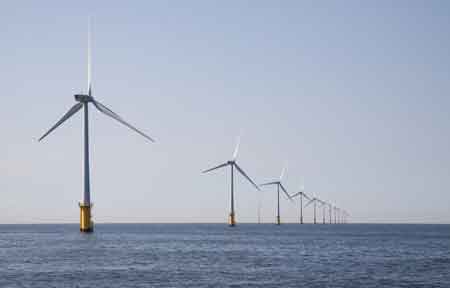
Nova Scotia is advancing offshore wind plans to meet rising electricity demand at home while positioning the province as a clean power supplier to northeastern U.S. markets through future export agreements and expanded cross-border transmission connections.
Nova Scotia is advancing ambitious offshore wind plans that could transform the province into a major clean electricity supplier for both domestic consumers and U.S. markets, signaling a new chapter in Atlantic Canada’s energy strategy. This push builds on a broader shift toward clean generation already underway in the province, where expanding renewable capacity is reshaping the electricity mix, as outlined in Nova Scotia renewables increase.
At A Glance
• Offshore wind development is moving toward large-scale
• Export markets in the northeastern U.S. are a central focus
• Transmission capacity remains a key challenge
Offshore Wind as a Strategic Resource
Provincial officials have outlined plans to designate offshore wind lease areas capable of supporting multiple gigawatts of generation. The province’s coastal wind resources are among the strongest in North America, making offshore wind an attractive option for large-scale electricity production. These provincial ambitions align with a wider national discussion around offshore wind development as a long-term pillar of Canada’s electricity system, explored in Canada offshore wind.
Energy planners see offshore wind as a way to diversify the electricity mix while supporting long-term economic development. Unlike onshore projects, offshore wind offers higher and more consistent capacity factors, improving system planning and revenue stability.
Export Ambitions and U.S. Demand
Nova Scotia’s offshore wind strategy is closely tied to export potential. Northeastern U.S. states continue to seek clean electricity sources to meet emissions targets and stabilize power supplies. Canadian offshore wind offers geographic proximity, political stability, and strong wind performance.
Provincial leaders have emphasized that export agreements would be structured to ensure domestic electricity needs are met first, while excess generation supports long-term power purchase arrangements with U.S. utilities.
Transmission and Grid Integration Challenges
Moving offshore wind power to export markets will require significant transmission upgrades. Existing grid connections have limited capacity and were not designed for multi-gigawatt exports. Integrating large volumes of offshore generation will also depend on advanced grid management and control systems, an area of growing focus for utilities as described in NS Power software.
Energy officials are evaluating options such as subsea cables, upgraded interprovincial connections, and integration with broader North American transmission corridors. These investments are seen as essential for turning offshore wind potential into export reality.
Economic and Workforce Impacts
Beyond electricity supply, offshore wind development is expected to support jobs in construction, marine services, manufacturing, and long-term operations. Port infrastructure upgrades and supply chain development are already being discussed as part of the broader strategy.
For Nova Scotia, offshore wind represents both an energy opportunity and an economic development pathway, while also raising broader questions about how Canada balances domestic supply, exports, and long-term grid resilience, themes examined in Canada electricity future.
Related News

Spain plans switch to 100% renewable electricity by 2050
Spain 2050 Renewable Energy Plan drives decarbonisation with wind and solar, energy efficiency, fossil fuel…
View more

International Atomic Energy Agency agency commends China's nuclear security
IAEA Nuclear Security Mission in China reviews regulatory frameworks, physical protection, and compliance at nuclear…
View more
Energy Vault Secures $28M for California Green Hydrogen Microgrid
Calistoga Resiliency Centre Microgrid delivers grid resilience via green hydrogen and BESS, providing island-mode backup…
View more
Atlantica - Regulatory Reform To Bring Greener Power To Atlantic Canada
Atlantic Canada Energy Regulatory Reform accelerates smart grids, renewables, hydrogen, and small modular reactors to…
View more

Alberta shift from coal to cleaner energy
Alberta Coal-to-Gas Transition will retire coal units, convert plants to natural gas, boost renewables, and…
View more
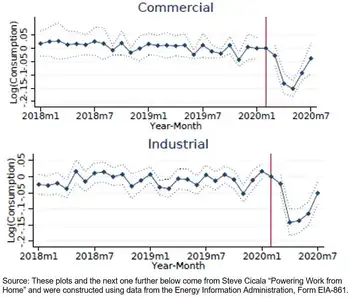
Four Facts about Covid and U.S. Electricity Consumption
COVID-19 Impact on U.S. Electricity Consumption shows commercial and industrial demand dropped as residential use…
View more
Sign Up for Electricity Forum’s Newsletter
Stay informed with our FREE Newsletter — get the latest news, breakthrough technologies, and expert insights, delivered straight to your inbox.
Electricity Today T&D Magazine Subscribe for FREE

Stay informed with the latest T&D policies and technologies.
- Timely insights from industry experts
- Practical solutions T&D engineers
- Free access to every issue
