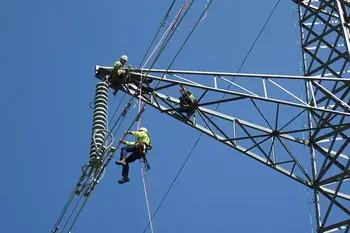
Testing Conditions and Guidelines for Personal Fall Protection Systems
By U.S. Department of Labor Occupational Safety & Health Administration
By U.S. Department of Labor Occupational Safety & Health Administration
Request for Quotation Service
Buyers Submit Free RFQs to top suppliers, no obligation.
Suppliers Browse real project RFQs directly from buyers.
Trust Electricity Forum 40 years connection buyers and suppliers.
Personal Fall Protection Systems mitigate falls via fall arrest and restraint using safety harnesses, lanyards, lifelines, and anchor points, supporting OSHA compliance, PPE best practices, and safe access on roofs, scaffolds, and elevated work platforms.
1. PERSONAL FALL ARREST SYSTEMS
(A) GENERAL TEST CONDITIONS
For crews working at height, supplementary practices outlined in the fall protection for linemen resource can help align training with these general test conditions.
Stay informed with our FREE Lineman Safety Newsletter — get the latest news, breakthrough technologies, and expert insights, delivered straight to your inbox.
(B) STRENGTH TEST
When planning documentation of these results, cross-referencing standardized methods from power cable test programs can improve traceability and record keeping.
Facilities that route conductors near test areas should secure them with cable cleats to reduce snag hazards around anchors and drop zones.
(C) FORCE TEST GENERAL. THE TEST CONSISTS OF DROPPING THE RESPECTIVE TEST
WEIGHT ONCE. A NEW, UNUSED SYSTEM SHOULD BE USED FOR EACH TEST
Technicians should also review safe setup, handling, and verification practices detailed in cable handling and testing procedures to maintain consistency during force measurements.

Where electrical systems are present near test rigs, incorporating checks informed by line leakage testing guidelines can mitigate inadvertent shock exposure.
(D) DECELERATION DEVICE TESTS - GENERAL. THE DEVICE SHOULD BE EVALUATED
OR TESTED UNDER THE ENVIRONMENTAL CONDITIONS (SUCH AS RAIN, ICE,
GREASE, DIRT, TYPE OF LIFELINE, ETC.) FOR WHICH THE DEVICE IS DESIGNED
Because weather and transient overvoltage events can influence device performance, coordinating with lightning protection strategies supports safer operations during storms.
2. POSITIONING DEVICE SYSTEMS
(A) TEST CONDITIONS
In industrial settings, maintaining clear fall zones around trays and supports is aided by the disciplined installation of cable in cable trays practices that minimize clutter near anchors.
Advantages To Instructor-Led Training – Instructor-Led Course, Customized Training, Multiple Locations, Economical, CEU Credits, Course Discounts.
Request For QuotationWhether you would prefer Live Online or In-Person instruction, our electrical training courses can be tailored to meet your company's specific requirements and delivered to your employees in one location or at various locations.