Latest Vision AI, Inspection & Field Intelligence Articles
AI Wildfire Detection for Power Line Fire Risk
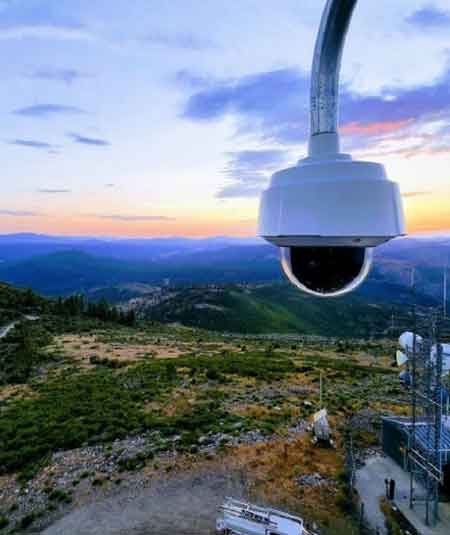
AI wildfire detection uses camera networks, thermal imaging, satellite data, and weather sensors to identify smoke, heat, and ignition risk near power lines, helping utilities reduce wildfire exposure, speed dispatch, and protect grid reliability.
Artificial intelligence wildfire detection uses computer vision, thermal sensing, environmental telemetry, and geospatial analytics to identify wildfire ignition risk near utility assets before a small event becomes a system emergency.
For utilities, the challenge is recognizing smoke, heat, or abnormal conditions near transmission corridors and distribution rights of way fast enough to support a field decision. In high risk terrain, delayed confirmation can turn a local…
View more
Sign Up for Electricity Forum’s Vision AI, Inspection & Field Intelligence Newsletter
Stay informed with our FREE Vision AI, Inspection & Field Intelligence Newsletter — get the latest news, breakthrough technologies, and expert insights, delivered straight to your inbox.
Aerial Utility Inspection for Power Grid Assessment
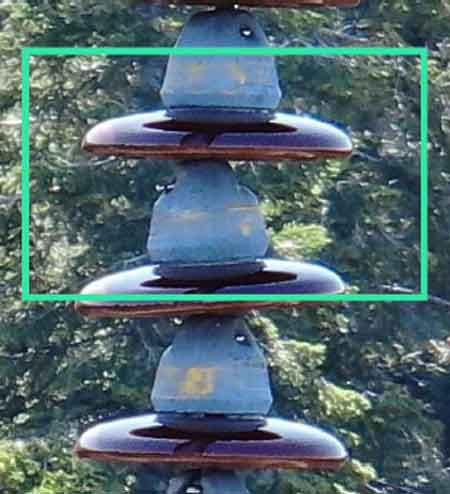
Aerial utility inspection is the process of evaluating transmission lines, distribution systems, substations, and vegetation corridors using helicopters, fixed wing aircraft, drones, LiDAR, and thermal imaging systems to assess asset condition, detect faults, and manage infrastructure risk across large electric power grid service territories. These inspections combine visual imaging, distance measurement, and thermal analysis to identify structural damage, clearance violations, and equipment deterioration that affect system reliability and safety.
For utility operations teams, aerial inspection solves a fundamental scale problem. Transmission corridors can extend hundreds of kilometers across mountainous terrain, forests, agricultural land, and urban environments where ground access is…
View more
Power Line Monitoring System for Continuous Grid Visibility
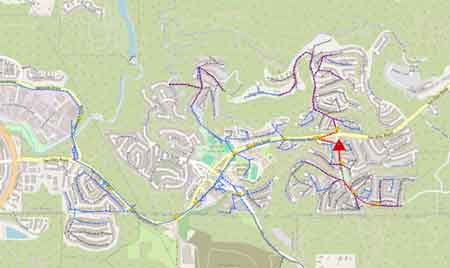
A power line monitoring system uses line sensors, fault-indicator communication, current and voltage monitoring, sag and temperature sensors, communication networks, and analytics software to provide utilities with continuous visibility into feeder conditions, enabling faster fault detection and improved grid reliability.
This monitoring technology allows utilities to observe electrical conditions along distribution and transmission circuits using sensors installed directly on conductors and feeder structures. The devices measure current flow, voltage levels, conductor temperature, and line behavior so operators can understand how circuits are performing while they remain energized.
Traditional awareness of feeder conditions relied largely on substation telemetry and customer outage…
View more
Aerial Power Line Inspection for Overhead Grid Monitoring
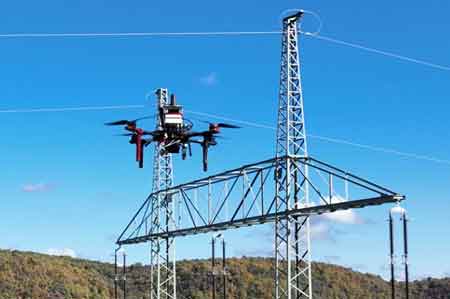
Aerial power line inspection allows utilities to assess the condition of conductors, insulators, and hardware, as well as vegetation risk, using aircraft, drones, and imaging sensors, improving asset monitoring, maintenance planning, and grid reliability across overhead transmission and distribution networks.
This inspection method allows utilities to evaluate the condition of overhead conductors, insulators, structures, and surrounding vegetation without requiring field crews to physically access every span of a distribution or transmission line.
In modern distribution networks, visual observation alone is no longer sufficient to maintain system reliability. Utilities must use aerial power line inspection to monitor thousands of kilometers of…
View more
Power Grid Monitoring Systems for Utility Network Visibility
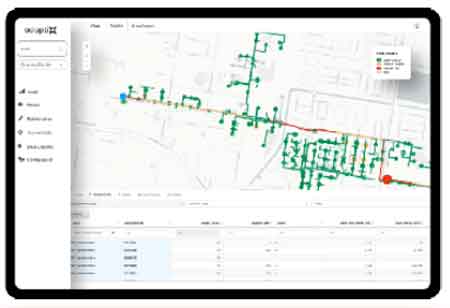
Power grid monitoring systems use sensors, SCADA platforms, phasor measurement units, and analytics software to track grid conditions in real time. Utilities monitor voltage, current, asset health, and faults across transmission and distribution networks to improve reliability and operational awareness.
Power grid monitoring systems provide utilities with continuous awareness of electrical conditions across transmission lines, substations, feeders, and distribution infrastructure. Instead of periodic inspection programs that visually assess assets, monitoring systems operate continuously by collecting electrical measurements from sensors and digital devices deployed throughout the network.
Utilities depend on this continuous monitoring capability because electrical conditions can change rapidly. Voltage…
View more
Drone Power Line Inspection for Utility Wildfire Mitigation
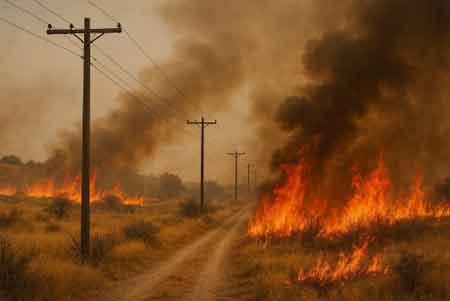
Drone power line inspection uses UAV imagery, thermal sensors, and close visual review to detect conductor damage, hardware defects, vegetation encroachment, and wildfire exposure on overhead distribution feeders before failures escalate.
Drone power line inspection uses unmanned aircraft systems to examine overhead conductors, poles, insulators, crossarms, cutouts, and surrounding vegetation at a level of detail that traditional ground patrols cannot consistently achieve. For electric utilities, the value is not simply improved imagery but improved operational judgment about which feeder sections carry the highest reliability or wildfire exposure.
Distribution circuits often run through narrow rights-of-way where aging infrastructure, vegetation growth, and…
View more
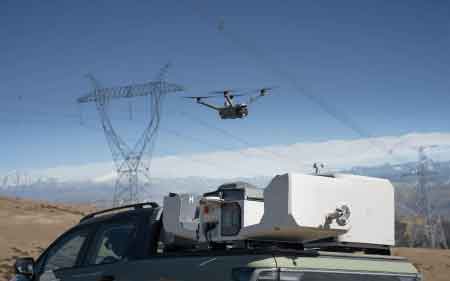
Drone Utility Inspection for Grid Asset Intelligence
Drone utility inspection is the use of unmanned aerial systems (UAS) and inspection drones to inspect power lines, substations, towers, vegetation corridors, and other grid infrastructure so utilities can assess asset condition without sending crews into hazardous locations.
Drone utility inspection helps utilities evaluate infrastructure that is too dispersed, too elevated, or too hazardous to assess efficiently with ground patrols alone. The inspection scope extends beyond a single line segment and includes substations, transmission structures, distribution poles, vegetation corridors, and storm damaged assets across wide service territories.
For utility operations teams, the value lies in the ability to gather inspection…
View more