CSA Z462 Arc Flash Training - Electrical Safety Compliance
Our customized live online or in‑person group training can be delivered to your staff at your location.

- Live Online
- 6 hours Instructor-led
- Group Training Available
Regular Price:
$249
Coupon Price:
$199
LONDON
—
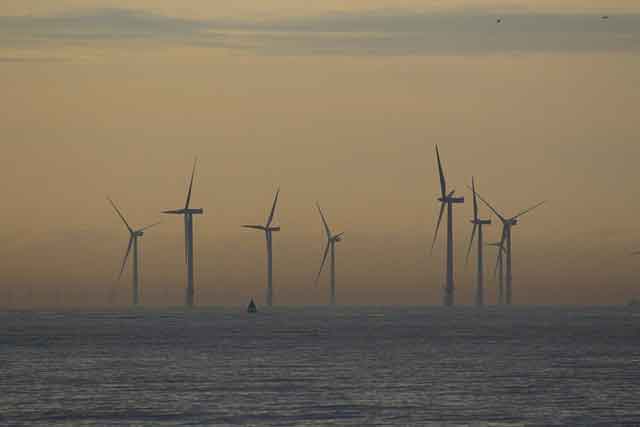
Non-Standard Interconnectors are the focus of an Ofgem consultation covering delivery timelines and incentives for LionLink and Nautilus, proposed offshore wind transmission links connecting Britain with the Netherlands and Belgium electricity markets.
Summary
-
Consultation covers delivery timelines and incentives.
-
LionLink would connect Britain and the Netherlands.
-
Nautilus would link Britain and Belgium.
-
Projects combine offshore wind transmission and interconnection.
-
LionLink is proposed at 1.8 GW; Nautilus at 1.4 GW.
Non-Standard Interconnectors are the subject of a new consultation on the delivery framework for LionLink and Nautilus, two proposed offshore projects intended to combine wind-power transmission with cross-border electricity interconnection. The consultation focuses on the timelines and incentives that would apply as the projects advance under a new infrastructure category.
LionLink is proposed as a 1.8 GW connection between Britain and the Netherlands. Nautilus is proposed as a 1.4 GW connection between Britain and Belgium. Both projects are being progressed as Non-Standard Interconnectors, a model designed to bring together offshore wind transmission from a connected country and an interconnector between that country's electricity market and Britain.
The proposed arrangements place delivery considerations at the center of the consultation. Timelines and incentives can materially affect how complex offshore transmission assets are planned and delivered, particularly where generation-related infrastructure and international market connections are intended to operate as part of the same project. The discussion arrives amid broader interest in Hydro Quebec Nova Scotia Offshore Wind Rfi developments involving offshore energy planning.
For LionLink, the proposed Britain-Netherlands route would pair an electricity-market connection with offshore wind transmission. That combination distinguishes the project from a conventional stand-alone interconnector and makes the delivery rules especially important. The proposed framework also has relevance to the policy issues addressed in Dutch Electricity Market Consultation Eu Review, including the relationship between market design and cross-border power flows.
Nautilus would apply the same Non-Standard Interconnector approach to a proposed Britain-Belgium connection. The consultation provides an opportunity to consider how the delivery timetable and incentive arrangements should be structured for this type of combined offshore asset. Transmission development remains a central issue across the sector, as reflected in Hydro One 500 Kv Transmission Projects Oeb Filings, where large network projects also require defined regulatory processes.
By consulting on both projects together, the regulator is addressing the first proposed applications of the Non-Standard Interconnector model. The outcome will help establish the delivery conditions for LionLink and Nautilus as they move through their next stages. It also adds to ongoing attention on Uk Transmission Investment Nao Grid Upgrades and the wider challenge of building infrastructure that supports evolving electricity systems.
The consultation underscores the role of regulatory design in projects that span offshore generation, transmission infrastructure and international power markets. As cross-border energy assets become more closely connected to offshore wind development, questions over delivery schedules and incentives will remain significant. The subject also aligns with issues considered in Eu Grids Package Ireland Permitting Cross Border, where cross-border grid development and permitting are similarly important.
Related News
Related News

U.S. Nonprofit Invests $250M in Electric Trucks for California Ports
California Ports Electric Truck Leasing accelerates zero-emission logistics, cutting diesel pollution at Los Angeles and…
View more

Russians hacked into US electric utilities: 6 essential reads
U.S. power grid cyberattacks expose critical infrastructure to Russian hackers, DHS warns, targeting SCADA, smart…
View more
Canada’s Opportunity in the Global Electricity Market
Canada Clean Electricity Exports leverage hydroelectric power, energy storage, and transmission interconnections to meet rising…
View more

States Move to Restrict Data Center Growth as Grid and Utility Concerns Mount
A growing number of U.S. states are moving to slow or block new data center…
View more

Massachusetts Begins Wide Smart Meter Rollout to Modernize Grid and Billing
Massachusetts Smart Meter Rollout delivers near real-time usage data, supports time-of-use rates, and advances grid…
View more
Power Outage in Northeast D.C.
Northeast D.C. Power Outage highlights Pepco substation equipment failure, widespread service disruptions, grid reliability concerns,…
View more
Sign Up for Electricity Forum’s Newsletter
Stay informed with our FREE Newsletter — get the latest news, breakthrough technologies, and expert insights, delivered straight to your inbox.
Electricity Today T&D Magazine Subscribe for FREE

Stay informed with the latest T&D policies and technologies.
- Timely insights from industry experts
- Practical solutions T&D engineers
- Free access to every issue
