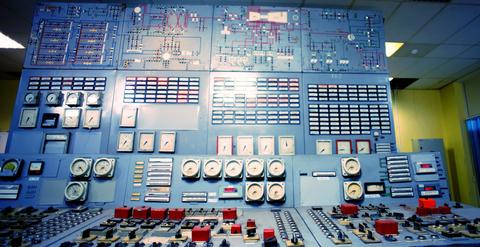
Substation Relay Protection Training
Our customized live online or in‑person group training can be delivered to your staff at your location.
- Live Online
- 12 hours Instructor-led
- Group Training Available
Regular Price:
$699
Coupon Price:
$599
TORONTO
—
Ontario Grid Connection Risks are emerging as demand growth drives generation, transmission, storage and data-centre projects, exposing commissioning schedules to transformer shortages, regulatory sequencing, delayed grid access and uninsured financial pressure.
In This Story
-
Ontario demand growth is accelerating generation and grid build-outs.
-
Connection delays can leave completed projects without operating revenue.
-
Equipment lead times and uninsured delays raise financial exposure.
Ontario's electricity build-out is creating a new set of risks for generation, transmission and storage projects as electricity demand is expected to rise sharply through 2050. Growth in data centres, industrial activity, electric vehicle adoption, population and electrification is driving a substantial pipeline of projects that will need financing, approvals, equipment and timely access to the power system.
The scale of the build-out means developers, asset owners and engineering, procurement and construction contractors will be advancing multiple projects through planning, permitting and construction at the same time. The Toronto demand future discussion reflects why projected load growth must be considered alongside the practical requirements for bringing new supply online.
A central exposure is the grid connection gap: the period after a generating facility has been physically completed, tested and commissioned but before it receives final connection and can begin commercial operation. During this interval, a project may be undamaged and ready to operate, yet still be unable to earn revenue while financing, carrying and other ongoing costs continue.
Connection timing is becoming more consequential as Ontario manages access for large, power-intensive operations. The analysis says that regulatory sequencing, system stability considerations and economic factors can affect when projects obtain access. For major facilities, the Toronto electricity needs issue is therefore not only one of adequate capacity, but also of whether new projects can connect on schedules assumed in construction and financing plans.
Supply-chain constraints can make that scheduling challenge harder to absorb. Large power transformers, high-voltage switchgear and gas turbines remain critical to commissioning, but manufacturing limits, concentrated global supply and long delivery times can disrupt a project's critical path. The analysis notes that some transformers can require more than 160 weeks to deliver. If a key component arrives late, testing and commissioning can slip, potentially causing a project to miss an available connection window and wait months for another opportunity.
That risk has important insurance implications. Builder's risk generally addresses physical loss or damage during construction, while delay in start-up coverage, also known as advanced loss of profits, typically responds when an insured physical loss delays operations. A supplier backlog, manufacturing delay or missed grid connection without physical damage may fall outside that trigger. The Ontario grid modernization supply chain efc advocacy topic underscores the need to assess equipment dependencies before schedules become difficult to recover.
Project participants are being urged to examine milestone obligations, the longest-lead equipment dependencies, delay responsibilities under EPC contracts and the suitability of insurance waiting periods. They also need to confirm whether coverage, contractual allocation and business interruption provisions address the actual exposures facing each project. The Canadian harsh weather grid impact and Canada us electricity trade adapts perspectives further show why grid planning must account for interconnected operational pressures.
For Ontario's expanding electricity sector, early attention to connection agreements, procurement terms, recovery timelines and coverage structure could help limit the financial consequences of a project that is complete but still unable to enter service.
Related News
Related News
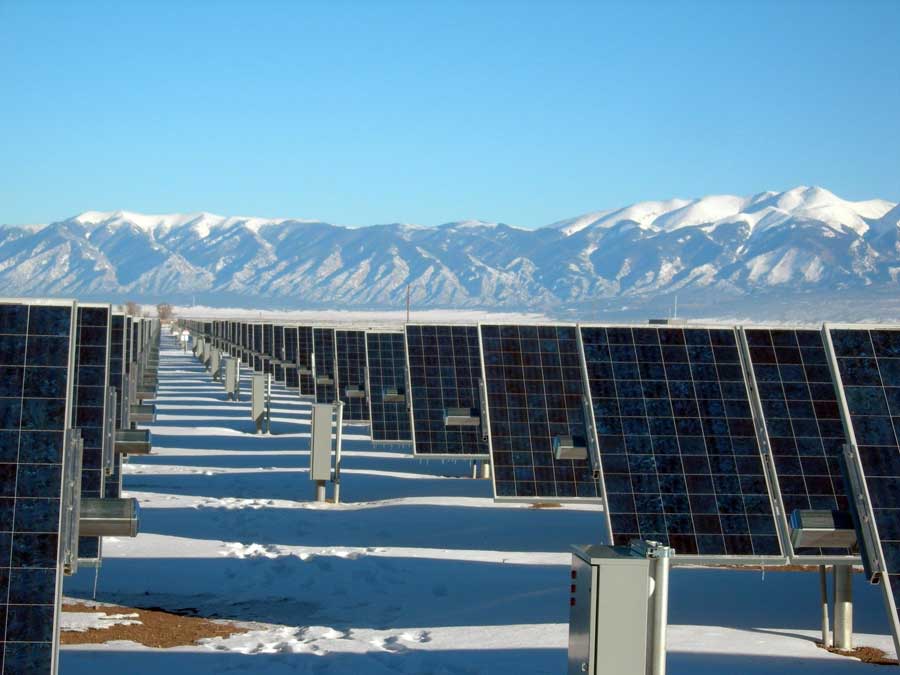
European Solar Conference Highlights AI Tools to Tackle Grid Congestion
EUPVSEC Grid Congestion brought AI, solar curtailment, inverter data and renewable integration to Rotterdam, where…
View more
EU Plans Data Center Efficiency Ratings to Ease Pressure on Power Grids
EU data center ratings would give operators resource transparency on energy use, water efficiency, grid…
View more

Advanced Technologies Drive Grid Hardening and Smart Grid Resilience
Grid Hardening Technologies are reshaping the smart grid as utilities deploy AI, sensors, automation, and…
View more
Florida Power & Light Faces Controversy Over Hurricane Rate Surcharge
FPL Hurricane Surcharge explained: restoration costs, Florida PSC review, rate impacts, grid resilience, and transparency…
View more

DOE Names Feeder of the Future Winners to Advance Smart Grid Tech
Feeder of the Future Prize recognizes nine teams advancing smart grid distribution feeders, resilience, automation,…
View more
Illinois electric utility publishes online map of potential solar capacity
ComEd Hosting Capacity Map helps Illinois communities assess photovoltaic capacity, distributed energy resources, interconnection limits,…
View more
Sign Up for Electricity Forum’s Newsletter
Stay informed with our FREE Newsletter — get the latest news, breakthrough technologies, and expert insights, delivered straight to your inbox.
Electricity Today T&D Magazine Subscribe for FREE

Stay informed with the latest T&D policies and technologies.
- Timely insights from industry experts
- Practical solutions T&D engineers
- Free access to every issue
