Consortium Buys Emirates Power Plant

By Reuters


High Voltage Maintenance Training Online

Our customized live online or in‑person group training can be delivered to your staff at your location.

  • Live Online
  • 12 hours Instructor-led
  • Group Training Available
Regular Price:
$599
Coupon Price:
$499
Reserve Your Seat Today
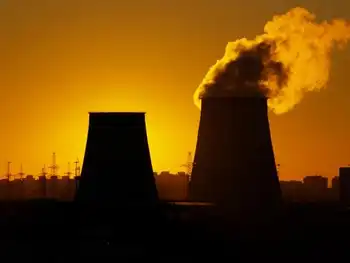
Electricity company International Power joined forces with two Japanese companies yesterday to buy a 40 per cent stake in a United Arab Emirates power and water plant from the Abu Dhabi Electricity and Water Authority.

The move is the latest in a string of large infrastructure schemes in the financially sounder countries in the Middle East where a growing population is increasing the need for better water and sewage systems.

The consortium, led by the British firm and including Tokyo Electric Power Company (TEPCO) and Mitsui & Co, has signed agreements to expand the plant and sell the entire power and water output to the Abu Dhabi Water and Electricity Company (ADWEC) under a 23-year deal.

The cost of the project, which will involve developing a new power and water plant alongside the existing facility, will amount to some pounds 1.3 billion, International Power said.

The consortium will contribute a maximum of pounds 112 million, with the remainder funded by debt and cash inflow from the existing plant.

The equity investment will be divided up according to the ratio of interest in the consortium.

Hence, the British firm, which owns 50 per cent, will make a maximum investment of pounds 56 million.

TEPCO owns 35 per cent of the consortium, and Mitsui owns 15 per cent.

The remaining 60 per cent ownership interest in the plant will continue to be held indirectly by the Abu Dhabi Electricity and Water Authority, International Power said.

Japan's fifth-largest trading house, Marubeni Corp, and major builder Taisei Corp last July won a similar order worth pounds 531 million to build pipelines and pumping stations for a major power and water plant in the UAE.

International Power's shares closed up 2p at 97.25p on yesterday's stock market.

Related News
Imported coal volumes up 17% during Apr-Oct as domestic supplies shrink

India Thermal Power Coal Imports surged 17.6% as CEA-monitored plants offset weaker CIL and SCCL supplies, driven by Saubhagya-led electricity demand, regional power deficits, and varied consumption across Uttar Pradesh, Bihar, Maharashtra, and Gujarat.


Key Points

Fuel volumes imported for Indian thermal plants, tracked by CEA, reflecting shifts in CIL/SCCL supply, demand, and regional power deficits.

✅ Imports up 17.6% as domestic CIL/SCCL deliveries lag targets

✅ Saubhagya-driven demand lifts generation in key beneficiary states

✅ Industrial slowdowns cut usage in Maharashtra, Tamil Nadu, Gujarat


The receipt of imported coal by thermal power plants, where plant load factors have risen, has shot up by 17.6 per cent during April-October. The coal import volumes refer to the power plants monitored by the Central Electricity Authority (CEA), and come amid moves to ration coal supplies as electricity demand surges, a power update report from CARE Ratings showed.

Imports escalated as domestic supplies by Coal India Ltd (CIL) and another state run producer- Singareni Collieries Company Ltd (SCCL) dipped in the period, after earlier shortages that have since eased in later months. Rate of supplies by the two coal companies to the CEA monitored power stations stood at 80.4 per cent, indicating a shortfall of 19.6 per cent against the allocated quantity.

According to the study by CARE Ratings, total coal supplied by CIL and SCCL to the power sector stood at 315.9 million tonnes (mt) during April-October as against 328.5 mt in the comparable period of last fiscal year.

The study noted that growth in power generation during the April-October 2019, with India now the third-largest electricity producer globally, was on account of higher demand from Pradhan Mantri Sahaj Bijli Har Ghar Yojana or Saubhagya Scheme beneficiary states. Providing connection to households in order to achieve 100% per cent electrification has in part helped the sector avert de-growth, as part of efforts to rewire Indian electricity and expand access.

Large states namely Uttar Pradesh, Bihar, Punjab, West Bengal and Rajasthan have recorded over five per cent growth in consumption of power. These states along with Odisha, Madhya Pradesh and Assam accounted for 75 per cent of the beneficiaries under the Saubhagya Scheme (Household Electrification Scheme). The ongoing economic downturn has led to a sharp fall in electricity demand from industrialised states. Maharashtra, which is also the largest power consuming state in India, recorded a decline in consumption of 5.6 per cent.

Other states namely Tamil Nadu, Telangana, Gujarat and Odisha too recorded fall in power consumed, echoing global dips in daily electricity demand seen later during the pandemic. These states house large clusters of mining, automobile, cement and other manufacturing industries, and a decline in these sectors led to fall in demand for power across these states. - The demand-supply gap or power deficit has remained at 0.6 per cent during the April-October 2019. North-East reported 4.8 per cent of power deficit followed by Northern Region at 1.3 per cent. Within Northern Region, Jammu & Kashmir and Uttar Pradesh accounted for 65 per cent and 30 per cent respectively of the regions power supply deficit.


Related News

View more

Volkswagen's German Plant Closures

VW Germany Plant Closures For EV Shift signal a strategic realignment toward electric vehicles, sustainability, and zero-emission mobility, optimizing manufacturing, cutting ICE capacity, boosting battery production, retraining workers, and aligning with the Accelerate decarbonization strategy.


Key Points

VW is shuttering German plants to cut ICE costs and scale EV output, advancing sustainability and competitiveness.

✅ Streamlines operations; reallocates capital to EV platforms and batteries.

✅ Cuts ICE output, lowers emissions, and boosts clean manufacturing capacity.

✅ Retrains workforce amid closures; invests in software and charging tech.


Volkswagen (VW), one of the world’s largest automakers, is undergoing a significant transformation with the announcement of plant closures in Germany. As reported by The Guardian, this strategic shift is part of VW’s broader move towards prioritizing electric vehicles (EVs) and adapting to the evolving automotive market as EVs reach an inflection point globally. The decision highlights the company’s commitment to sustainability and innovation amid a rapidly changing industry landscape.

Strategic Plant Closures

Volkswagen’s decision to close several of its plants in Germany marks a pivotal moment in the company's history. These closures are part of a broader strategy to streamline operations, reduce costs, and focus on the production of electric vehicles. The move reflects VW’s response to the growing demand for EVs and the need to transition from traditional internal combustion engine (ICE) vehicles to cleaner, more sustainable alternatives.

The affected plants, which have been key components of VW’s manufacturing network, will cease production as the company reallocates resources and investments towards its electric vehicle programs. This realignment is aimed at improving operational efficiency and ensuring that VW remains competitive in a market that is increasingly oriented towards electric mobility.

A Shift Towards Electric Vehicles

The closures are closely linked to Volkswagen’s strategic shift towards electric vehicles. The automotive industry is undergoing a profound transformation as governments and consumers place greater emphasis on sustainability and reducing carbon emissions. Volkswagen has recognized this shift and is investing heavily in the development and production of EVs as part of its "Accelerate" strategy, anticipating widespread EV adoption within a decade across key markets.

The company’s commitment to electric vehicles is evident in its plans to launch a range of new electric models and increase production capacity for EVs. Volkswagen aims to become a leader in the electric mobility sector by leveraging its technological expertise and scale to drive innovation and expand its EV offerings.

Economic and Environmental Implications

The closure of VW’s German plants carries both economic and environmental implications. Economically, the move will impact the workforce and local economies dependent on these manufacturing sites. Volkswagen has indicated that it will work on providing support and retraining opportunities for affected employees, as the EV aftermarket evolves and reshapes service needs, but the transition will still pose challenges for workers and their communities.

Environmentally, the shift towards electric vehicles represents a significant positive development. Electric vehicles produce zero tailpipe emissions, which aligns with global efforts to combat climate change and reduce air pollution. By focusing on EV production, Volkswagen is contributing to the reduction of greenhouse gas emissions and supporting the transition to a more sustainable transportation system.

Challenges and Opportunities

While the transition to electric vehicles presents opportunities, it also comes with challenges. Volkswagen will need to manage the complexities of closing and repurposing its existing plants while ramping up production at new or upgraded facilities dedicated to EVs. This transition requires substantial investment in new technologies, infrastructure, and training, including battery supply strategies that influence manufacturing footprints, to ensure a smooth shift from traditional automotive manufacturing.

Additionally, Volkswagen faces competition from other automakers that are also investing heavily in electric vehicles, including Daimler's electrification plan outlining the scope of its transition. To maintain its competitive edge, VW must continue to innovate and offer attractive, high-performance electric models that meet consumer expectations.

Future Outlook

Looking ahead, Volkswagen’s focus on electric vehicles aligns with broader industry trends and regulatory pressures. Governments worldwide are implementing stricter emissions regulations and providing incentives for EV adoption, although Germany's plan to end EV subsidies has sparked debate domestically, creating a favorable environment for companies that are committed to sustainability and clean technology.

Volkswagen’s investment in electric vehicles and its strategic realignment reflect a proactive approach to addressing these trends. The company’s ability to navigate the challenges associated with plant closures and the transition to electric mobility will be critical, especially as Europe's EV slump tests demand signals, in determining its success in the evolving automotive landscape.

Conclusion

Volkswagen’s decision to close several plants in Germany and focus on electric vehicle production represents a significant shift in the company’s strategy. While the closures present challenges, they also highlight Volkswagen’s commitment to sustainability and its response to the growing demand for cleaner transportation solutions. By investing in electric vehicles and adapting its operations, Volkswagen aims to lead the way in the transition to a more sustainable automotive future. As the company moves forward, its ability to effectively manage this transition will be crucial in shaping its role in the global automotive market.


Related News

View more

India's Solar Growth Slows with Surge in Coal Generation

India Solar Slowdown and Coal Surge highlights policy uncertainty, grid stability concerns, financing gaps, and land acquisition issues affecting renewable energy, emissions targets, energy security, storage deployment, and tendering delays across the solar value chain.


Key Points

Analysis of slowed solar growth and rising coal in India, examining policy, grid, finance, and emissions tradeoffs.

✅ Policy uncertainty and tender delays stall solar pipelines

✅ Grid bottlenecks, storage gaps, and curtailment risks persist

✅ Financing strains and DISCOM payment delays dampen investment


India, a global leader in renewable energy adoption where renewables surpassed coal in capacity recently, faces a pivotal moment as the growth of solar power output decelerates while coal generation sees an unexpected surge. This article examines the factors contributing to this shift, its implications for India's energy transition, and the challenges and opportunities it presents.

India's Renewable Energy Ambitions

India has set ambitious targets to expand its renewable energy capacity, including a goal to achieve 175 gigawatts (GW) of renewable energy by 2022, with a significant portion from solar power. Solar energy has been a focal point of India's renewable energy strategy, as documented in on-grid solar development studies, driven by falling costs, technological advancements, and environmental imperatives to reduce greenhouse gas emissions.

Factors Contributing to Slowdown in Solar Power Growth

Despite initial momentum, India's solar power growth has encountered several challenges that have contributed to a slowdown. These include policy uncertainties, regulatory hurdles, land acquisition issues, and financial constraints affecting project development and implementation, even as China's solar PV growth surged in recent years. Delays in tendering processes, grid connectivity issues, and payment delays from utilities have also hindered the expansion of solar capacity.

Surge in Coal Generation

Concurrently, India has witnessed an unexpected increase in coal generation in recent years. Coal continues to dominate India's energy mix, accounting for a significant portion of electricity generation due to its reliability, affordability, and existing infrastructure, even as wind and solar surpassed coal in the U.S. in recent periods. The surge in coal generation reflects the challenges in scaling up renewable energy quickly enough to meet growing energy demand and address grid stability concerns.

Implications for India's Energy Transition

The slowdown in solar power growth and the rise in coal generation pose significant implications for India's energy transition and climate goals. While renewable energy remains central to India's long-term energy strategy, and as global renewables top 30% of electricity generation worldwide, the persistence of coal-fired power plants complicates efforts to reduce carbon emissions and mitigate climate change impacts. Balancing economic development, energy security, and environmental sustainability remains a complex challenge for policymakers.

Challenges and Opportunities

Addressing the challenges facing India's solar sector requires concerted efforts to streamline regulatory processes, improve grid infrastructure, and enhance financial mechanisms to attract investment. Encouraging greater private sector participation, promoting technology innovation, and expanding renewable energy storage capacity are essential to overcoming barriers and accelerating solar power deployment, as wind and solar have doubled their global share in recent years, demonstrating the pace possible.

Policy and Regulatory Framework

India's government plays a crucial role in fostering a conducive policy and regulatory framework to support renewable energy growth and phase out coal dependence, particularly as renewable power is set to shatter records worldwide. This includes implementing renewable energy targets, providing incentives for solar and other clean energy technologies, and addressing systemic barriers that hinder renewable energy adoption.

Path Forward

To accelerate India's energy transition and achieve its renewable energy targets, stakeholders must prioritize integrated energy planning, grid modernization, and sustainable development practices. Investing in renewable energy infrastructure, promoting energy efficiency measures, and fostering international collaboration on technology transfer and capacity building are key to unlocking India's renewable energy potential.

Conclusion

India stands at a crossroads in its energy transition journey, balancing the need to expand renewable energy capacity while managing the challenges associated with coal dependence. By addressing regulatory barriers, enhancing grid reliability, and promoting sustainable energy practices, India can navigate towards a more diversified and resilient energy future. Embracing innovation, strengthening policy frameworks, and fostering public-private partnerships will be essential in realizing India's vision of a cleaner, more sustainable energy landscape for generations to come.


Related News

View more

The CIB and private sector partners to invest $1.7 billion in Lake Erie Connector

Lake Erie Connector Investment advances a 1,000 MW HVDC transmission link connecting Ontario to the PJM Interconnection, enhancing grid reliability, clean power trade, and GHG reductions through a public-private partnership led by CIB and ITC.


Key Points

A $1.7B public-private HVDC project linking Ontario and PJM to boost reliability, cut GHGs, and enable clean power trade.

✅ 1,000 MW, 117 km HVDC link between Ontario and PJM

✅ $655M CIB and $1.05B private financing, ITC to own-operate

✅ Cuts system costs, boosts reliability, reduces GHG emissions


The Canada Infrastructure Bank (CIB) and ITC Investment Holdings (ITC) have signed an agreement in principle to invest $1.7 billion in the Lake Erie Connector project.

Under the terms of the agreement, the CIB will invest up to $655 million or up to 40% of the project cost. ITC, a subsidiary of Fortis Inc., and private sector lenders will invest up to $1.05 billion, the balance of the project's capital cost.

The CIB and ITC Investment Holdings signed an agreement in principle to invest $1.7B in the Lake Erie Connector project.

The Lake Erie Connector is a proposed 117 kilometre underwater transmission line connecting Ontario with the PJM Interconnection, the largest electricity market in North America, and aligns with broader regional efforts such as the Maine transmission line to import Quebec hydro to strengthen cross-border interconnections.

The 1,000 megawatt, high-voltage direct current connection will help lower electricity costs for customers in Ontario and improve the reliability and security of Ontario's energy grid, complementing emerging solutions like battery storage across the province. The Lake Erie Connector will reduce greenhouse gas emissions and be a source of low-carbon electricity in the Ontario and U.S. electricity markets.

During construction, the Lake Erie Connector is expected to create 383 jobs per year and drive more than $300 million in economic activity, and complements major clean manufacturing investments like a $1.6 billion battery plant in the Niagara Region that supports the EV supply chain. Over its life, the project will provide 845 permanent jobs and economic benefits by boosting Ontario's GDP by $8.8 billion.

The project will also help Ontario to optimize its current infrastructure, avoid costs associated with existing production curtailments or shutdowns. It can leverage existing generation capacity and transmission lines to support electricity demand, alongside new resources such as the largest battery storage project planned for southwestern Ontario.

ITC continues its discussions with First Nations communities and is working towards meaningful participation in the near term and as the project moves forward to financial close.

The CIB anticipates financial close late in 2021, pending final project transmission agreements, with construction commencing soon after. ITC will own the transmission line and be responsible for all aspects of design, engineering, construction, operations and maintenance.

ITC acquired the Lake Erie Connector project in August 2014 and it has received all necessary regulatory and permitting approvals, including a U.S. Presidential Permit and approval from the Canada Energy Regulator.

This is the CIB's first investment commitment in a transmission project and another example of the CIB's momentum to quickly implement its $10B Growth Plan, amid broader investments in green energy solutions in British Columbia that support clean growth.


Endorsements

This project will allow Ontario to export its clean, non-emitting power to one of the largest power markets in the world and, as a result, benefit Canadians economically while also significantly contributing to greenhouse gas emissions reductions in the PJM market. The project allows Ontario to better manage peak capacity and meet future reliability needs in a more sustainable way. This is a true win-win for both Canada and the U.S., both economically and environmentally.
Ehren Cory, CEO, Canada Infrastructure Bank

The Lake Erie Connector has tremendous potential to generate customer savings, help achieve shared carbon reduction goals, and increase electricity system reliability and flexibility. We look forward to working with the CIB, provincial and federal governments to support a more affordable, customer-focused system for Ontarians. 
Jon Jipping, EVP & COO, ITC Investment Holdings Inc., a subsidiary of Canadian-based Fortis Inc. 

We are encouraged by this recent announcement by the Canada Infrastructure Bank. Mississaugas of the Credit First Nation has an interest in projects within our historic treaty lands that have environmental benefits and that offer economic participation for our community.
Chief Stacey Laforme, Mississaugas of the Credit First Nation

While our evaluation of the project continues, we recognize this project can contribute to the economic resilience of our Shareholder, the Mississaugas of the Credit First Nation. Subject to the successful conclusion of our collaborative efforts with ITC, we look forward to our involvement in building the necessary infrastructure that enable Ontario's economic engine.
Leonard Rickard, CEO, Mississaugas of the Credit Business Corporation

The Lake Erie Connector demonstrates the advantages of public-private partnerships to develop critical infrastructure that delivers greater value to Ontarians. Connecting Ontario's electricity grid to the PJM electricity market will bring significant, tangible benefits to our province. This new connection will create high-quality jobs, improve system flexibility, and allow Ontario to export more excess electricity to promote cost-savings for Ontario's electricity consumers.
Greg Rickford, Minister of Energy, Northern Development and Mines, Minister of Indigenous Affairs

With the US pledging to achieve a carbon-free electrical grid by 2035, Canada has an opportunity to export clean power, helping to reduce emissions, maximizing clean power use and making electricity more affordable for Canadians. The Lake Erie Connector is a perfect example of that. The Canada Infrastructure Bank's investment will give Ontario direct access to North America's largest electricity market - 13 states and D.C. This is part of our infrastructure plan to create jobs across the country, tackle climate change, and increase Canada's competitiveness in the clean economy, alongside innovation programs like the Hydrogen Innovation Fund that foster clean technology.


Quick Facts

  • The Lake Erie Connector is a 1,000 megawatt, 117 kilometre long underwater transmission line connecting Ontario and Pennsylvania.
  • The PJM Interconnection is a regional transmission organization coordinating the movement of wholesale electricity in all or parts of Delaware, Illinois, Indiana, Kentucky, Maryland, Michigan, New Jersey, North Carolina, Ohio, Pennsylvania, Tennessee, Virginia, West Virginia and the District of Columbia.
  • The project will help to reduce electricity system costs for customers in Ontario, and aligns with ongoing consultations on industrial electricity pricing and programs, while helping to support future capacity needs.
  • The CIB is mandated to invest CAD $35 billion and attract private sector investment into new revenue-generating infrastructure projects that are in the public interest and support Canadian economic growth.
  • The investment commitment is subject to final due diligence and approval by the CIB's Board.


Related News

View more

UK windfarms generate record amount of electricity during Storm Malik

UK Wind Power Record as Storm Malik boosts renewable electricity, with National Grid reporting 19,500 megawatts in Scotland, cutting fossil fuel use and easing market prices on the path toward net zero targets.


Key Points

An all-time peak in UK wind generation, reaching 19,500 MW during Storm Malik, supplying over half of electricity.

✅ Peak: 19,500 MW, over 50% of UK electricity.

✅ Driven by Storm Malik; strongest winds in Scotland.

✅ Lowered market prices; reduced fossil fuel generation.


The UK’s windfarms generated a new record for wind power generation over the weekend as Storm Malik battered parts of Scotland and northern England.

Wind speeds of up to 100 miles an hour recorded in Scotland's wind farms helped wind power generation to rise to a provisional all-time high of more than 19,500 megawatts – or more than half the UK’s electricity – according to data from National Grid.

National Grid’s electricity system operator said that although it recognised the new milestone towards the UK’s ‘net zero’ carbon future, where wind is leading the power mix according to recent analyses, it was “also thinking of those affected by Storm Malik”.

The deadly storm caused widespread disruption over the weekend, leaving thousands without electricity and killing two people.

Many of the areas affected by Storm Malik were also hit in December by Storm Arwen, which caused the most severe disruption to power supplies since 2005, leaving almost a million homes without power for up to 12 days.

The winter storms have followed a summer of low wind power generation across the UK and Europe, even though wind produced more electricity than coal for the first time in 2016, which caused increased use of gas power plants during a global supply shortfall.

Gas markets around the world reached record highs due to rising demand for gas, and UK electricity prices hit a 10-year high as economies have rebounded from the economic shock of the Covid-19 pandemic. In the UK, electricity market prices reached an all-time high of more than £424.60 a megawatt-hour in September, compared with an average price of £44/MWh in the same month the year before.

The UK’s weekend surge in renewable electricity helped to provide a temporary reprieve from its heavy reliance on fossil fuel generation in recent months, and on some days wind has been the main source of UK electricity, which has caused market prices to reach record highs.

The market price for electricity on Saturday fell to £150.59 pounds a megawatt-hour, the lowest level since 3 January, while UK peak power prices have risen with the price for power on Sunday, when wind was expected to fall, jumping to more than £193.50/MWh.

The new wind generation record bettered a high recorded last year when the gusty May bank holiday weekend recorded 17.6GW.


Related News

View more

Group to create Canadian cyber standards for electricity sector IoT devices

Canadian Industrial IoT Cybersecurity Standards aim to unify device security for utilities, smart grids, SCADA, and OT systems, aligning with NERC CIP, enabling certification, trust marks, compliance testing, and safer energy sector deployments.


Key Points

National standards to secure industrial IoT for utilities and grids, enabling certification and NERC CIP alignment.

✅ Aligns with NERC CIP and NIST frameworks for energy sector security

✅ Defines certification, testing tools, and a trusted device repository

✅ Enhances OT, SCADA, and smart grid resilience against cyber threats


The Canadian energy sector has been buying Internet-connected sensors for monitoring a range of activities in generating plants, distribution networks facing harsh weather risks and home smart meters for several years. However, so far industrial IoT device makers have been creating their own security standards for devices, leaving energy producers and utilities at their mercy.

The industry hopes to change that by creating national cybersecurity standards for industrial IoT devices, with the goal of improving its ability to predict, prevent, respond to and recover from cyber threats, such as emerging ransomware attacks across the grid.

To help, the federal government today announced an $818,000 grant support a CIO Strategy Council project oversee the setting of standards.

In an interview council executive director Keith Jansa said the money will help a three-year effort that will include holding a set of cross-country meetings with industry, government, academics and interest groups to create the standards, tools to be able to test devices against the standards and the development of product repository of IoT safe devices companies can consult before making purchases.

“The challenge is there are a number of these devices that will be coming online over the next few years,” Jansa said. “IoT devices are designed for convenience and not for security, so how do you ensure that a technology an electricity utility secures is in fact safeguarded against cyber threats? Currently, there is no associated trust mark or certification that gives confidence associated with these devices.”

He also said the council will work with the North American Electric Reliability Corporation (NERC), which sets North American-wide utility safety procedural standards and informs efforts on protecting the power grid across jurisdictions. The industrial IoT standards will be product standards.

According to Robert Wong, vice-president and CIO of Toronto Hydro, all the big provincial utilities are subject to adhering to NERC CIP standards which have requirements for both cyber and physical security. Ontario is different from most provinces in that it has local distribution companies — like Toronto Hydro — which buy electricity in bulk and resell it to customers.  These LDCs don’t own or operate critical infrastructure and therefore don’t have to follow the NERC CIP standards.

Regional reforms, such as regulatory changes in Atlantic Canada, aim to bring greener power options to the grid.

Electricity is considered around the world as one of a country’s critical national infrastructure. Threats to the grid can be used for ransom or by a country for political pressure. Ukraine had its power network knocked offline in 2015 and 2016 by what were believed to be Russian-linked attackers operating against utilities.

All the big provincial utilities operate “critical infrastructure” and are subject to adhering to NERC CIP (critical infrastructure protection) standards, which have requirements for both cyber and physical security, as similar compromises at U.S. electric utilities have highlighted recently.  There are audited on a regular basis for compliance and can face hefty fines if they fail to meet the requirements.  The LDCs in Ontario don’t own or operate “critical infrastructure” and therefore are not required to adopt NERC CIP standards (at least for now).

The CIO Strategy Council is a forum for chief information officers that is helping set standards in a number of areas. In January it announced a partnership with the Internet Society’s Canada Chapter to create standards of practice for IoT security for consumer devices. As part of the federal government’s updated national cybersecurity strategy it is also developing a national cybersecurity standard for small and medium-sized businesses. That strategy would allow SMBs to advertise to customers that they meet minimum security requirements.

“The security of Canadians and our critical infrastructure is paramount,” federal minister of natural resources Seamus O’Regan said in a statement with today’s announcement. “Cyber attacks are becoming more common and dangerous. That’s why we are supporting this innovative project to protect the Canadian electricity sector.”

The announcement was welcomed by Robert Wong, Toronto Hydro’s vice-president and CIO. “Any additional investment towards strengthening the safeguards against cyberattacks to Canada’s critical infrastructure is definitely good news.  From the perspective of the electricity sector, the convergence of IT and OT (operational technology) has been happening for some time now as the traditional electricity grid has been transforming into a Smart Grid with the introduction of smart meters, SCADA systems, electronic sensors and monitors, smart relays, intelligent automated switching capabilities, distributed energy resources, and storage technologies (batteries, flywheels, compressed air, etc.).

“In my experience, many OT device and system manufacturers and vendors are still lagging the traditional IT vendors in incorporating Security by Design philosophies and effective security features into their products.  This, in turn, creates greater risks and challenges for utilities to protecting their critical infrastructures and ensuring a reliable supply of electricity to its customers.”

The Ontario Energy Board, which regulates the industry in the province, has led an initiative for all utilities to adopt the National Institute of Standards and Technology (NIST) Cybersecurity Framework, along with the ES-C2M2 maturity and Privacy By Design models, he noted.  Toronto Hydro has been managing its cybersecurity practice in adherence to these standards, as the city addresses growing electricity needs as well, he said.

“Other jurisdictions, such as Israel, have invested heavily on a national level in developing its cybersecurity capabilities and are seen as global leaders.  I am confident that given the availability of talent, capabilities and resources in Canada (especially around the GTA) if we get strong support and leadership at a federal level we can also emerge as a leader in this area as well.”


Related News

View more

Sign Up for Electricity Forum’s Newsletter

Stay informed with our FREE Newsletter — get the latest news, breakthrough technologies, and expert insights, delivered straight to your inbox.

Electricity Today T&D Magazine Subscribe for FREE

Stay informed with the latest T&D policies and technologies.
  • Timely insights from industry experts
  • Practical solutions T&D engineers
  • Free access to every issue

Download the 2025 Electrical Training Catalog

Explore 50+ live, expert-led electrical training courses –

  • Interactive
  • Flexible
  • CEU-cerified