Japan May Expand Deregulation

By Kyodo News


NFPA 70e Training - Arc Flash

Our customized live online or in‑person group training can be delivered to your staff at your location.

  • Live Online
  • 6 hours Instructor-led
  • Group Training Available
Regular Price:
$199
Coupon Price:
$149
Reserve Your Seat Today
An advisory panel to the industry minister called for deregulating retail power rates for small- and mid-scale commercial electricity users in fiscal 2004, ministry officials said.=

The proposed deregulation by a subcommittee of the Advisory Committee for Natural Resources and Energy will affect 60 per cent of total demand for electricity.

Currently, power rates for large-lot commercial users of 2,000 kilowatts or more are decontrolled. Demand from these users, such as big manufacturing plants and office buildings, accounts for nearly 30% of total power demand.

The subcommittee urged allowing electric power companies to set retail prices themselves for users of more than 50 kilowatts but less than 2,000 kilowatts.

The Ministry of Economy, Trade and Industry plans to adopt a schedule for deregulating power rates for such users later this month and submit legislation for necessary legal revisions to the ordinary Diet session to be convened in January.

To promote competition, the ministry will seek to create a nationwide wholesale market and a neutral body that will work out trading rules, monitor whether the rules are followed, and settle disputes.

Regarding deregulation for households and other power users of less than 50 kilowatts, the ministry is as yet unlikely to make a clear schedule.

Related News
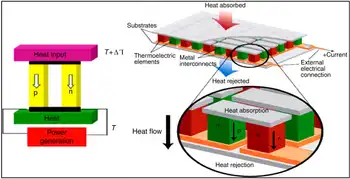
Iran turning thermal power plants to combined cycle to save energy

Iran Combined-Cycle Power Plants drive energy efficiency, cut greenhouse gases, and expand megawatt capacity by converting thermal units; MAPNA-led upgrades boost grid reliability, reduce fuel use, and accelerate electricity generation growth nationwide.


Key Points

Upgraded thermal plants that reuse waste heat to boost efficiency, cut emissions, and add capacity to Iran's grid.

✅ 27 thermal plants converted; 160 more viable units identified

✅ Adds 12,600 MW capacity via heat recovery steam generators

✅ Combined-cycle share: 31.2% of 80.509 GW capacity


Iran has turned six percent of its thermal power plans into combined cycle plants in order to reduce greenhouse gases and save energy, with potential to lift thermal plants' PLF under rising demand, IRNA reported, quoting an energy official.

According to the MAPNA Group’s Managing Director Abbas Aliabadi, so far 27 thermal power plants have been converted to combined-cycle ones, aligning with Iran’s push to transmit power to Europe as a regional hub.

“The conversion of a thermal power plant to a combined cycle one takes about one to two years, however, it is possible for us to convert all the country’s thermal power plants into combined cycle plants over a five-year period.

Currently, a total of 478 thermal power plants are operating throughout Iran, of which 160 units could be turned into combined cycle plants. In doing so, 12,600 megawatts will be added to the country’s power capacity, supporting ongoing exports such as supplying a large share of Iraq's electricity under existing arrangements.

Related cross-border work includes deals to rehabilitate Iraq's power grid that support future exchanges.

As reported by IRNA on Wednesday, Iran’s Nominal electricity generation capacity has reached 80,509 megawatts (80.509 gigawatts), and it is deepening energy cooperation with Iraq to bolster regional reliability. The country increased its electricity generation capacity by 500 megawatts (MW) compared to the last year (ended on March 20).

Currently, with a total generation capacity of 25,083 MW (31.2 percent) combined cycle power plants account for the biggest share in the country’s total power generation capacity followed by gas power plants generating 29.9 percent, amid global trends where renewables are set to eclipse coal and regional moves such as Israel's coal reduction signal accelerating shifts. EF/MA


Related News

View more

Tucson Electric Power plans to end use of coal-generated electricity by 2032

Tucson Electric Power Coal Phaseout advances an Integrated Resource Plan to exit Springerville coal by 2032, lift renewables past 70 percent by 2035, add wind, solar, battery storage, and cut carbon emissions 80 percent.


Key Points

A 2032 coal exit and 2035 plan to lift renewables above 70 percent, add wind, solar, storage, and cut CO2 80 percent.

✅ Coal purchases end at Springerville units by 2032

✅ Renewables exceed 70 percent of load by 2035

✅ 80 percent CO2 cut from 2005 baseline via wind, solar, storage


In a dramatic policy shift, Tucson Electric Power says it will stop using coal to generate electricity by 2032 and will increase renewable energy's share of its energy load to more than 70% by 2035.

As part of that change, the utility will stop buying electricity from its two units at its coal-fired Springerville Generating Station by 2032. The plant, TEP's biggest power source, provides about 35% of its energy.

The utility already had planned to start up two New Mexico wind farms and a solar storage plant in the Tucson area by next year. The new plan calls for adding an additional 2,000 megawatts of renewable energy capacity by 2035.

The utility's switch from fossil fuels is spelled out in the plan, submitted to the Arizona Corporation Commission, amid shifts in federal power plant rules that could affect implementation. Called an Integrated Resource Plan, it would reduce TEP's carbon dioxide emissions 80% by 2035 compared with 2005 levels.

The plan drew generally positive reviews from a number of environmentalists and other representatives of an advisory committee that had worked with TEP for a year.

Two commissioners, Chairman Bob Burns and Tucsonan Lea Marquez Peterson, also generally praised the plan, although they held off on final judgment.

University of Arizona researchers said the plan would likely meet the utility's share of the worldwide goal of holding down global temperatures to less than 2 degrees Celsius, or about 3.6 degrees Fahrenheit, above pre-industrial levels, even as studies find that climate change threatens grid reliability in many regions.

But a representative of AARP and the Pima Council on Aging expressed concern because the plan would require 1% annual electric rate increases a year to put into effect.

Officials in the eastern Arizona town of Springerville aren't happy.

And Sierra Club official Sandy Bahr said the plan doesn't move fast enough to get TEP off coal. She listed 14 separate units of various Western coal-fired plants that are scheduled to shut down sooner than 2032, many in the 2020s.

But TEP says the plan best balances costs and environmental benefits compared with 24 others it reviewed.

"We know our customers want safe, reliable energy from resources that are both affordable and environmentally responsible. TEP's 2020 Integrated Resource Plan will help us maintain that delicate balance," TEP CEO David Hutchens wrote in the forward to the plan.

The plan isn't legally binding but is aimed at sending a signal to regulators and the public about TEP's future direction. TEP and other regulated Arizona utilities update such plans every three years.

TEP has been one of the West's more fossil-fuel-friendly utilities. It stuck with coal even as many other utilities were moving away from it, including Alliant Energy's carbon-neutral plan to cut emissions and costs, and as the Sierra Club called on utilities to move beyond what it termed a highly polluting energy source that emits large quantities of heat-trapping greenhouse gases linked by scientists to global warming.

Last year, TEP got 13% of its electricity from renewables such as wind farms and solar plants along with photovoltaic solar panels atop individual homes. Fossil fuels coal and natural gas supplied the rest, a University of Arizona study paid for by TEP found.

Economics, not just emissions, a big factor

TEP's previous resource plan, from 2017, called for boosting renewable use to 30% by 2030 and to cut coal to 38% of its electric load by then from 69% in 2017, reflecting broader 2017 utility trends across the industry.

A TEP official said last week the utility is heading in a different direction not only due to concerns about greenhouse gas emissions but because of changing economics.

"For the last several decades, coal was the most economical resource. It was the lowest-cost resource to supply energy for our customers, and it wasn't really close," said Jeff Yockey, TEP's resource planning director.

But over the past few years, first natural gas prices and more recently solar and wind energy prices have fallen dramatically, he said.

Their prices are projected to keep falling, along with the cost of battery-fueled storage of solar energy for use when the sun is down, he said.

"Coal just isn't the most economical resource" now, Yockey said.

Yet the utility still needs, for now, the extra energy capacity that coal provides, he said, even as other states outline ways to improve grid reliability through targeted investments.

"Being a utility with no nuclear or hydro(electric) energy, with coal, there is reliability, a fuel on the ground, 30 or 90 days supply," he said. "It's the only source not subject to disruption in the next hour. It's our only long-term, stable fuel supply. Over time, we will be able to overcome that."

UA researchers, community panel worked on plan

TEP paid the UA $100,000 to have three researchers prepare two reports, one comparing 24 different proposals and a second comparing TEP's fossil fuel/renewable split with those of other utilities.

Also, the utility appointed an advisory council representing environmental, business and government interests that met regularly to guide TEP in producing the plan. The utility chose a preferred energy "portfolio," Yockey said.

The goal "was very much about basically achieving significant emissions reductions as quickly as we can and as cost effectively as we can," he said. TEP wanted the biggest cumulative emission cut possible over 15 years.

"If it was just about cost, we wouldn't have selected the portfolio that we selected. It wasn't the lowest cost portfolio."

UA assistant research professors Ben McMahan and Will Holmgren said combined carbon dioxide emission reductions from TEP's new plan over 15 years would be expected to hit the Paris accord's 2-degree target.

"There is considerable uncertainty about what will happen between now and 2050, but the preferred portfolio's early start on reductions and lowest cumulative emissions is certainly a positive sign that well below 2C is achievable," the researchers said in an email.

Environmentalists pleased, but some want coal cut sooner

The Sierra Club, Western Resource Advocates, the Southwest Energy Efficiency Project and Pima County offered varying degrees of praise for the new TEP plan.

In a memo Friday, County Administrator Chuck Huckelberry congratulated TEP for "the comprehensive, inclusive and transparent process" used to develop the plan.

Because of UA's involvement, TEP's advisory council and the public "can feel confident that the utility is on track to make significant progress in curbing greenhouse gas emissions to combat climate change," Huckelberry wrote.

The TEP plan "is the most aggressive commitment to reducing emissions by a utility in Arizona," said Autumn Johnson of Western Resource Advocates in a news release.

"Adding clean energy generation and storage while accelerating the retirement of coal units will ensure a healthier and better future for Arizonans," said Johnson, an energy policy analyst in Phoenix.

The Sierra Club will have a technical expert review the plan and already wants more energy savings, said Bahr, director of the group's Grand Canyon chapter. But overall, this plan is a step in the right direction for TEP, she said.

By comparison, Arizona Public Service's new resource plan only calls for 45% renewable energy by 2030, Bahr noted, while California regulators consider more power plants to ensure reliability. APS committed to going coal-free by 2031.

A Sierra Club proposal that the UA reviewed called for TEP to quit coal by 2027.

But TEP analyzed that proposal and concluded it would require $300 million in investments and would reduce the utility's cumulative emissions by only 2.4 million tons, to 70.2 million tons by 2035, Yockey said.

The Sierra Club plan was the most expensive portfolio investigated, Yockey said.

"The difference is in the timing. We still have a fair amount of value in our coal plants which we need to depreciate, which we do over time," Yockey said. "Trying to replace the capacity that coal provides in the near term with storage and solar is very expensive, although those costs are declining."

Seniors on fixed incomes could be hurt, advocate says

Rene Pina, an advisory council member representing two senior citizen organizations, praised the plan's goals but was concerned about impacts of even 1% annual rate increases on elderly people on fixed incomes.

They can't always handle such an increase, he said.

One possible fix is that TEP could ease eligibility requirements for its low-income energy assistance program, aligning with equity-focused electricity regulation principles, to allow more seniors to benefit, said Pina, representing AARP and the Pima Council on Aging.

"The program is structured so it just barely disqualifies most of our seniors. Their social security pension is just barely over the low-income limit. It can easily be adjusted without any problems to the utility," Pina said.

Advisory council member Rob Lamb, an engineer with GHLN, an architecture-engineering firm, said he was very pleased with TEP's plan.

"One of the things a lot of people don't realize when they put together a plan like that, is they have to balance environment with 'Hey, what's the reliability of service? Are we going to be able to keep our rates for something that will work?'" Lamb said.

"This a very balanced and resilient portfolio."


Related News

View more

Renewable growth drives common goals for electricity networks across the globe

Energy Transition Grid Reforms address transmission capacity, interconnection, congestion management, and flexibility markets, enabling renewable integration and grid stability while optimizing network charges and access in Australia, Ireland, and Great Britain.


Key Points

Measures to expand transmission, boost flexibility, and manage congestion for reliable, low-carbon electricity systems.

✅ Transmission upgrades and interconnectors ease congestion

✅ Flexible markets, DER, and storage bolster grid stability

✅ Evolving network charges and access incentivize siting


Electricity networks globally are experiencing significant increases in the volume of renewable capacity as countries seek to decarbonise their power sectors, even as clean energy's 'dirty secret' highlights integration trade-offs, without impacting the security of supply. The scale of this change is creating new challenges for power networks and those responsible for keeping the lights on.

The latest insight paper from Cornwall Insight – Market design amidst global energy transition – looks into this issue. It examines the outlook for transmission networks, and how legacy design and policies are supporting decarbonisation, aligning with IRENA findings on renewables and shaping the system. The paper focuses on three key markets; Australia, Ireland and Great Britain (GB).

Australia's main priority is to enhance transmission capacity and network efficiency; as concerns over excess solar risking blackouts grow in distribution networks, without this, the transmission system will be a barrier to growth for decentralised flexibility and renewables. In contrast, GB and Ireland benefit from interconnection with other national markets. This provides them with additional levers that can be pulled to manage system security and supply. However, they are still trying to hone and optimise network flexibility in light of steepening decarbonisation objectives.

Unsurprisingly, renewable energy resources have been growing in all three markets, with Ireland regarded as a leader in grid integration, with this expected to continue for the foreseeable future. Many of these projects are often located in places where network infrastructure is not as well developed, creating pressure on system operation as a result.

In all three markets, unit charges are rising, driven by a reduced charging base as decentralised energy grows quickly. This combination of changes is leading to network congestion, a challenge mirrored by the US grid overhaul for renewables underway, as transmission network development struggles to keep up, and flexibility markets are being optimised and changed.

In summary, reforms are on-going in each jurisdiction to accommodate the rapid physical transformation of the generation mix. Each has its objectives and tensions which are reflective of wider global reform programmes being undertaken in most developed, liberalised and decarbonising energy markets.

Gareth Miller, CEO of Cornwall Insight, said: “Despite differences in market design and characteristics, all three markets are grappling with similar issues, that comes from committing to deep decarbonisation. This includes the most appropriate methods for charging for networks, managing access to them and dealing with issues such as network congestion and constraint.

“In all three countries, renewable projects are often placed in isolated locations, as seen in Scotland where more pylons are needed to keep the lights on, away from the traditional infrastructure that is closer to demand. However, as renewable growth is set to continue, the networks will need to transition from being demand-centric to more supply orientated.

“Both system operators and stakeholders will need to continually evaluate their market structures and designs to alleviate issues surrounding locational congestion and grid stability. Each market is at very different stages in the process in trying to improve any problems implementing solutions to allow for higher efficiencies in renewable energy integration.

“It is uncertain whether any of the proposed changes will fundamentally resolve the issues that come with increased renewables on the system. However, despite marked differences, they certainly could all learn from each other and elements of their network arrangements, as well as from US decarbonisation strategies research.”


Related News

View more

Climate change: Greenhouse gas concentrations again break records

Rising Greenhouse Gas Concentrations drive climate change, with CO2, methane, and nitrous oxide surging; WMO data show higher radiative forcing, elevated pre-industrial baselines, and persistent atmospheric concentrations despite Paris Agreement emissions pledges.


Key Points

Increasing atmospheric CO2, methane, and nitrous oxide levels that raise radiative forcing and drive warming.

✅ WMO data show CO2 at 407.8 ppm in 2018, above decade average

✅ Methane and nitrous oxide surged, elevating total radiative forcing

✅ Concentrations differ from emissions; sinks absorb about half


The World Meteorological Organization (WMO) says the increase in CO2 was just above the average rise recorded over the last decade.

Levels of other warming gases, such as methane and nitrous oxide, have also surged by above average amounts.

Since 1990 there's been an increase of 43% in the warming effect on the climate of long lived greenhouse gases.

The WMO report looks at concentrations of warming gases in the atmosphere rather than just emissions.

The difference between the two is that emissions refer to the amount of gases that go up into the atmosphere from the use of fossil fuels, such as burning coal for coal-fired electricity generation and from deforestation.

Concentrations are what's left in the air after a complex series of interactions between the atmosphere, the oceans, the forests and the land. About a quarter of all carbon emissions are absorbed by the seas, and a similar amount by land and trees, while technologies like carbon capture are being explored to remove CO2.

Using data from monitoring stations in the Arctic and all over the world, researchers say that in 2018 concentrations of CO2 reached 407.8 parts per million (ppm), up from 405.5ppm a year previously.

This increase was above the average for the last 10 years and is 147% of the "pre-industrial" level in 1750.

The WMO also records concentrations of other warming gases, including methane and nitrous oxide, and some countries have reported declines in certain potent gases, as noted in US greenhouse gas controls reports, though global levels remain elevated. About 40% of the methane emitted into the air comes from natural sources, such as wetlands, with 60% from human activities, including cattle farming, rice cultivation and landfill dumps.

Methane is now at 259% of the pre-industrial level and the increase seen over the past year was higher than both the previous annual rate and the average over the past 10 years.

Nitrous oxide is emitted from natural and human sources, including from the oceans and from fertiliser-use in farming. According to the WMO, it is now at 123% of the levels that existed in 1750.

Last year's increase in concentrations of the gas, which can also harm the ozone layer, was bigger than the previous 12 months and higher than the average of the past decade.

What concerns scientists is the overall warming impact of all these increasing concentrations. Known as total radiative forcing, this effect has increased by 43% since 1990, and is not showing any indication of stopping.

There is no sign of a slowdown, let alone a decline, in greenhouse gases concentration in the atmosphere despite all the commitments under the Paris agreement on climate change and the ongoing global energy transition efforts," said WMO Secretary-General Petteri Taalas.

"We need to translate the commitments into action and increase the level of ambition for the sake of the future welfare of mankind," he added.

"It is worth recalling that the last time the Earth experienced a comparable concentration of CO2 was three to five million years ago. Back then, the temperature was 2-3C warmer, sea level was 10-20m higher than now," said Mr Taalas.

The UN Environment Programme will report shortly on the gap between what actions countries are taking to cut carbon, for example where Australia's emissions rose 2% recently, and what needs to be done to keep under the temperature targets agreed in the Paris climate pact.

Preliminary findings from this study, published during the UN Secretary General's special climate summit last September, indicated that emissions continued to rise during 2018, although global emissions flatlined in 2019 according to the IEA.

Both reports will help inform delegates from almost 200 countries who will meet in Madrid next week for COP25, following COP24 in Katowice the previous year, the annual round of international climate talks.


Related News

View more

Miami Valley Expands EV Infrastructure with 24 New Chargers

Miami Valley EV Chargers Expansion strengthens Level 2 charging infrastructure across Dayton, with Ohio EPA funding and Volkswagen settlement support, easing range anxiety and promoting sustainable transportation at Austin Landing and high-traffic destinations.


Key Points

An Ohio initiative installing 24 Level 2 stations to boost EV adoption, reduce range anxiety, and expand access in Dayton.

✅ 24 new Level 2 chargers at high-traffic regional sites

✅ Ohio EPA and VW settlement funds support deployment

✅ Reduces range anxiety, advancing sustainable mobility


The Miami Valley region in Ohio is accelerating its transition to electric vehicles (EVs) with the installation of 24 new Level 2 EV chargers, funded through a $1.1 million project supported by the Ohio Environmental Protection Agency (EPA). This initiative aims to enhance EV accessibility and alleviate "range anxiety" among drivers as the broader U.S. EV boom tests grid readiness.

Strategic Locations Across the Region

The newly installed chargers are strategically located in high-traffic areas to maximize their utility as national charging networks compete to expand coverage across travel corridors. Notable sites include Austin Landing, the Dayton Art Institute, the Oregon District, Caesar Creek State Park, and the Rose Music Center. These locations were selected to ensure that EV drivers have convenient access to charging stations throughout the region, similar to how Ontario streamlines station build-outs to place chargers where drivers already travel.

Funding and Implementation

The project is part of Ohio's broader effort to expand EV infrastructure, reflecting the evolution of U.S. charging infrastructure while utilizing funds from the Volkswagen Clean Air Act settlement. The Ohio EPA awarded approximately $3.25 million statewide for the installation of Level 2 EV chargers, with the Miami Valley receiving a significant portion of this funding, while Michigan utility programs advance additional investments to scale regional infrastructure.

Impact on the Community

The expansion of EV charging infrastructure is expected to have several positive outcomes. It will provide greater convenience for current EV owners and encourage more residents to consider electric vehicles as a viable transportation option, including those in apartments and condos who benefit from expanded access. Additionally, the increased availability of charging stations supports the state's environmental goals by promoting the adoption of cleaner, more sustainable transportation.

Looking Ahead

As the adoption of electric vehicles continues to grow, the Miami Valley's investment in EV infrastructure positions the region as a leader in sustainable transportation as utilities pursue ambitious charging strategies to meet demand. The success of this project may serve as a model for other regions looking to expand their EV charging networks. This initiative reflects a significant step towards a more sustainable and accessible transportation future for the Miami Valley.


Related News

View more

France and Germany arm wrestle over EU electricity reform

EU Electricity Market Reform CFDs seek stable prices via contracts for difference, balancing renewables and nuclear, shielding consumers, and boosting competitiveness as France and Germany clash over scope, grid expansion, and hydrogen production.


Key Points

EU framework using contracts for difference to stabilize power prices, support renewables and nuclear, and protect users.

✅ Guarantees strike prices for new low-carbon generation

✅ Balances consumer protection with industrial competitiveness

✅ Disputed scope: nuclear inclusion, grids, hydrogen eligibility


Despite record temperatures this October, Europe is slowly shifting towards winter - its second since the Ukraine war started and prompted Russia to cut gas supplies to the continent amid an energy crisis that has reshaped policy.

After prices surged last winter, when gas and electricity bills “nearly doubled in all EU capitals”, the EU decided to take emergency measures to limit prices.

In March, the European Commission proposed a reform to revamp the electricity market “to boost renewables, better protect consumers and enhance industrial competitiveness”.

However, France and Germany are struggling to find a compromise as rolling back prices is tougher than it appears and the clock is ticking as European energy ministers prepare to meet on 17 October in Luxembourg.


The controversy around CFDs
At the heart of the issue are contracts for difference (CFDs).

By providing a guaranteed price for electricity, CFDs aim to support investment in renewable energy projects.

France - having 56 nuclear reactors - is lobbying for nuclear energy to be included in the CFDs, but this has caught the withering eye of Germany.

Berlin suspects Paris of wanting an exception that would give its industry a competitive advantage and plead that it should only apply to new investments.


France wants ‘to regain control of the price’
The disagreement is at the heart of the bilateral talks in Hamburg, which started on Monday, between the French and German governments.

French President Emmanuel Macron promised “to regain control of the price of electricity, at the French and European level” and outlined a new pricing scheme in a speech at the end of September.

As gas electricity is much more expensive than nuclear electricity, France might be tempted to switch to a national system rather than a European one after a deal with EDF on prices to be more competitive economically.

However, France is "confident" that it will reach an agreement with Germany on electricity market reforms, Macron said on Friday.

Siding with France are other pro-nuclear countries such as Hungary, the Czech Republic and Poland, while Germany can count on the support of Austria, Luxembourg, Belgium and Italy amid opposition from nine EU countries to treating market reforms as a price fix.

But even if a last-minute agreement is reached, the two countries’ struggles over energy are creeping into all current European negotiations on the subject.

Germany wants a massive extension of electricity grids on the continent so that it can import energy; France is banking on energy sovereignty and national production.

France wants to be able to use nuclear energy to produce clean hydrogen, while Germany is reluctant, and so on.


Related News

View more

Sign Up for Electricity Forum’s Newsletter

Stay informed with our FREE Newsletter — get the latest news, breakthrough technologies, and expert insights, delivered straight to your inbox.

Electricity Today T&D Magazine Subscribe for FREE

Stay informed with the latest T&D policies and technologies.
  • Timely insights from industry experts
  • Practical solutions T&D engineers
  • Free access to every issue

Live Online & In-person Group Training

Advantages To Instructor-Led Training – Instructor-Led Course, Customized Training, Multiple Locations, Economical, CEU Credits, Course Discounts.

Request For Quotation

Whether you would prefer Live Online or In-Person instruction, our electrical training courses can be tailored to meet your company's specific requirements and delivered to your employees in one location or at various locations.