By Alberta government


Electrical Testing & Commissioning of Power Systems

Our customized live online or in‑person group training can be delivered to your staff at your location.

  • Live Online
  • 12 hours Instructor-led
  • Group Training Available
Regular Price:
$599
Coupon Price:
$499
Reserve Your Seat Today
-- Despite slumping power prices and a surplus of electricity in Alberta, Hunt Power Company of Canada Inc. announced plans Thursday to build a $300-million generation plant near Calgary.

Hunt Power, part of a consolidation of companies that includes Hunt Oil Co., said it plans to construct the 345-megawatt natural gas-fired plant near Crossfield, 50 kilometres north of Calgary.

The announcement comes at a time when power companies around North America are shelving or scrapping plans for hundreds of new generators because of sagging markets.

Electricity prices in Alberta, which hit record heights of $133 per megawatt-hour on average in 2000, have fallen to less than $40 so far this year. (A megawatt is enough to supply 1,000 average size homes).

In announcing the plant, Hunt officials said the company is focused on the future growth of the Alberta electricity market, rather than the present depression in prices.

"Alberta is a growing province, especially around the Calgary area, where there has been strong growth in electricity demand," said Jim Rix, project manager for Hunt Power.

"The price that's in the market today is not what we've based this decision on."

The proposed plant, which is to be completed by the end of 2005, is one of three major generators that could be built in the Calgary area.

AES Corp. is in the early stages of a 525-MW gas-fired plant on the eastern outskirts of the city, while Calpine Corp. has proposed a 250-MW gas-fired plant for the Calgary area.

By locating its plant in southern Alberta, Hunt Power will avoid some of the transmission problems Alberta has been faced with as its aging electric grid struggles to keep pace with the province's growth.

Most of the rise in power demand, or load, in Alberta has occurred south of Red Deer in the past decade, while the bulk of the province's generation capacity is located near Edmonton.

As a result, transmission lines running between Edmonton and Calgary are in need of a multibillion-dollar expansion, according to ESBI Ltd., the grid administrator.

"In the south, there's generally much more load than there is generation," said Neil Brausen, manager of long-term transmission planning for ESBI.

"The Hunt plant should be able to connect into the existing facilities without any problems. It would certainly alleviate some of the concerns we have over transmission (from the north)," Brausen said.

Unlike a few years ago when Alberta faced a razor-thin surplus of electricity, the province's power supply is now

15 to 20 per cent above its peak demand, a margin analysts consider healthy.

Demand for electricity, which dropped in early 2001 in response to higher power prices, has grown by more than four per cent in the past year, according to the Alberta Power Pool.

"Industrial demand is leading the growth in that area," said Wayne St. Amour, spokesman for power pool.

Information on the Hunt proposal was mailed out to Crossfield-area residents Thursday.

The project's first hurdle is a public consultation process, a regulatory step that slowed the construction of the AES plant when nearby residents raised concerns over the generator's proximity to homes.

Hunt said its generator is to be built on a 60-hectare plot of land, which will keep it away from residential areas. As well, the construction will result in roughly $100 million being spent in the Crossfield area, Rix said.

Electricity in Alberta

Power Generating Capacity: 11,590 megawatts (MW) including imports. One MW can supply 1,000 average-sized homes.

Peak Power Demand: 7,934 MW in 2001.

Expansion: 5,000 MW could be added between 2003-06.

Power Source: Coal produces more than half of Alberta's

electricity; natural gas, one-third; and the remainder is split

between hydro, wind and biomass.

Related News
B.C. Hydro doing good job managing billions in capital assets, says auditor

BC Hydro Asset Management Audit confirms disciplined oversight of dams, generators, power lines, substations, and transformers, with robust lifecycle planning, reliability metrics, and capital investment sustaining aging infrastructure and near full-capacity performance.


Key Points

Audit confirming BC Hydro's asset governance and lifecycle planning, ensuring safe, reliable grid infrastructure.

✅ $25B in assets; many facilities operating near full capacity.

✅ 80% of assets are dams, generators, lines, poles, substations, transformers.

✅ $2.5B invested in renewal, repair, and replacement in fiscal 2018.


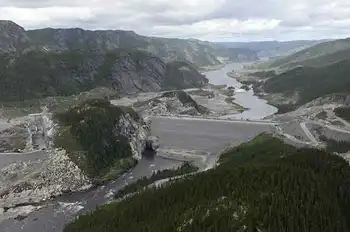
A report by B.C.’s auditor-general says B.C. Hydro is doing a good job managing the province’s dams, generating stations and power lines, including storm response during severe weather events.

Carol Bellringer says in the audit that B.C. Hydro’s assets are valued at more than $25 billion and even though some generating facilities are more than 85 years old they continue to operate near full-capacity and can accommodate holiday demand peaks when needed.

The report says about 80 per cent of Hydro’s assets are dams, generators, power lines, poles, substations and transformers that are used to provide electrical service to B.C., where residential electricity use shifted during the pandemic.

The audit says Hydro invested almost $2.5 billion to renew, repair or replace the assets it manages during the last fiscal year, ending March 31, 2018, and, in a broader context, bill relief has been offered to only part of the province.

Bellringer’s audit doesn’t examine the $10.7 billion Site C dam project, which is currently under construction in northeast B.C. and not slated for completion until 2024.

She says the audit examined whether B.C. Hydro has the information, practices, processes and systems needed to support good asset management, at a time when other utilities are dealing with pandemic impacts on operations.


Related News

View more

LOC Renewables Delivers First MWS Services To China's Offshore Wind Market

Pinghai Bay Offshore Wind Farm MWS advances marine warranty survey best practices, risk management, and international standards in Fujian, with Haixia Goldenbridge Insurance and reinsurer-aligned audits supporting safer offshore wind construction and logistics.


Key Points

An MWS program ensuring Pinghai Bay Phase 2 meets standards via audits, risk controls, and vetted procedures.

✅ First MWS delivered in China's offshore wind market

✅ Audits, risk consultancy, and reinsurer-aligned standards

✅ Supports 250MW Phase 2 at Pinghai Bay, Fujian


LOC Renewables has announced it is to carry out marine warranty survey (MWS) services for the second phase of the Pinghai Bay Offshore Wind Farm near Putian, Fujian province, China, on behalf of Haixia Goldenbridge Insurance Co., Ltd. The agreement represents the first time MWS services have been delivered to the Chinese offshore wind market.

China’s installed offshore capacity jumped more than 60% in 2017, and its growing offshore market is aiming for a total grid-connected capacity of 5GW by 2020, as the sector globally advances toward a $1 trillion industry over the coming decades. Much of this future offshore development is slated to take place in Jiangsu, Zhejiang, Guangdong and Fujian provinces. As developers becoming increasingly aware of the need for stringent risk management and value that internationally accepted standards can bring to projects, Pinghai Bay will be the first Chinese offshore wind farm to employ MWS to ensure it meets the highest technical standards and minimise project risk. The agreement will see LOC Renewables carry out audit and risk consultancy services for the project from March until the end of 2018.

#google#

In recent years, as Chinese offshore wind projects have grown in scale and complexity the need for international expertise in the market has increased, with World Bank support for emerging markets underscoring global momentum. In response, domestic insurers are partnering with international reinsurers to manage and mitigate the associated larger risks. Applying the higher standards required by international reinsurers, LOC Renewables will draw on its extensive experience in European, US and Asian offshore wind markets to provide MWS services on the Pinghai project from its Tianjin office.

“As offshore wind technology continues to proliferate across Asia, driven by declining global costs, successful knowledge transfer based on best practices and lessons learned in the established offshore wind markets becomes ever more important,” said Ke Wan, Managing Director, LOC China.

“With a wealth of experience in Europe and the US, where UK offshore wind growth has accelerated, we’re increasingly working on projects across Asia, and are delighted to now be providing the first MWS services to China’s offshore wind market – services that bring real value in lower risk and will enable the project to achieve its full potential.”

“At 250MW, phase two of the Pinghai Bay Wind Farm represents a significant expansion on phase one, and we wanted to ensure that it met the highest technical and risk mitigation standards, informed by regional learnings such as Korean installation vessels analyses,” said Fan Ming, Business Director at Haixia Goldenbridge Insurance.

“In addition to their global experience, LOC Renewables’ familiarity with and presence in the local market was very important to us, and we’re looking forward to working closely with them to help bring this project to fruition and make a significant contribution to China’s expanding offshore wind market.”


Related News

View more

Understanding the Risks of EV Fires in Helene Flooding

EV Flood Fire Risks highlight climate change impacts, lithium-ion battery hazards, water damage, post-submersion inspection, first responder precautions, manufacturer safeguards, and insurance considerations for extreme weather, flood-prone areas, and hurricane aftermaths.


Key Points

Water-exposed EV lithium-ion batteries may ignite later, requiring inspection, isolation, and trained responders.

✅ Avoid driving through floodwaters; park on high ground.

✅ After submersion, isolate vehicle; seek qualified inspection.

✅ Inform first responders and insurers about EV water damage.


As climate change intensifies the frequency and severity of extreme weather events, concerns about electric vehicle (EV) safety in flood-prone areas have come to the forefront. Recent warnings from officials regarding the risks of electric vehicles catching fire due to flooding from Hurricane Idalia underscore the need for heightened awareness and preparedness among consumers and emergency responders, as well as attention to grid reliability during disasters.

The alarming incidents of EVs igniting after being submerged in floodwaters have raised critical questions about the safety of these vehicles during severe weather conditions. While electric vehicles are often touted for their environmental benefits and lower emissions, it is crucial to understand the potential risks associated with their battery systems when exposed to water, even as many drivers weigh whether to buy an electric car for daily use.

The Risks of Submerging Electric Vehicles

Electric vehicles primarily rely on lithium-ion batteries, which can be sensitive to water exposure. When these batteries are submerged, they risk short-circuiting, which may lead to fires. Unlike traditional gasoline vehicles, where fuel may leak out, the sealed nature of an EV’s battery can create hazardous situations when compromised. Experts warn that even after water exposure, the risk of fire can persist, sometimes occurring days or weeks later.

Officials emphasize the importance of vigilance in flood-prone areas, including planning for contingencies like mobile charging and energy storage that support recovery. If an electric vehicle has been submerged, it is crucial to have it inspected by a qualified technician before attempting to drive it again. Ignoring this can lead to catastrophic consequences not only for the vehicle owner but also for surrounding individuals and properties.

Official Warnings and Recommendations

In light of these dangers, safety officials have issued guidelines for electric vehicle owners in flood-prone areas. Key recommendations include:

  1. Avoid Driving in Flooded Areas: The most straightforward advice is to refrain from driving through flooded streets, which can not only damage the vehicle but also pose risks to personal safety.

  2. Inspection After Flooding: If an EV has been submerged, owners should seek immediate professional inspection. Technicians can evaluate the battery and electrical systems for damage and determine if the vehicle is safe to operate.

  3. Inform Emergency Responders: In flood situations, informing emergency personnel about the presence of electric vehicles can help them mitigate risks during rescue operations, including firefighter health risks that may arise. First responders are trained to handle conventional vehicles but may need additional precautions when dealing with EVs.

Industry Response and Innovations

In response to rising concerns, electric vehicle manufacturers are working to enhance the safety features of their vehicles. This includes developing waterproof battery enclosures and improving drainage systems to prevent water intrusion, as well as exploring vehicle-to-home power for resilience during outages. Some manufacturers are also investing in research to improve battery chemistry, making them more resilient in extreme conditions.

The automotive industry recognizes that consumer education is equally important, particularly around utility impacts from mass-market EVs that affect planning. Manufacturers and safety organizations are encouraged to disseminate information about proper EV maintenance, the importance of inspections after flooding, and safety protocols for both owners and first responders.

The Role of Insurance Companies

As the risks associated with electric vehicle flooding become more apparent, insurance companies are also reassessing their policies. With increasing incidences of extreme weather, insurers are likely to adapt coverage options related to water damage and fire risks specific to electric vehicles. Policyholders should consult with their insurance providers to ensure they understand their coverage in the event of flooding.

Preparing for the Future

With the increasing adoption of electric vehicles, it is vital to prepare for the challenges posed by climate change and evolving state power grids capacity. Community awareness campaigns can play a significant role in educating residents about the risks and safety measures associated with electric vehicles during flooding events. By fostering a well-informed public, the likelihood of accidents and emergencies can be reduced.


Related News

View more

UAE’s nuclear power plant connects to the national grid in a major regional milestone

UAE Barakah Nuclear Plant connects Unit 1 to the grid, supplying clean electricity, nuclear baseload power, and lower carbon emissions, with IAEA oversight, FANR regulation, and South Korea collaboration, supporting energy security and economic diversification.


Key Points

The UAE Barakah Nuclear Plant is a four-reactor project delivering clean baseload power and reducing CO2.

✅ Unit 1 online; four reactors to supply 25% of UAE electricity

✅ Cuts 21 million tons CO2 annually; clean baseload for grid

✅ FANR-licensed; IAEA and WANO oversight ensure safety


Unit 1 of the UAE’s Barakah plant — the Arab world’s first nuclear energy plant in the region — has connected to the national power grid, in a historic moment enabling it to provide cleaner electricity to millions of residents and help reduce the oil-rich country’s reliance on fossil fuels. 

“This is a major milestone, we’ve been planning for this for the last 12 years now,” Mohamed Al Hammadi, CEO of Emirates Nuclear Energy Corporation (ENEC), told CNBC’s Dan Murphy in an exclusive interview ahead of the news.

Unit 1, which has reached 100% power as it steps closer to commercial operations, is the first of what will eventually be four reactors, which when fully operational are expected to provide 25% of the UAE’s electricity and reduce its carbon emissions by 21 million tons a year, according to ENEC. That’s roughly equivalent to the carbon emissions of 3.2 million cars annually.

The Gulf country of nearly 10 million is the newest member of a group of now 31 countries running nuclear power operations. It’s also the first new country to launch a nuclear power plant in three decades, the last being China’s nuclear energy program in 1990.

“The UAE has been growing from an electricity demand standpoint,”  Al Hammadi said. “That’s why we are trying to meet the demand (and) at the same time have it with less carbon emissions.”

The UAE’s electricity mix will continue to include gas and renewable energy, with “the baseload from nuclear,” including emerging next-gen nuclear designs, the CEO added, which he described as a “safe, clean and reliable source of electricity” for the country.

The project is also providing “highly compensated jobs” for the Emiratis and will introduce new industries for the country’s economy, Al Hammadi said. The company noted that it has awarded roughly 2,000 contracts worth more than $4.8 billion for local companies.

International collaboration
The UAE’s nuclear watchdog FANR, the Federal Authority for Nuclear Regulation, granted the operating license for Unit 1 in February, after an extensive inspection process to ensure the plant’s compliance with regulatory requirements. The license is expected to last 60 years. The program also involved collaboration with external bodies including the U.N.’s International Atomic Energy Agency (IAEA) and the government of South Korea, and its pre-start-up review was completed in January by the World Association of Nuclear Operators (WANO). The WANO and the IAEA have conducted over 40 inspection and review missions at Barakah.   

But the project has its critics, particularly some experts from the independent Nuclear Consulting Group non-profit, who have expressed concern about Barakah’s safety features and potential environmental risks.  

In response, ENEC said the “adherence to the highest standards of safety, quality and security is deeply embedded within the fabric of the UAE Peaceful Nuclear Energy Program.”

“The Barakah Plant meets all national and international regulatory requirements and standards for nuclear safety,” a  company statement said. It added that the reactor design had been certified by the Korea Institute of Nuclear Safety, FANR and the US-based Nuclear Regulatory Commission, “demonstrating the robustness of this design for safety and operating reliability.”

Worries of regional proliferation 
The achievement for the UAE is particularly significant given tensions in the wider region over nuclear proliferation. 

Some observers have warned of a regional arms race, though the UAE already partakes in what nuclear energy experts call the “gold standard” of civilian nuclear partnerships: The U.S.-UAE 123 Agreement for Peaceful Civilian Nuclear Energy Cooperation. It allows the UAE to receive nuclear materials, equipment and know-how from the U.S. while precluding it from developing dual-use technology by barring uranium enrichment and fuel reprocessing, the processes required for building a bomb.

By contrast, nearby Iran has suspended its compliance to the multilateral 2015 deal that regulated its nuclear power development and many fear its approach toward bomb-making capability. Meanwhile, Saudi Arabia has voiced its desire to develop a nuclear energy program without adhering to a 123 agreement.

And most recently, in the wake of a historic deal that has seen the UAE become the first Gulf country to normalize relations with Israel, Iran responded by warning the agreement would bring a “dangerous future” for the Emirati government. 

But ENEC and UAE officials emphasize the program’s commitment to safety, transparency and international cooperation, and its necessity for meeting growing electricity demand by cleaner means. 

“The nuclear industry is growing, with milestones around the world being reached, and the UAE is no exception. We are pursuing our electricity demand to meet that in a safe, secure and stable manner, and also doing it in an environmentally friendly way,” Al Hammadi said.

“Having four reactors that will provide 25% of electricity for the nation and will avoid us emitting 21 million tons of CO2 on an annual basis, as part of a broader green industrial revolution approach, is a very serious step to take — and the UAE is not talking about it, it is doing it, and we are reaping the benefits of it as we speak right now.”


Related News

View more

Global oil demand to decline in 2020 as Coronavirus weighs heavily on markets

COVID-19 Impact on Global Oil Demand 2020 signals an IEA forecast of declining consumption as travel restrictions curb transport fuels, disrupt energy markets, and shift OPEC and non-OPEC supply dynamics amid economic slowdown.


Key Points

IEA sees first demand drop since 2009 as COVID-19 curbs travel, weakening transport fuels and unsettling energy markets.

✅ IEA base case: 2020 demand at 99.9 mb/d, down 90 kb/d from 2019.

✅ Travel restrictions hit transport fuels; China drives the decline.

✅ Scenarios: low -730 kb/d; high +480 kb/d in 2020.


Global oil demand is expected to decline in 2020 as the impact of the new coronavirus (COVID-19) spreads around the world, constricting travel and broader economic activity, according to the International Energy Agency’s latest oil market forecast.

The situation remains fluid, creating an extraordinary degree of uncertainty over what the full global impact of the virus will be. In the IEA’s central base case, even as global CO2 emissions flatlined in 2019 according to the IEA, demand this year drops for the first time since 2009 because of the deep contraction in oil consumption in China, and major disruptions to global travel and trade.

“The coronavirus crisis is affecting a wide range of energy markets – including coal-fired electricity generation, gas and renewables – but its impact on oil markets is particularly severe because it is stopping people and goods from moving around, dealing a heavy blow to demand for transport fuels,” said Dr Fatih Birol, the IEA’s Executive Director. “This is especially true in China, the largest energy consumer in the world, which accounted for more than 80% of global oil demand growth last year. While the repercussions of the virus are spreading to other parts of the world, what happens in China will have major implications for global energy and oil markets.”

The IEA now sees global oil demand at 99.9 million barrels a day in 2020, down around 90,000 barrels a day from 2019. This is a sharp downgrade from the IEA’s forecast in February, which predicted global oil demand would grow by 825,000 barrels a day in 2020.

The short-term outlook for the oil market will ultimately depend on how quickly governments move to contain the coronavirus outbreak, how successful their efforts are, and what lingering impact the global health crisis has on economic activity.

To account for the extreme uncertainty facing energy markets, the IEA has developed two other scenarios for how global oil demand could evolve this year. In a more pessimistic low case, global measures fail to contain the virus, and global demand falls by 730,000 barrels a day in 2020. In a more optimistic high case, the virus is contained quickly around the world, and global demand grows by 480,000 barrels a day.

“We are following the situation extremely closely and will provide regular updates to our forecasts as the picture becomes clearer,” Dr Birol said. “The impact of the coronavirus on oil markets may be temporary. But the longer-term challenges facing the world’s suppliers are not going to go away, especially those heavily dependent on oil and gas revenues. As the IEA has repeatedly said, these producer countries need more dynamic and diversified economies in order to navigate the multiple uncertainties that we see today.”

The IEA also published its medium-term outlook examining the key issues in global demand, supply, refining and trade to 2025, as well as the trajectory of the global energy transition now shaping markets. Following a contraction in 2020 and an expected sharp rebound in 2021, yearly growth in global oil demand is set to slow as consumption of transport fuels grows more slowly and as national net-zero pathways, with Canada needing more electricity to reach net-zero influencing power demand, according to the report. Between 2019 and 2025, global oil demand is expected to grow at an average annual rate of just below 1 million barrels a day. Over the period as whole, demand rises by a total of 5.7 million barrels a day, with China and India accounting for about half of the growth.

At the same time, the world’s oil production capacity is expected to rise by 5.9 million barrels a day, with more than three-quarters of it coming from non-OPEC producers, the report forecasts. But production growth in the United States and other non-OPEC countries is set to lose momentum after 2022, amid shifts in Wall Street's energy strategy linked to policy signals, allowing OPEC producers from the Middle East to turn the taps back up to help keep the global oil market in balance.

The medium-term market report, Oil 2020, also considers the impact of clean energy transitions on oil market trends. Demand growth for gasoline and diesel between 2019 and 2025 is forecast to weaken as countries around the world implement policies to improve efficiency and cut carbon dioxide emissions – and as solar power becomes the cheapest electricity in many markets and electric vehicles increase in popularity. The impact of energy transitions on oil supply remains unclear, with many companies prioritising short-cycle projects for the coming years.

“The coronavirus crisis is adding to the uncertainties the global oil industry faces as it contemplates new investments and business strategies,” Dr Birol said. “The pressures on companies are changing, with European oil majors turning electric to diversify. They need to show that they can deliver not just the energy that economies rely on, but also the emissions reductions that the world needs to help tackle our climate challenge.”


Related News

View more

Abengoa, Acciona to start work on 110MW Cerro Dominador CSP plant in Chile

Cerro Dominador CSP Plant delivers 110MW concentrated solar power in Chile's Atacama Desert, with 10,600 heliostats, 17.5-hour molten salt storage, and 24/7 dispatchable energy; built by Acciona and Abengoa within a 210MW complex.


Key Points

A 110MW CSP solar-thermal plant in Chile with heliostats and 17.5h molten salt storage, delivering 24/7 dispatchable clean power.

✅ 110MW CSP with 17.5h molten salt for 24/7 dispatch

✅ 10,600 heliostats; part of a 210MW hybrid CSP+PV complex

✅ Built by Acciona and Abengoa; first of its kind in LatAm


A consortium formed by Spanish groups Abengoa and Acciona, as Spain's renewable sector expands with Enel's 90MW wind build activity, has signed a contract to complete the construction of the 110MW Cerro Dominador concentrated solar power (CSP) plant in Chile.

The consortium received notice to proceed to build the solar-thermal plant, which is part of the 210MW Cerro Dominador solar complex.

Under the contract, Acciona, which has 51% stake in the consortium and recently launched a 280 MW Alberta wind farm, will be responsible for building the plant while Abengoa will act as the technological partner.

Expected to be the first of its kind in Latin America upon completion, the plant is owned by Cerro Dominador, which in turn is owned by funds managed by EIG Global Energy Partners.

The project will add to a Abengoa-built 100MW PV plant, comparable to California solar projects in scope, which was commissioned in February 2018, to form a 210MW combined CSP and PV complex.

Spread across an area of 146 hectares, the project will feature 10,600 heliostats and will have capacity to generate clean and dispatachable energy for 24 hours a day using its 17.5 hours of molten salt storage technology, a field complemented by battery storage advances.

Expected to prevent 640,000 tons of CO2 emission, the plant is located in the commune of María Elena, in the Atacama Desert, in the Antofagasta Region.

“In total, the complex will avoid 870,000 tons of carbon dioxide emissions into the atmosphere every year and, in parallel with Enel's 450 MW U.S. wind operations, will deliver clean energy through 15-year energy purchase agreements with distribution companies, signed in 2014.

“The construction of the solarthermal plant of Cerro Dominador will have an important impact on local development, with the creation of more than 1,000 jobs in the area during its construction peak, and that will be priority for the neighbors of the communes of the region,” Acciona said in a statement.

The Cerro Dominador plant represents Acciona’s fifth solar thermal plant being built outside of Spain. The firm has constructed 10 solarthermal plants with total installed capacity of 624MW.

Acciona has been operating in Chile since 1993. The company, through its Infrastructure division, executed various construction projects for highways, hospitals, hydroelectric plants and infrastructures for the mining sector.


Related News

View more

Sign Up for Electricity Forum’s Newsletter

Stay informed with our FREE Newsletter — get the latest news, breakthrough technologies, and expert insights, delivered straight to your inbox.

Electricity Today T&D Magazine Subscribe for FREE

Stay informed with the latest T&D policies and technologies.
  • Timely insights from industry experts
  • Practical solutions T&D engineers
  • Free access to every issue

Live Online & In-person Group Training

Advantages To Instructor-Led Training – Instructor-Led Course, Customized Training, Multiple Locations, Economical, CEU Credits, Course Discounts.

Request For Quotation

Whether you would prefer Live Online or In-Person instruction, our electrical training courses can be tailored to meet your company's specific requirements and delivered to your employees in one location or at various locations.