CSA Z462 Arc Flash Training – Electrical Safety Compliance Course
Our customized live online or in‑person group training can be delivered to your staff at your location.

- Live Online
- 6 hours Instructor-led
- Group Training Available
Regular Price:
$249
Coupon Price:
$199
Texas
—
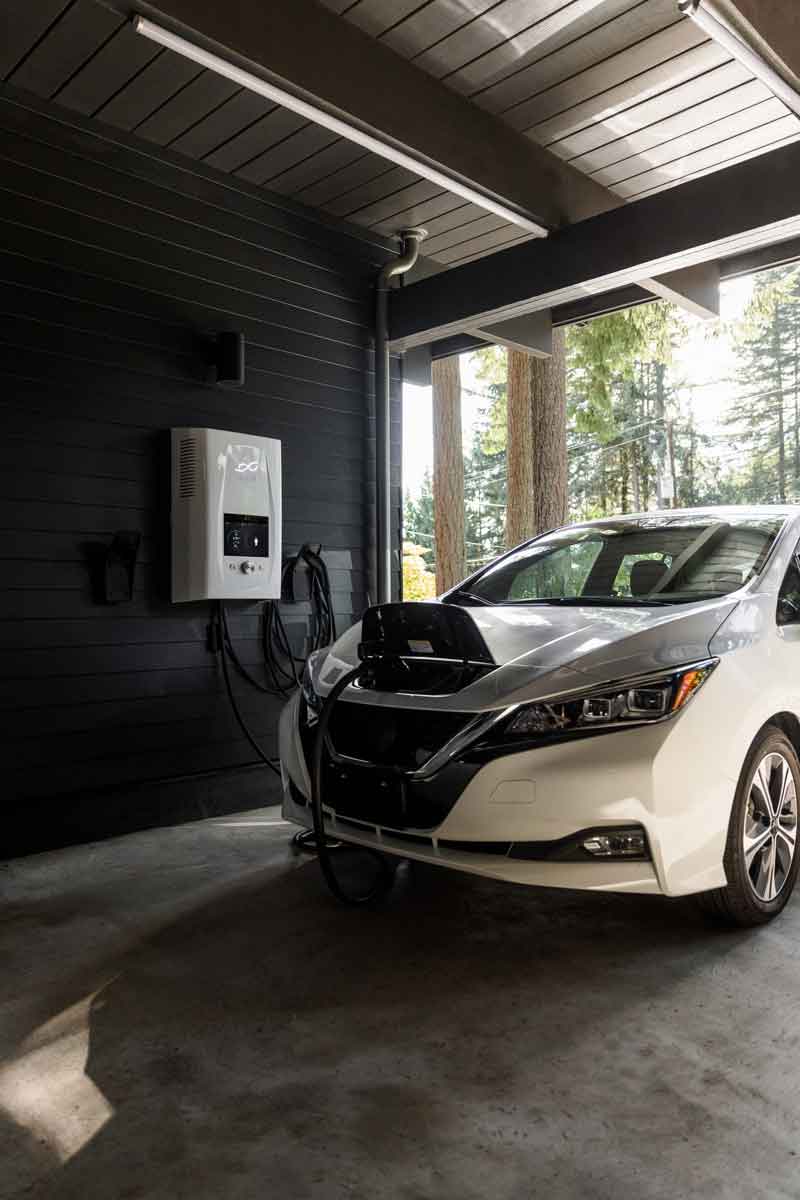
Rivian ChargeScape Partnership will enroll Rivian EV batteries in utility managed charging, connecting drivers to demand response programs and enabling vehicle-to-grid and V2X services to enhance grid flexibility, resilience, and customer savings across North America.
Story Summary
-
Rivian to enroll EV batteries in utility managed-charging programs
-
ChargeScape platform integrates OEMs and utilities for V1G and V2X
-
Drivers can opt in via app to access savings and grid services
-
Partnership targets peak demand flexibility and grid resiliency
-
Industry-owned model emphasizes interoperability and scalability
Rivian and ChargeScape have formed a partnership to enroll Rivian vehicle batteries in utility-managed charging programs across North America. The arrangement is designed to expand grid-supportive charging, give drivers a streamlined way to participate in utility programs, and accelerate adoption of vehicle-to-grid concepts that turn parked EVs into flexible energy assets.
Announced on June 16, 2026, the collaboration connects Rivian owners with a growing portfolio of utility offerings through a software-first experience integrated into the vehicle and mobile app. By aligning charging with grid needs and customer preferences, the companies aim to cut charging costs while improving local reliability. The initiative underscores how transportation electrification can serve system needs, a theme explored in our coverage of grid flexibility ev transportation across utility markets.
ChargeScape operates as an industry-owned, shared infrastructure that links automakers and power utilities. This structure emphasizes direct OEM participation, interoperability, and scalability, so utilities can access aggregated, verifiable load while drivers opt in with minimal friction. The framework complements state-level reliability efforts, including those in high-adoption regions such as California, discussed in california ev grid stability insights and planning updates.
For drivers, managed charging typically means automated scheduling that shifts sessions to off-peak hours or curtails charging during grid events while maintaining daily mobility needs. The platform also supports V1G managed charging and V2X capabilities, creating a pathway for broader energy services and incentives where available. For additional background on evolving retail models and compensation pathways, see ev owners can sell electricity in our coverage archive for context beyond this announcement.
The companies position Rivian vehicles as meaningful sources of flexible capacity that can help balance peak demand and reinforce resiliency. With data center growth and rising electrification adding stress to distribution networks, aggregated participation by light-duty EVs may provide responsive load-shaping and localized support. Historical shifts in travel and charging behavior have also influenced load curves and adoption patterns, as reflected in prior analyses such as covid ev impact, which continue to inform utility program design.
Program enrollment is expected to remain simple and customer-centric, leveraging direct connections between vehicle software, the OEM, and utility partners. Over time, this alignment could broaden the set of grid services available to participating drivers, while giving utilities clearer visibility and control signals through a trusted, standardized interface. The practical implications for bidirectional readiness and distribution system planning are the subject of ongoing industry work, including themes highlighted in reversing the charge discussions that consider how homes, fleets, and feeders can safely support power export.
As integration progresses, managed charging and future V2X use cases are intended to deliver savings for participants, provide utilities with dependable flexible capacity, and advance a more dynamic grid. The partnership signals continued convergence between automakers and the utility sector on standardized, customer friendly vehicle-grid integration.
Related News

Spain Breaks Gas Link with Wind and Solar
Spain has broken its reliance on fossil gas as soaring wind and solar energy drive…
View more
Offshore chargepoint will power vessels with wind turbine electricity
Offshore Wind Vessel Charging System enables renewable energy offshore charging from wind turbines, delivering clean…
View more

Wind and Solar Top Fossil Fuels in European Electricity Mix for First Time
In 2025, wind and solar electricity generation in the European Union exceeded fossil fuel output…
View more
Report: Canada's renewable energy growth projections scaled back after Ontario scraps clean energy program
Canada Renewable Energy Outlook highlights IEA forecasts of slower capacity growth as Ontario cancels LRP…
View more

OEB Launches New 2026 Public EV Charging Rate
Ontario’s energy regulator will introduce a discounted charging-station electricity rate in 2026, cutting delivery costs…
View more

Electric-ready ferry for Kootenay Lake to begin operations in 2023
Kootenay Lake Electric-Ready Ferry advances clean technology in BC, debuting as a hybrid diesel-electric vessel…
View more
Sign Up for Electricity Forum’s Newsletter
Stay informed with our FREE Newsletter — get the latest news, breakthrough technologies, and expert insights, delivered straight to your inbox.
Electricity Today T&D Magazine Subscribe for FREE

Stay informed with the latest T&D policies and technologies.
- Timely insights from industry experts
- Practical solutions T&D engineers
- Free access to every issue
