OTTAWA
—
Bill C-39 Grid Expansion could streamline approvals for Canadian transmission, nuclear and hydroelectric projects, adding regulatory certainty for utilities, investors, interties and a more reliable, affordable electricity system through nationwide infrastructure planning.
Essential Takeaways
-
Single-review model proposed for transmission approvals
-
Nuclear reviews would move to a single-window approach
-
Hydroelectric permitting could be consolidated federally
-
Interprovincial interties gain a clearer development path
-
Industry cites reliability, affordability and energy security
Bill C-39 is positioned to improve the federal framework for building the electricity infrastructure Canada needs as demand grows from population increases, industrial development, electrification, data centres and energy-security requirements. The legislation is intended to streamline approvals, reduce overlap between federal bodies and provide greater regulatory certainty for major electricity investments.
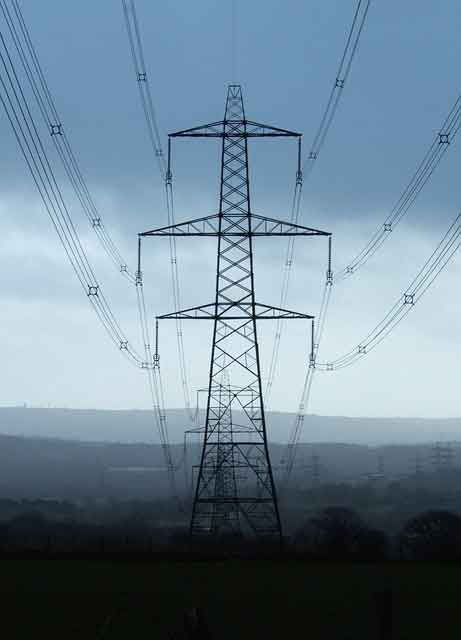
For transmission development, the bill would introduce a more streamlined approval process, including a single-review model through the Canada Energy Regulator. Reducing duplication between agencies could give proponents, utilities, Indigenous partners, investors and governments more predictable timelines for major projects. That certainty is especially important as planners consider the scale implied by Canada Grid Doubling Plan 2050 and the infrastructure decisions needed over the coming decades.
The proposed changes also address nuclear development. A single-window approach for nuclear project reviews would create a clearer and more efficient process for large nuclear facilities and small modular reactor projects. In practice, the objective is to give project developers a more understandable route through federal review while maintaining a focus on the generation capacity required for a changing power system.
Hydroelectric and other major generation projects would also see consolidated federal permitting under the legislation. The planned approach is intended to lessen administrative burden and improve coordination across departments, helping proponents navigate approvals with greater clarity. These reforms arrive while the sector continues to assess the policy environment around Canada Finalizes Clean Electricity Regulations For 2050, which has kept long-term system planning in focus.
Interprovincial transmission and interties are another central element of the bill. A stronger development pathway for these connections could support greater regional integration and give electricity systems more options to share power across provincial boundaries. The sector views expanded interties as important to reliability, affordability and energy security, particularly during severe weather and periods of system stress. That policy discussion also intersects with questions raised by Data Centre Transmission Cost Policy Canada, as new load growth shapes transmission investment needs.
Industry representatives have emphasized that the legislation is a step toward making federal decision-making more efficient, but that implementation details and future regulations will determine how effectively the reforms work in practice. The underlying goal is to ensure approval processes can support the timely construction of the transmission, generation and grid infrastructure on which households, businesses and the broader economy depend.
For utilities, the potential effect is not limited to new corridors or generating stations. More predictable timelines can influence capital planning, procurement and collaboration with affected communities and governments. This is relevant to current project activity such as Hydro One 500 Kv Transmission Projects Oeb Filings, where major transmission proposals require clear regulatory processes.
Bill C-39 therefore places federal approval reform alongside the larger task of strengthening a reliable and resilient Canadian grid. As governments and electricity providers pursue new capacity and stronger regional connections, related investment discussions, including Canada Clean Energy Funding Alberta Saskatchewan, will remain closely tied to the ability to deliver projects efficiently.
Related News
Related News

DOE GRIP Program Spurs Large-Scale Smart Grid Investments Nationwide
DOE GRIP Program directs billions in competitive grants to smart grid projects that harden infrastructure,…
View more

Russian hackers had 'hundreds of victims' as they infiltrated U.S. power grid
Russian cyberattacks on U.S. power grid exposed DHS warnings: Dragonfly/Energetic Bear breached control rooms, ICS…
View more
EU ministers warn over China dominance in battery storage, push grid fixes
EU battery storage dependence drives fresh concern as ministers warn over China-linked supply chains, lithium-ion…
View more

Symantec Proves Russian
Dragonfly energy sector cyberattacks target ICS and SCADA across critical infrastructure, including the power grid…
View more

Tantalus CEO: Grid Transformation Forum Calls for Data-Driven Smart Grids
Data-Driven Smart Grids lead utilities to unify AMI, DERs, interoperability, and edge data for grid…
View more
New Rules for a Future Puerto Rico Microgrid Landscape
Puerto Rico Microgrid Regulations outline renewable energy, CHP, and storage standards, enabling islanded systems, PREPA…
View more
Sign Up for Electricity Forum’s Newsletter
Stay informed with our FREE Newsletter — get the latest news, breakthrough technologies, and expert insights, delivered straight to your inbox.
Electricity Today T&D Magazine Subscribe for FREE

Stay informed with the latest T&D policies and technologies.
- Timely insights from industry experts
- Practical solutions T&D engineers
- Free access to every issue

